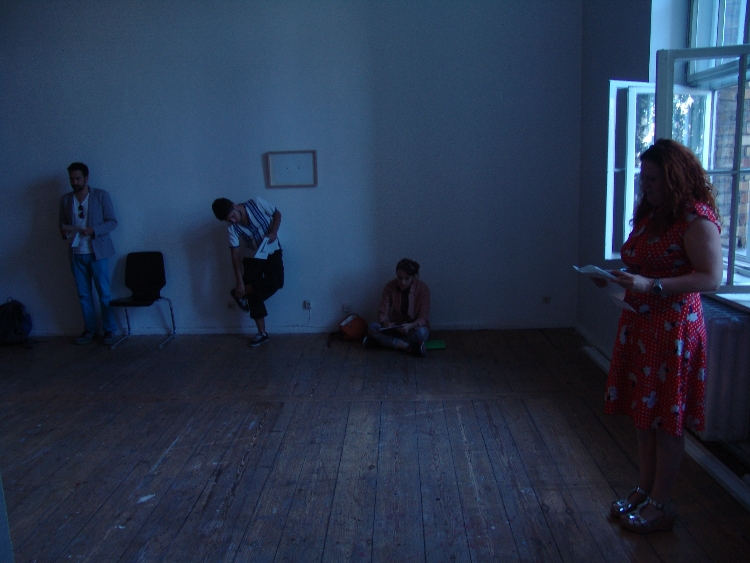
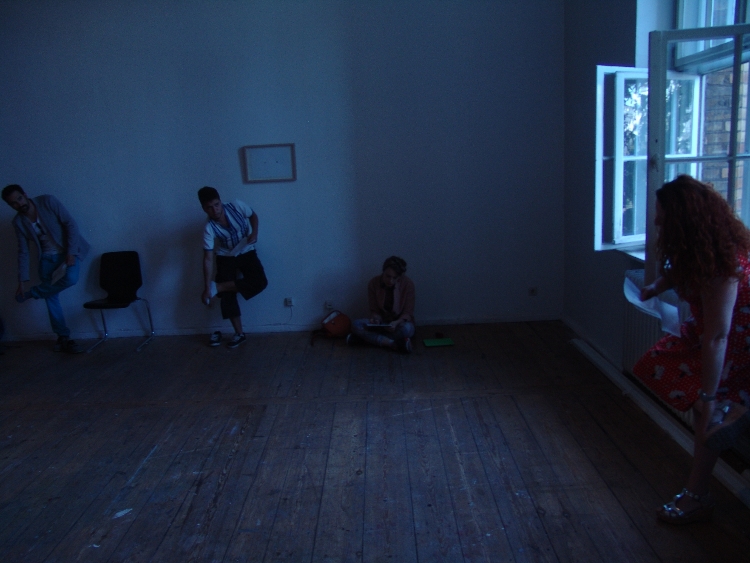
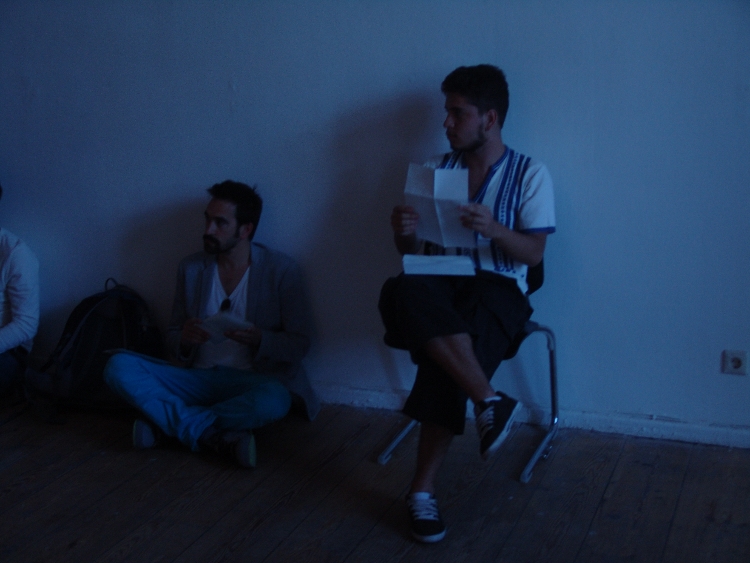
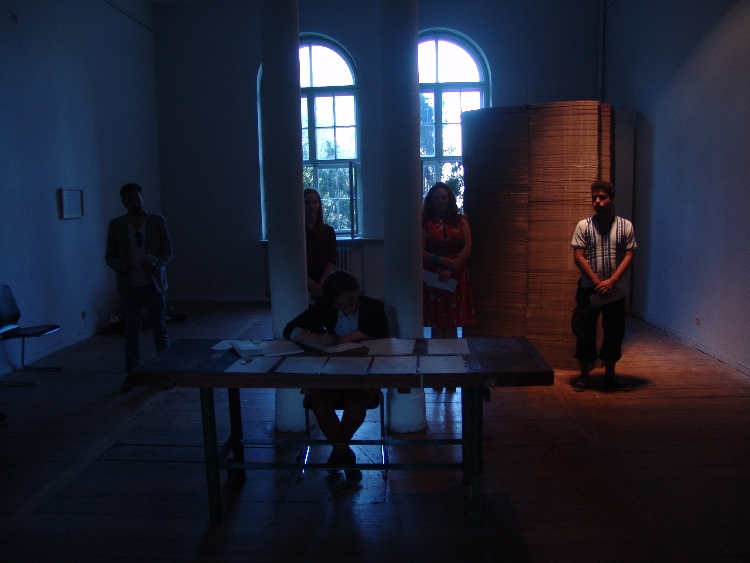
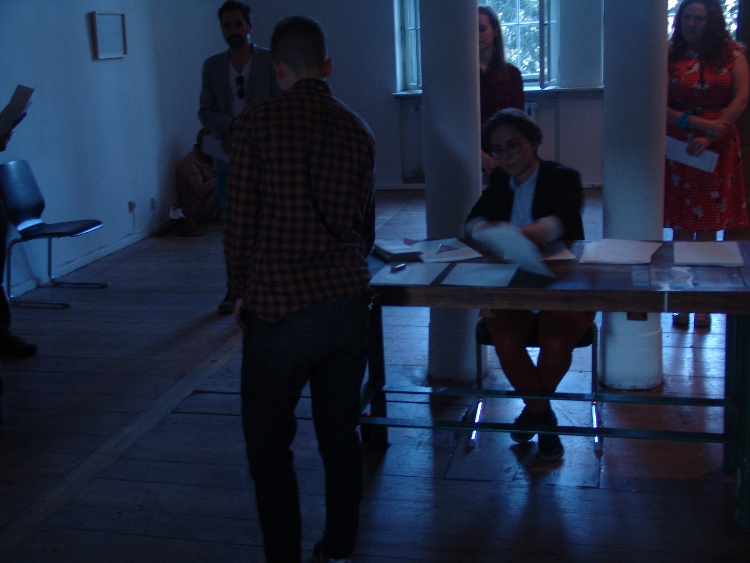
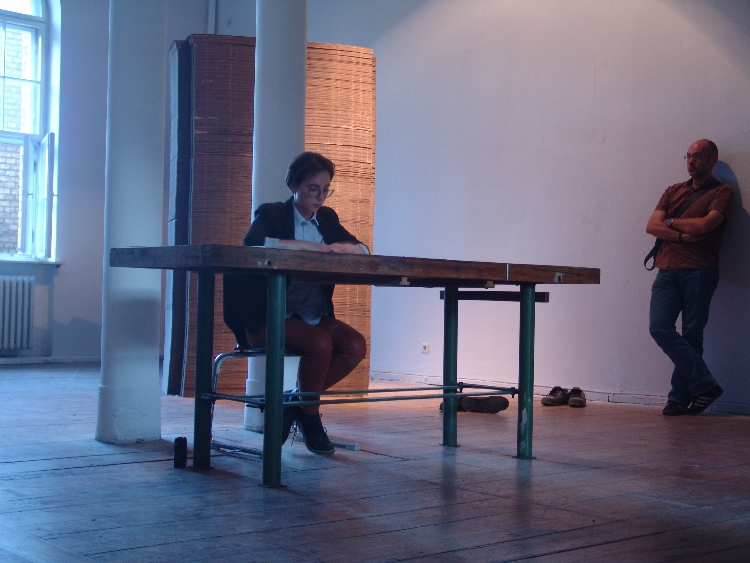
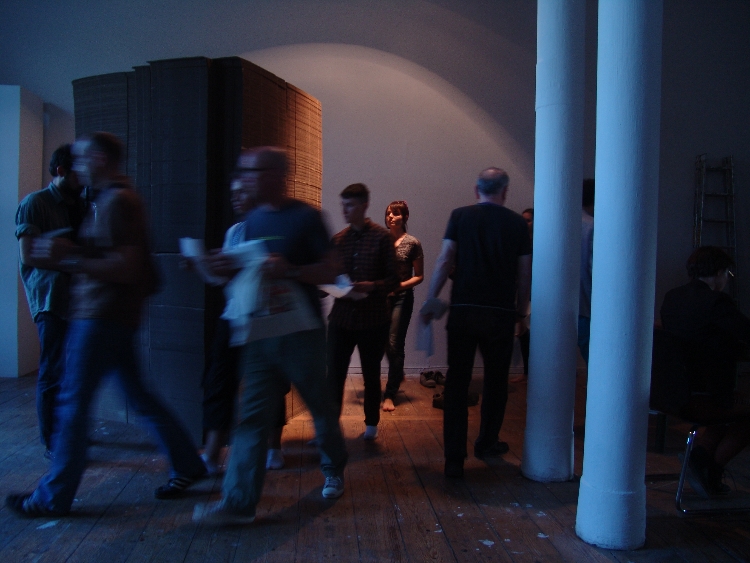
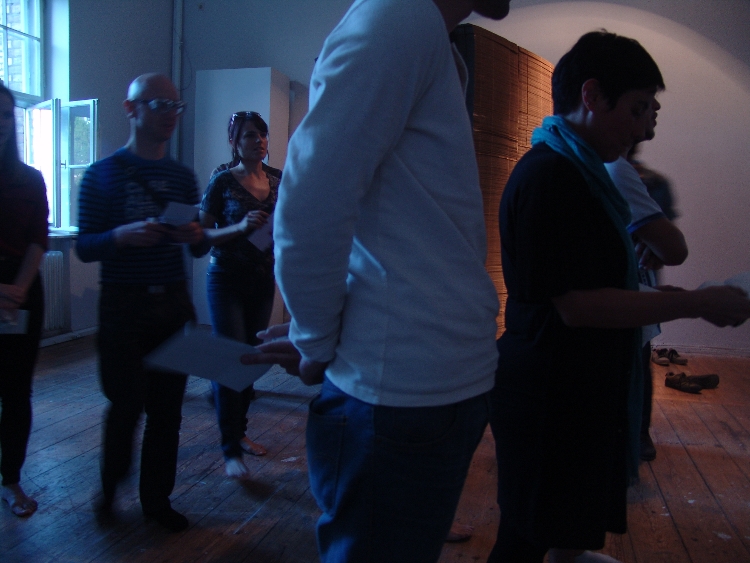
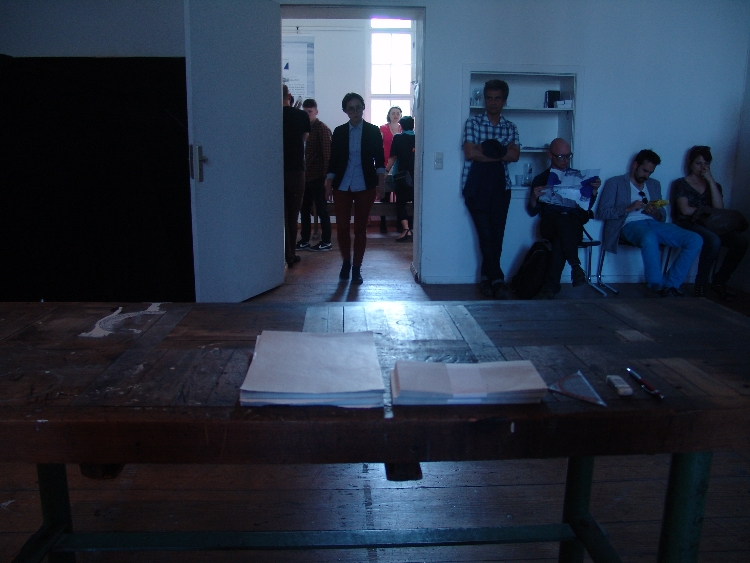
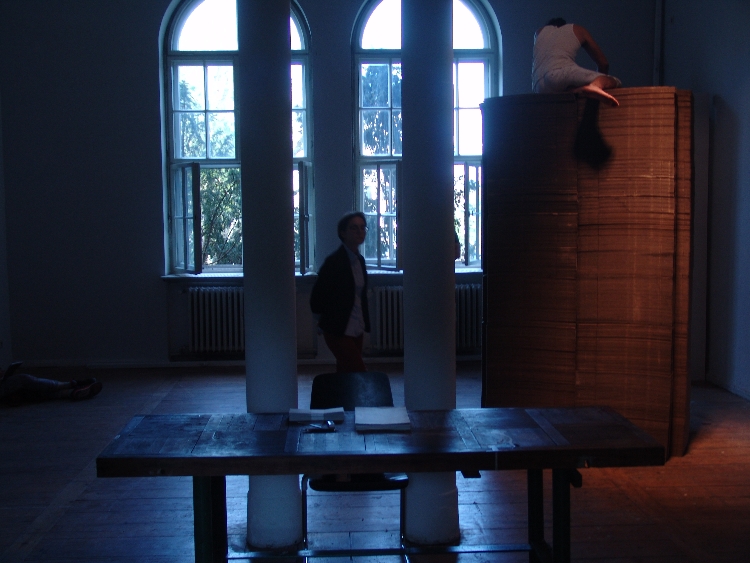
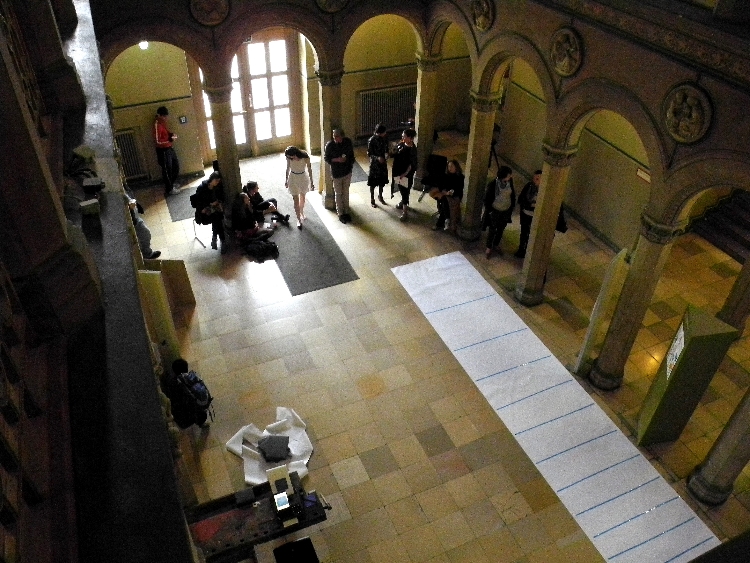
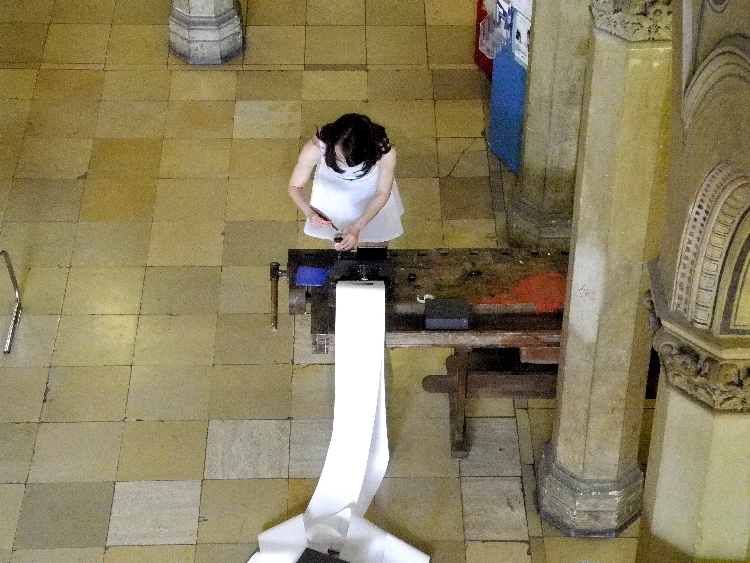
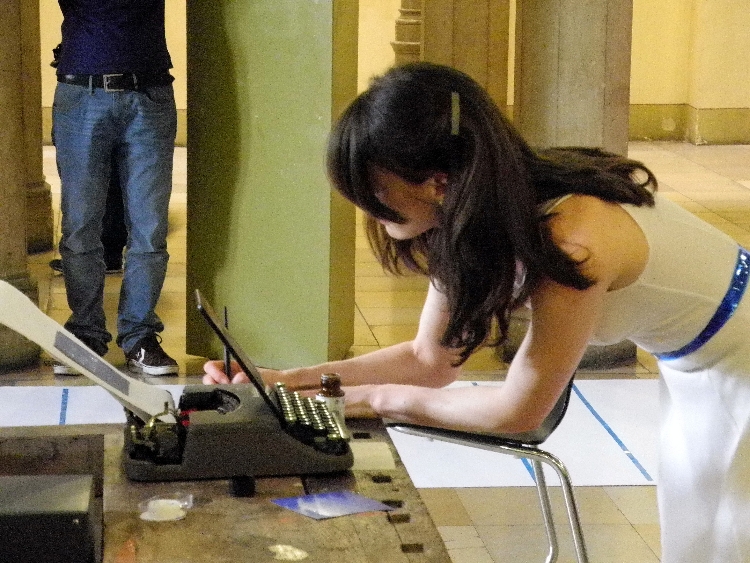
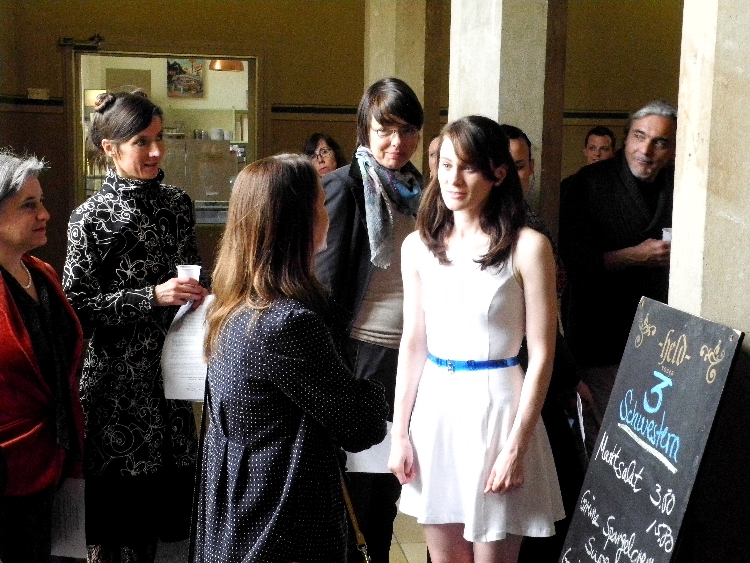
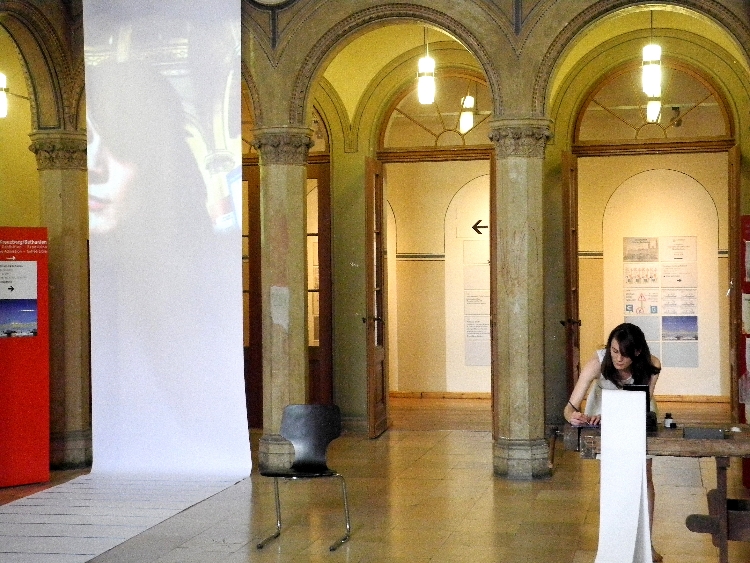
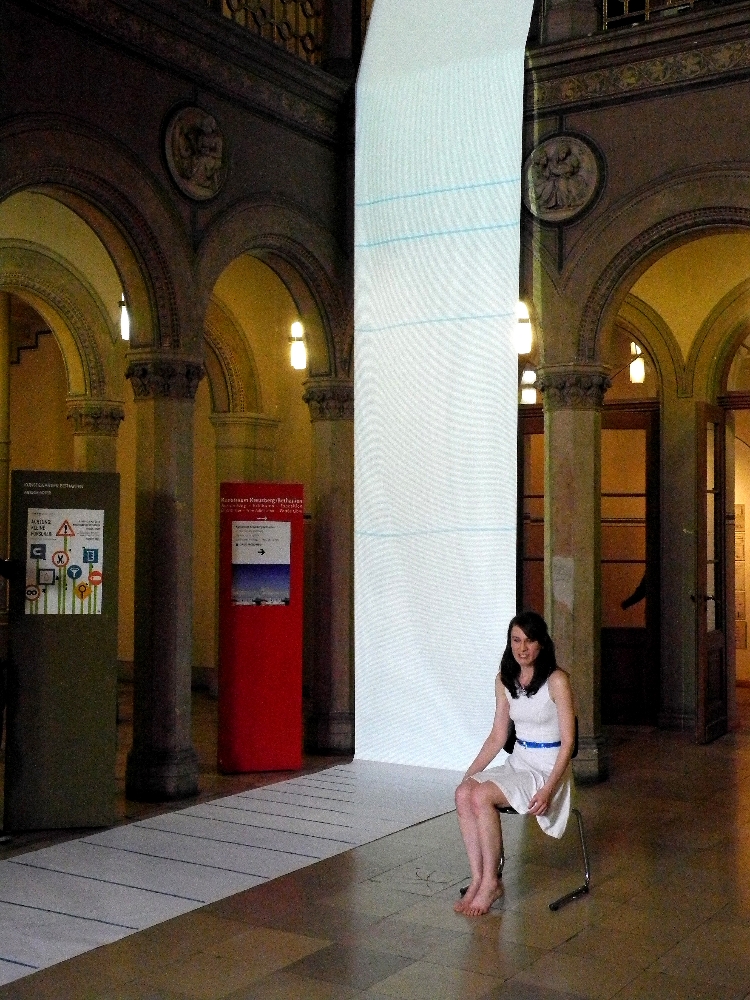
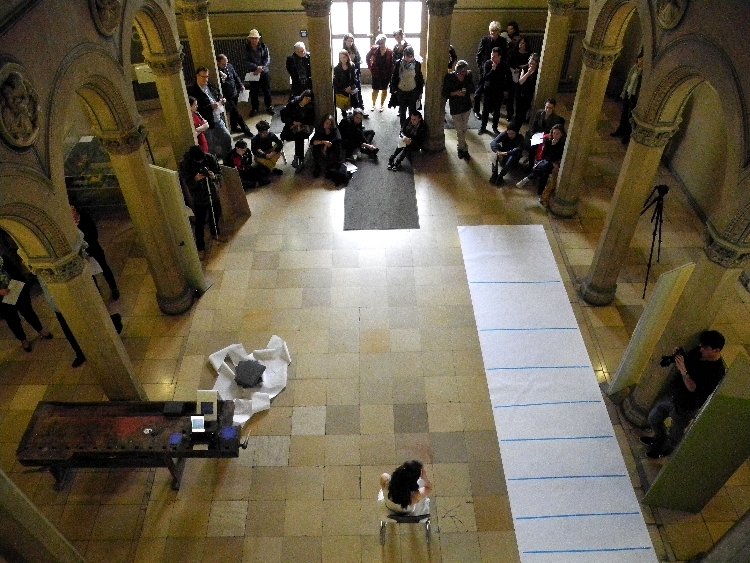
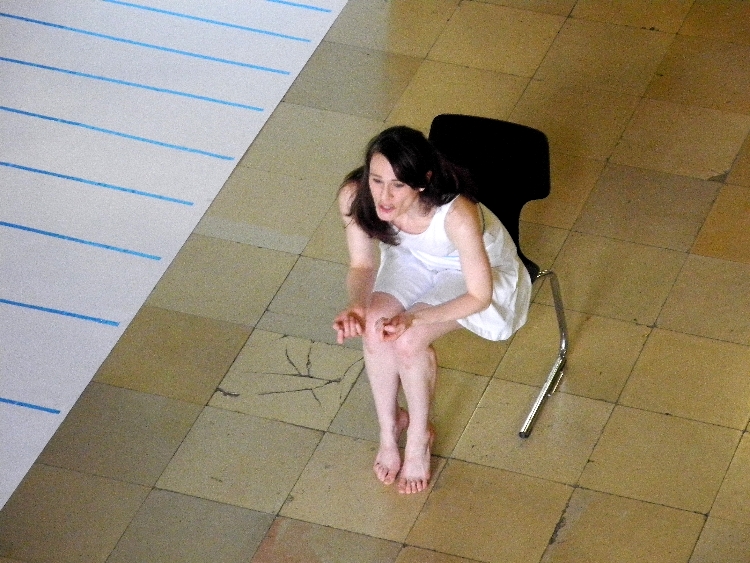
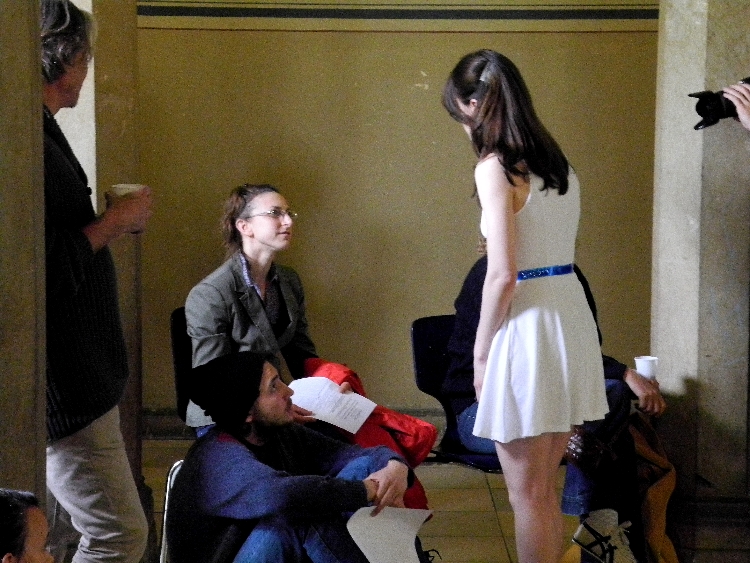
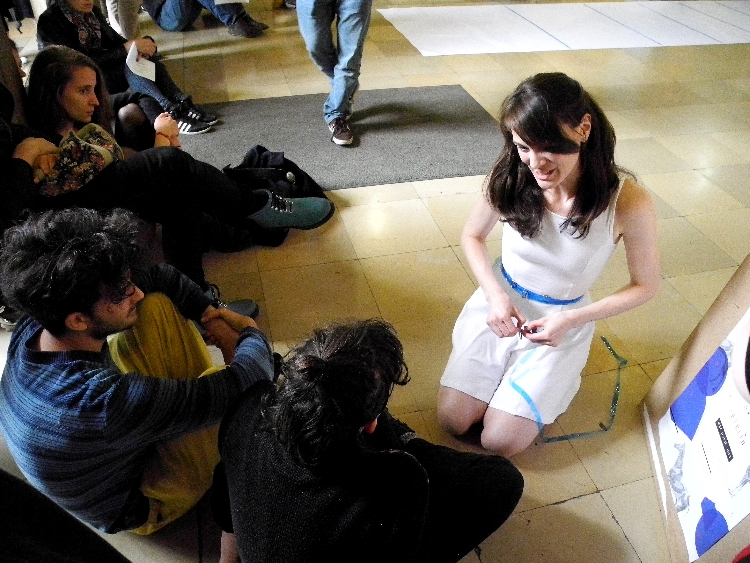
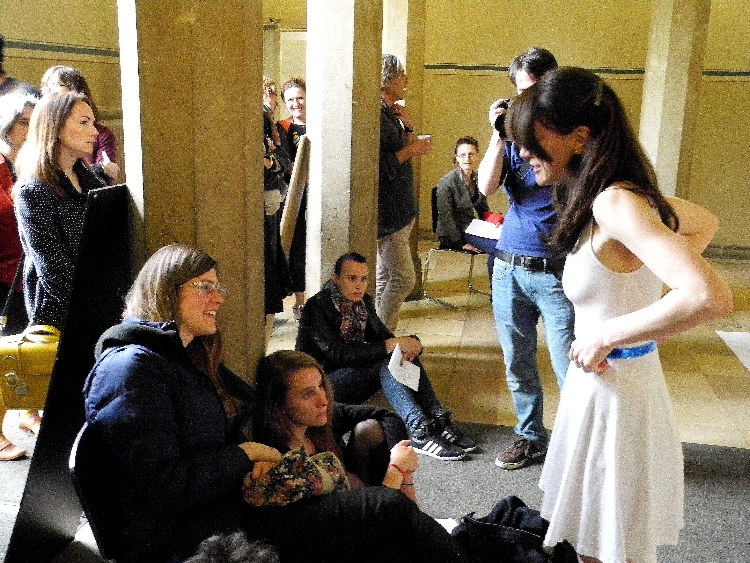
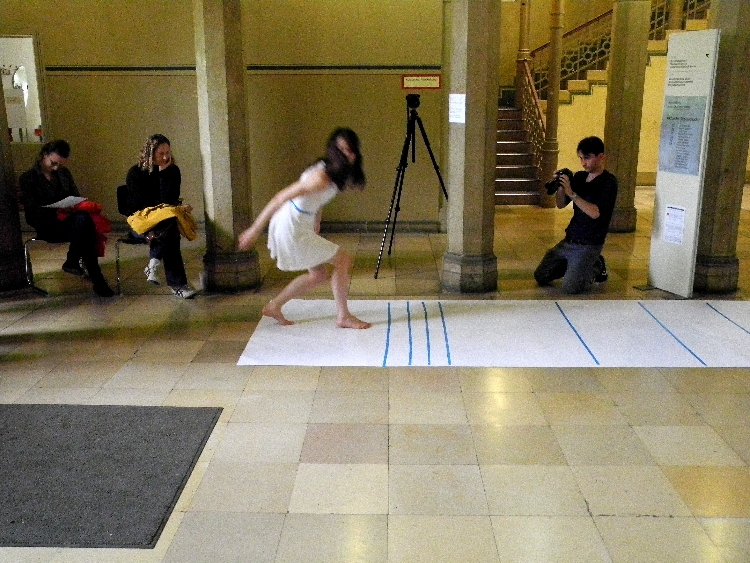
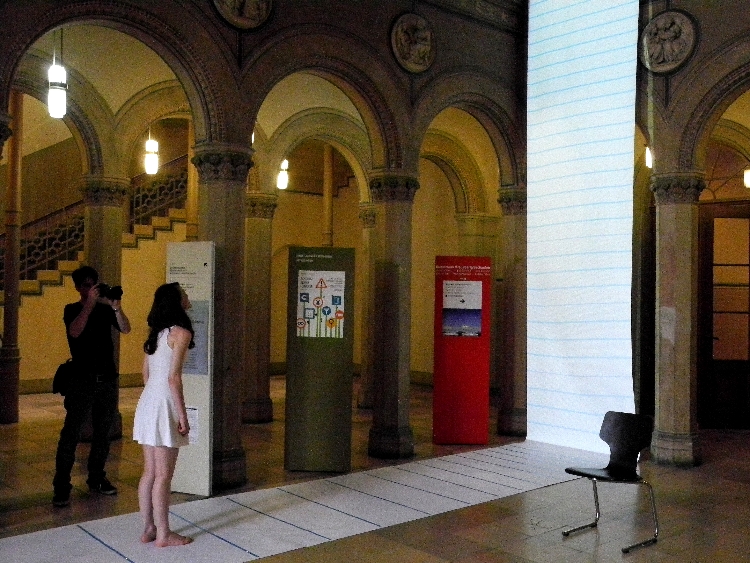
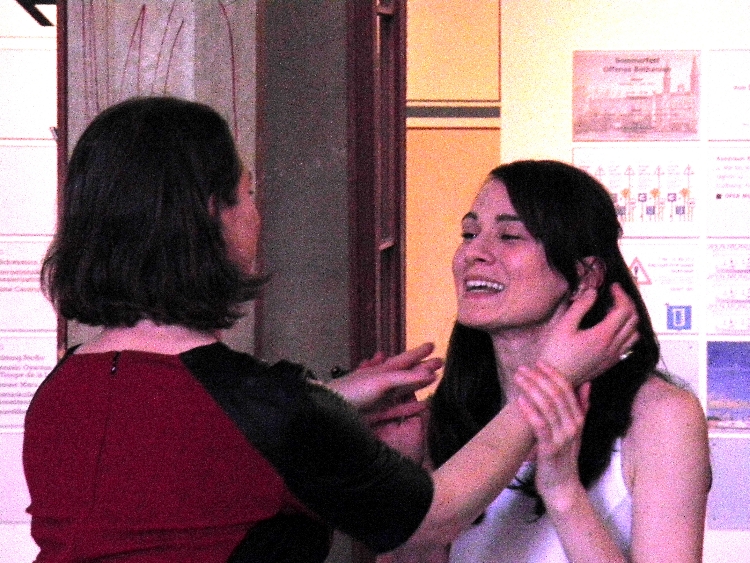
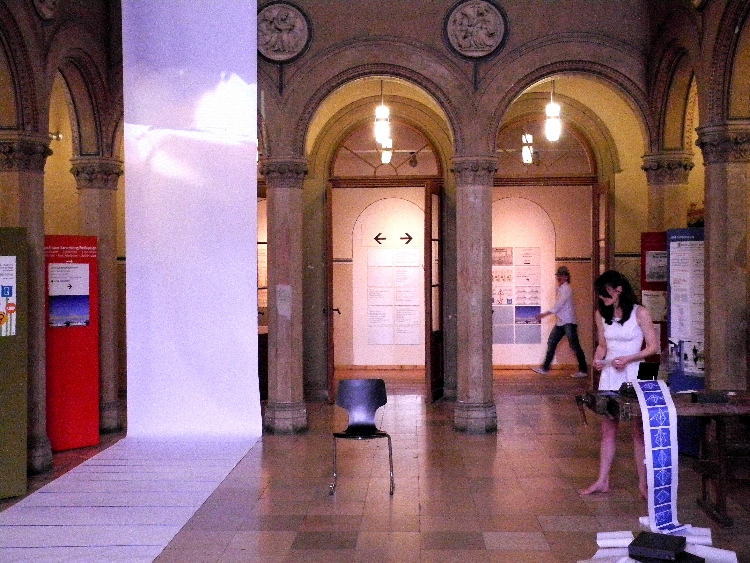
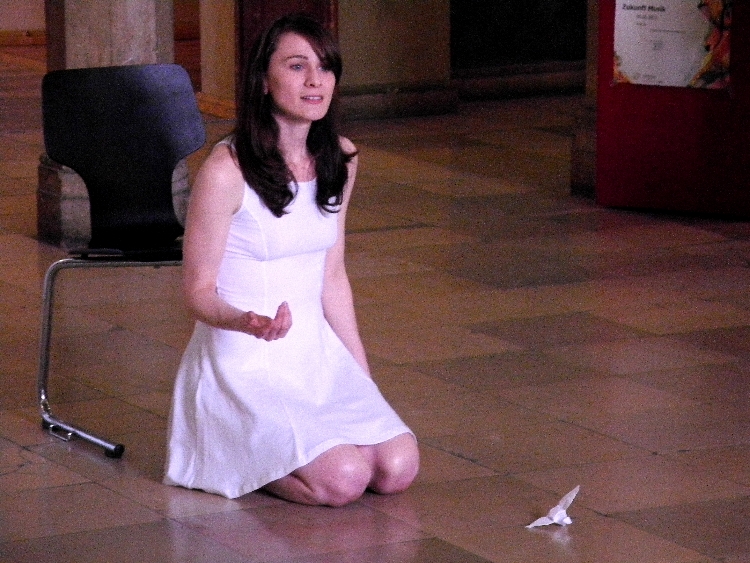
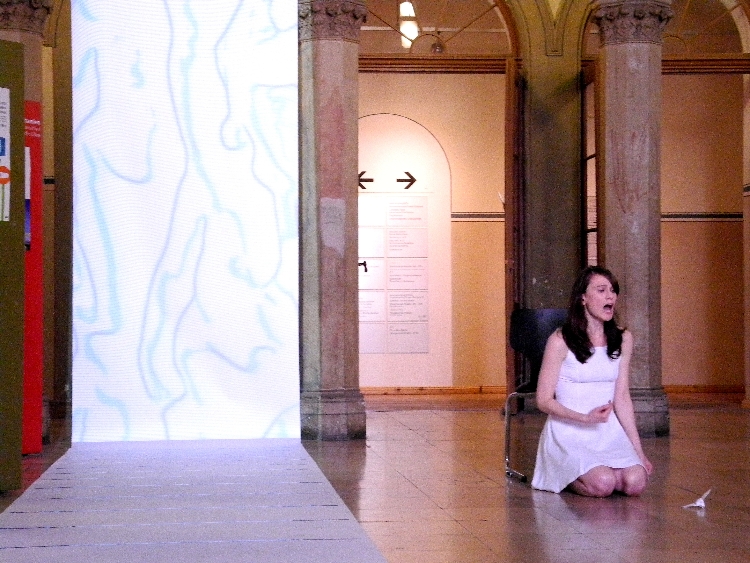
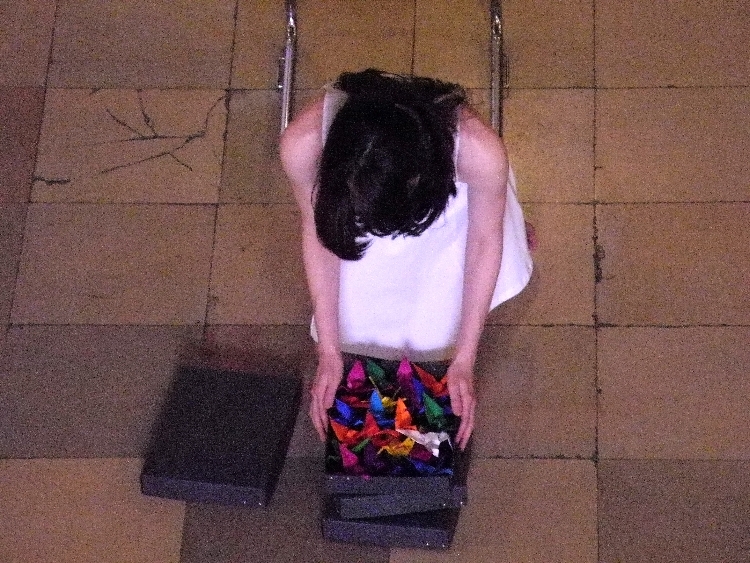
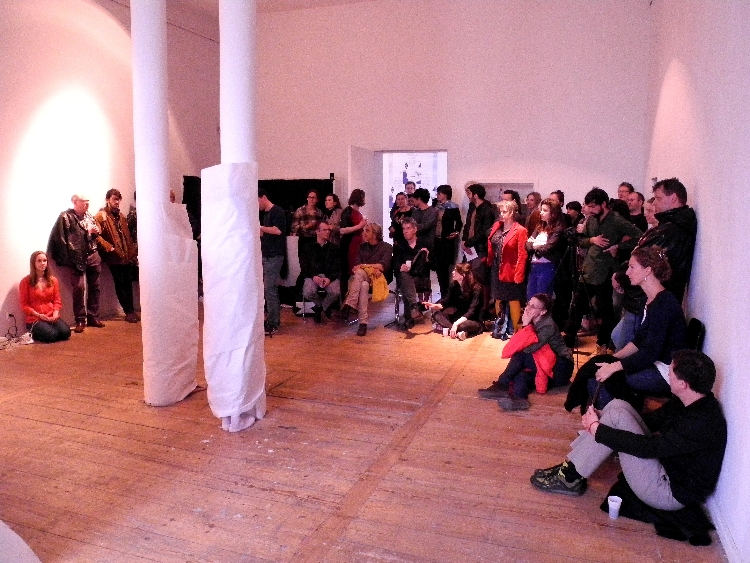
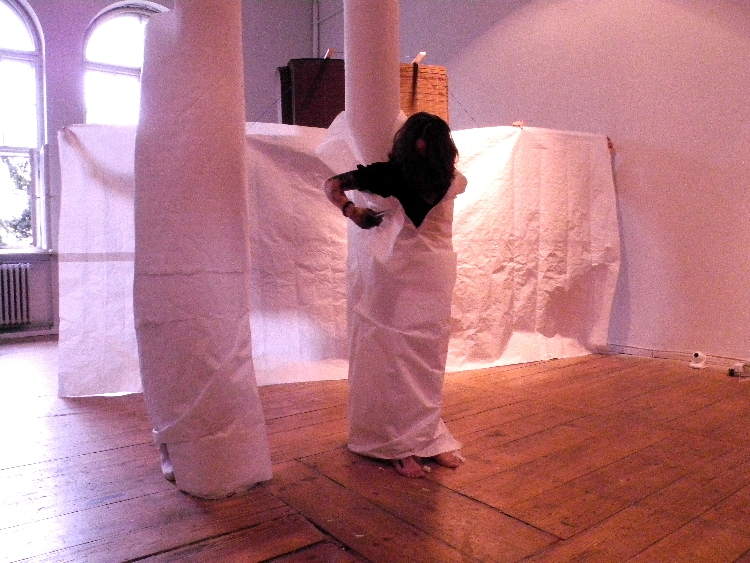
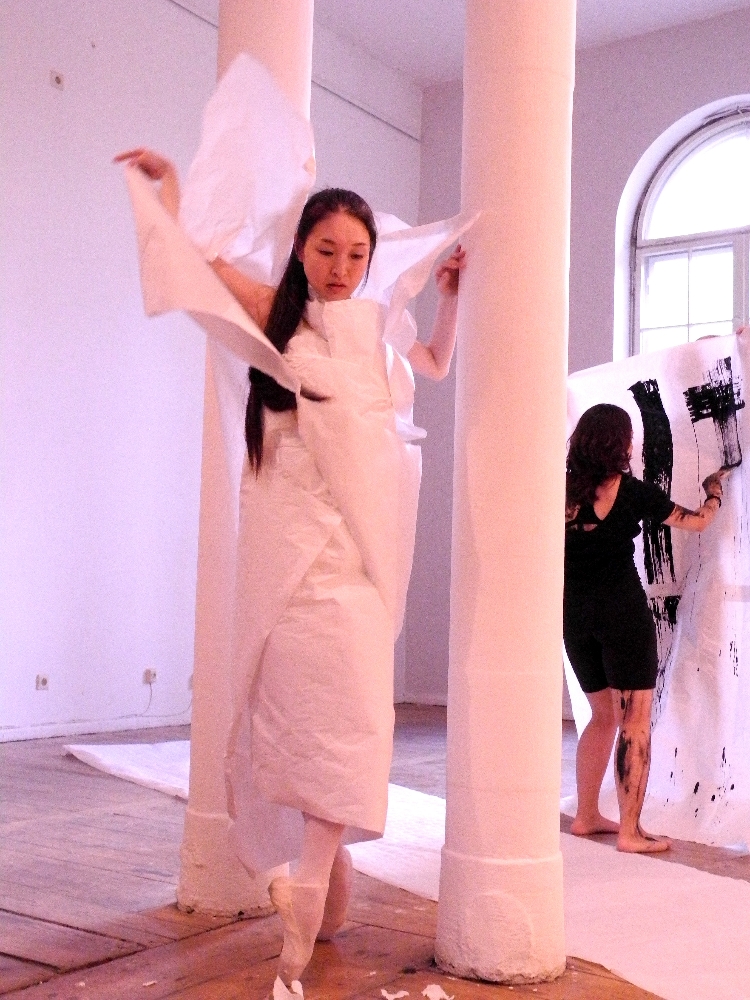
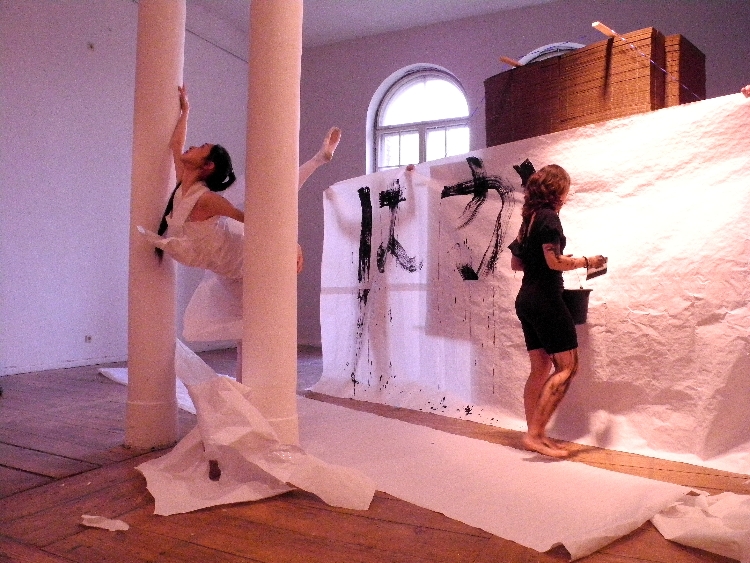
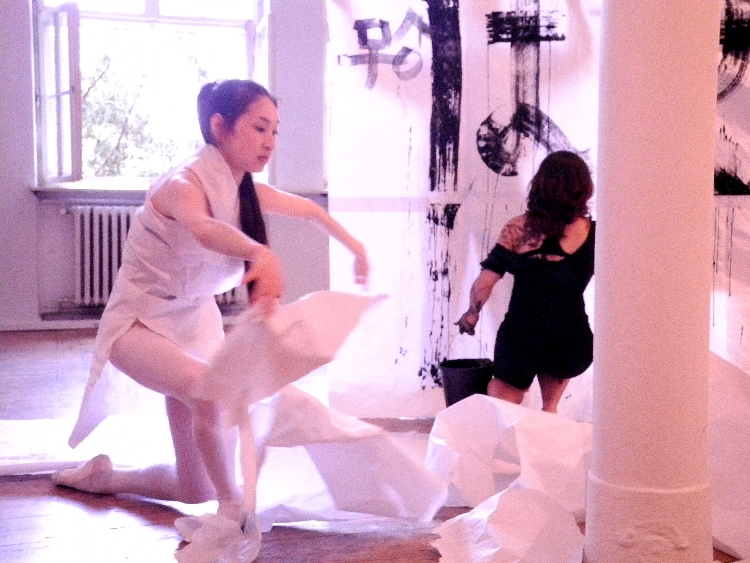
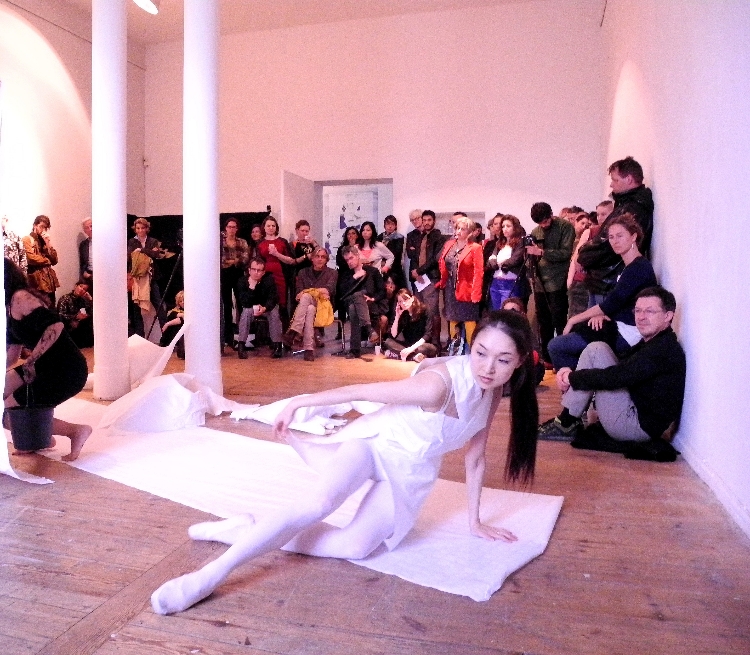
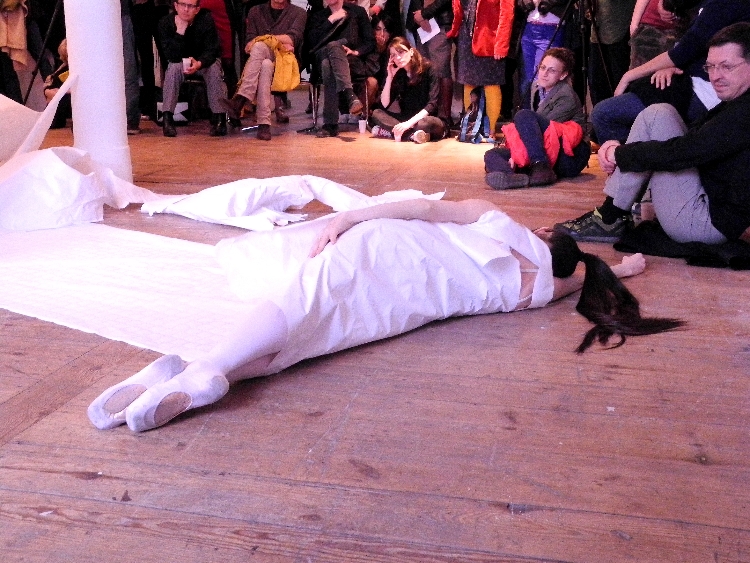
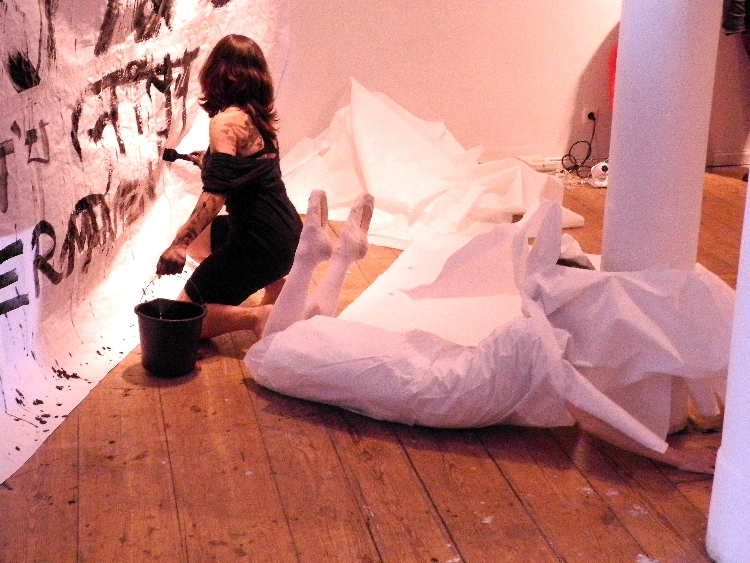
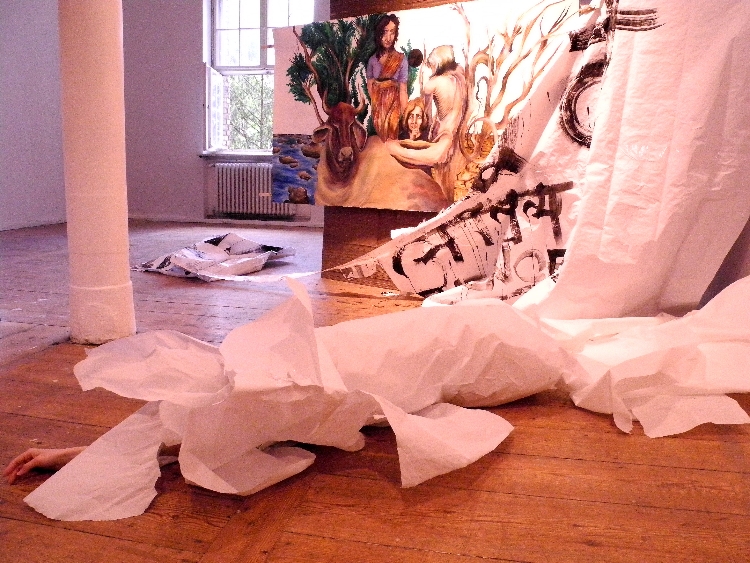
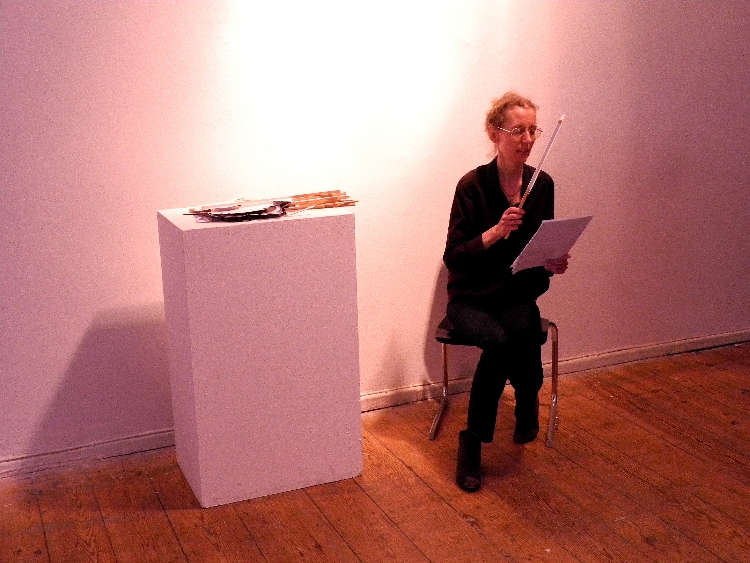
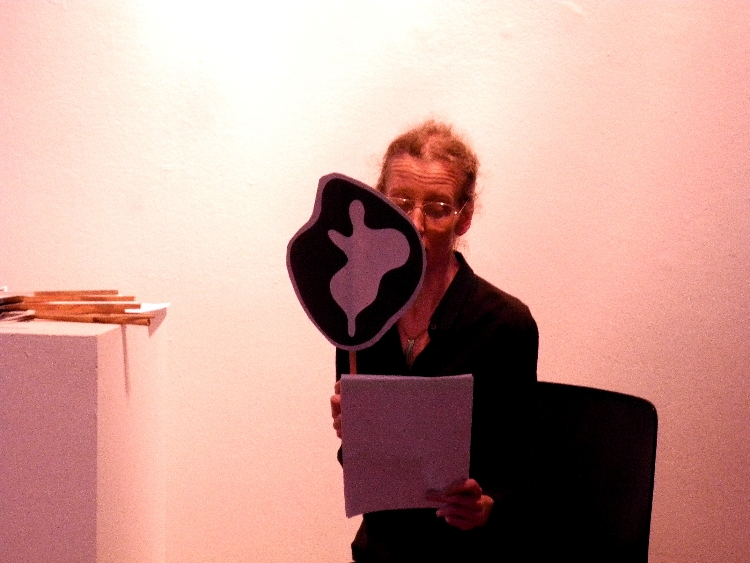
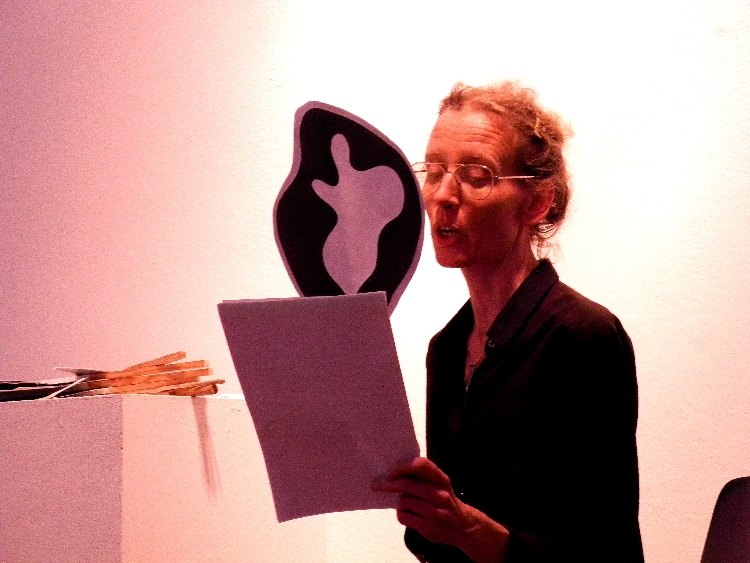
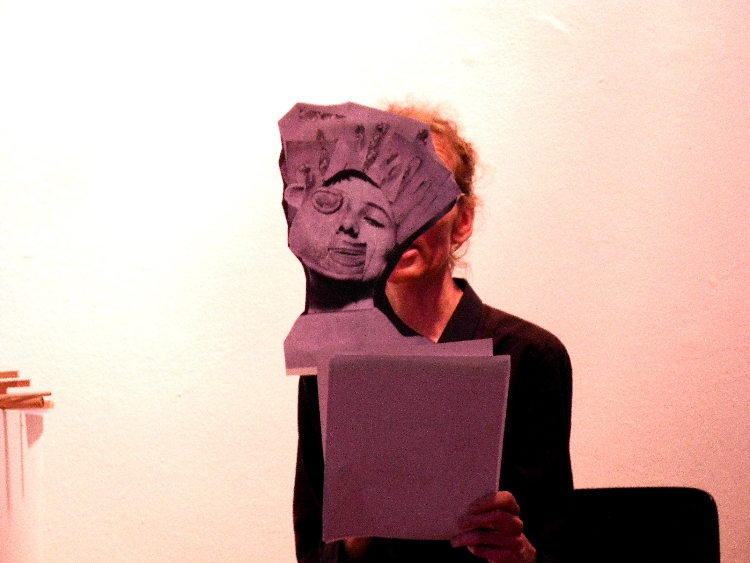
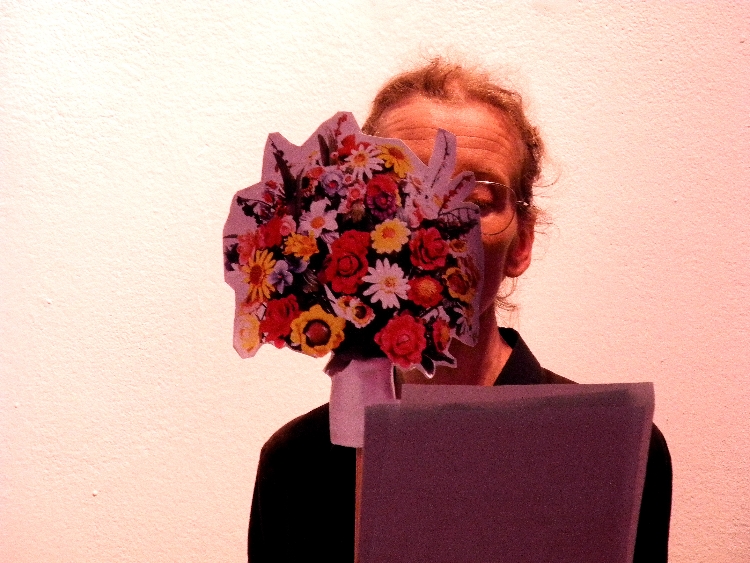
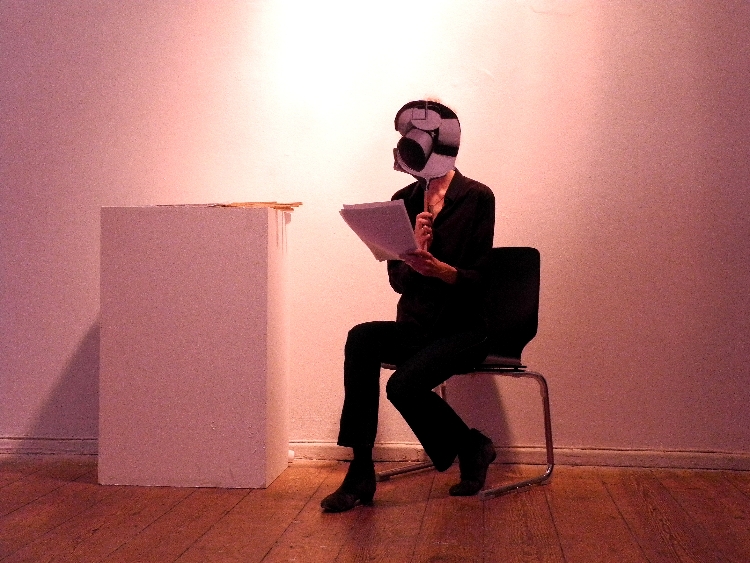
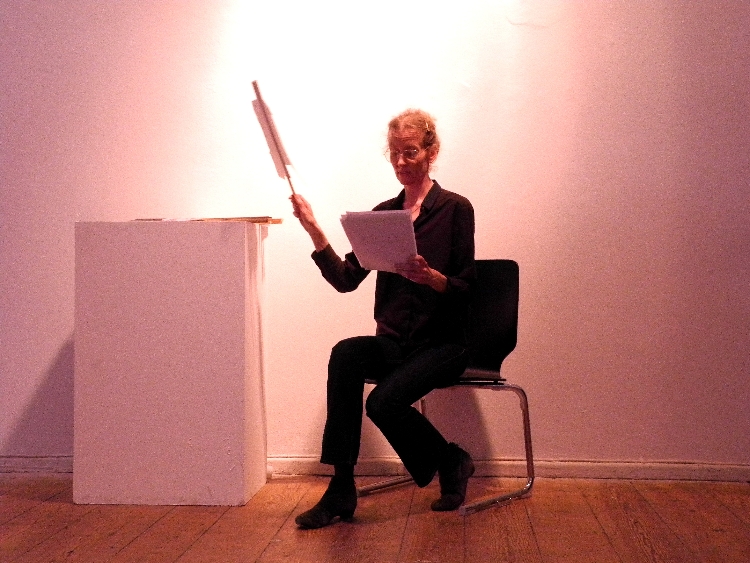
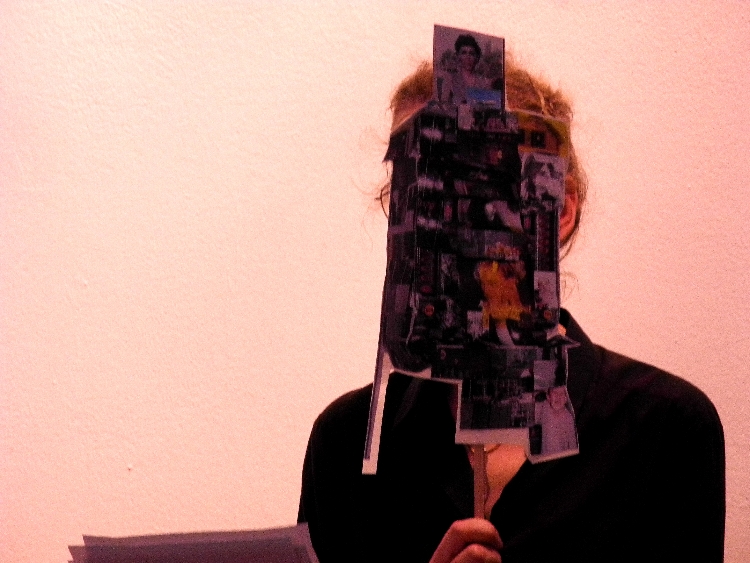
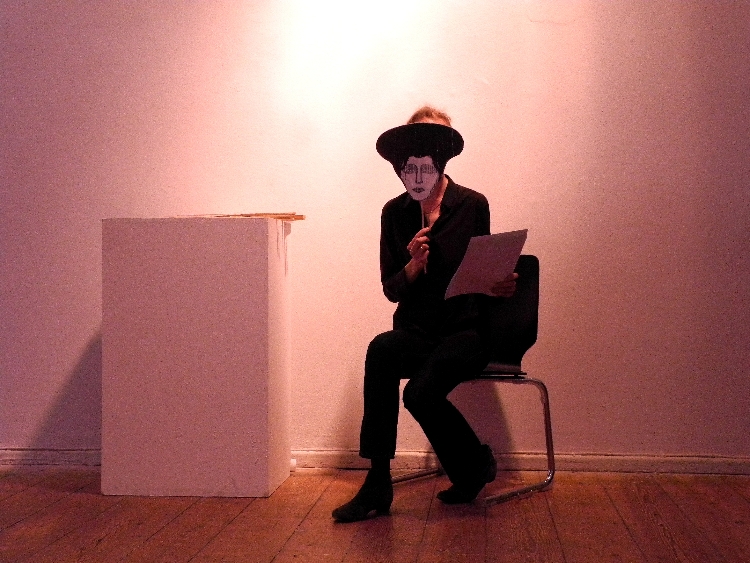
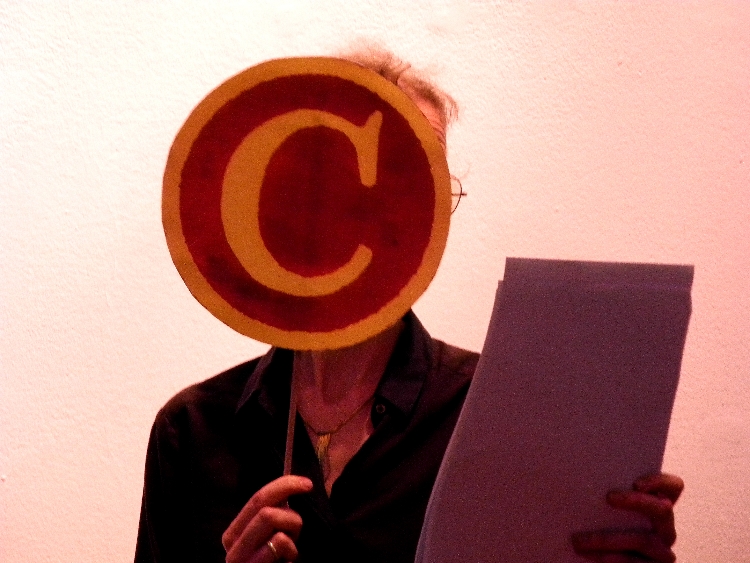
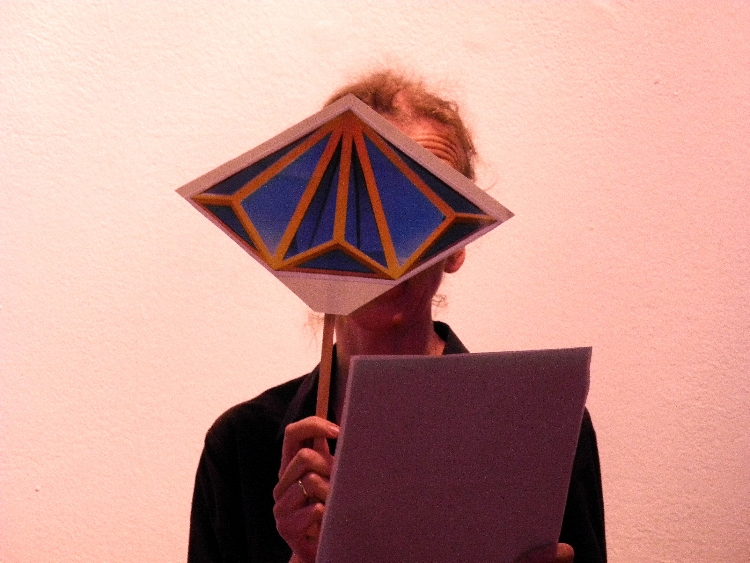
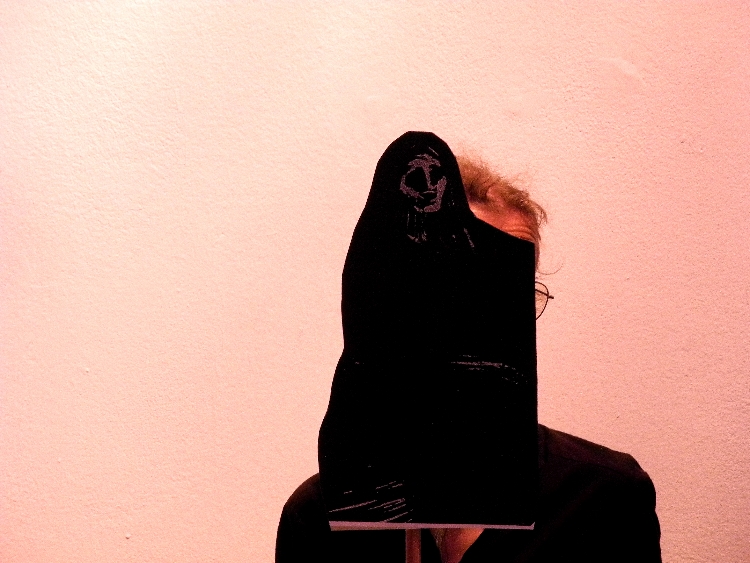
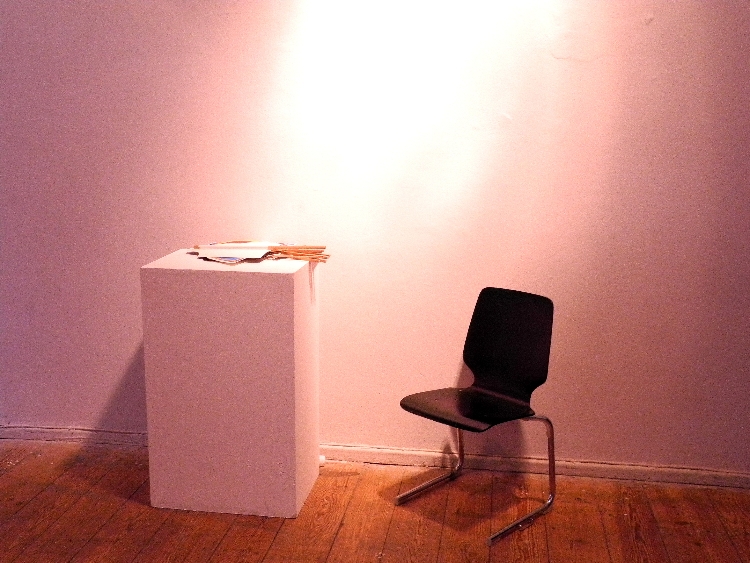
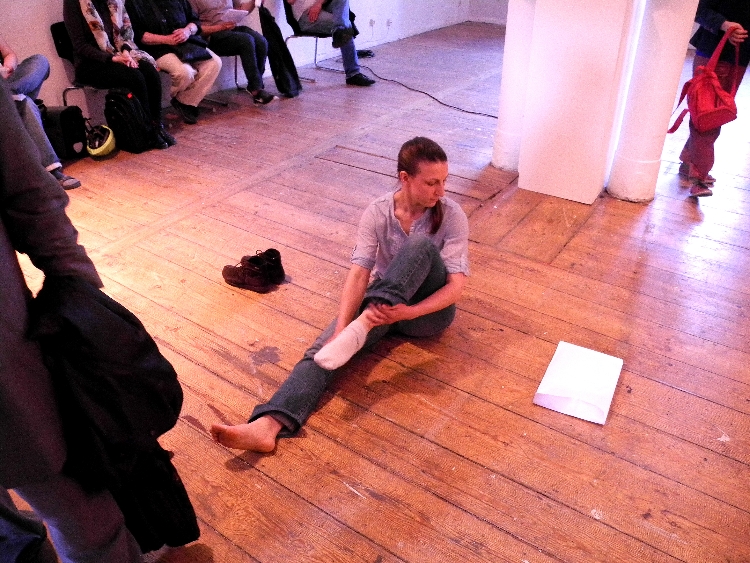
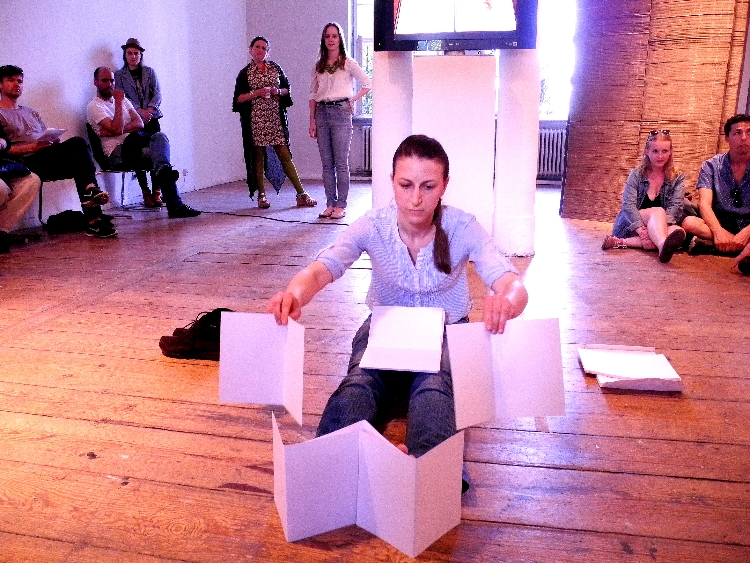
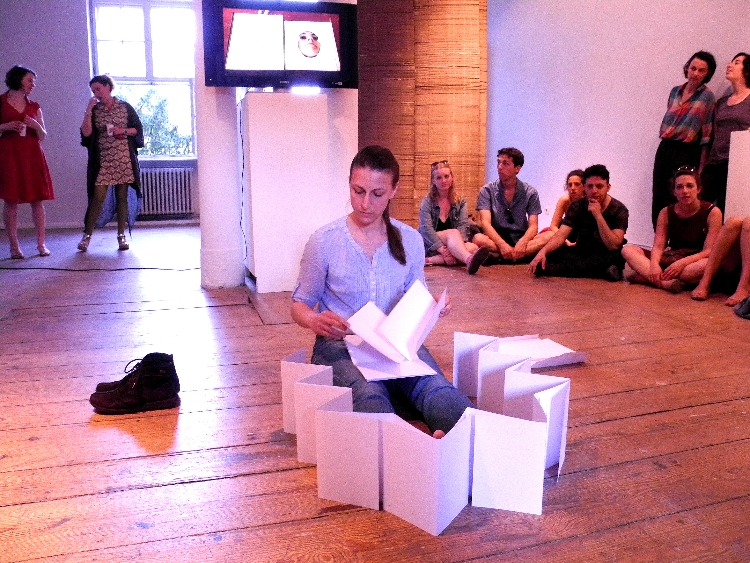
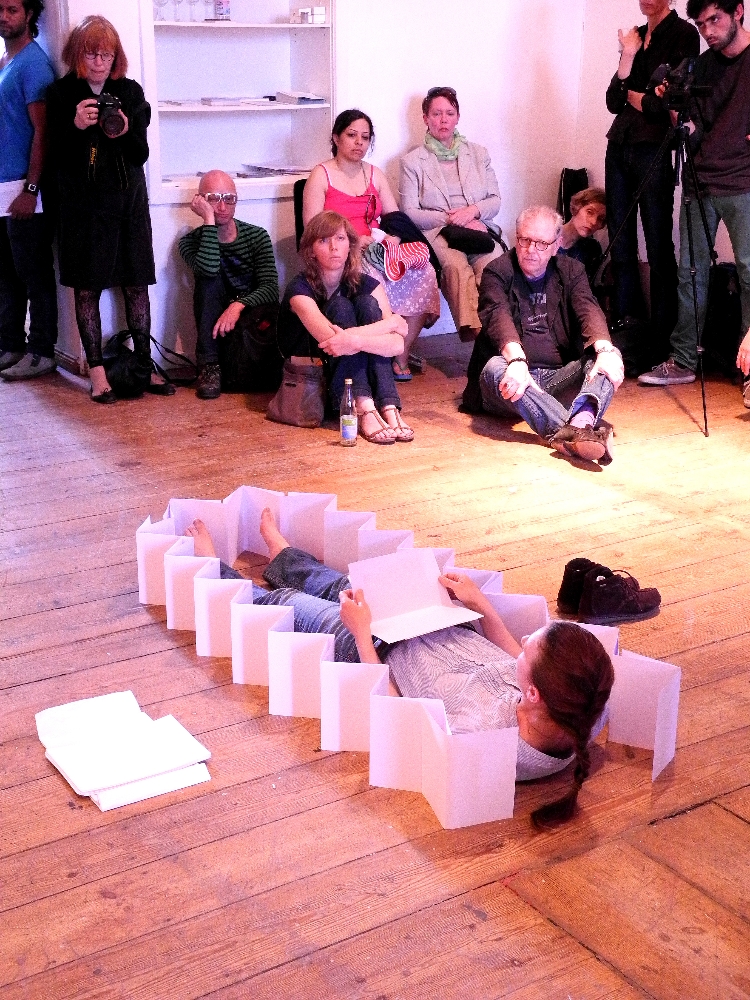
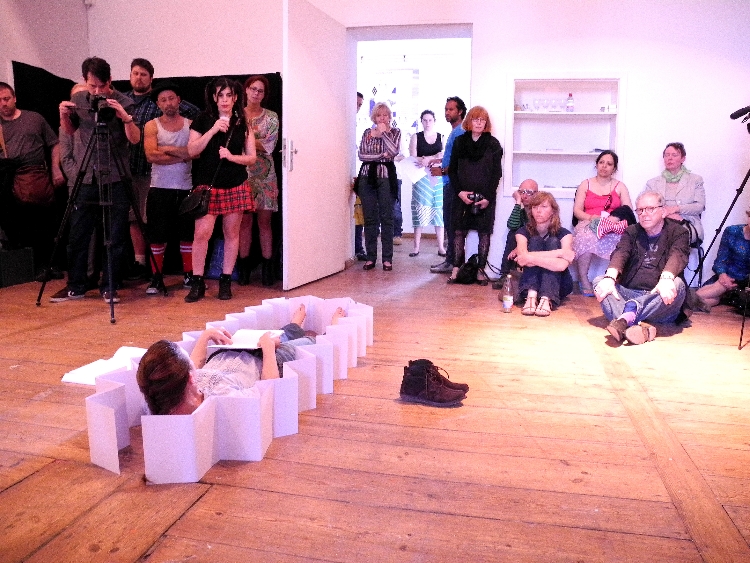
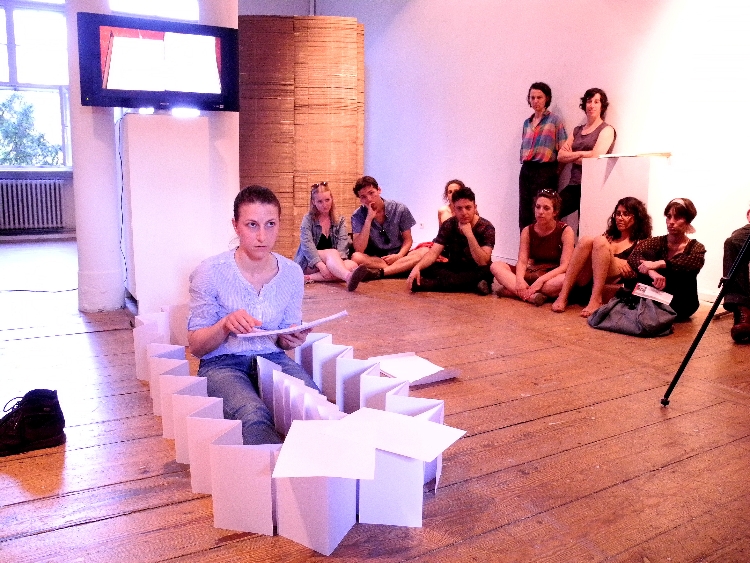
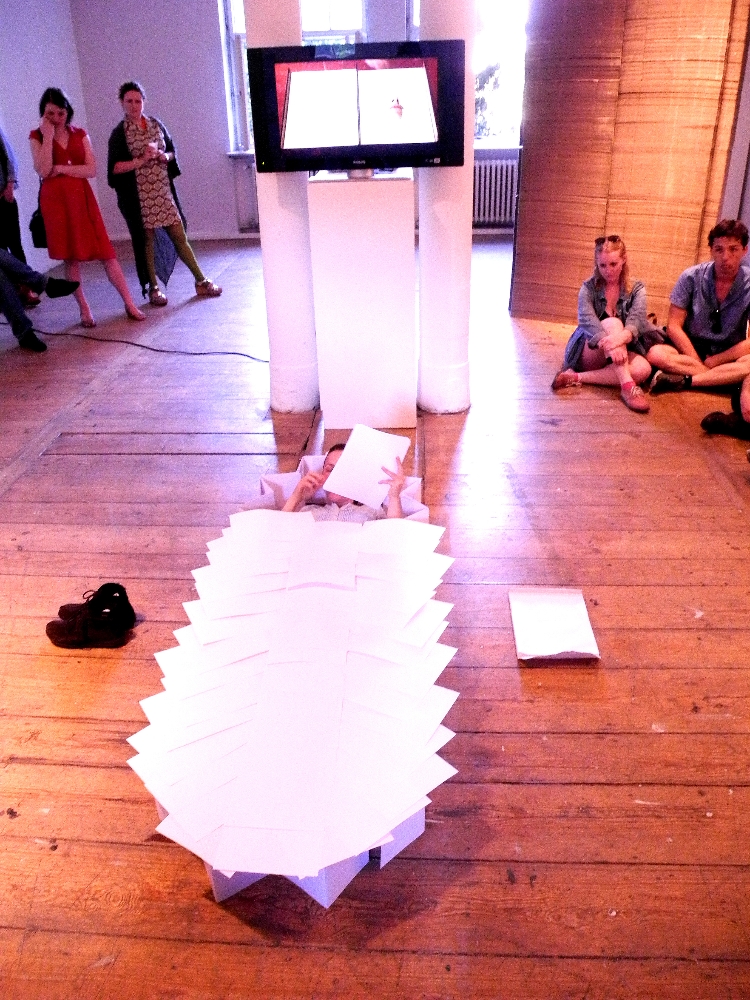
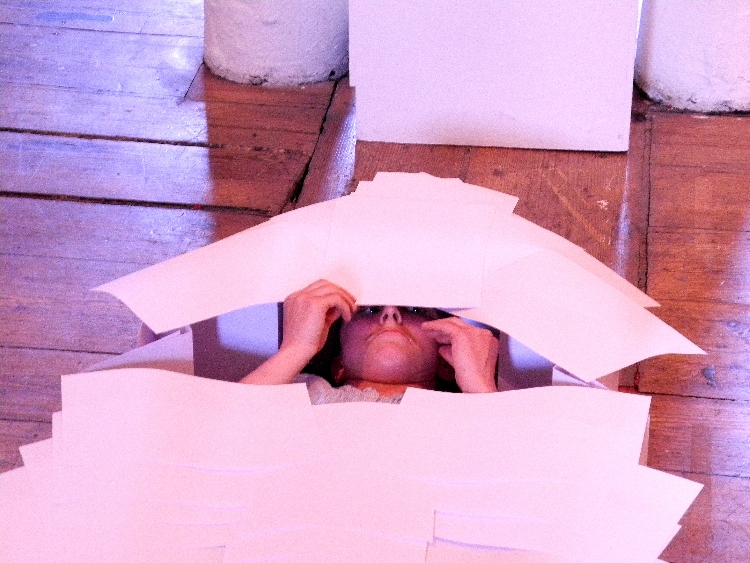
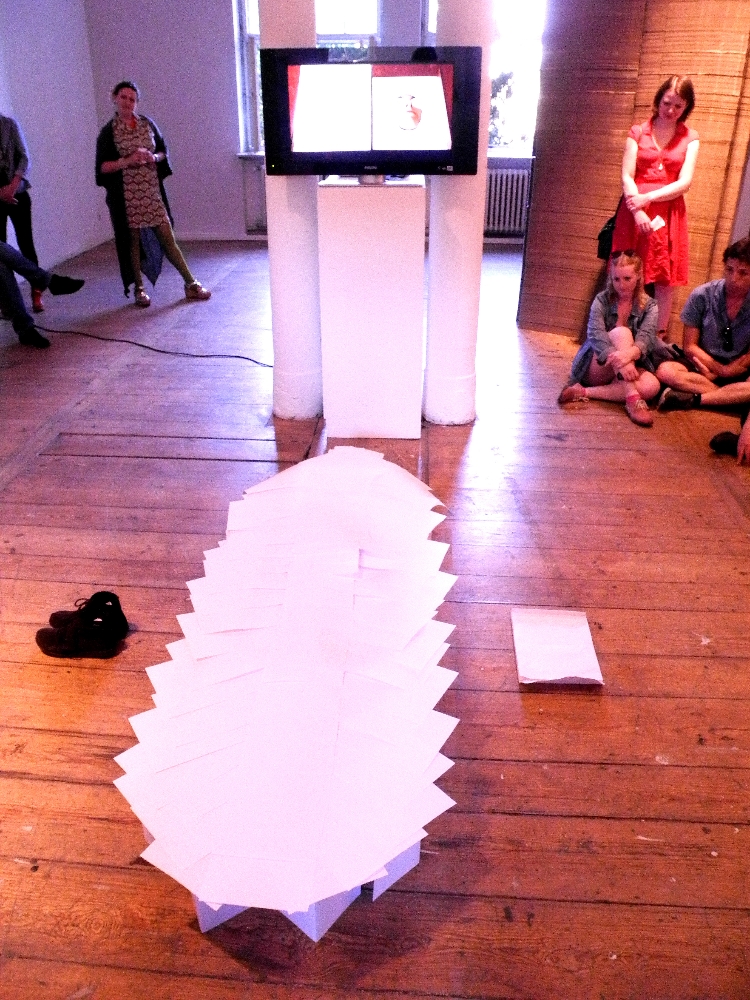
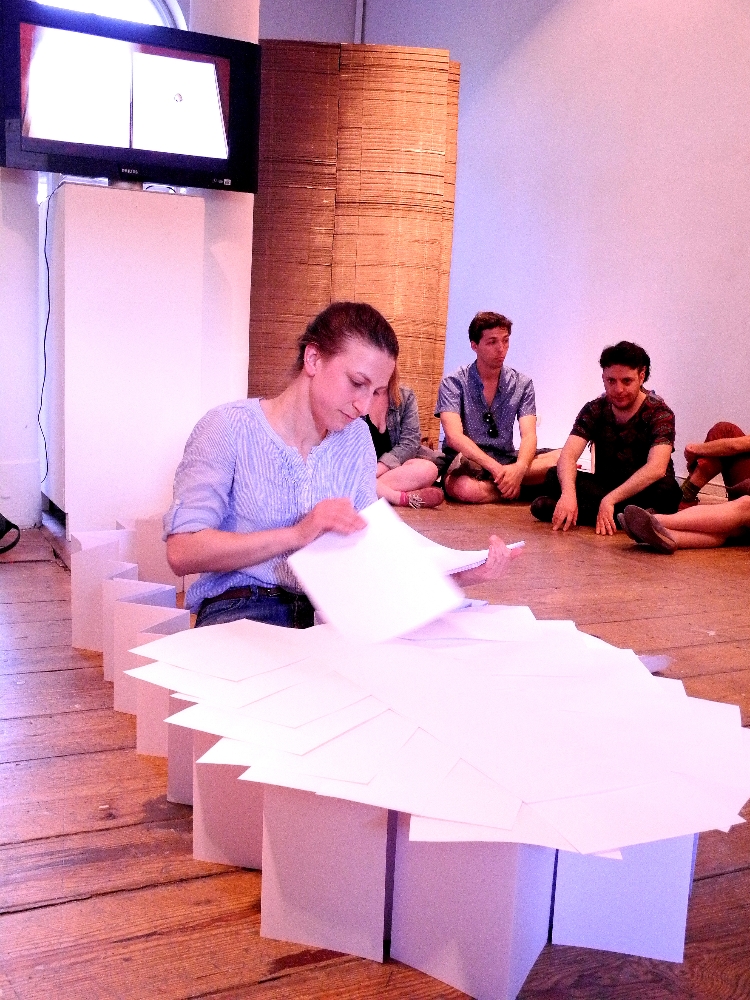
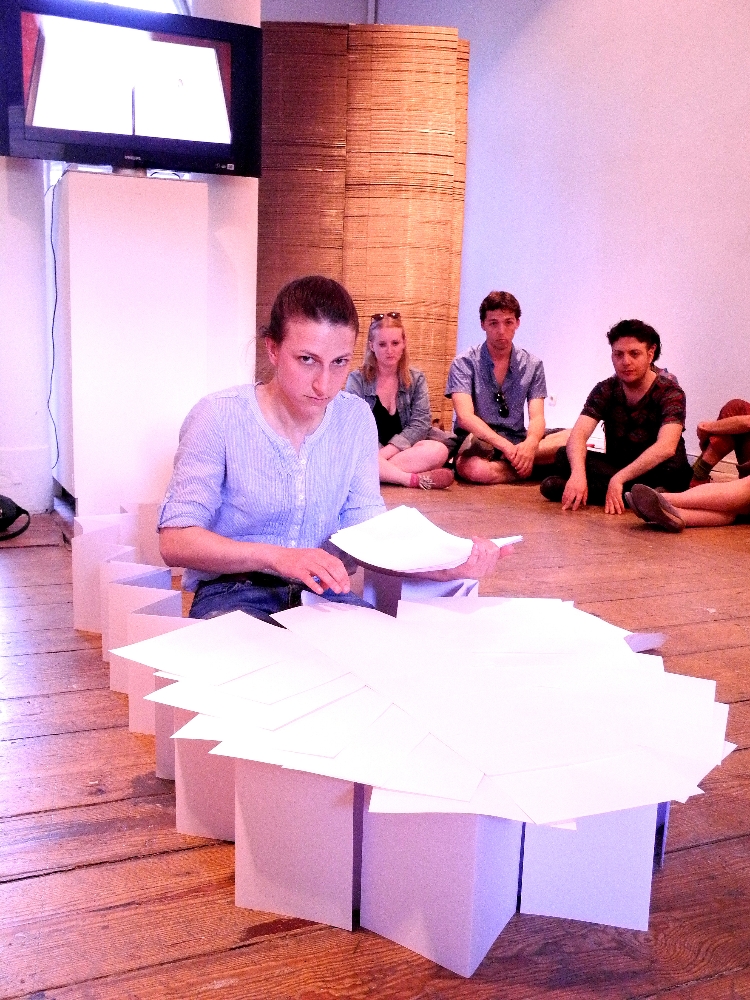
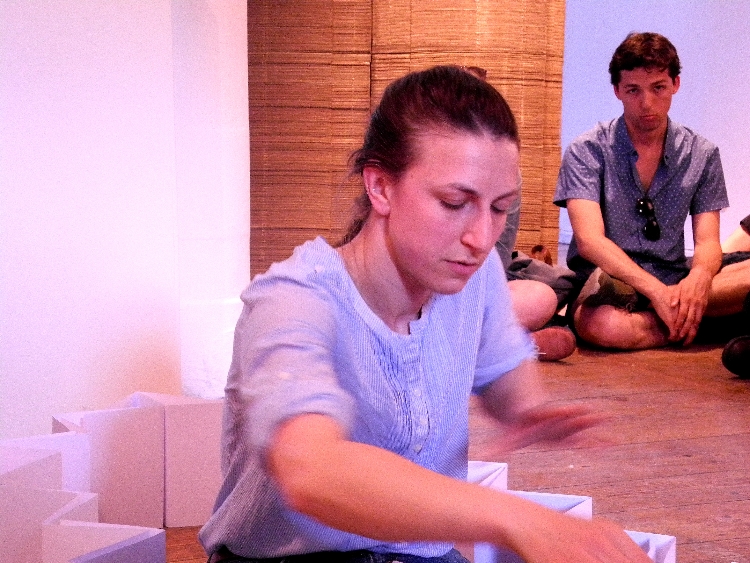
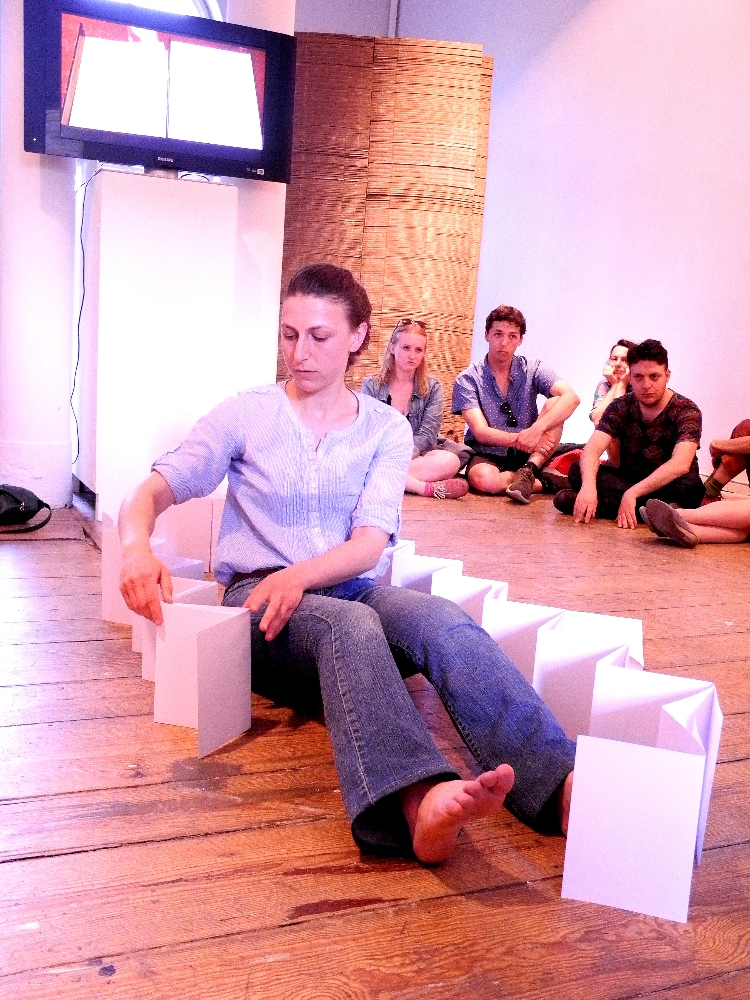
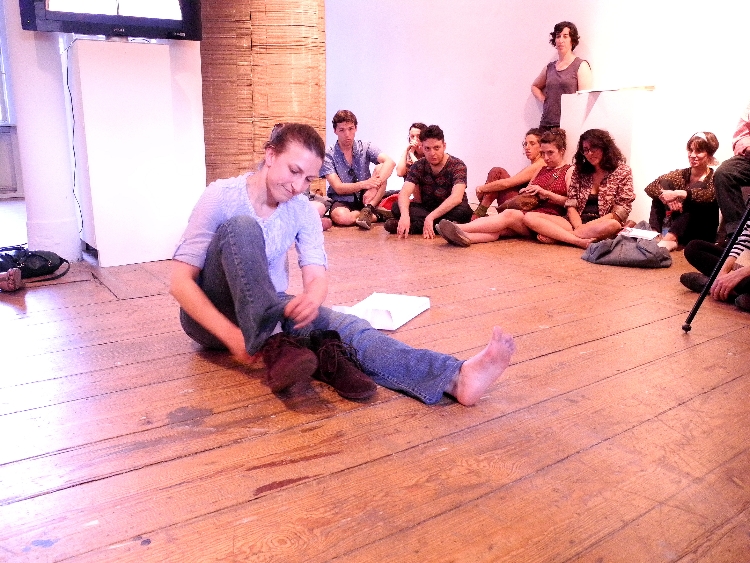
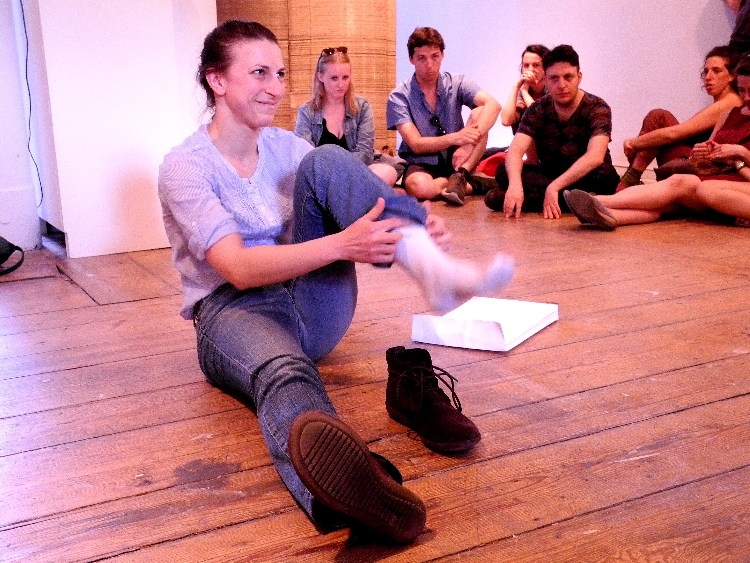
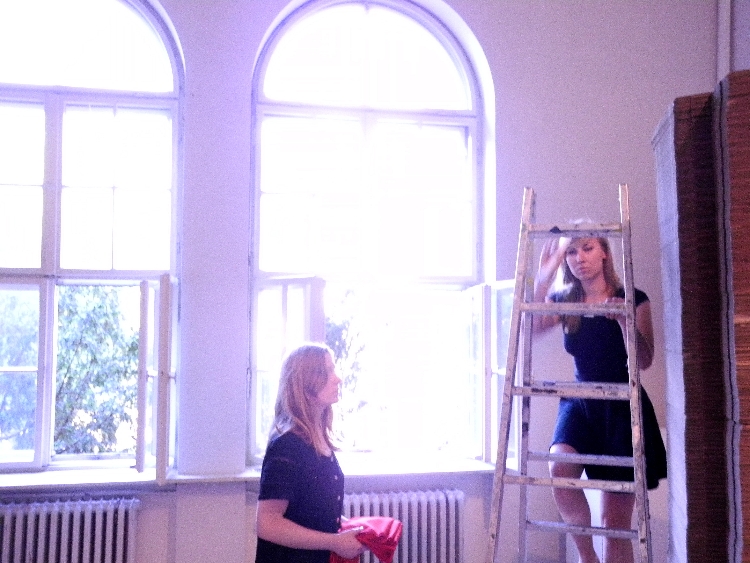
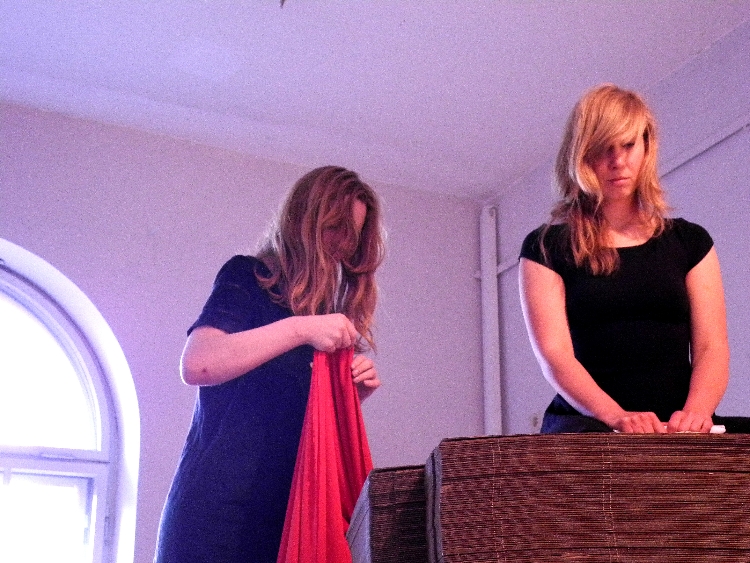
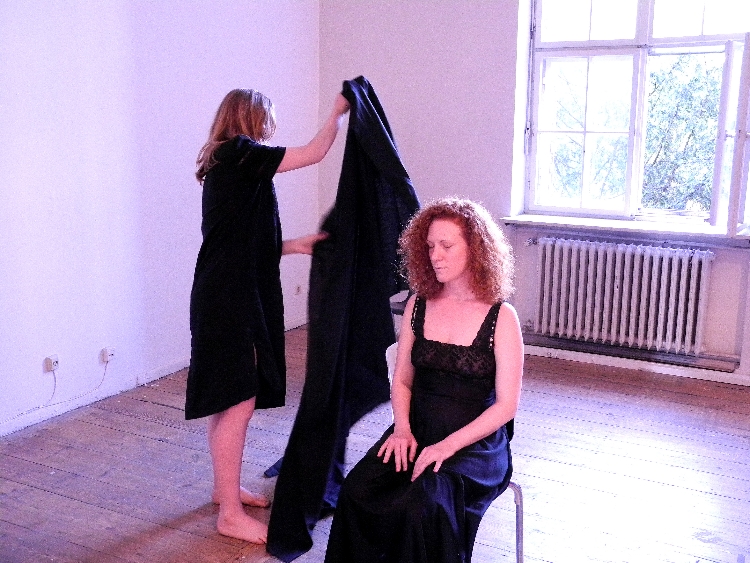
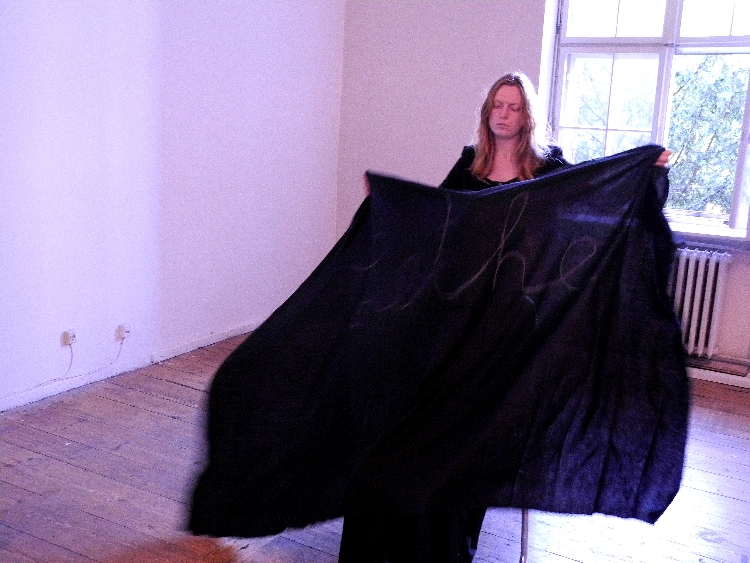
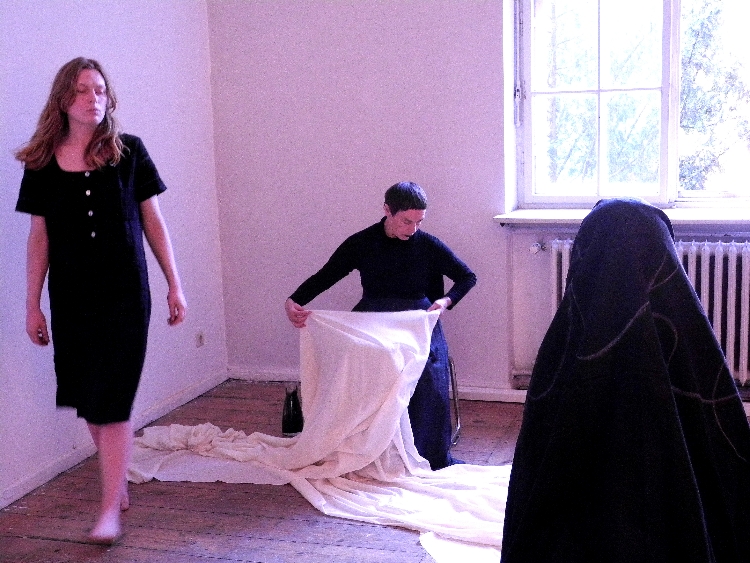
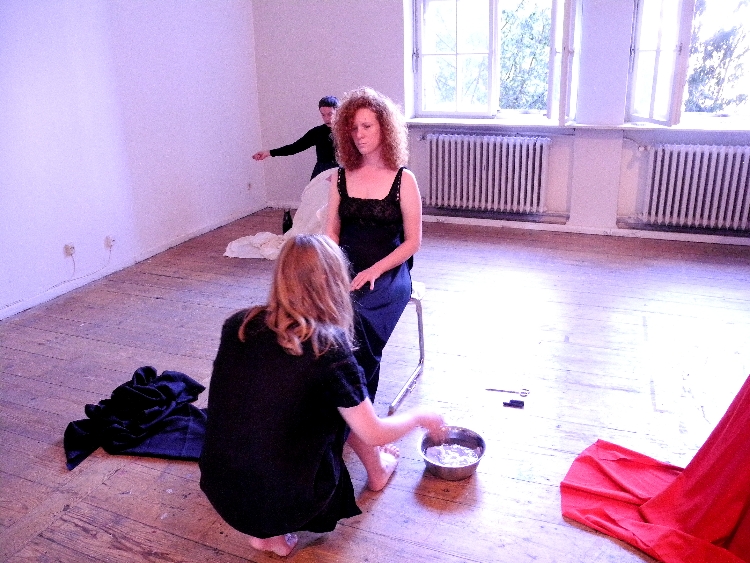
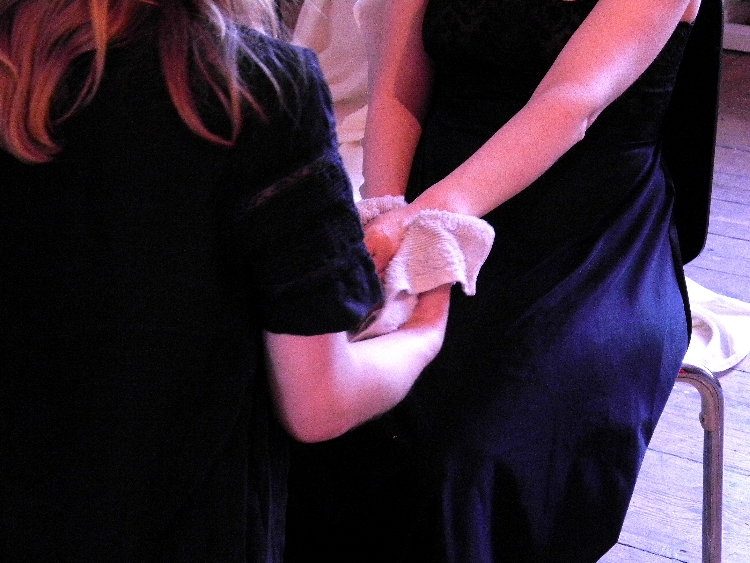
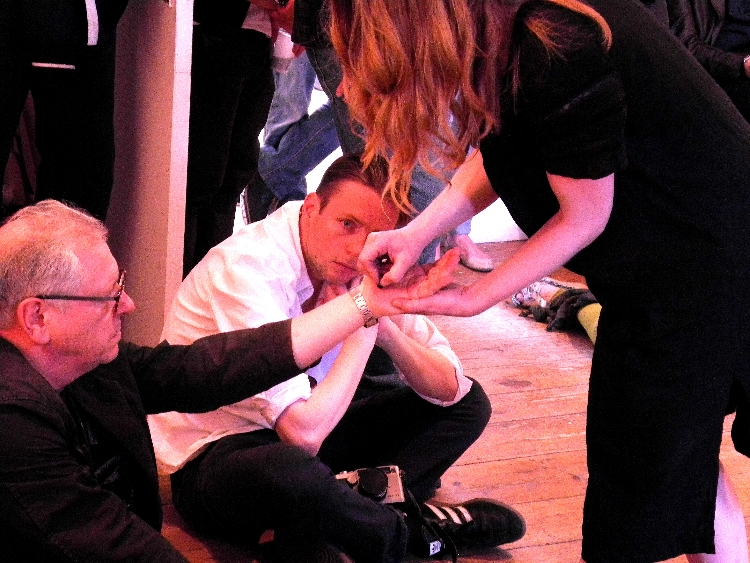
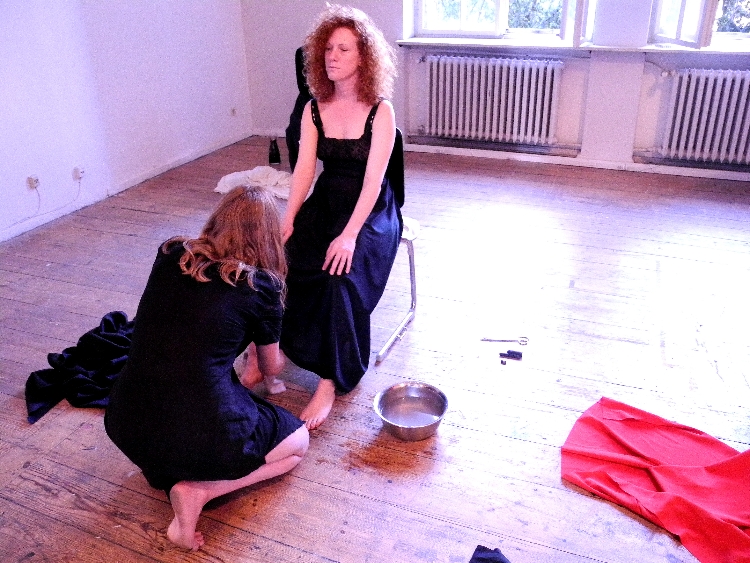
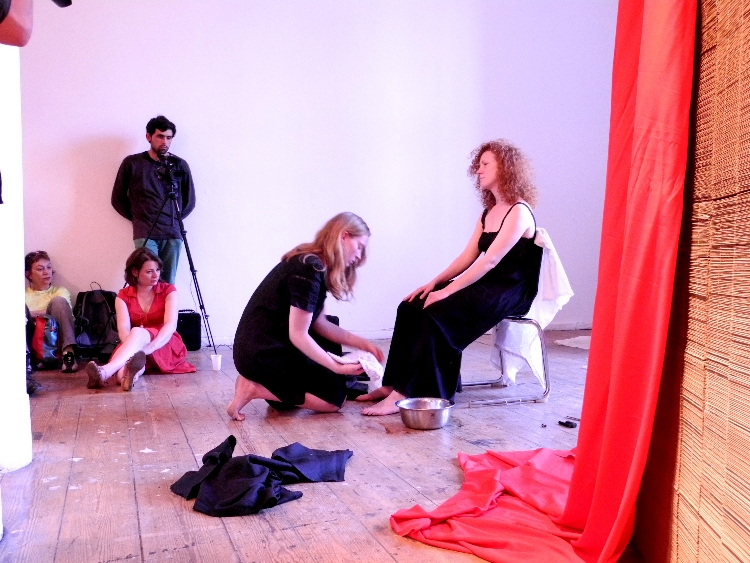
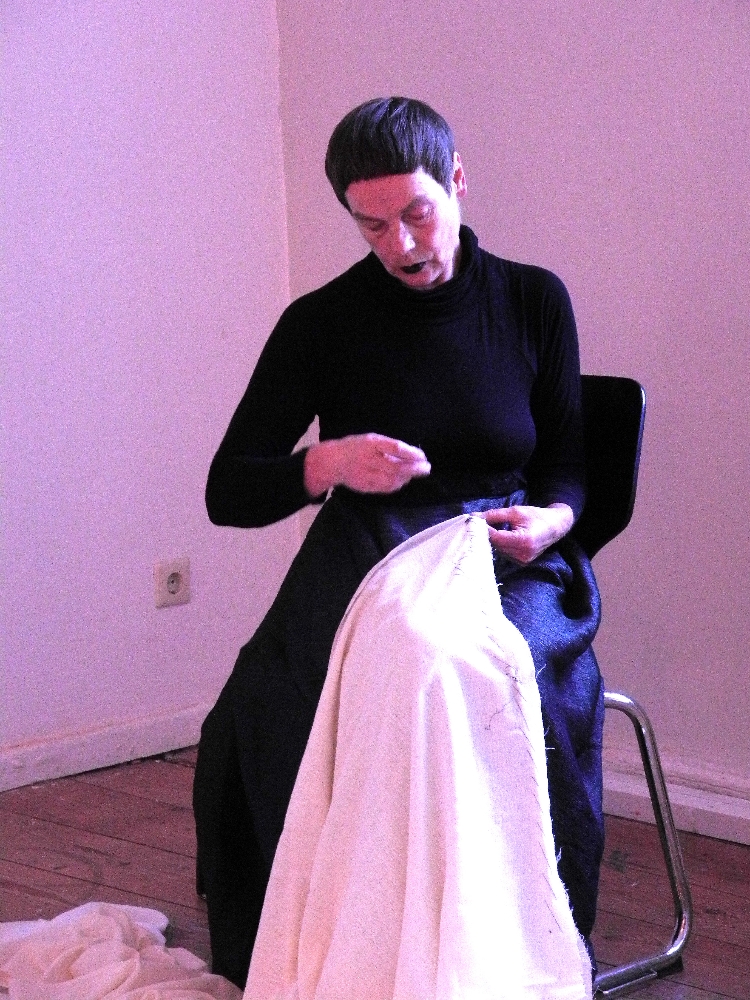
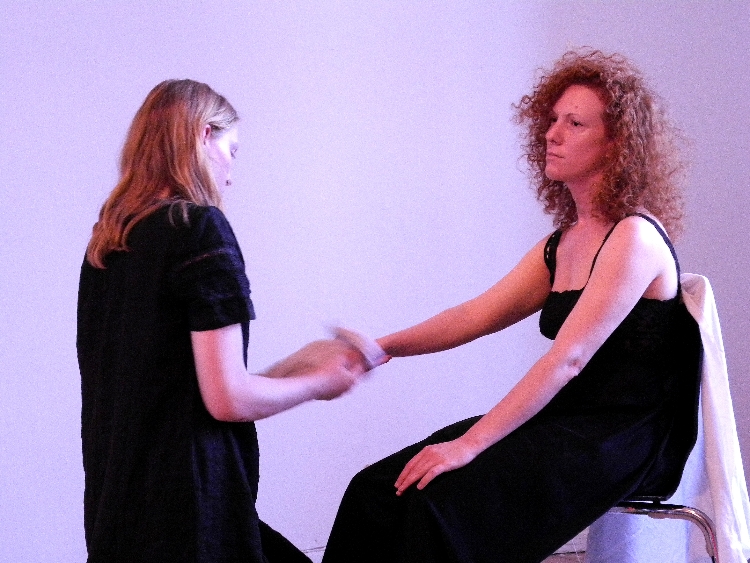
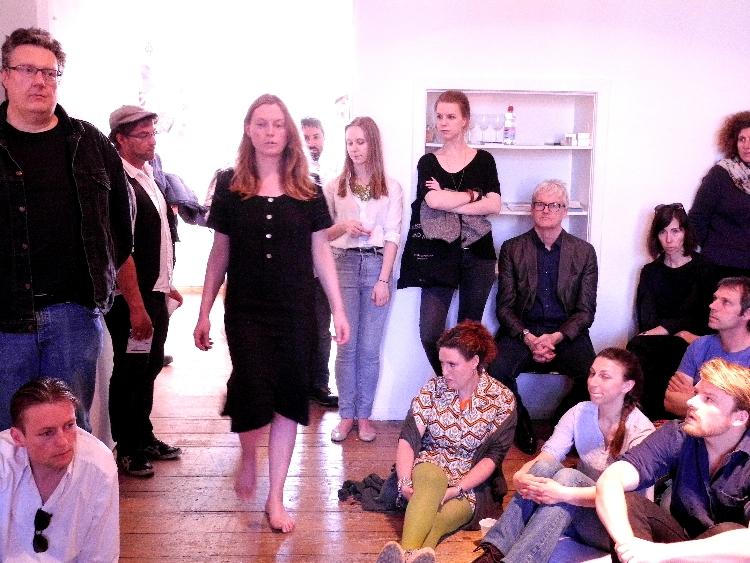
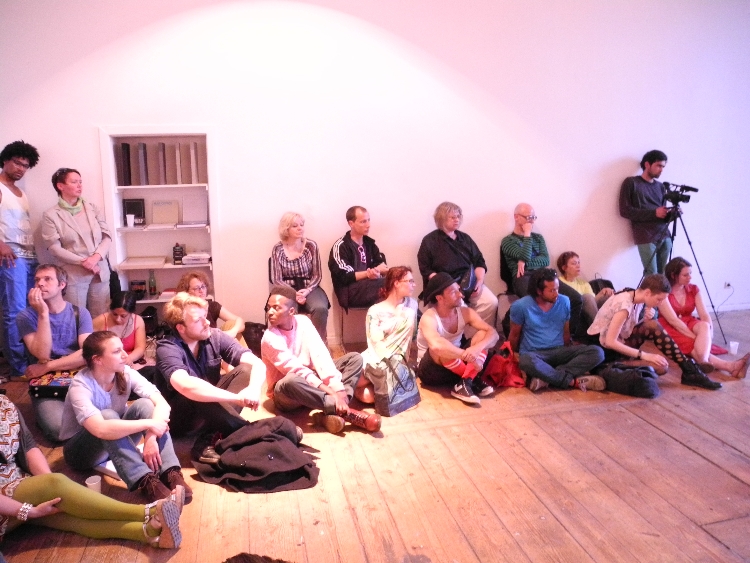
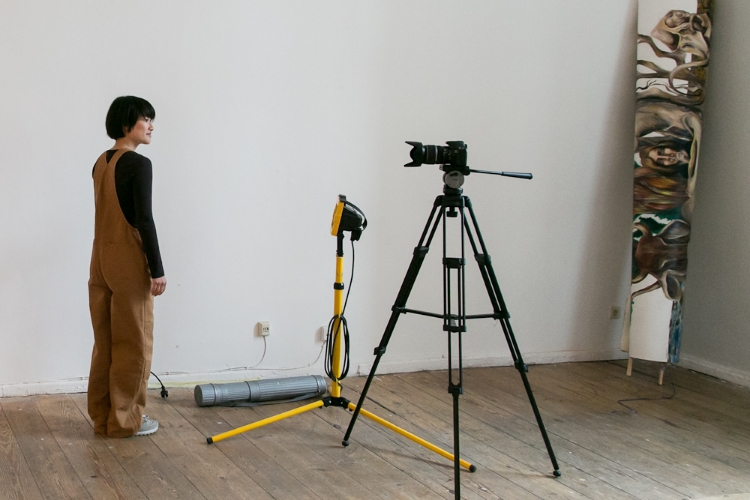
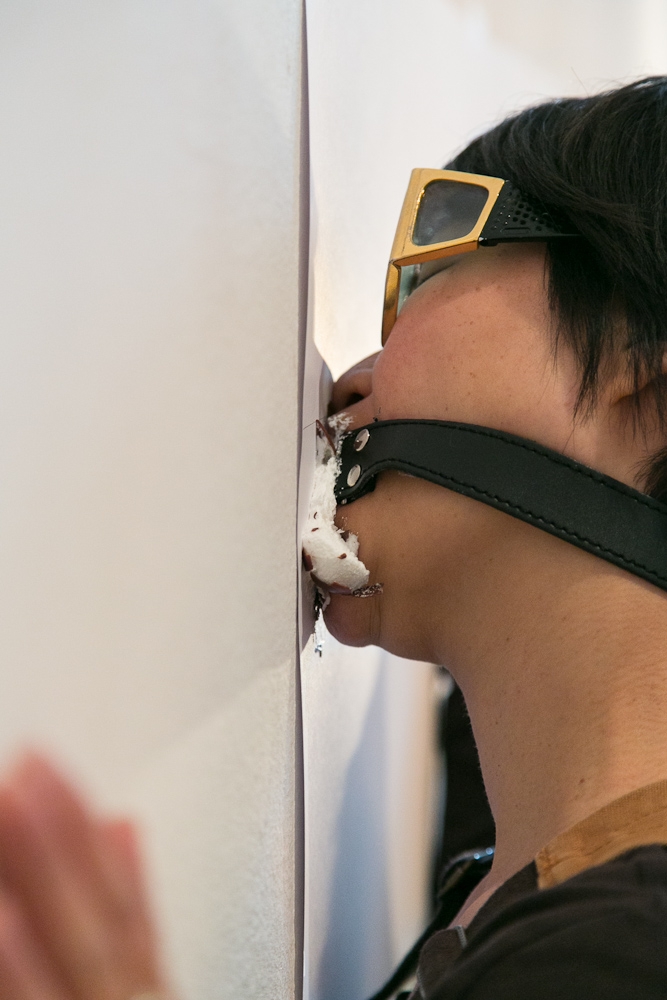
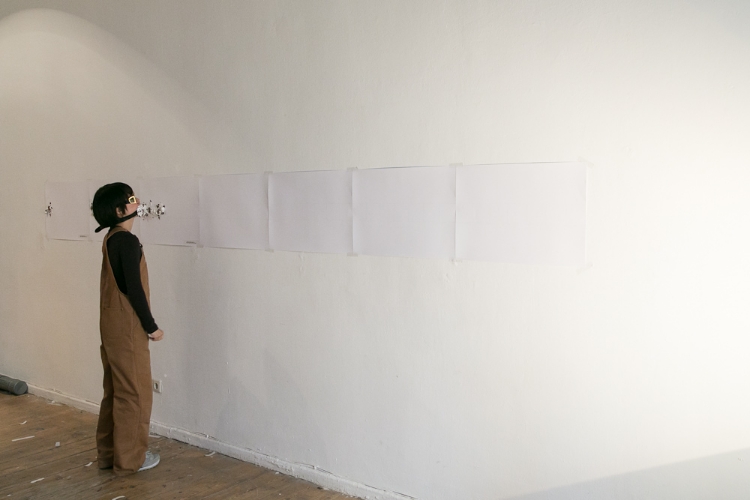
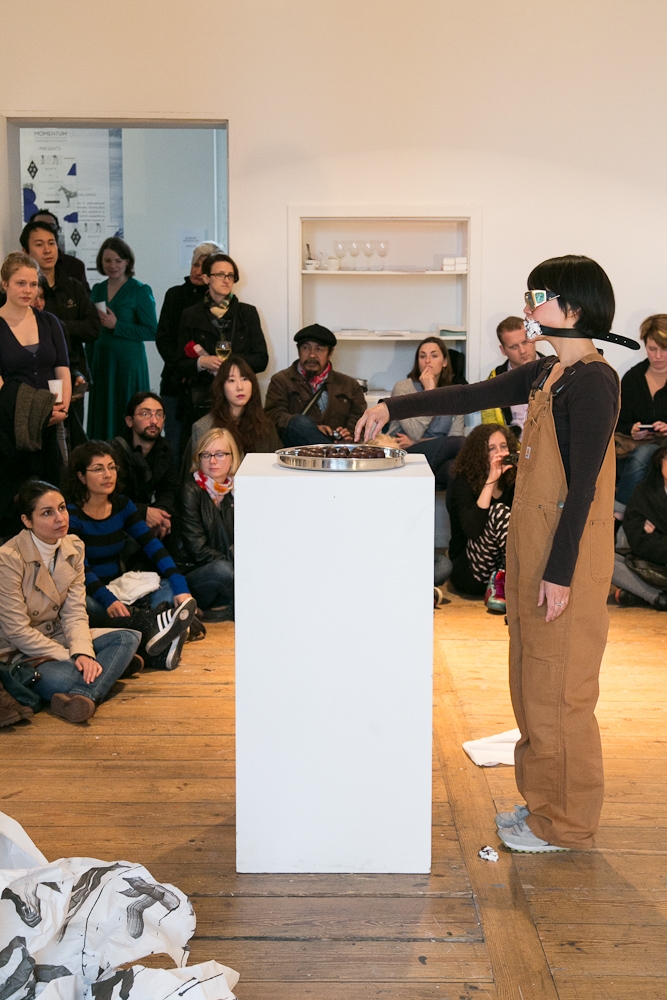
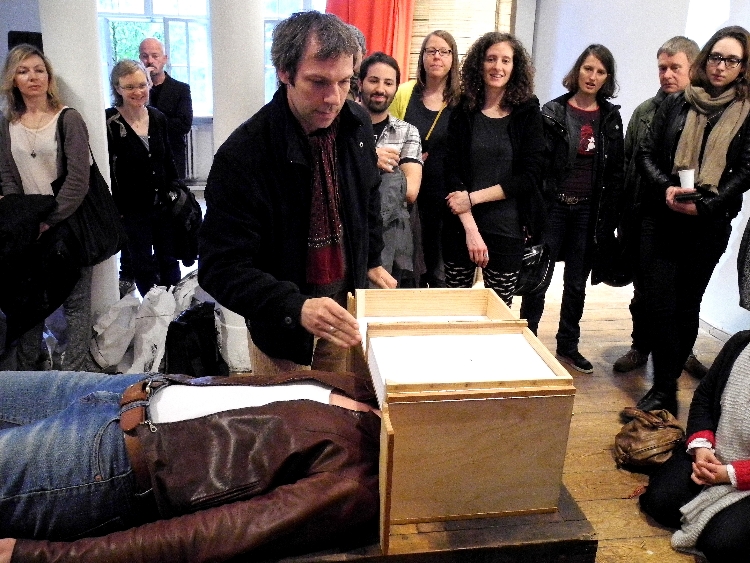
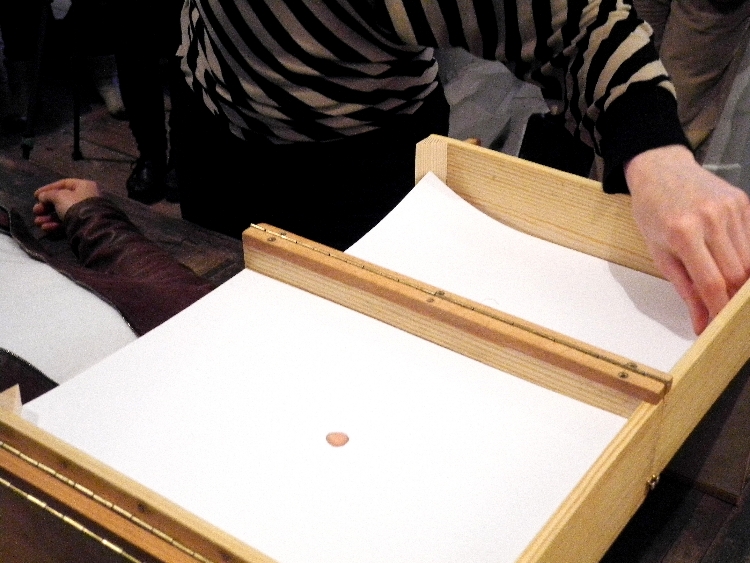
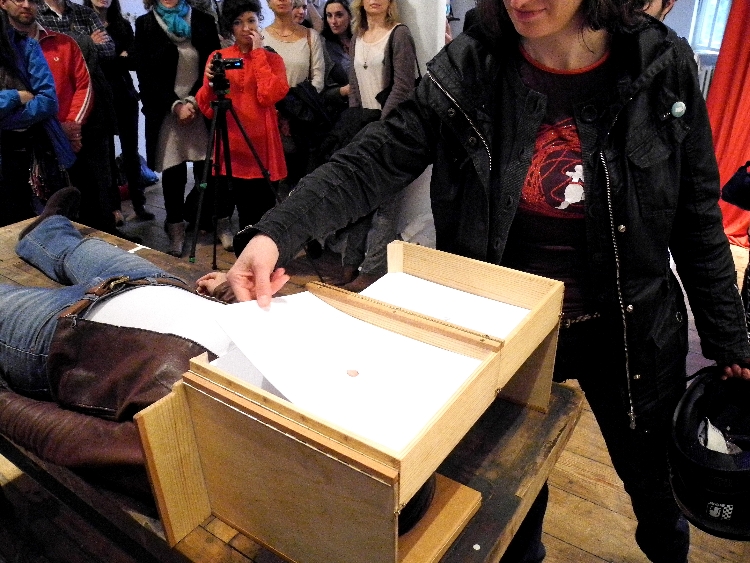
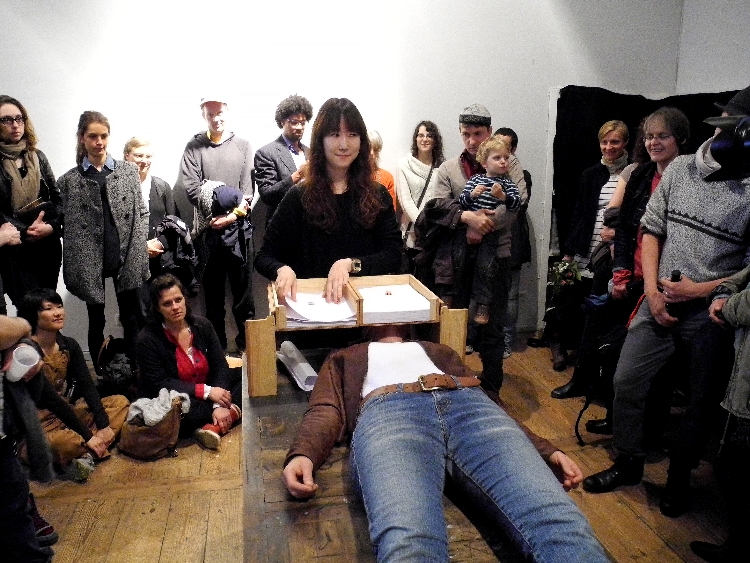
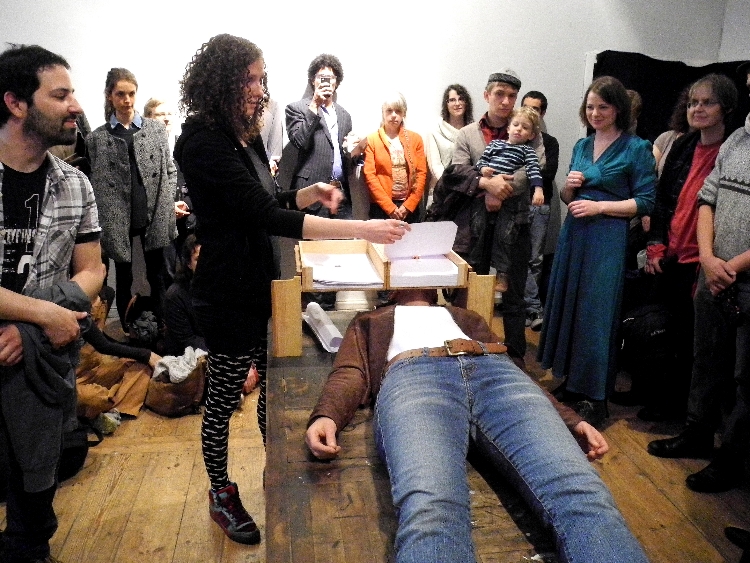
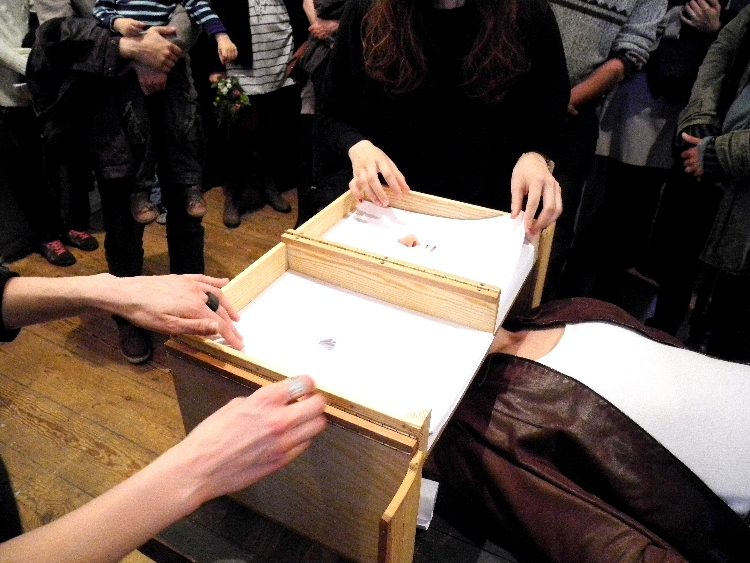
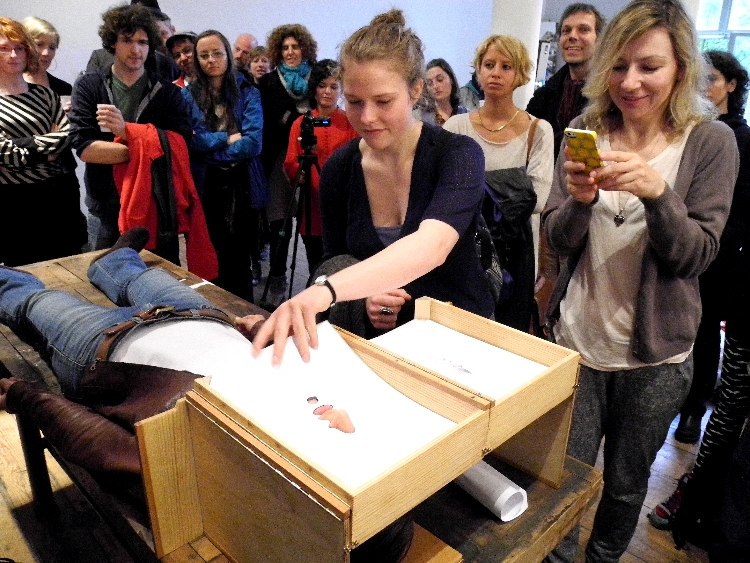
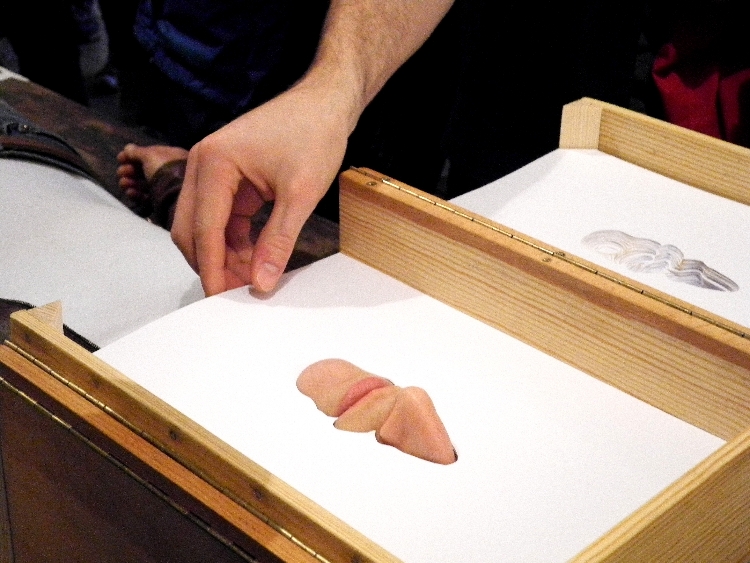
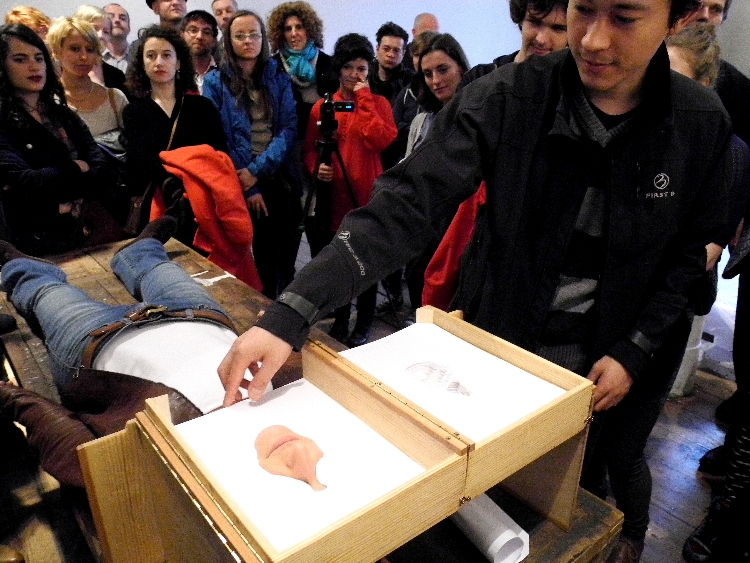
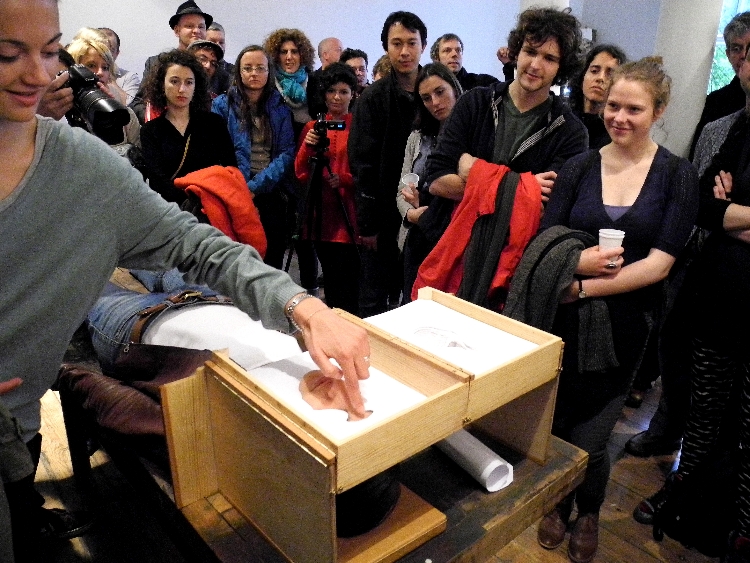
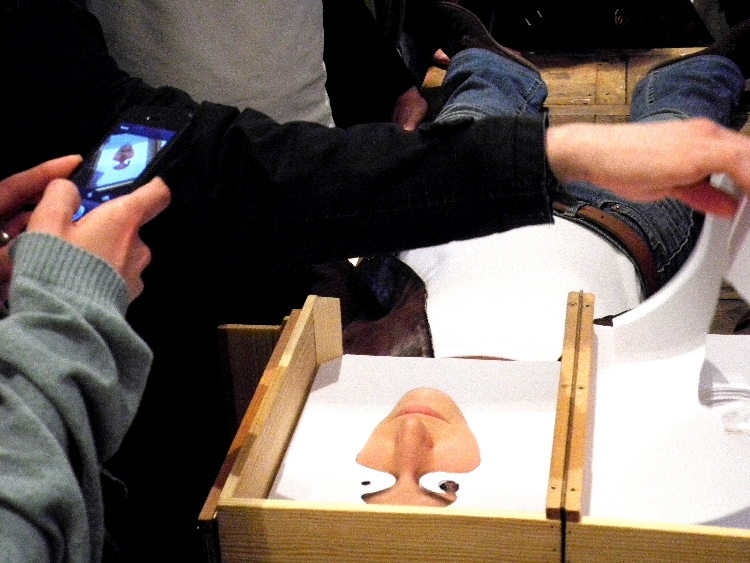
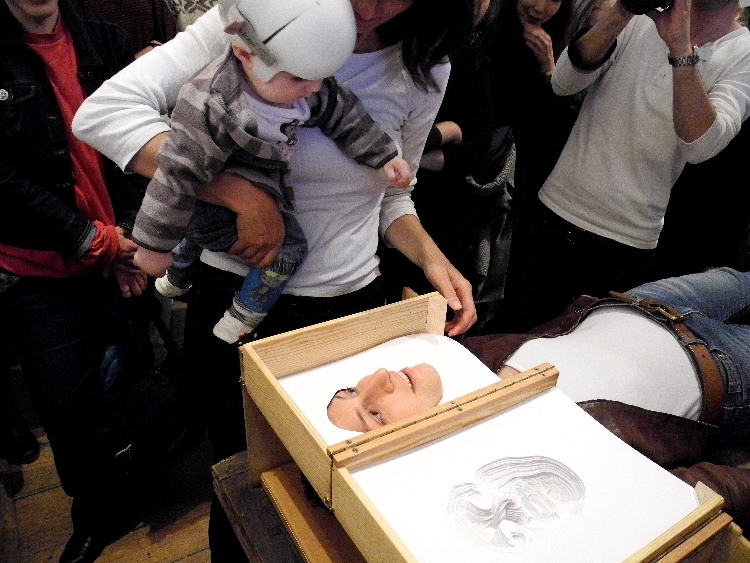
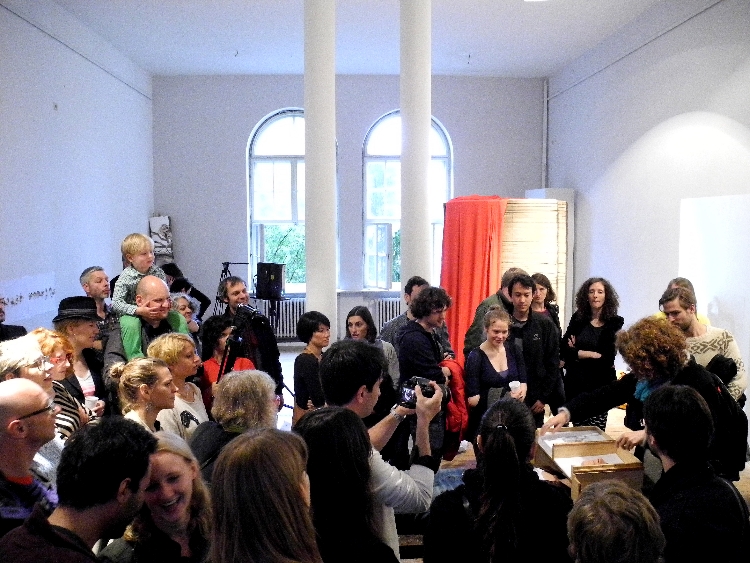
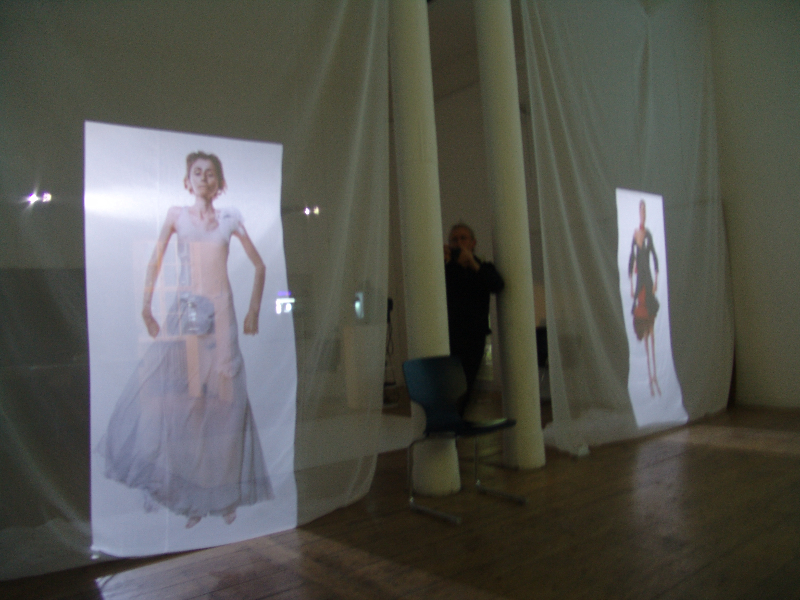
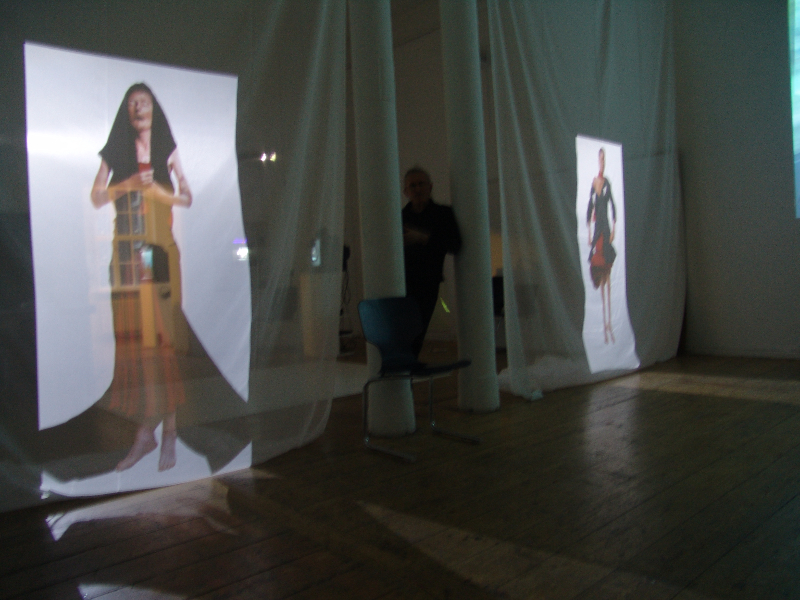
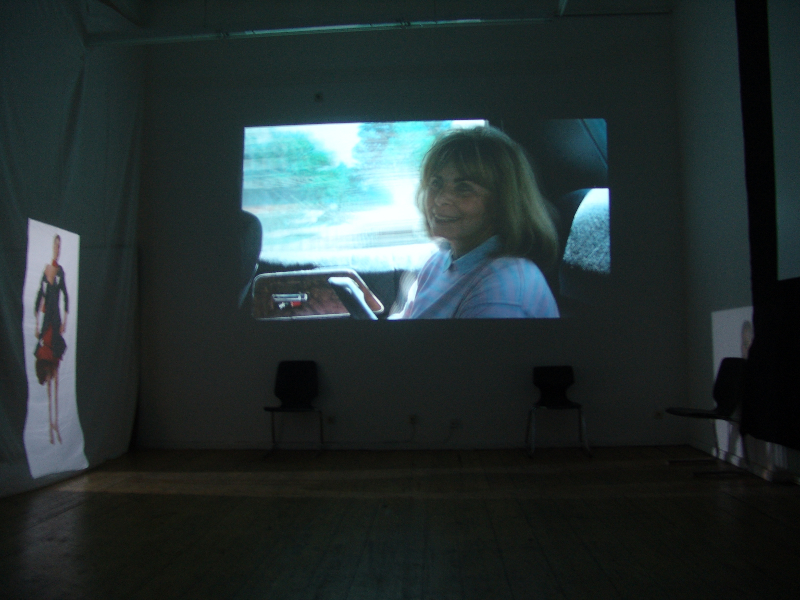
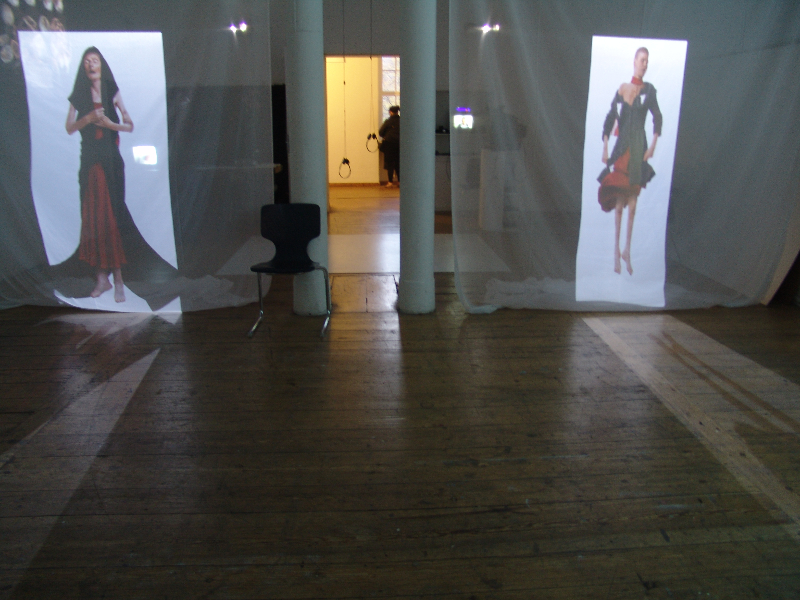
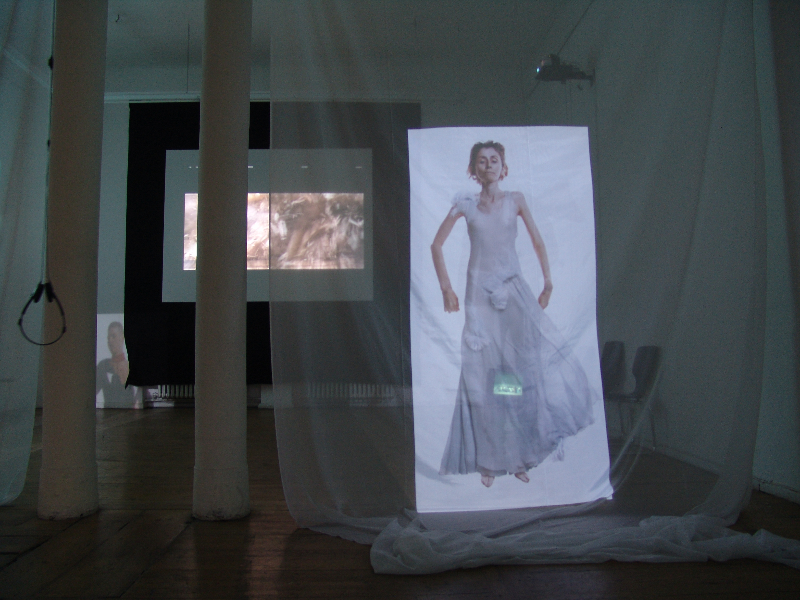
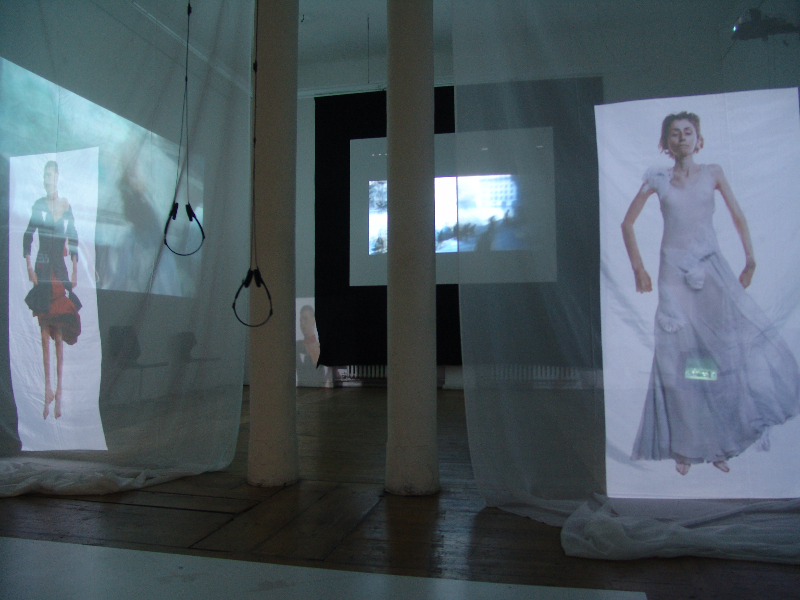
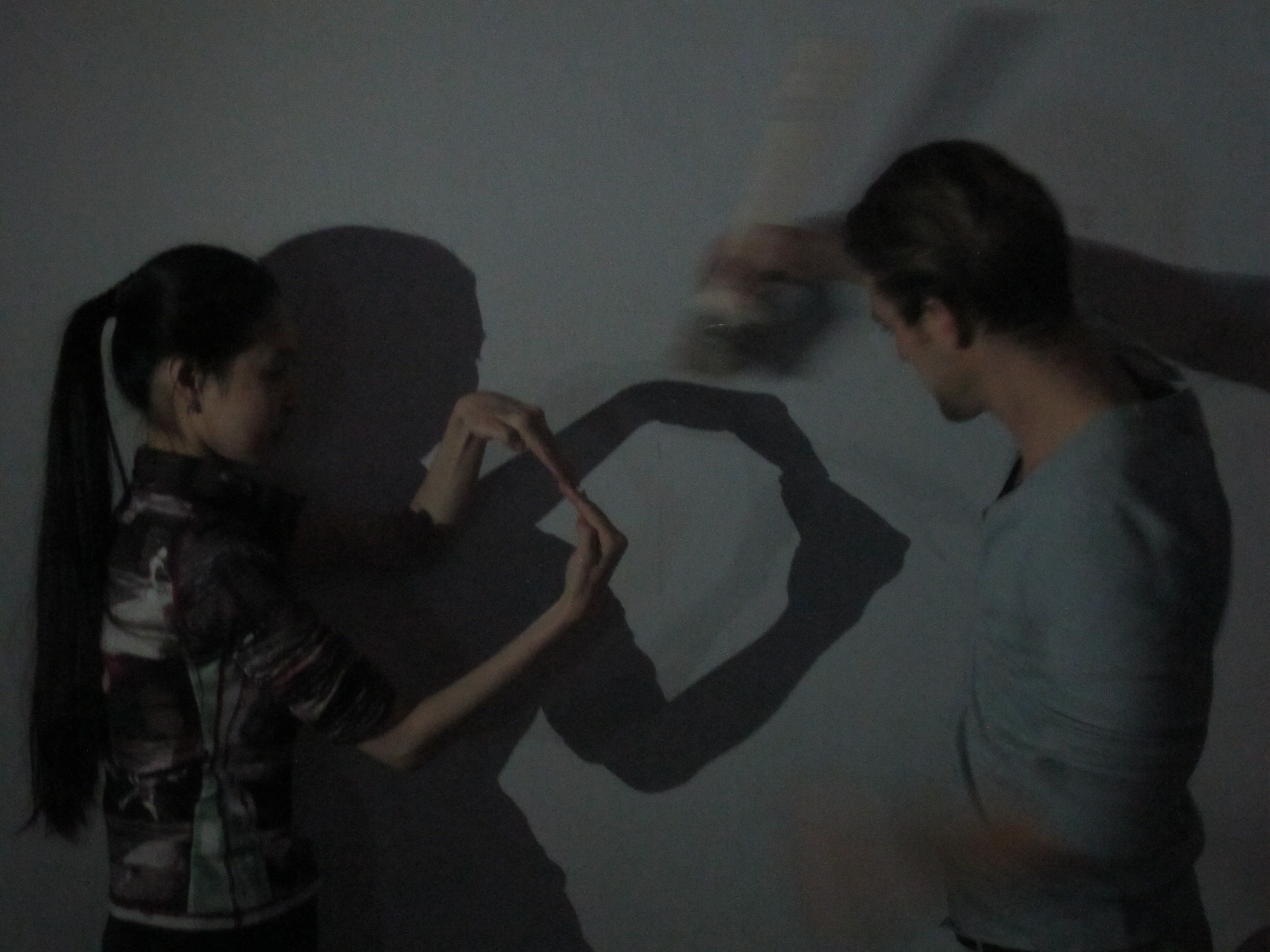
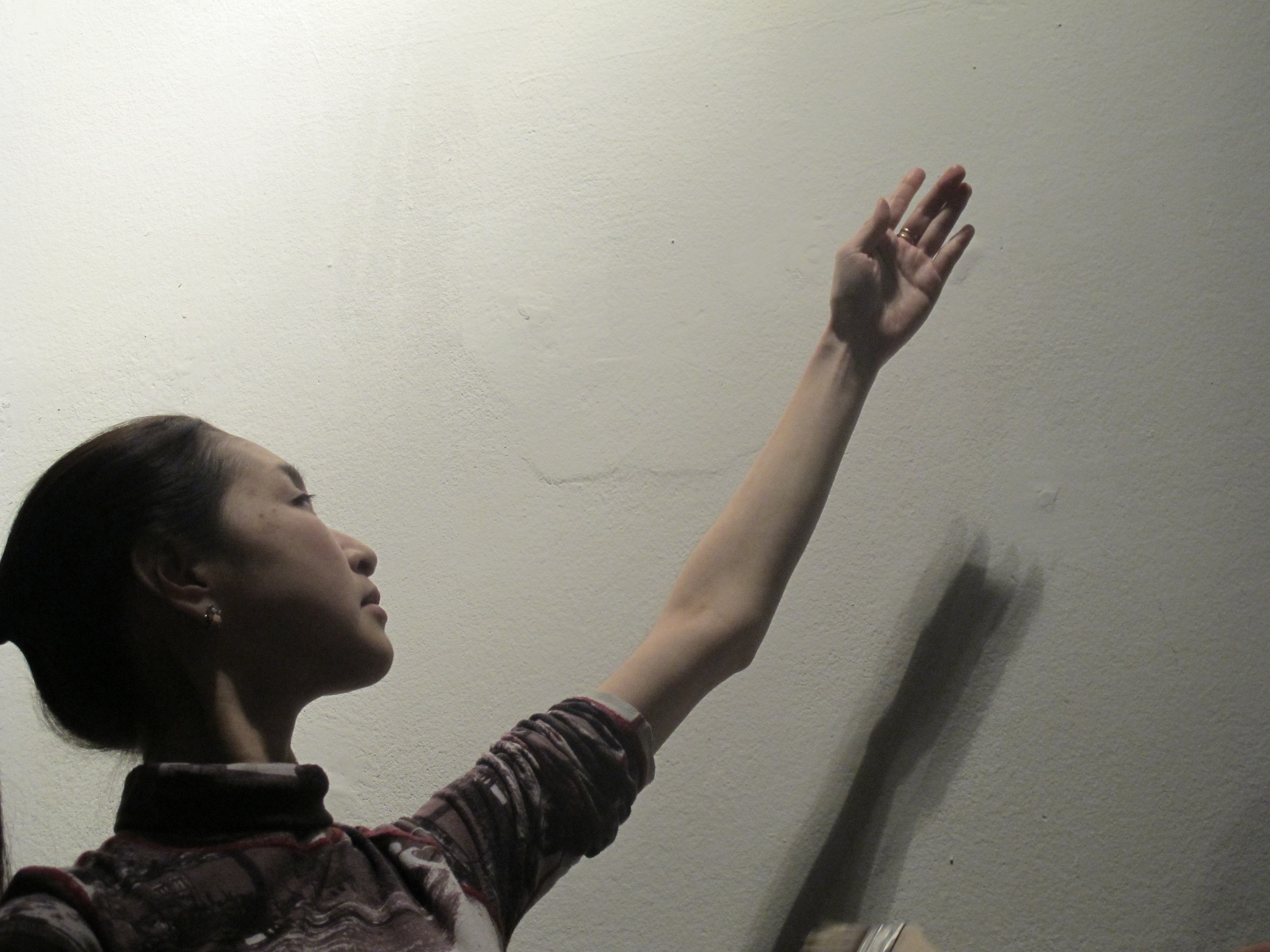
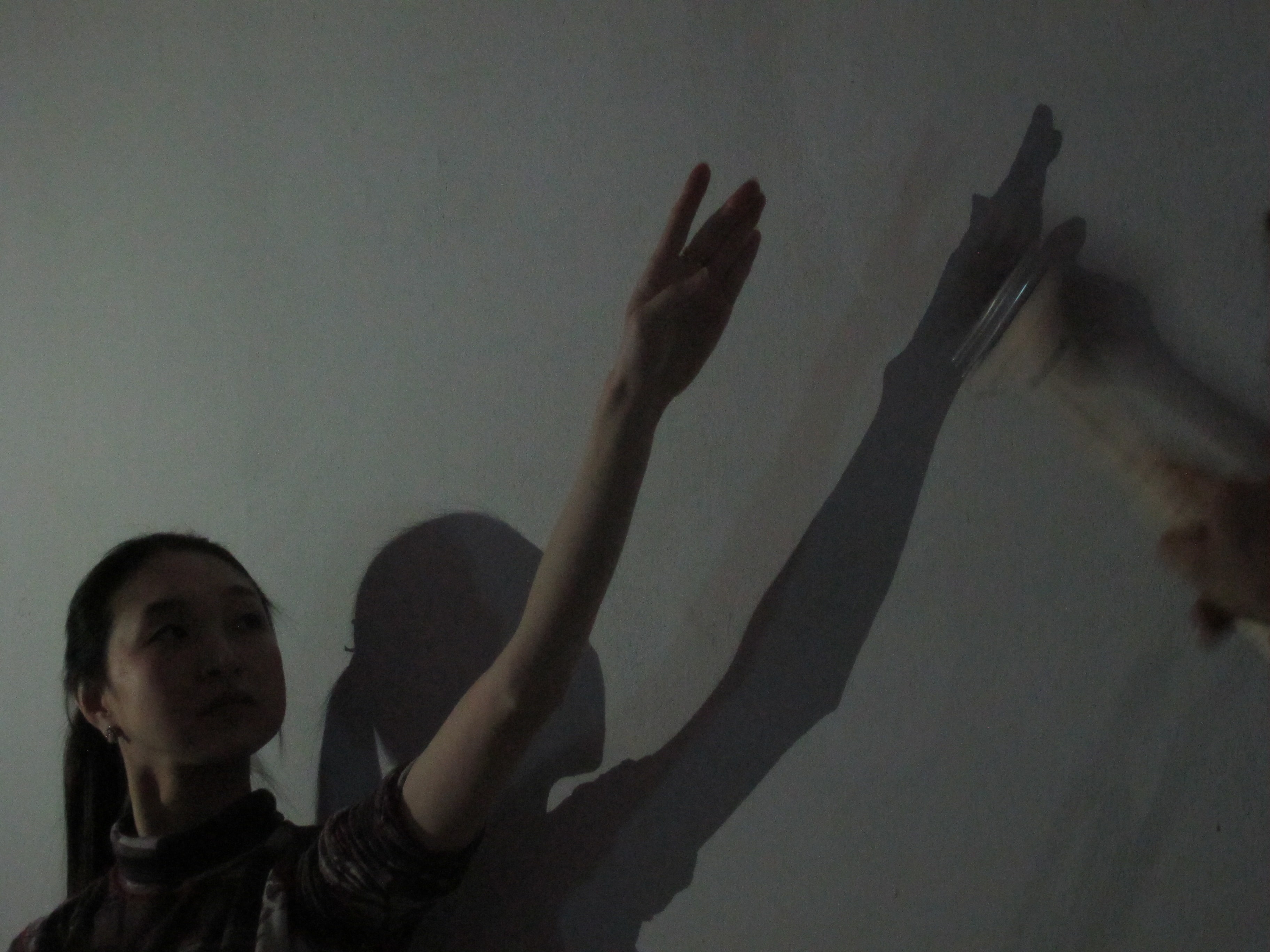
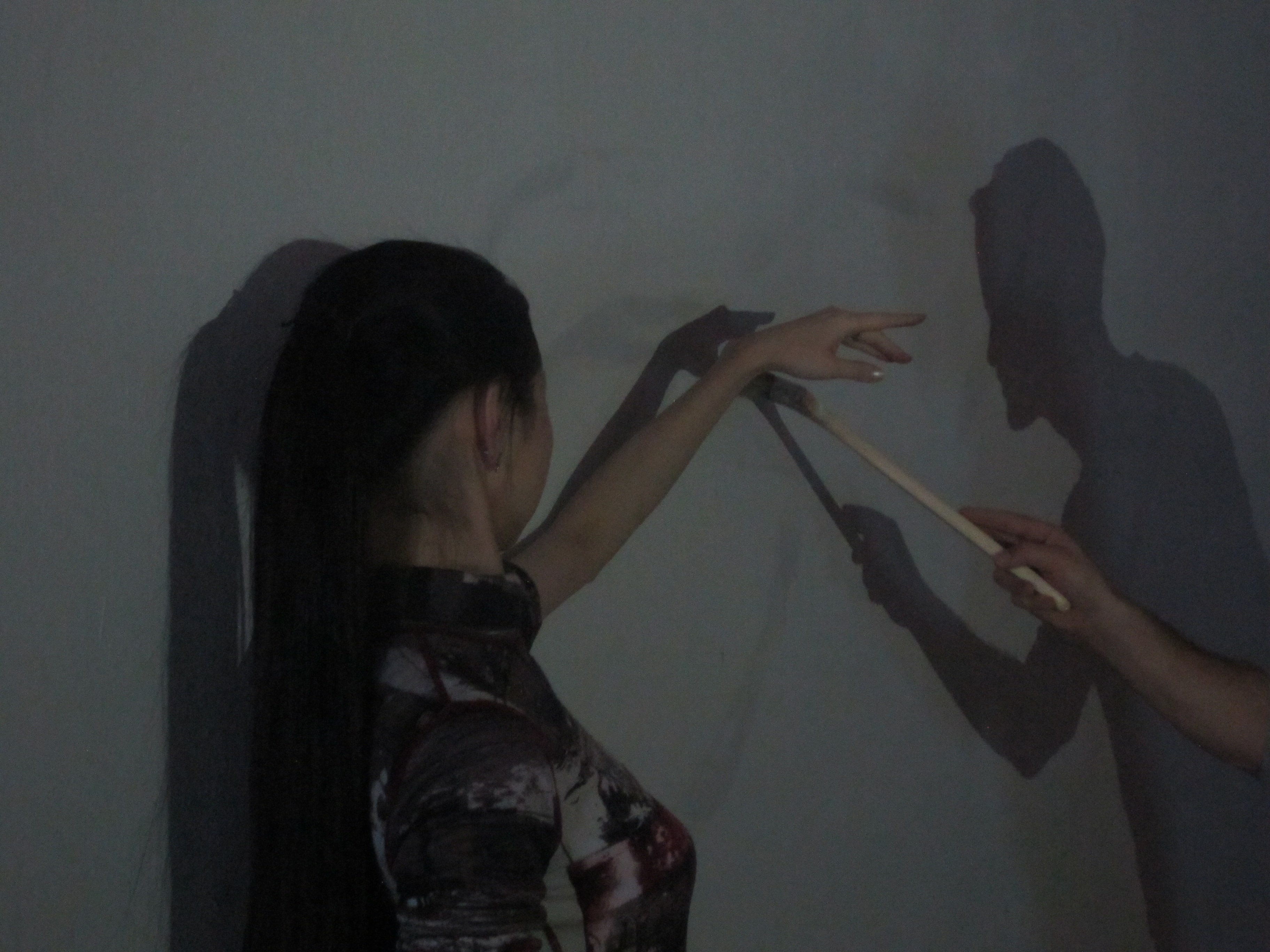
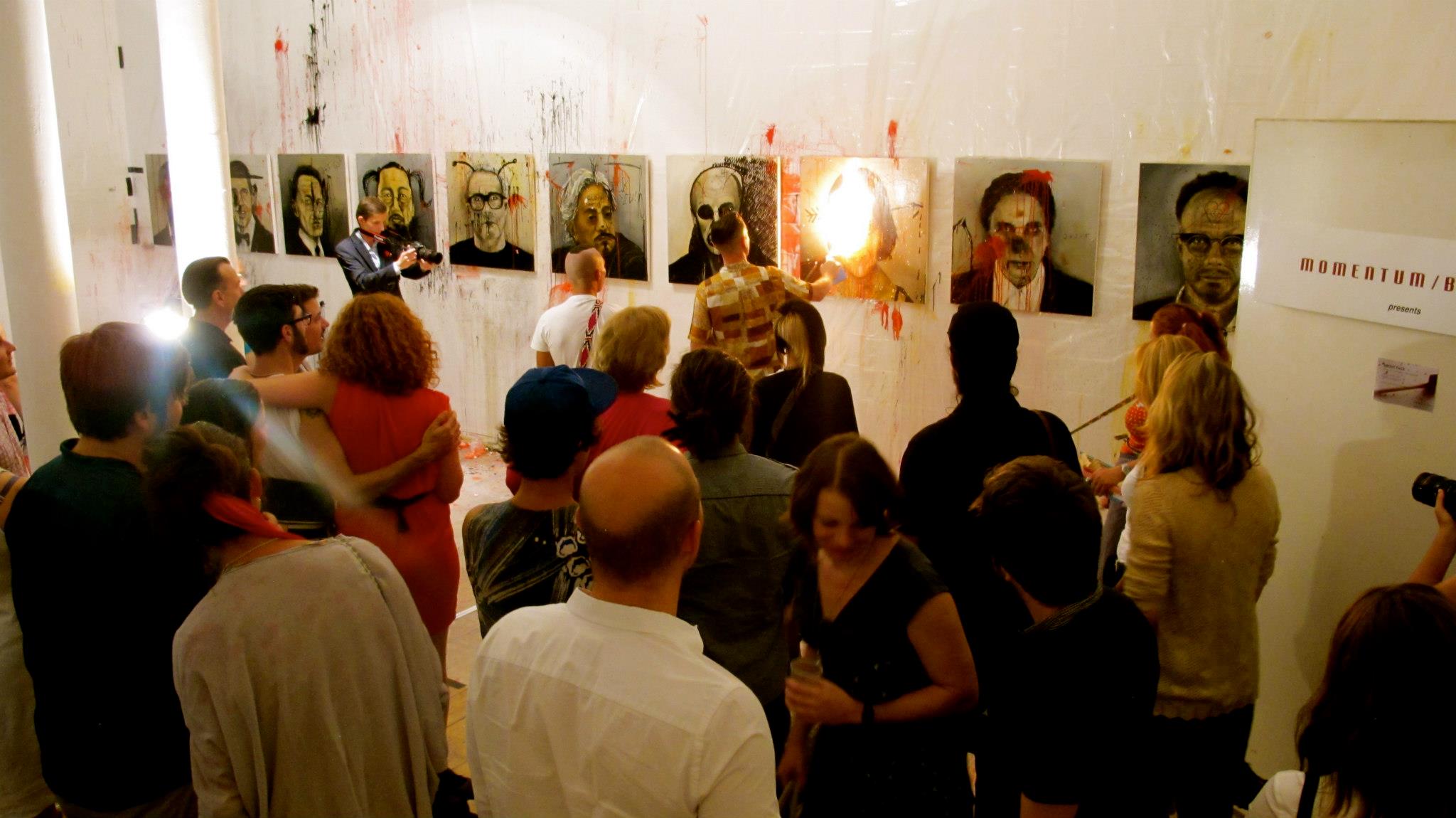
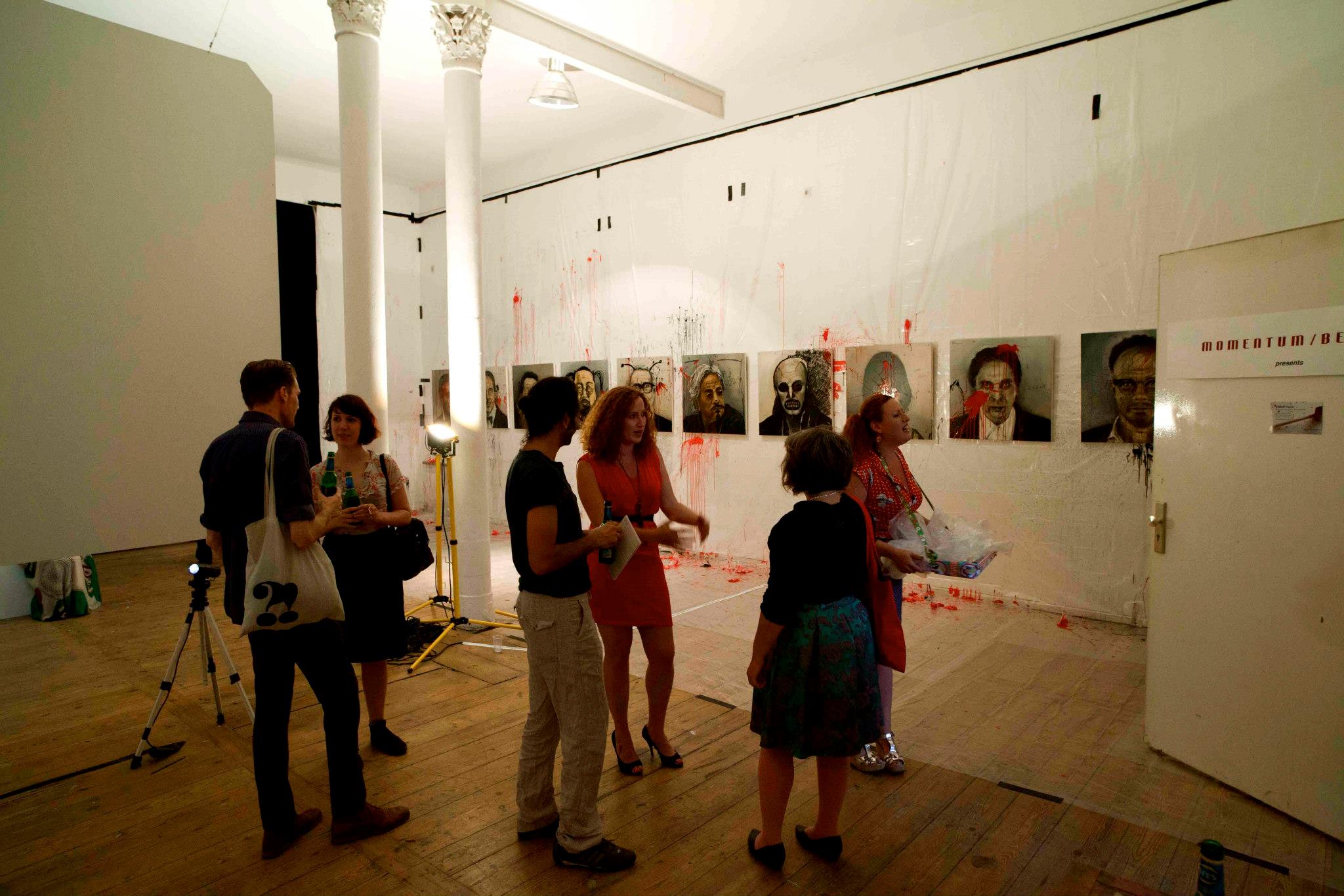
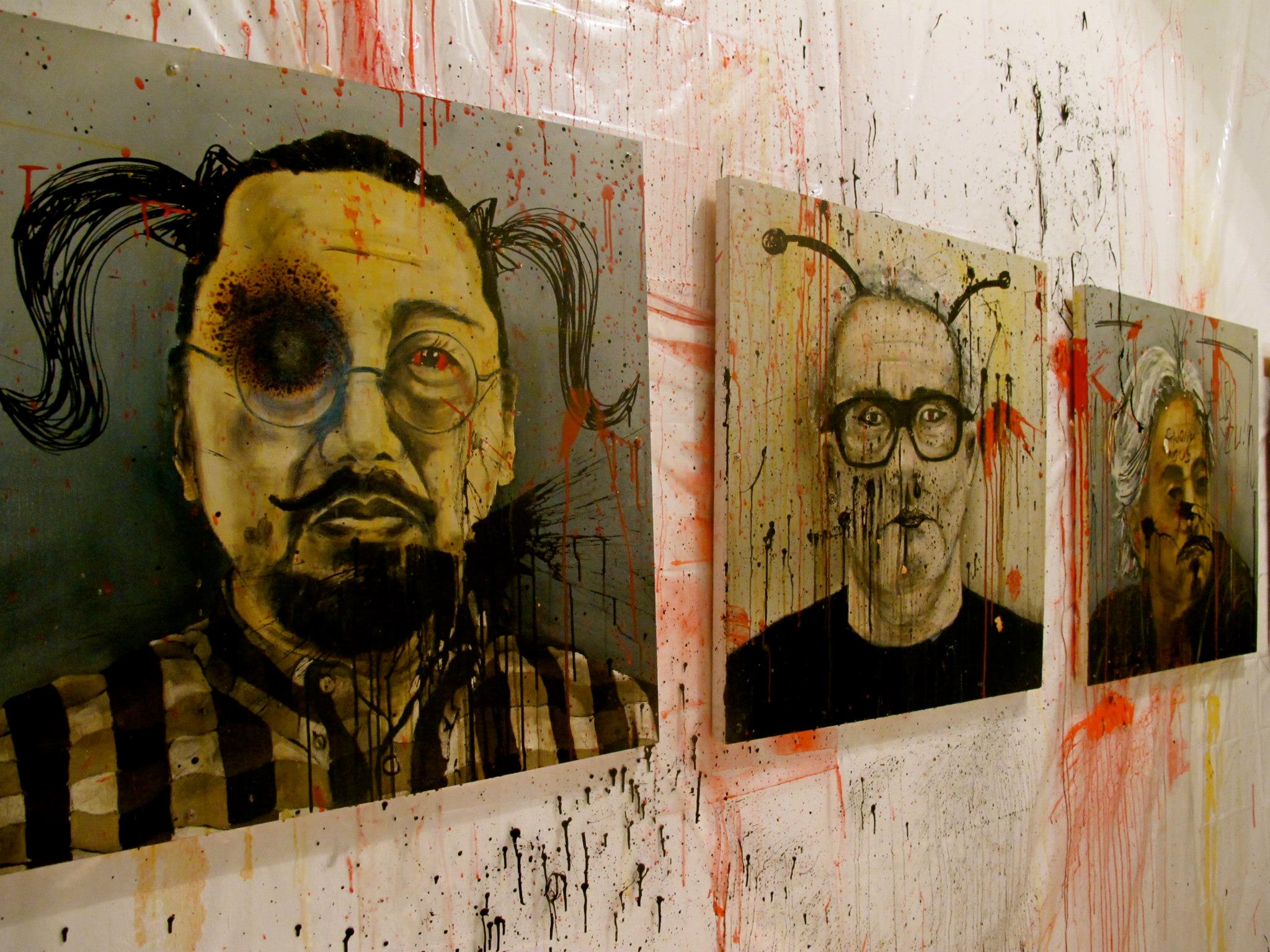
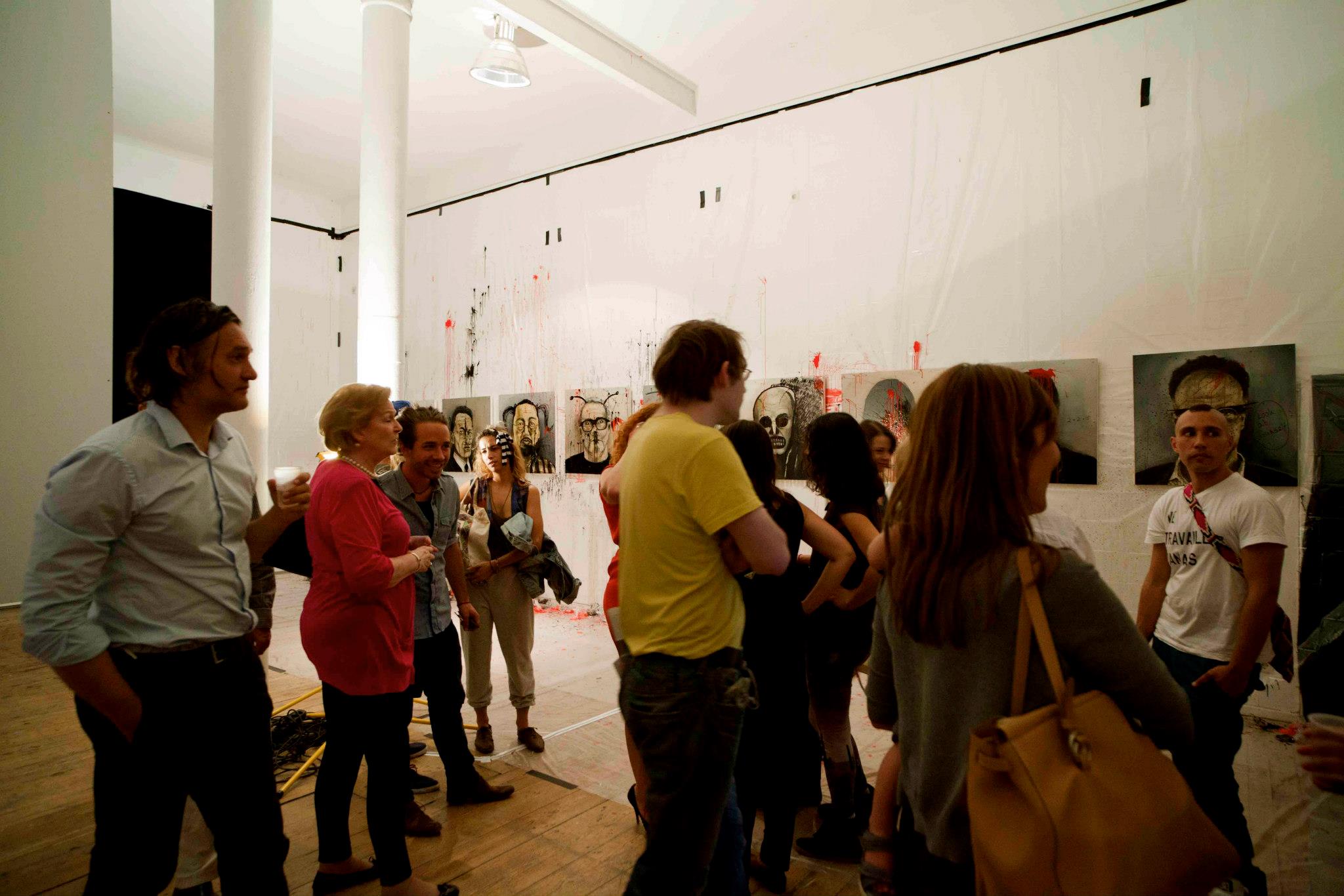
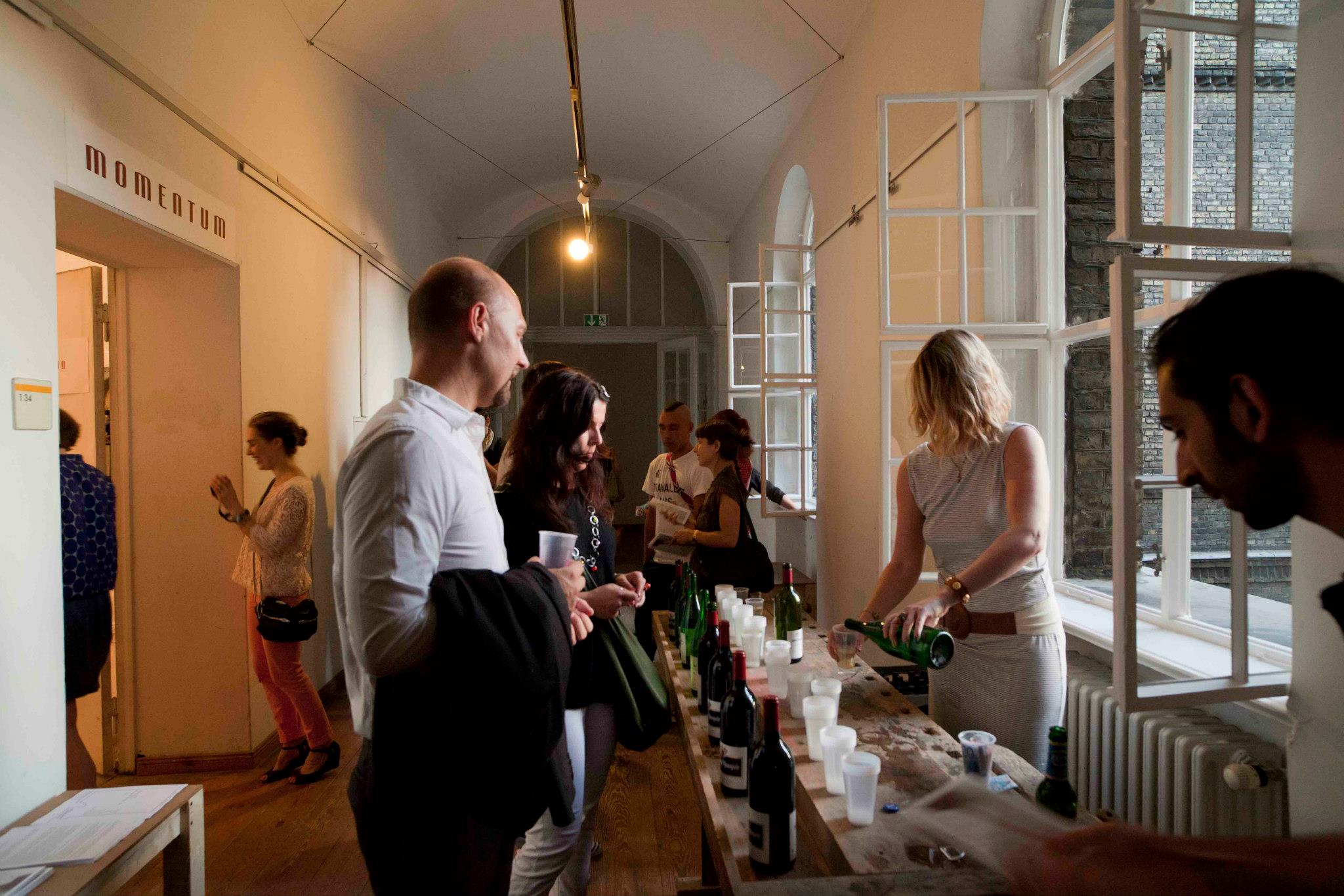
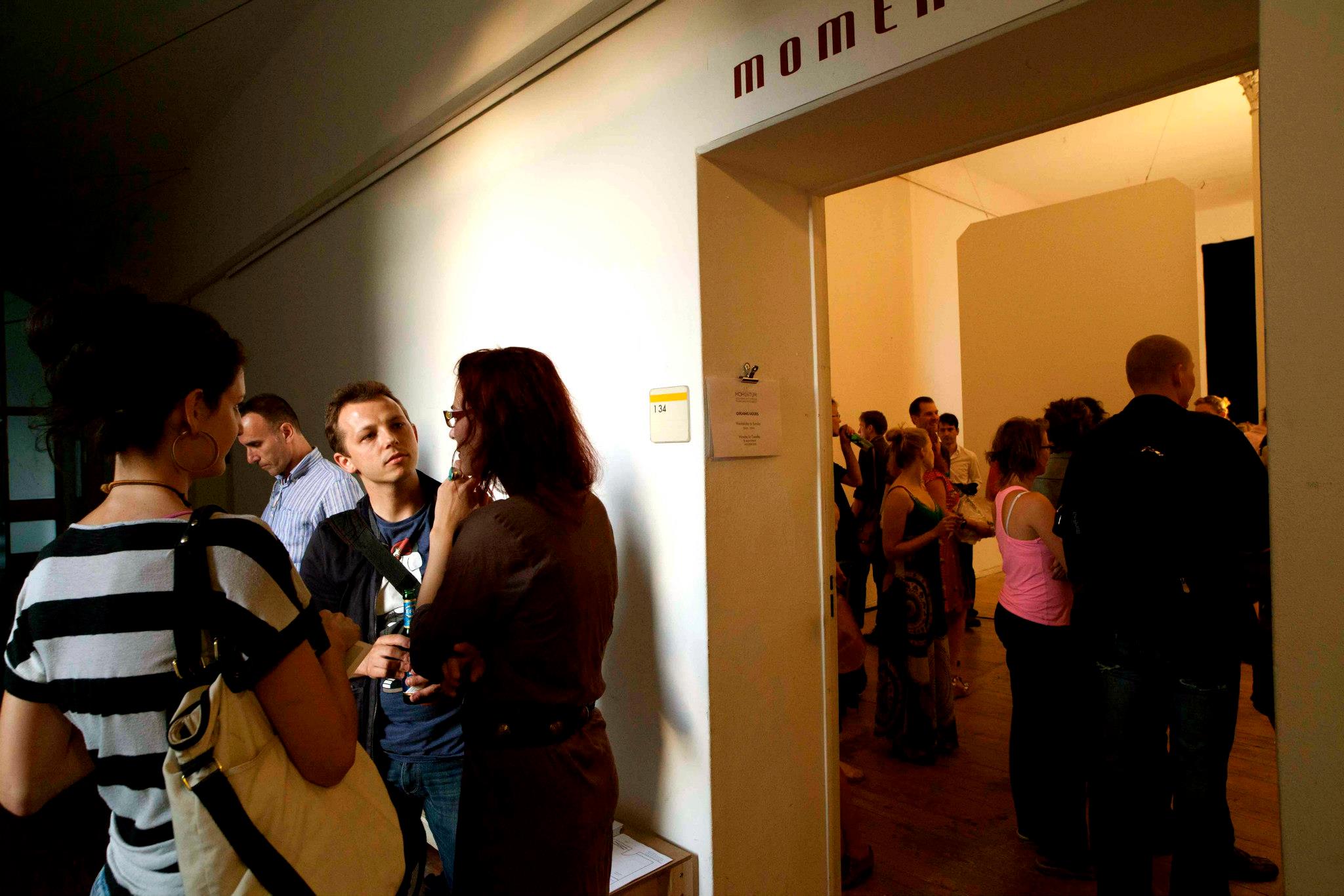
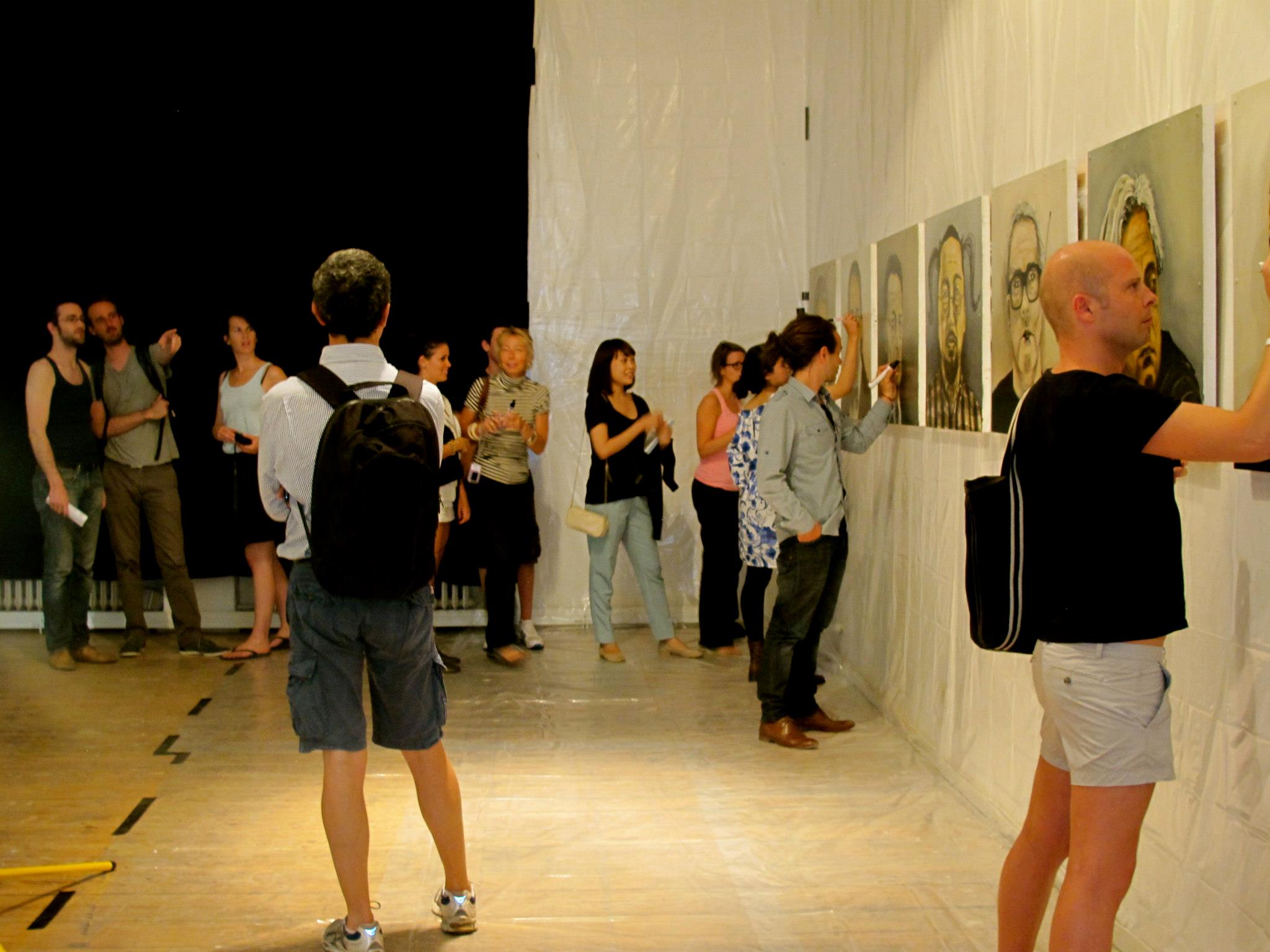
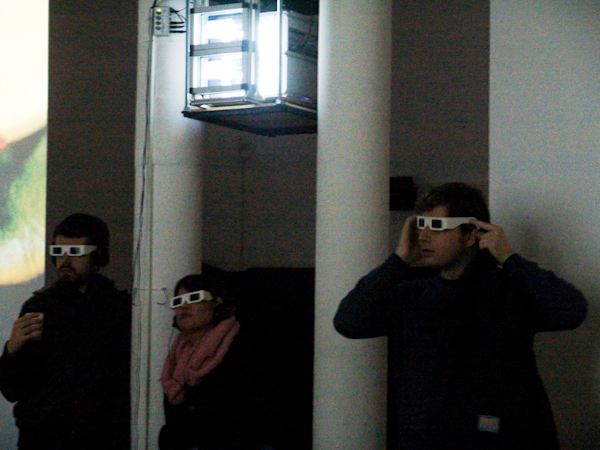
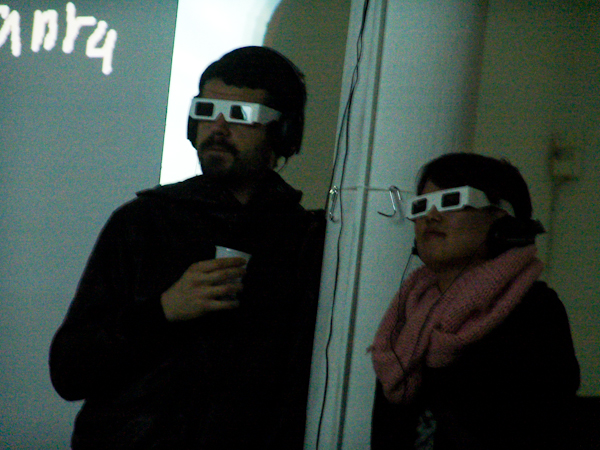
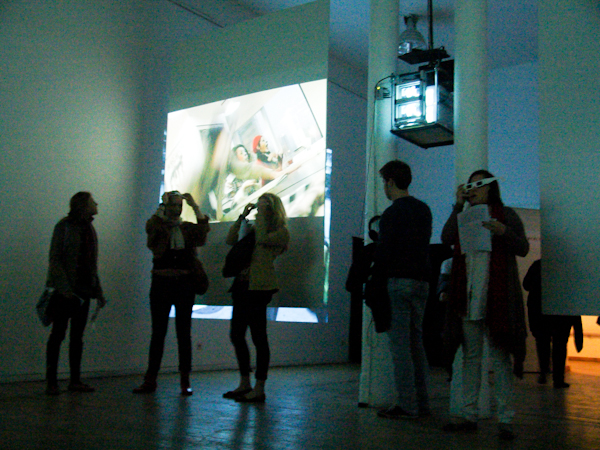
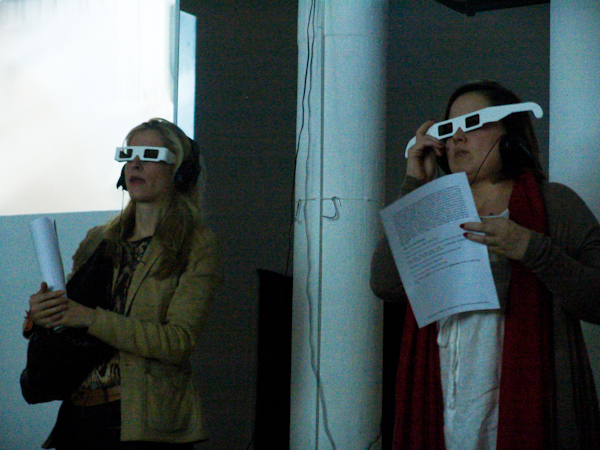
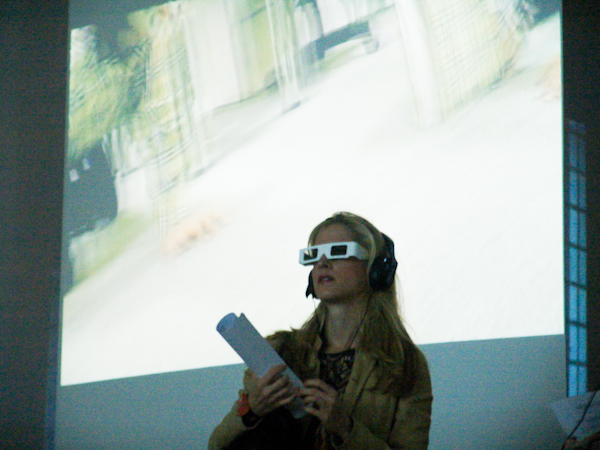
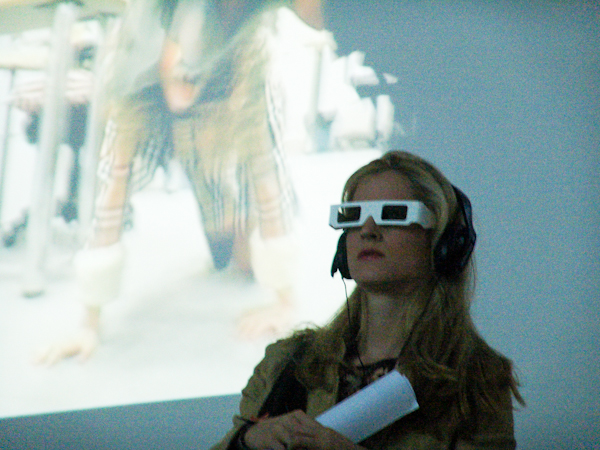
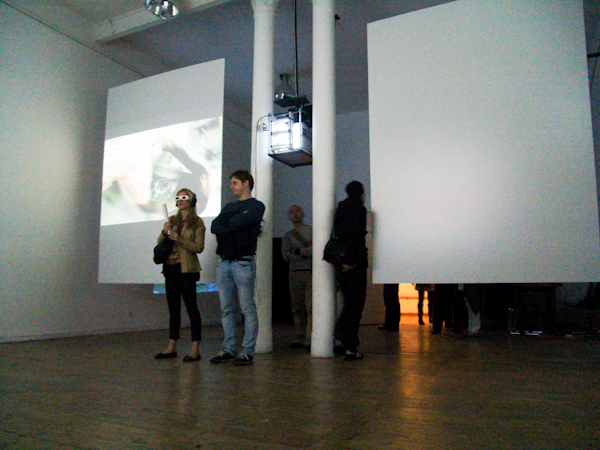
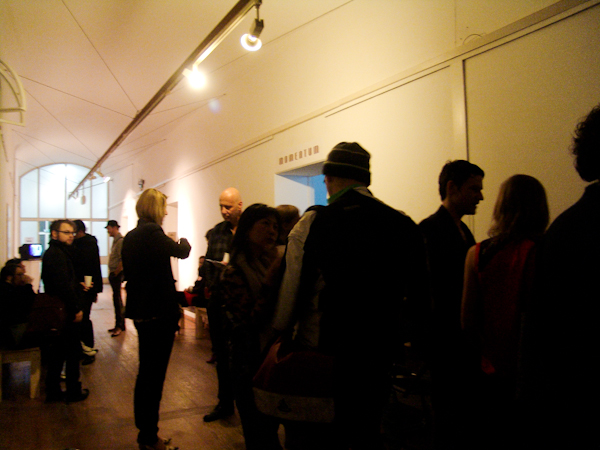
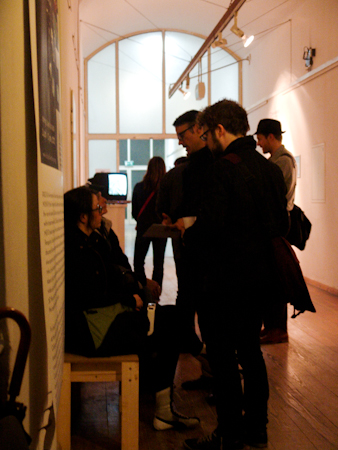
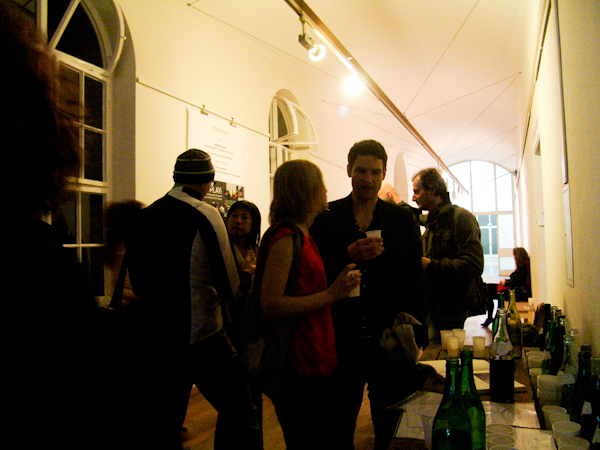
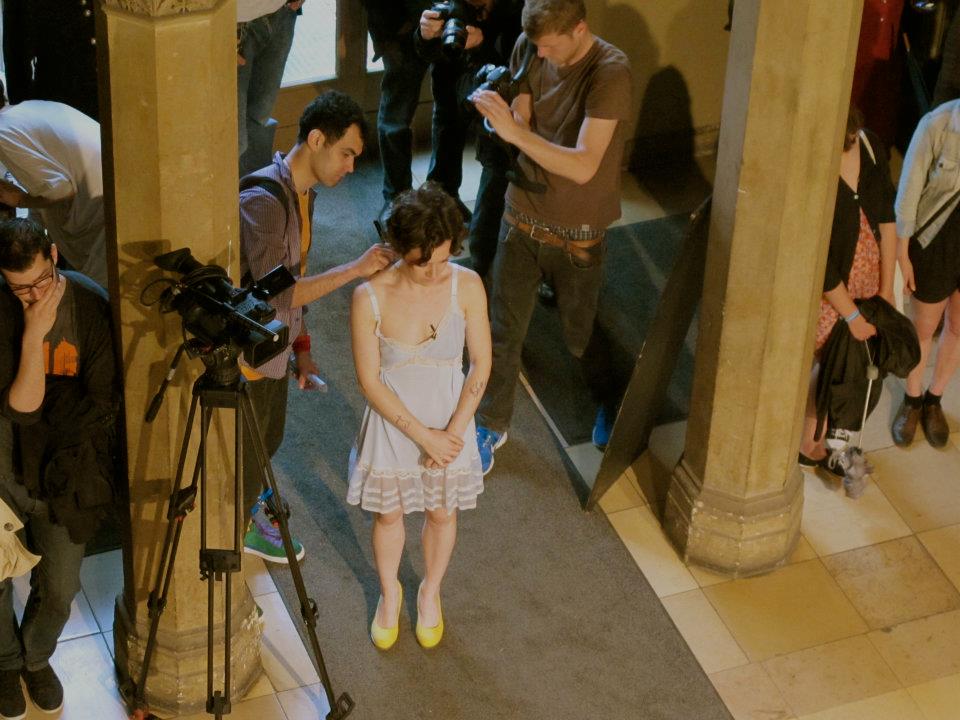
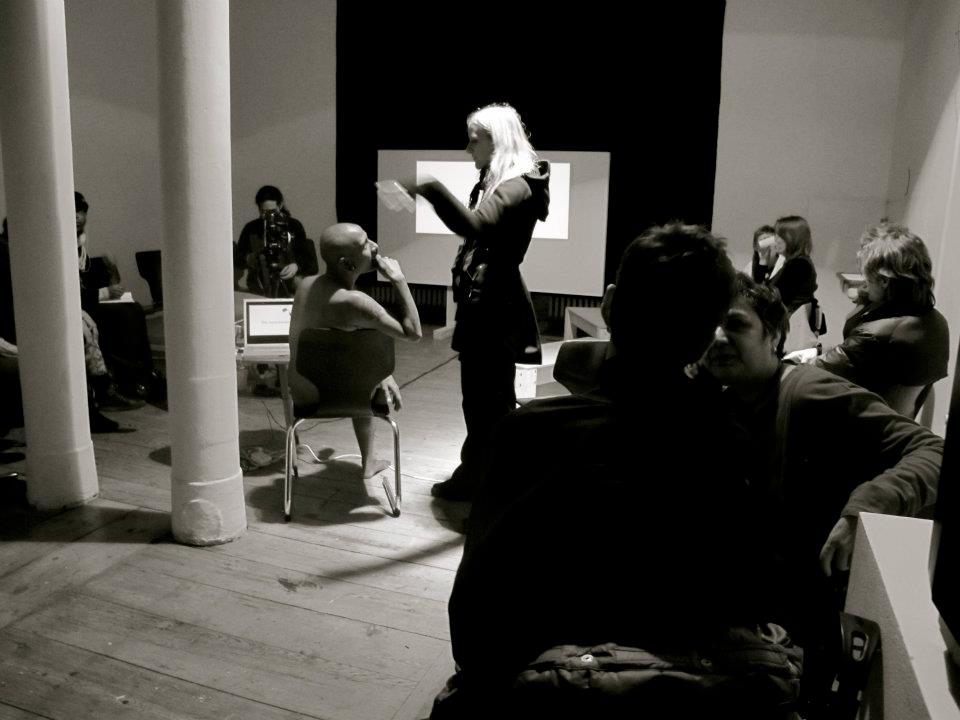
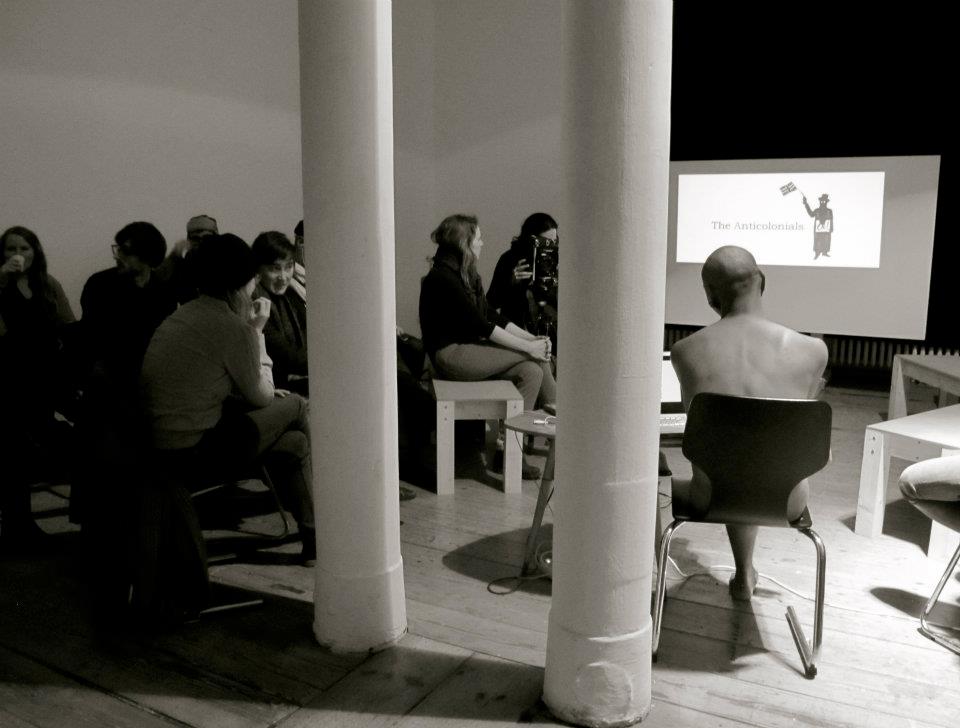
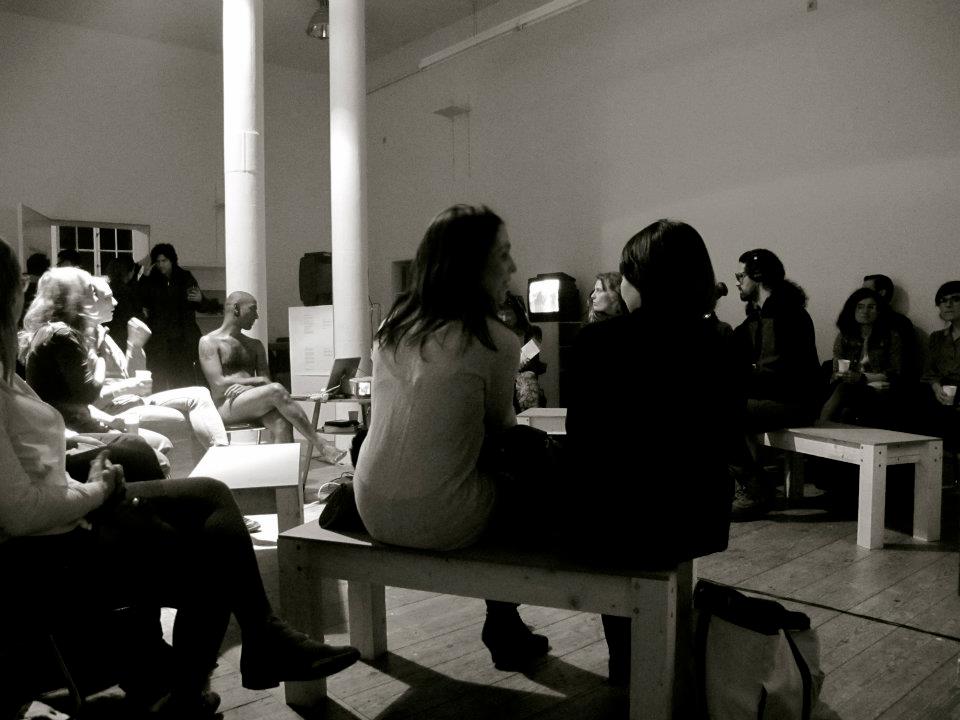
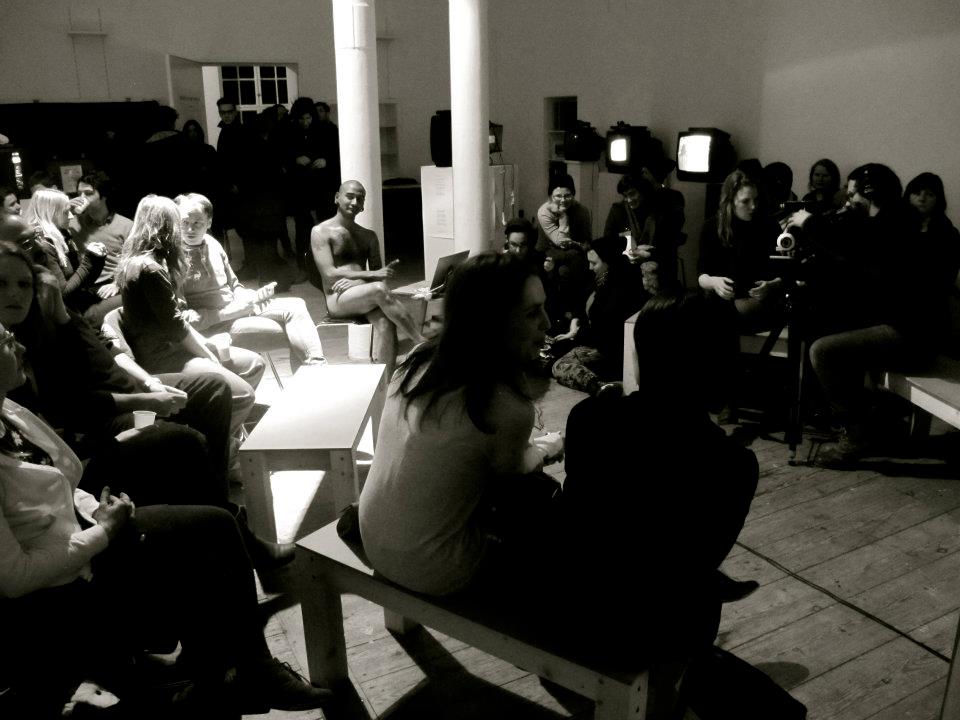
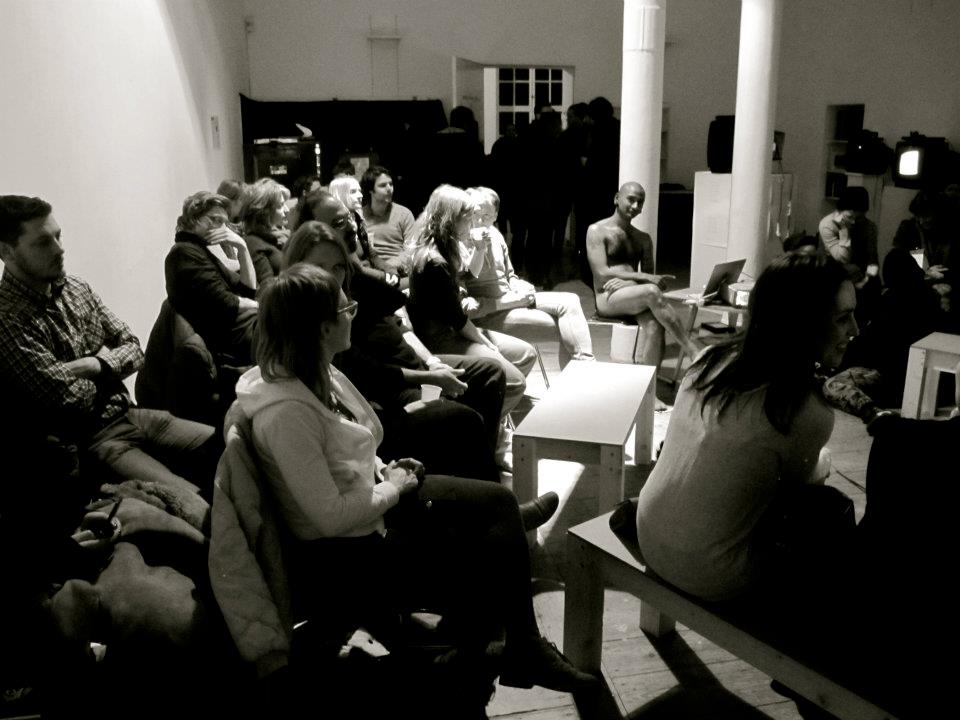
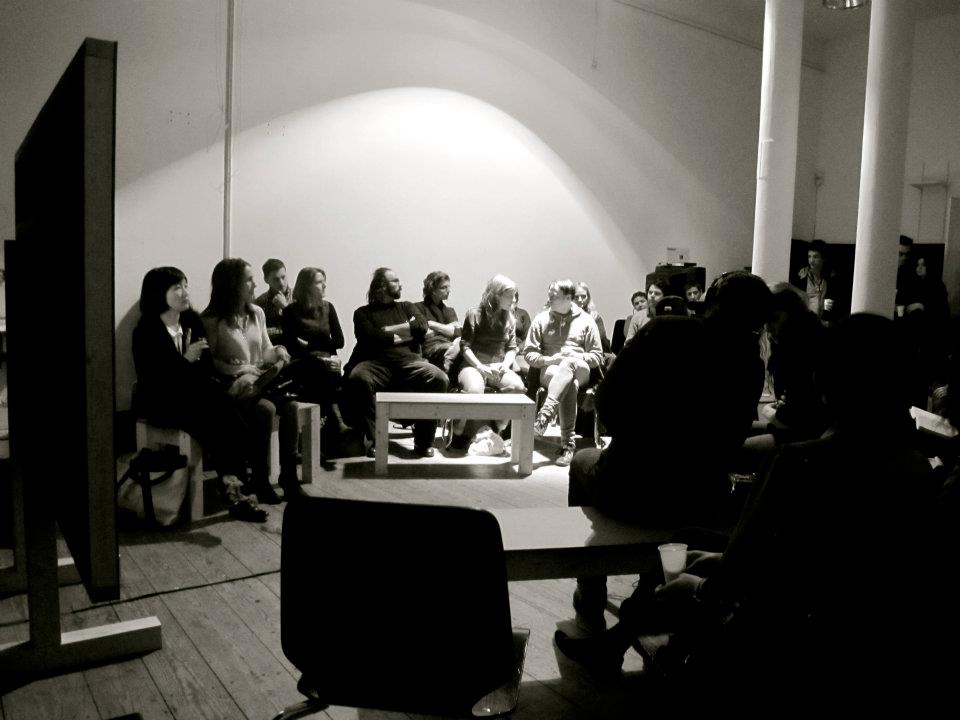
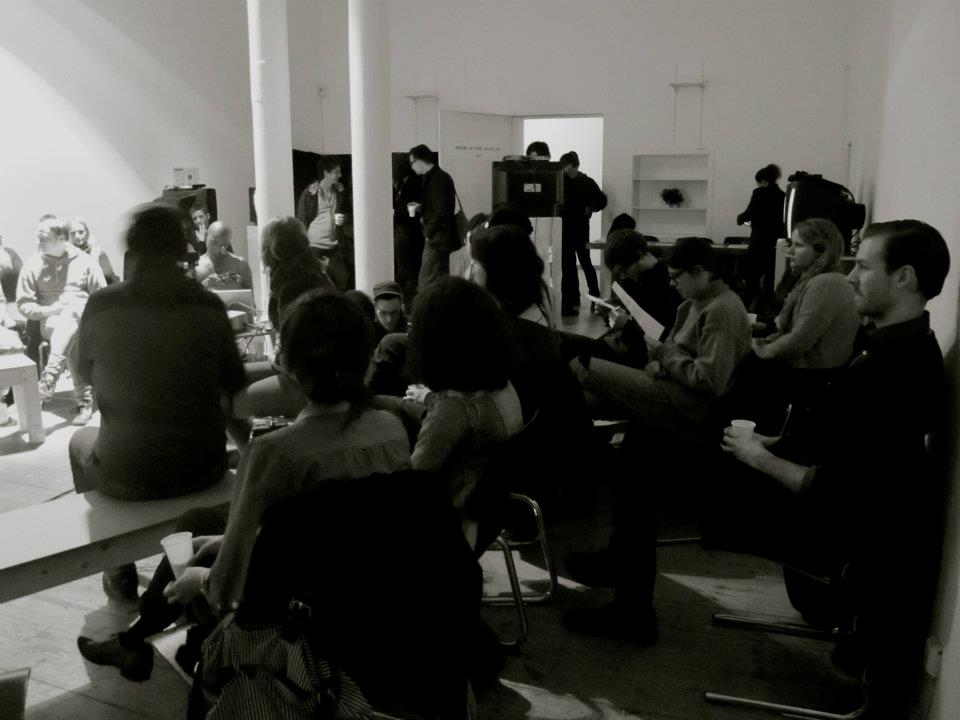
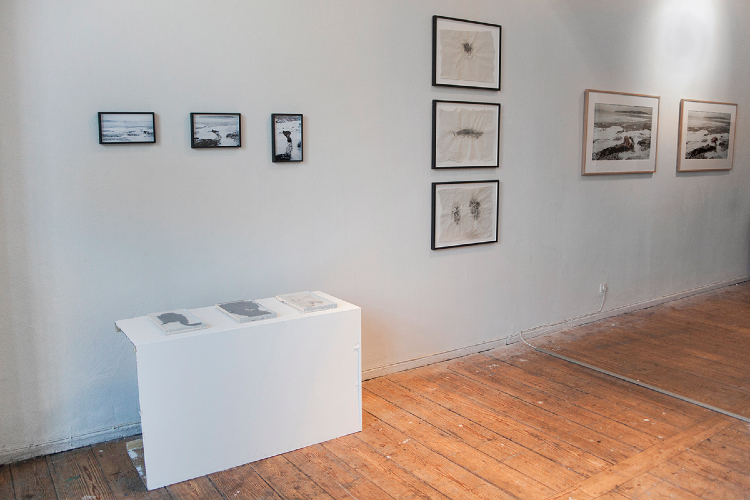
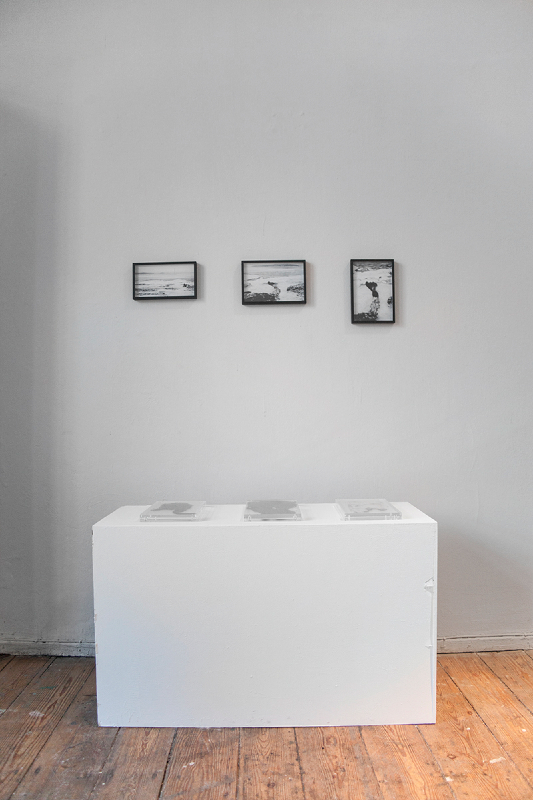
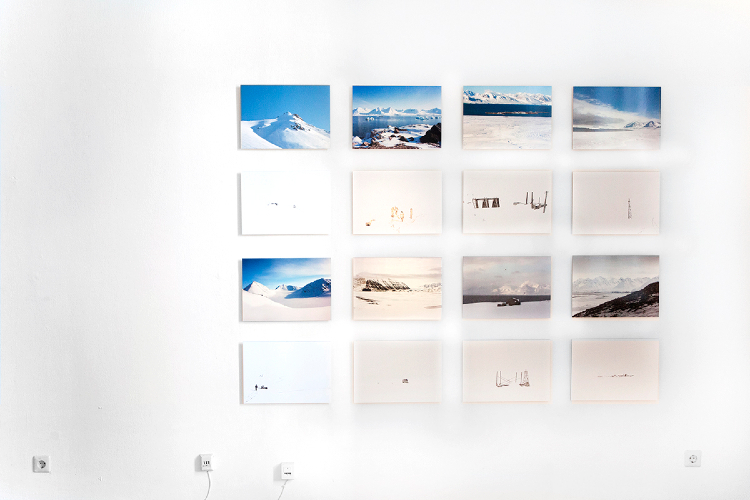
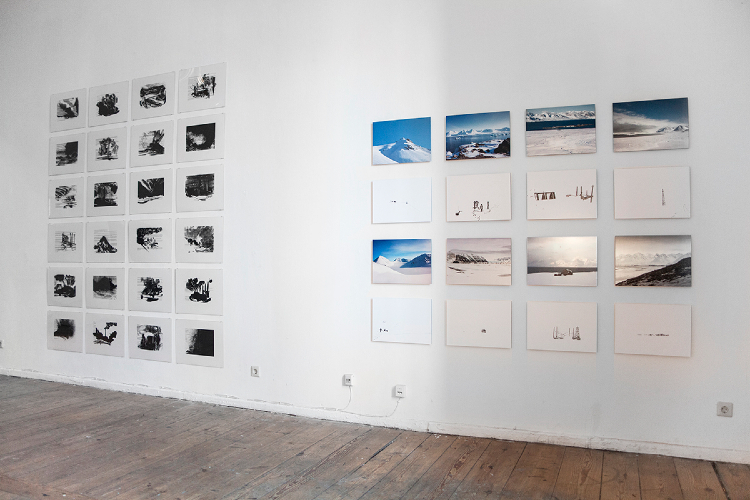
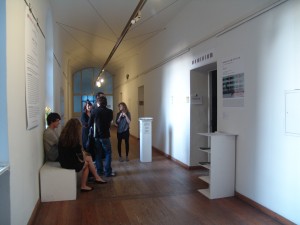
19 May Kirsten Palz: Manuals for R (17:00 – 17:15)
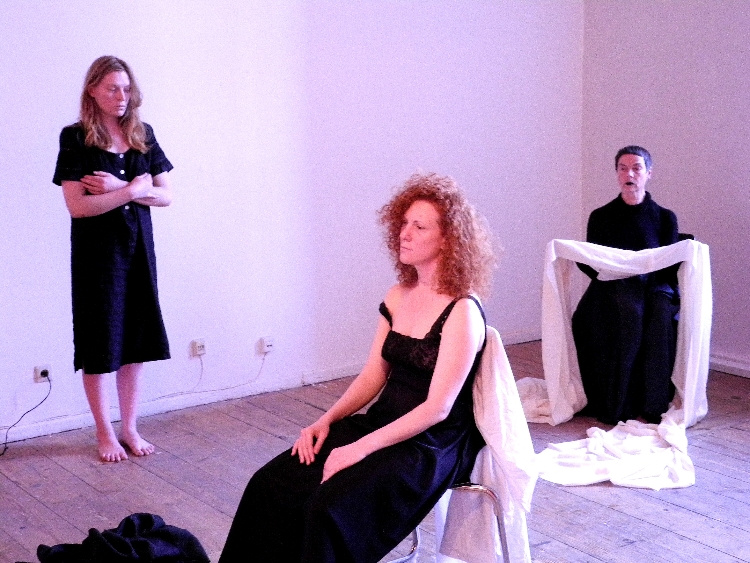
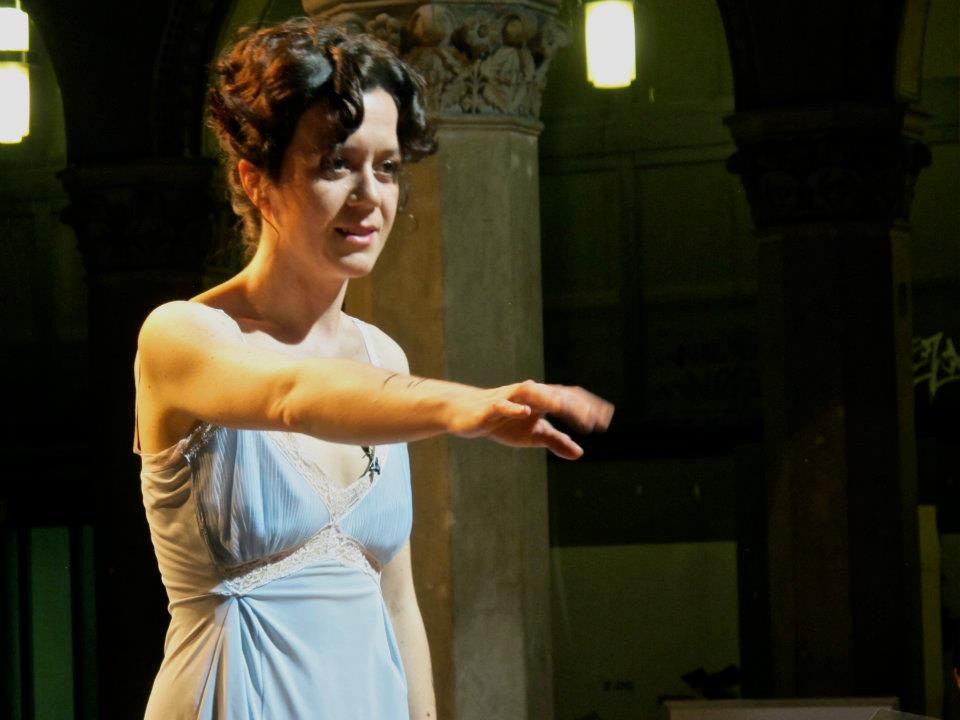
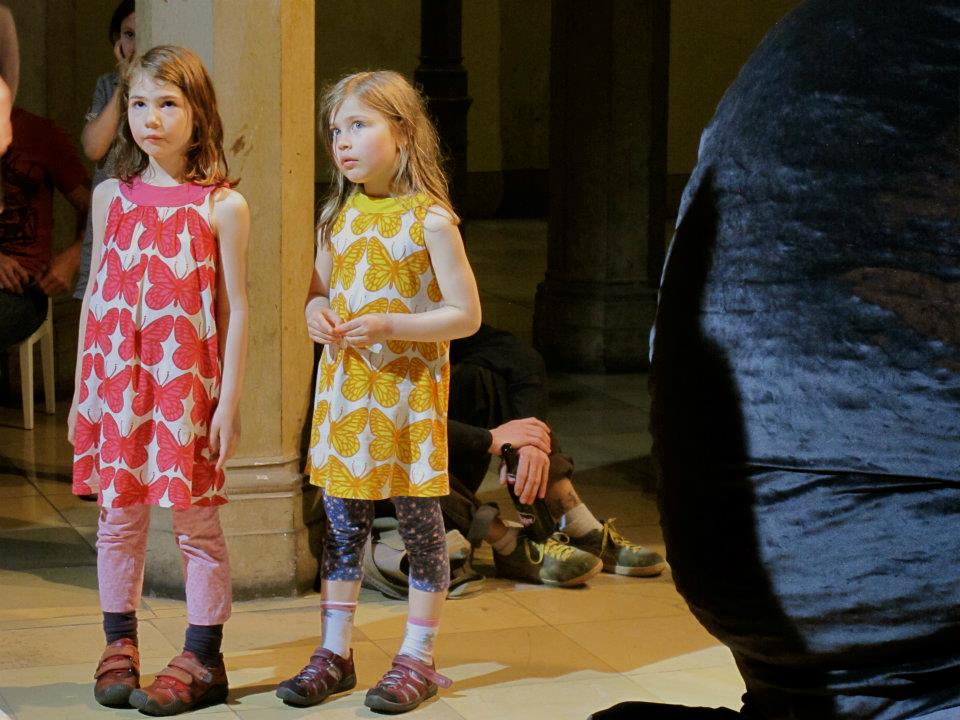
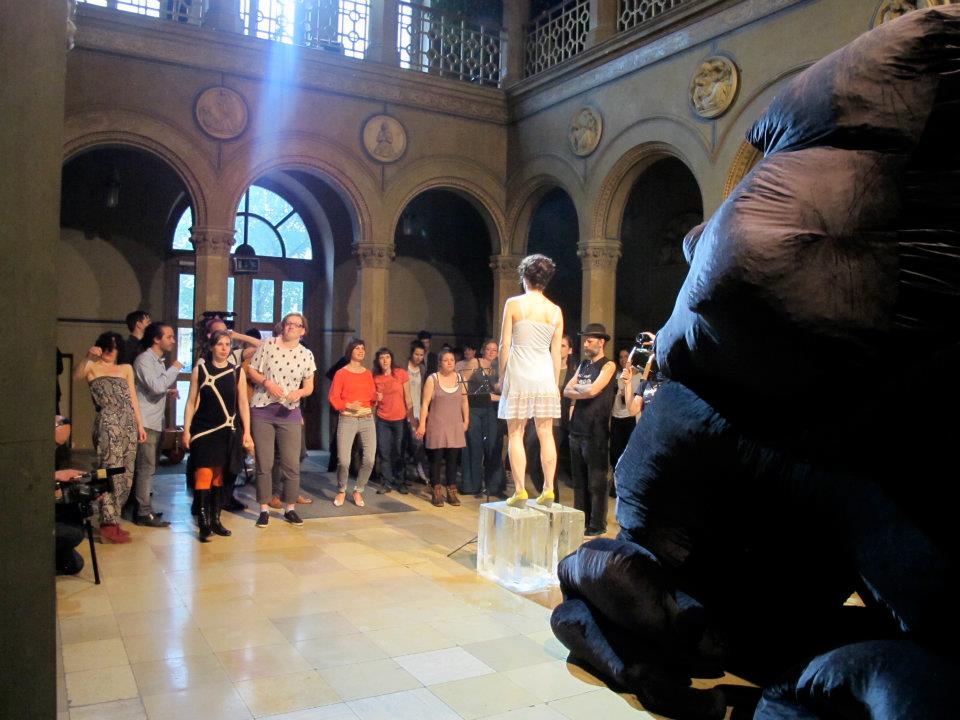
Joyce Clay: Book I, Book II (17:30 – 18:00) Mariana Hahn: Empress of Sorrow (18:15 – 19:00)
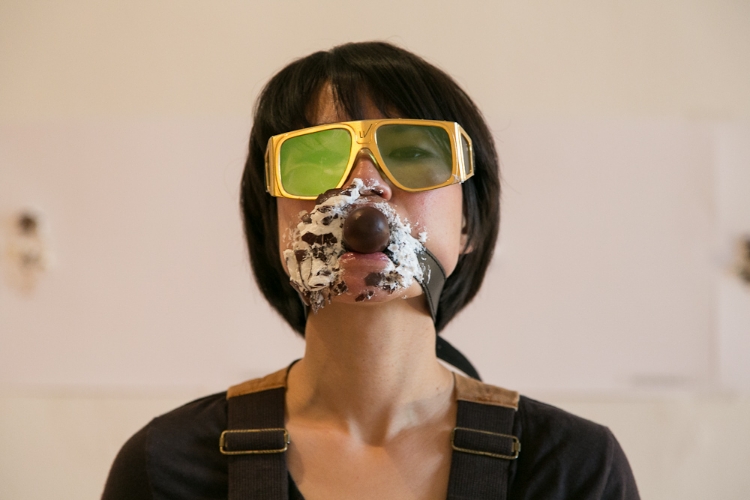
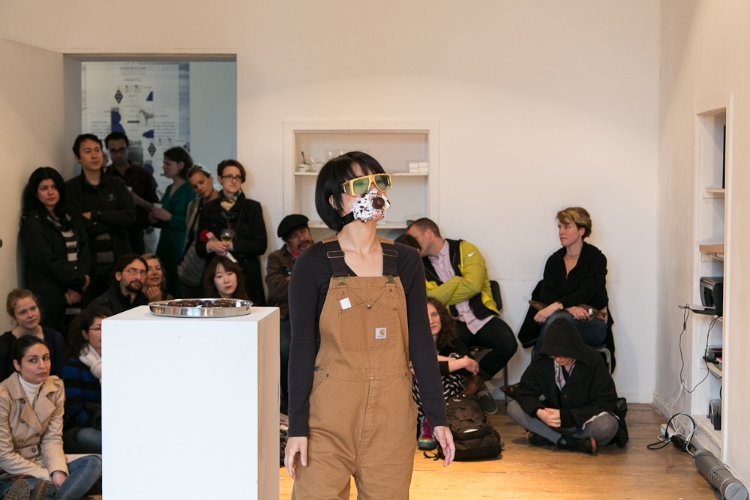
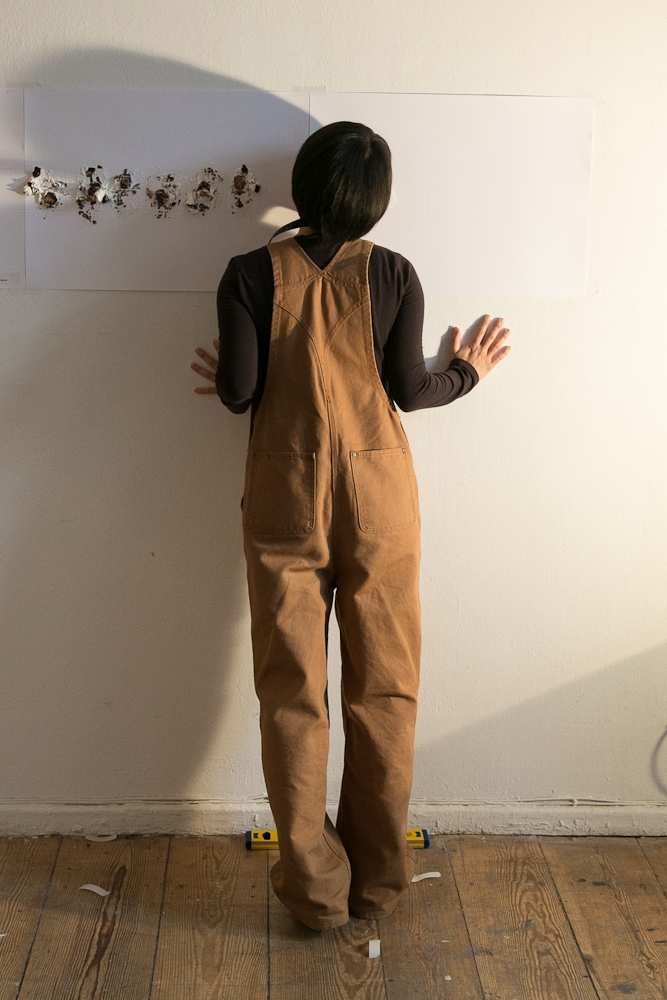
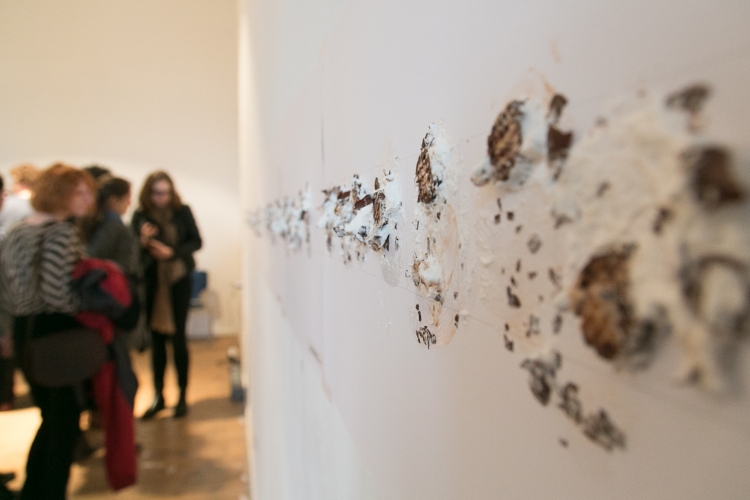
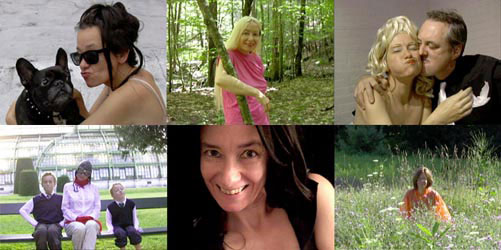
26 May Kate Hers: 7 Drawings, 28 Kisses (17:00 – 17:45)
Joyce Clay: Book I, Book II (18:00 – 19:00)
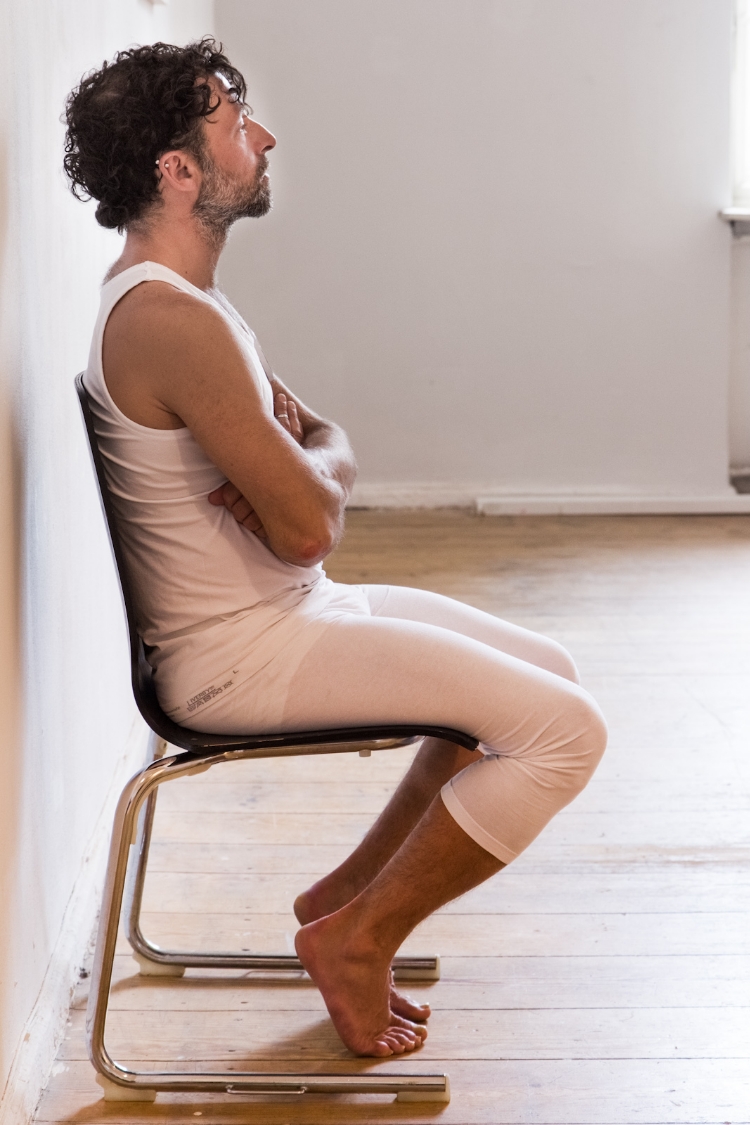
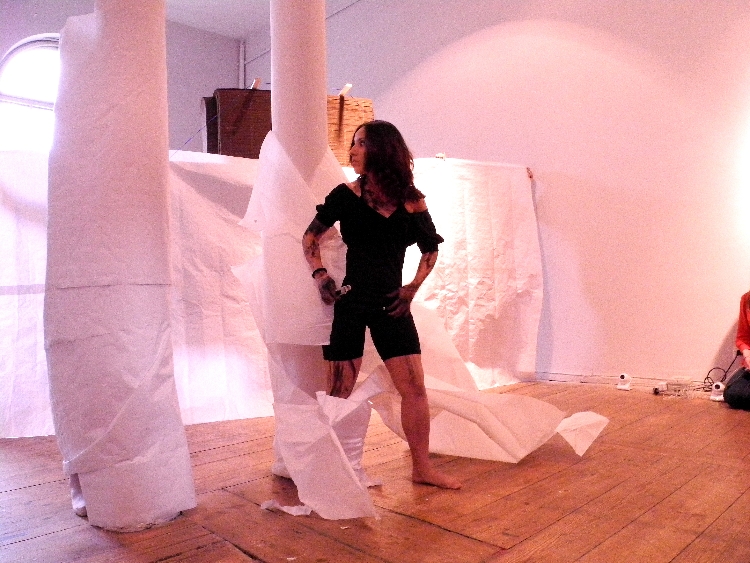
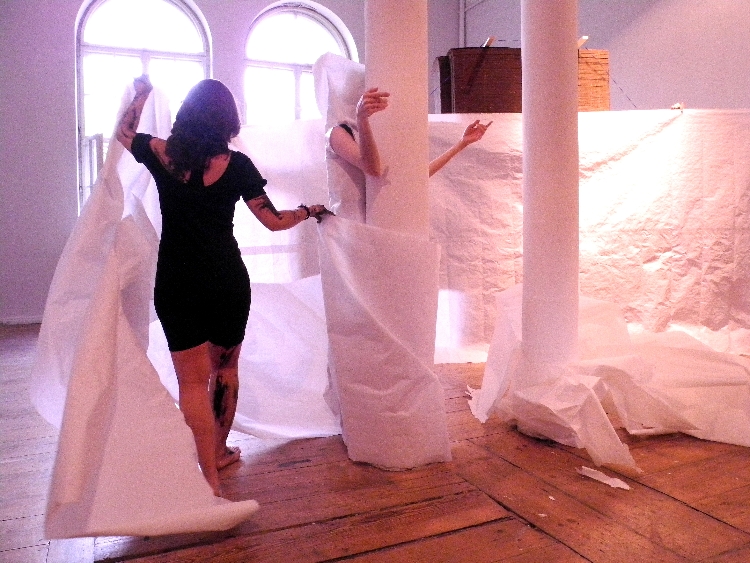
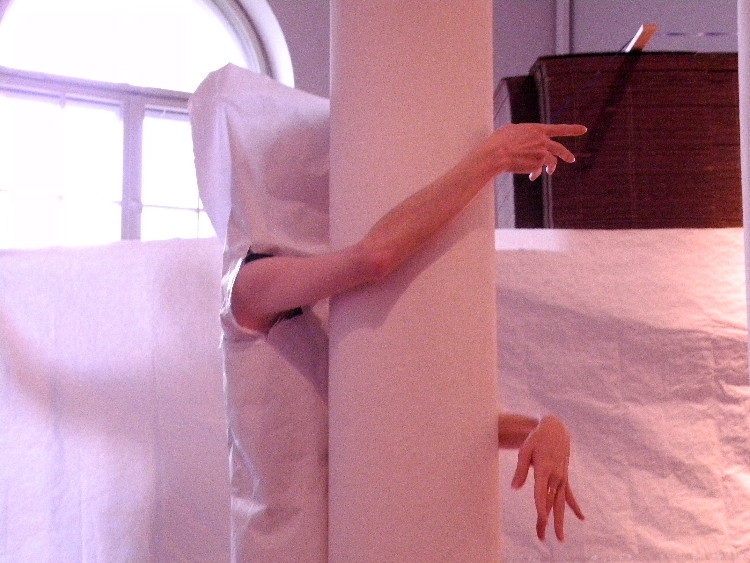
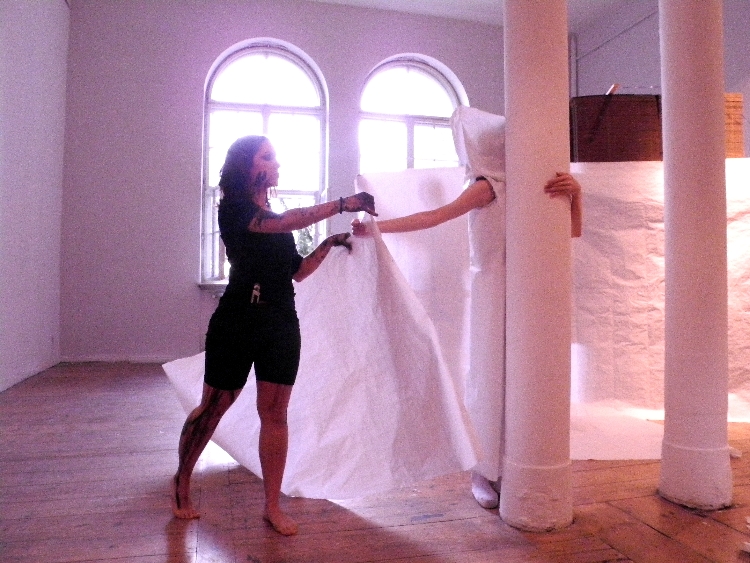
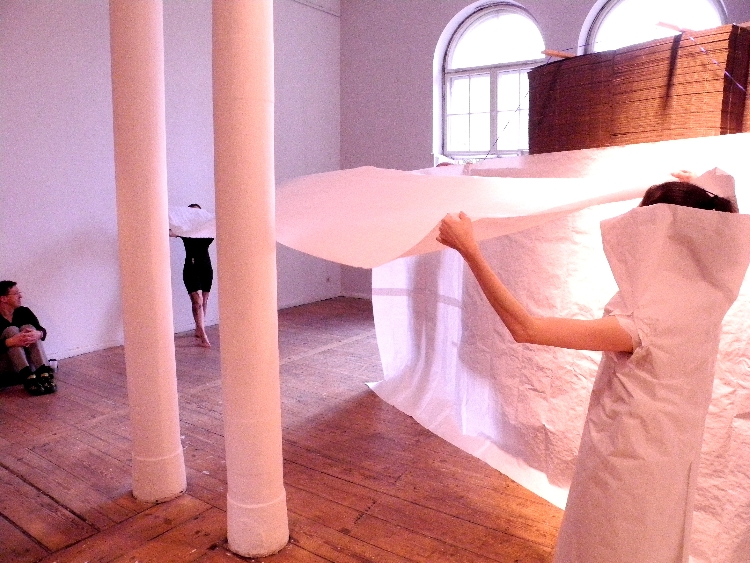
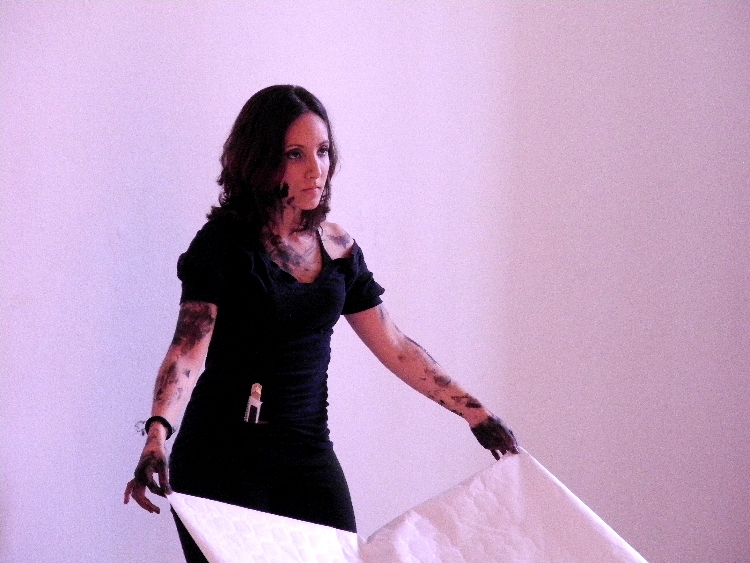
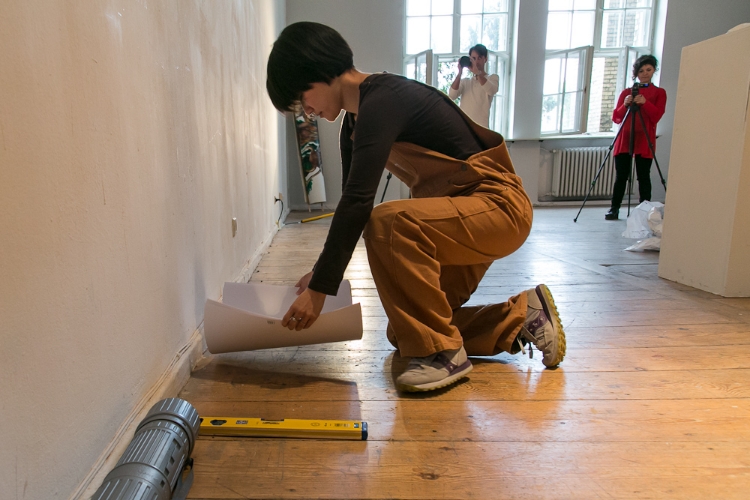
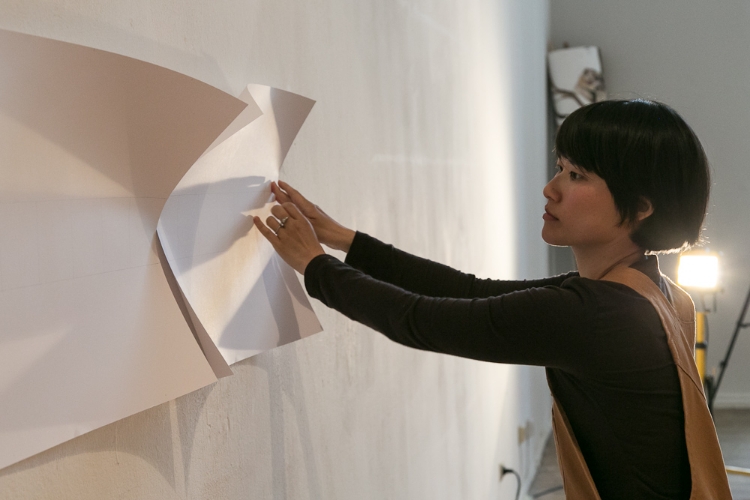
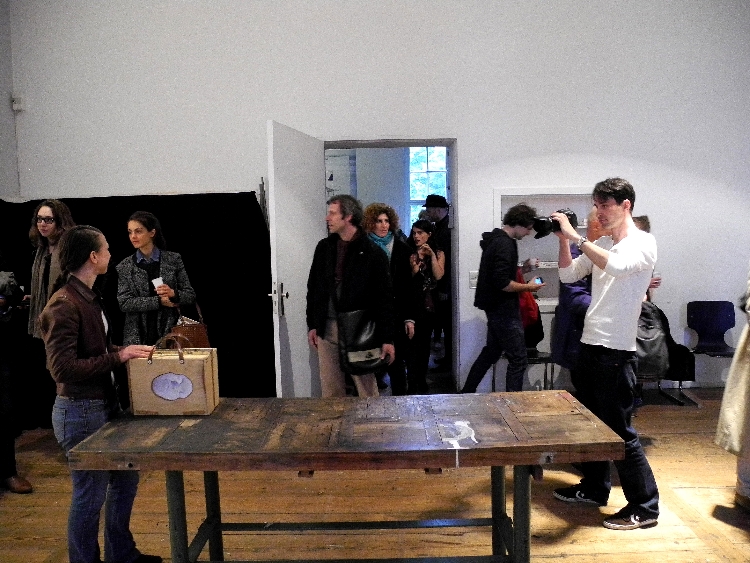
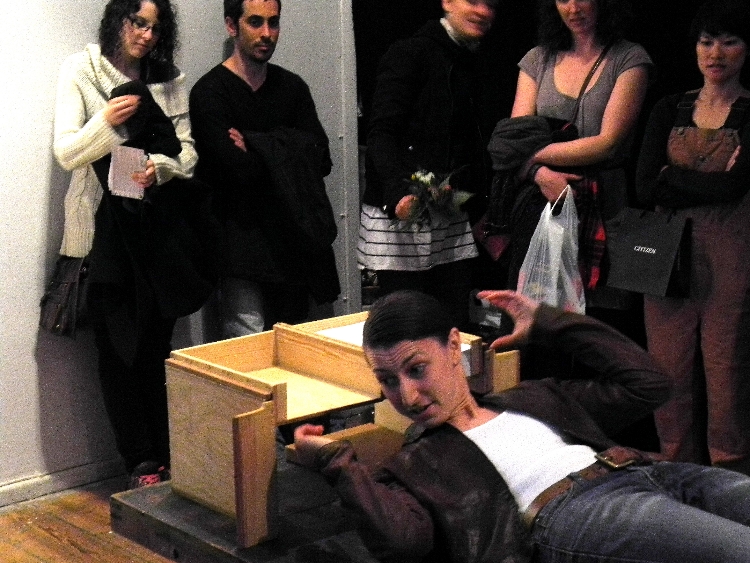
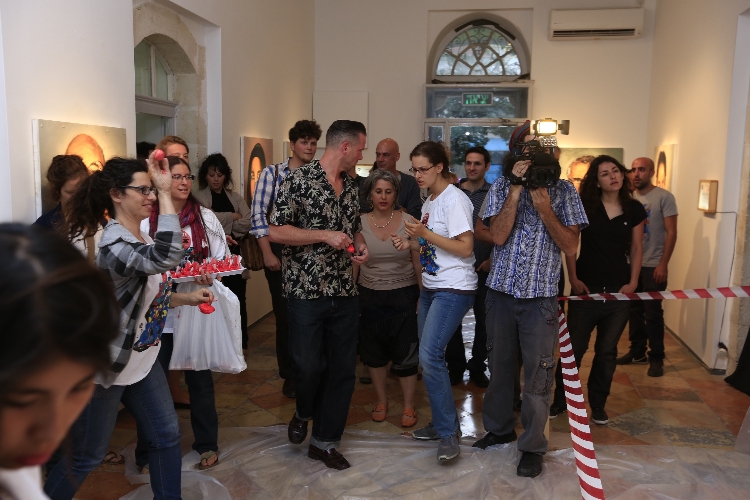
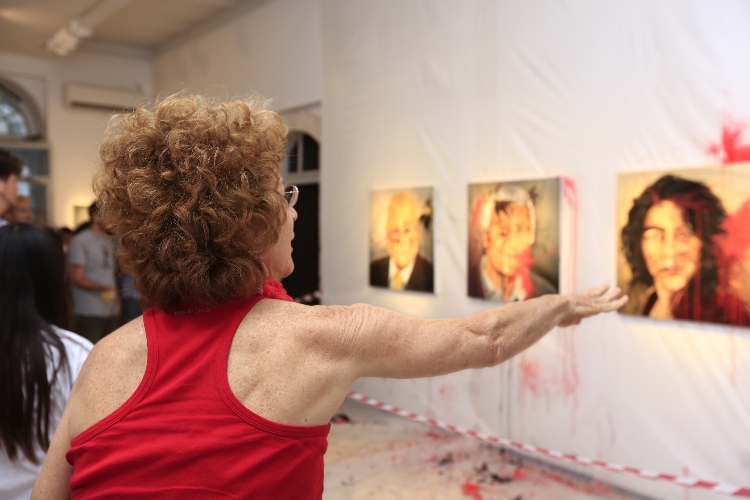
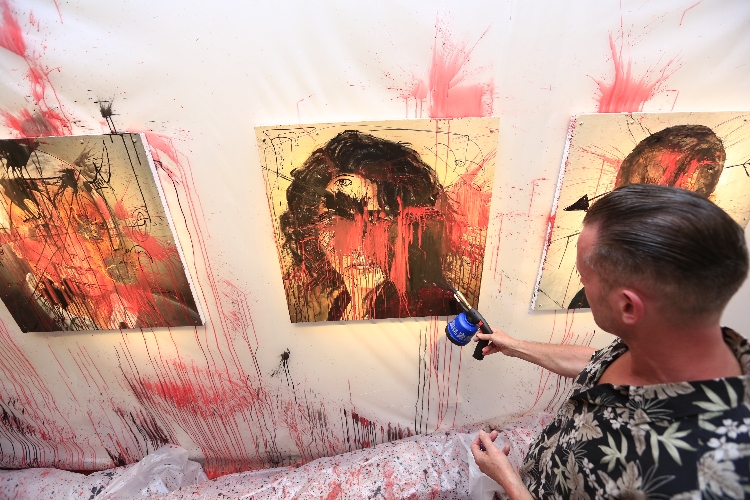
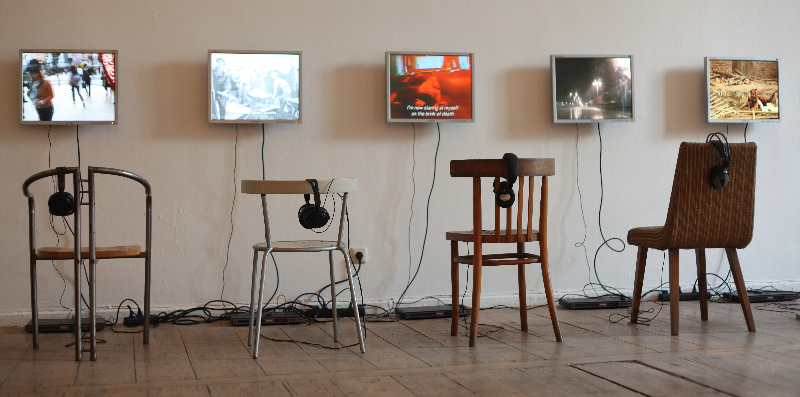
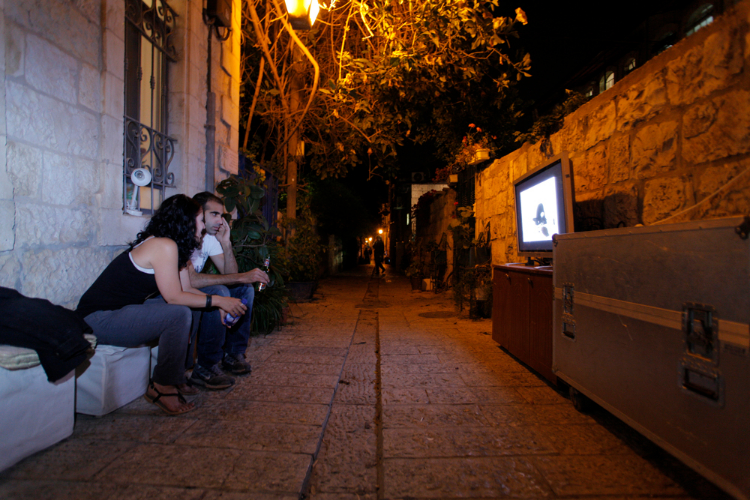
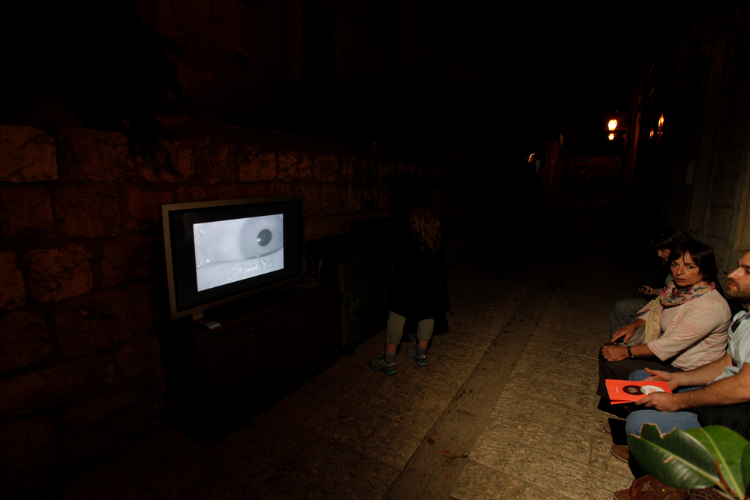
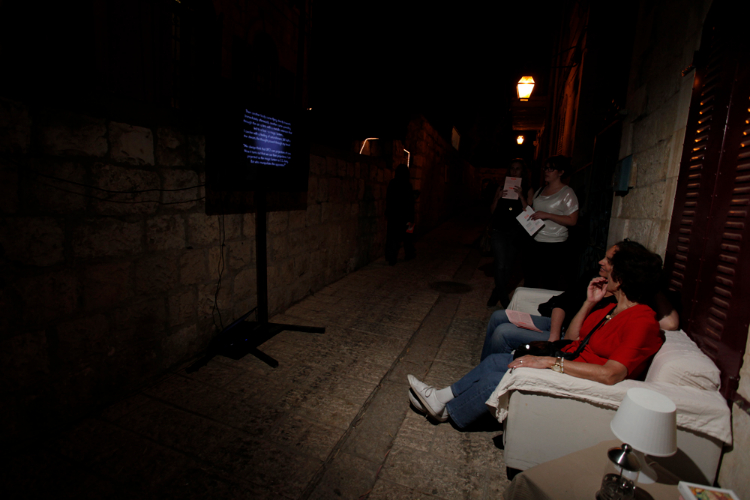
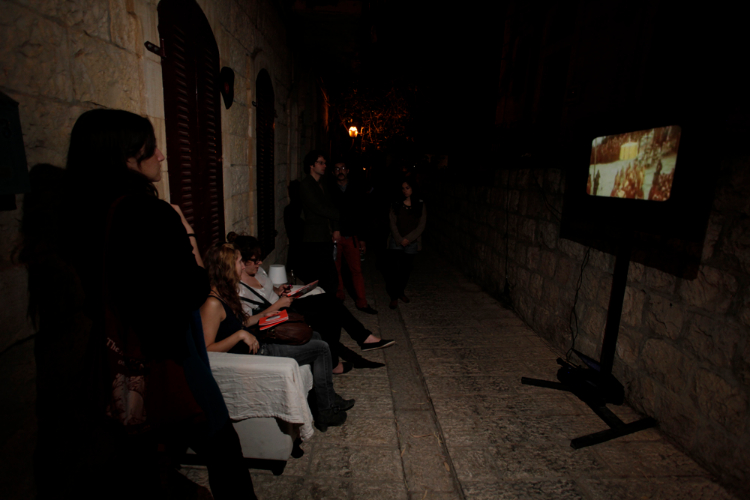
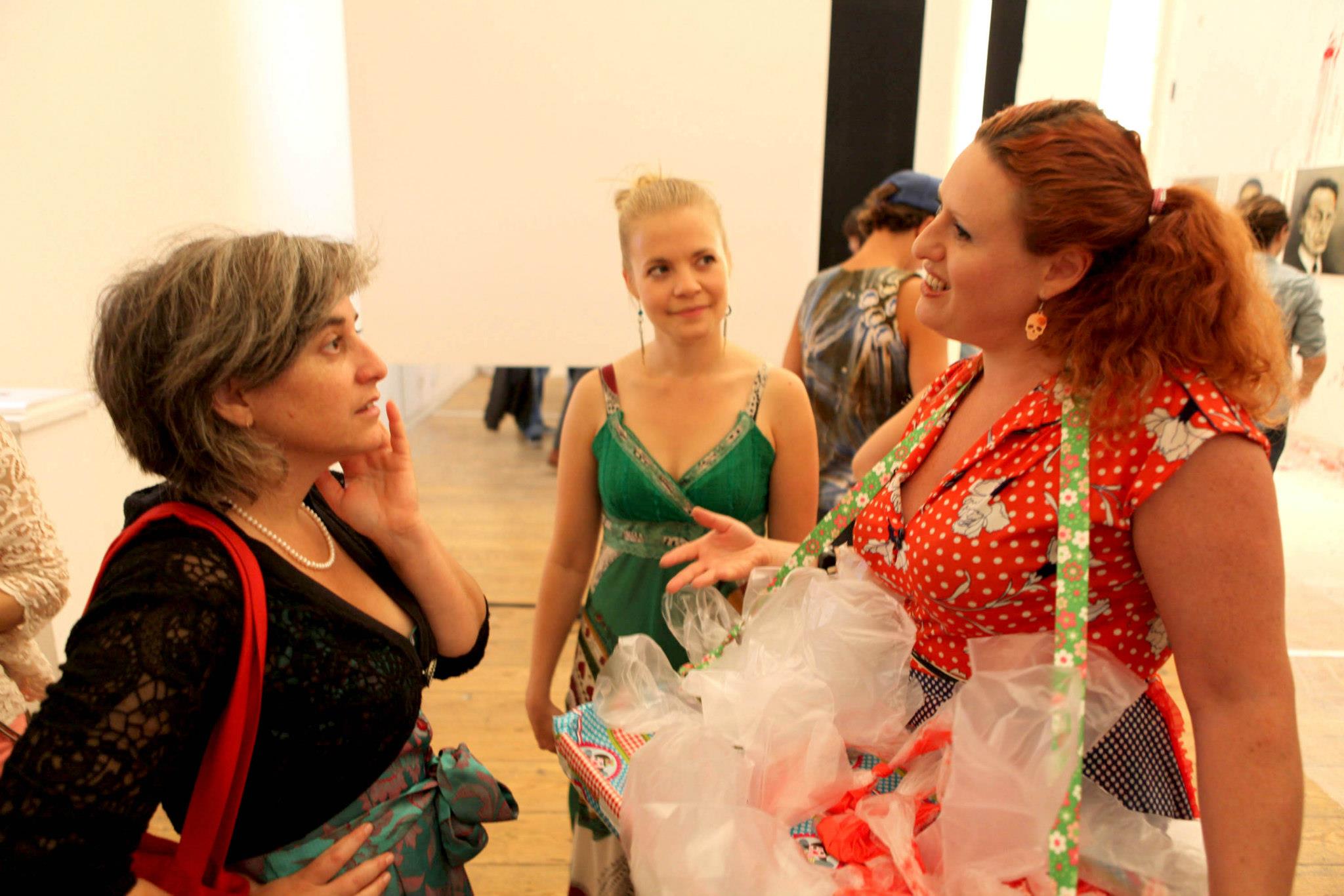
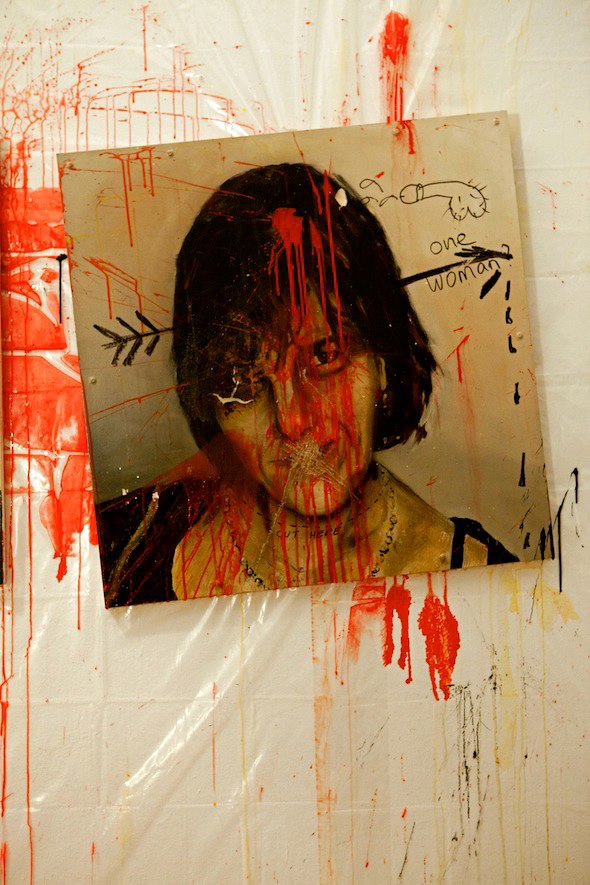
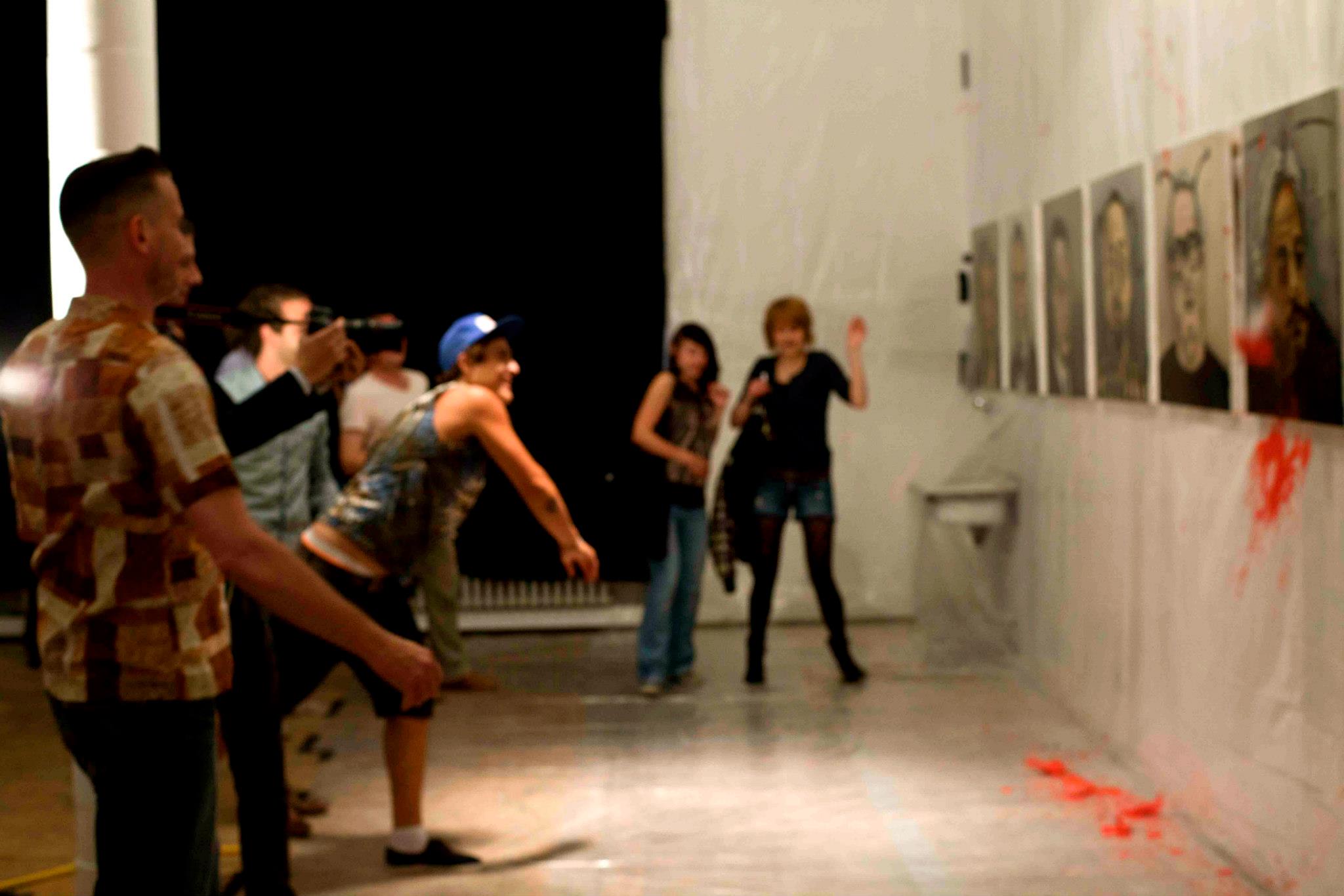
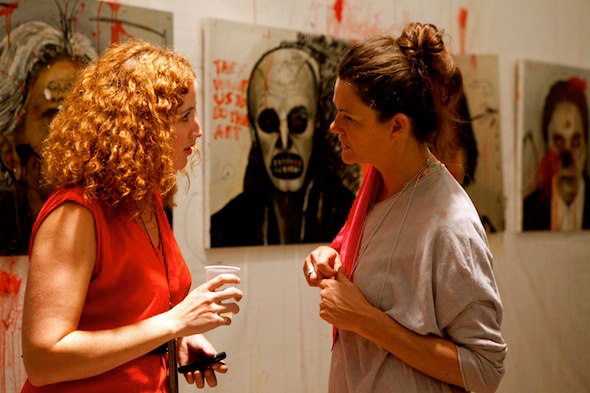
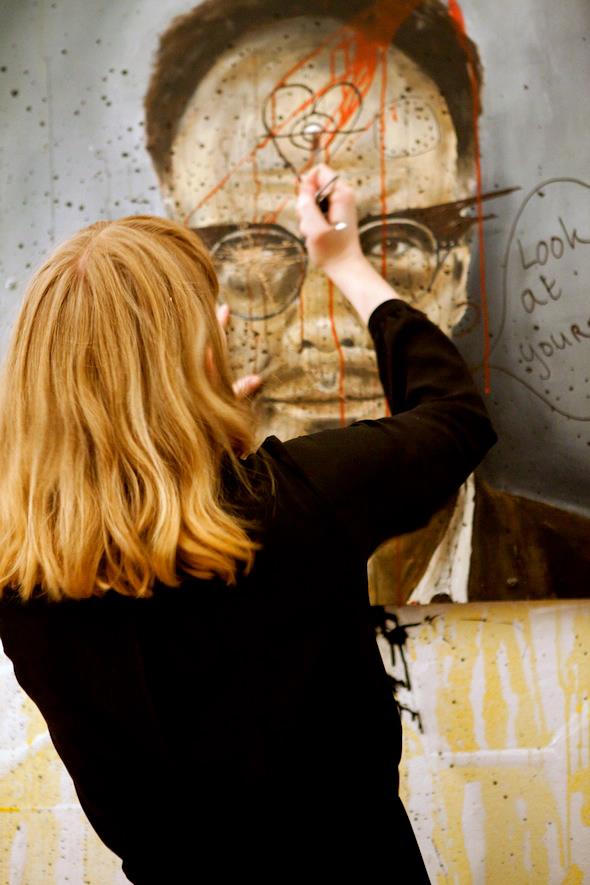
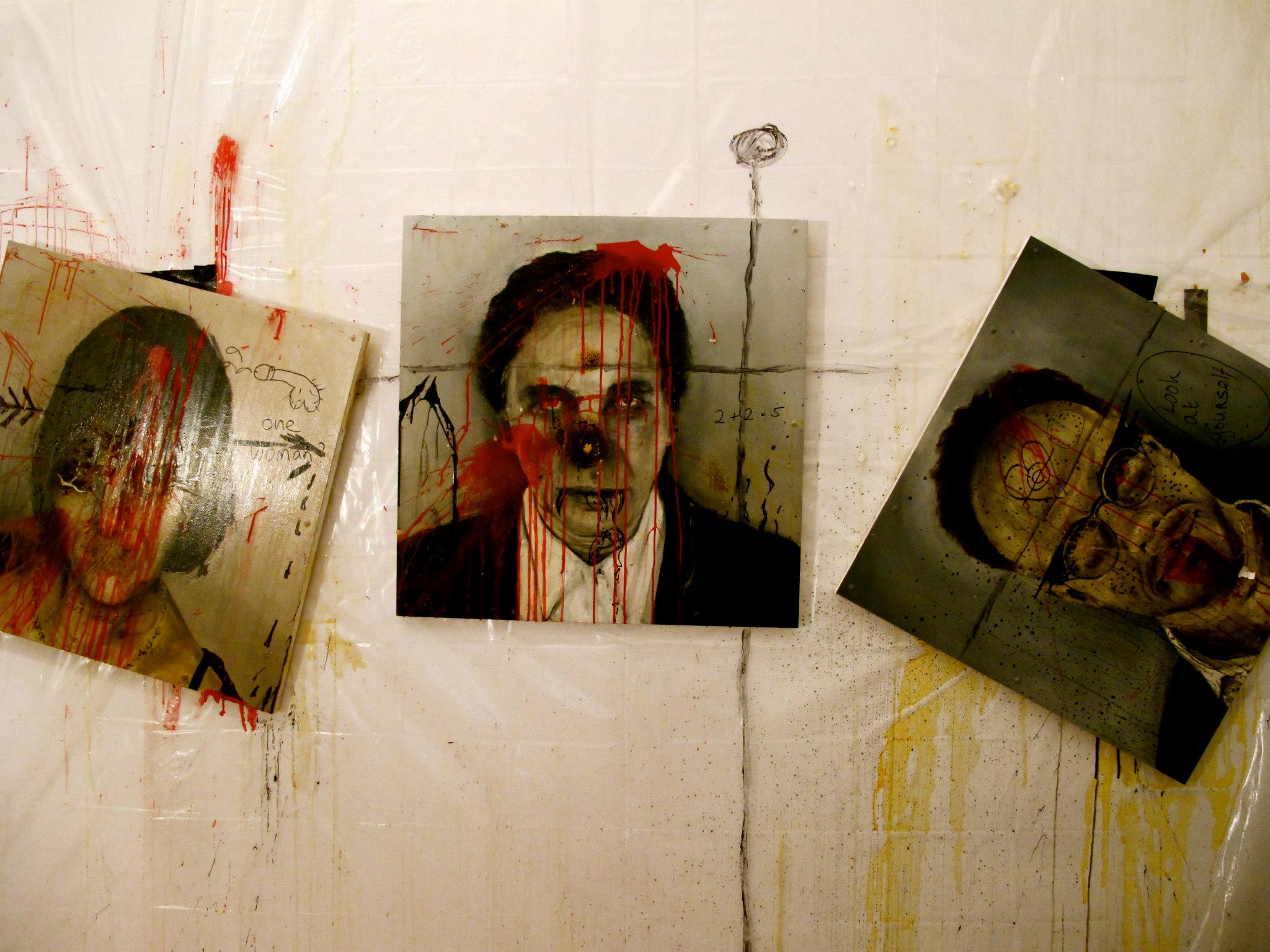
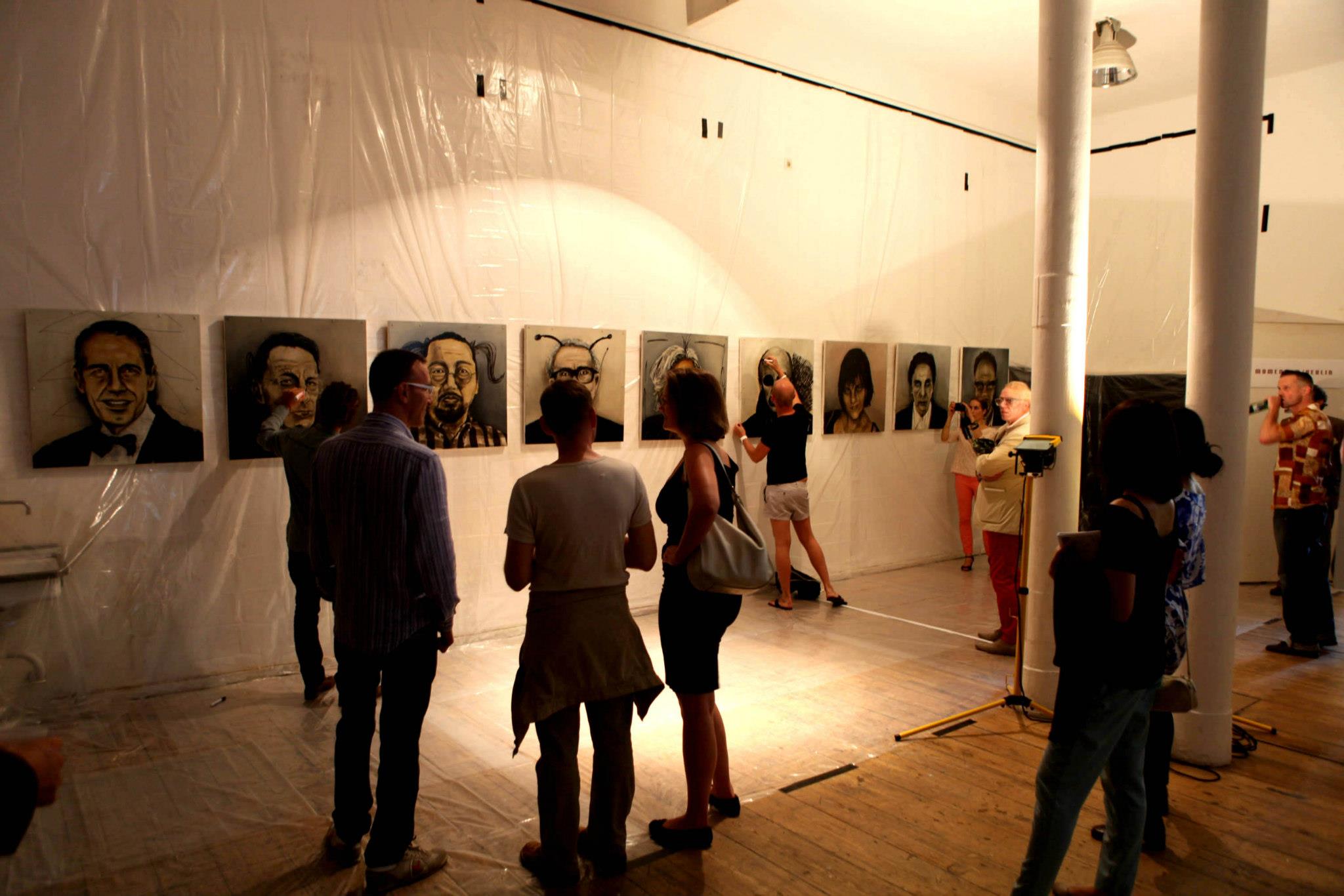
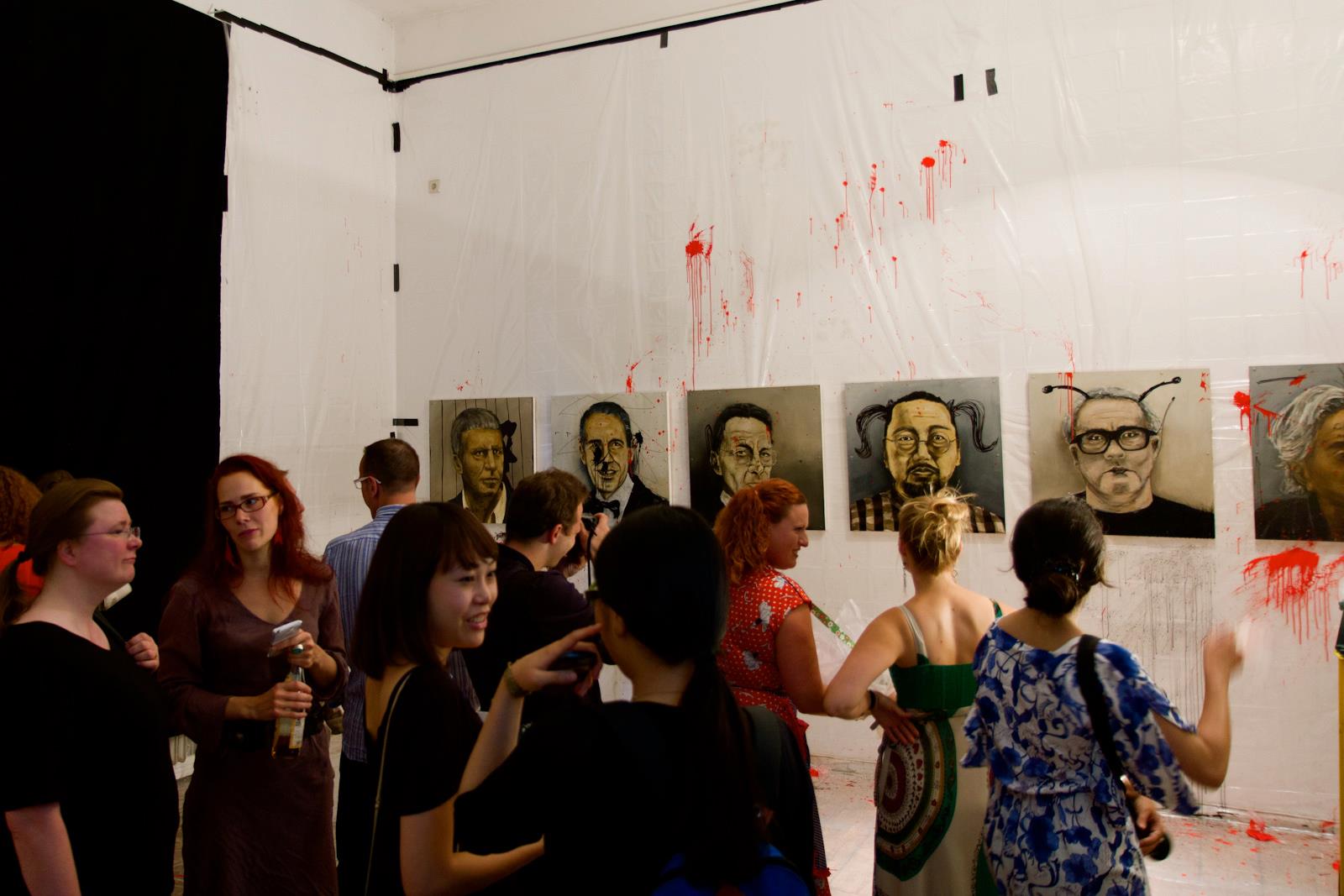
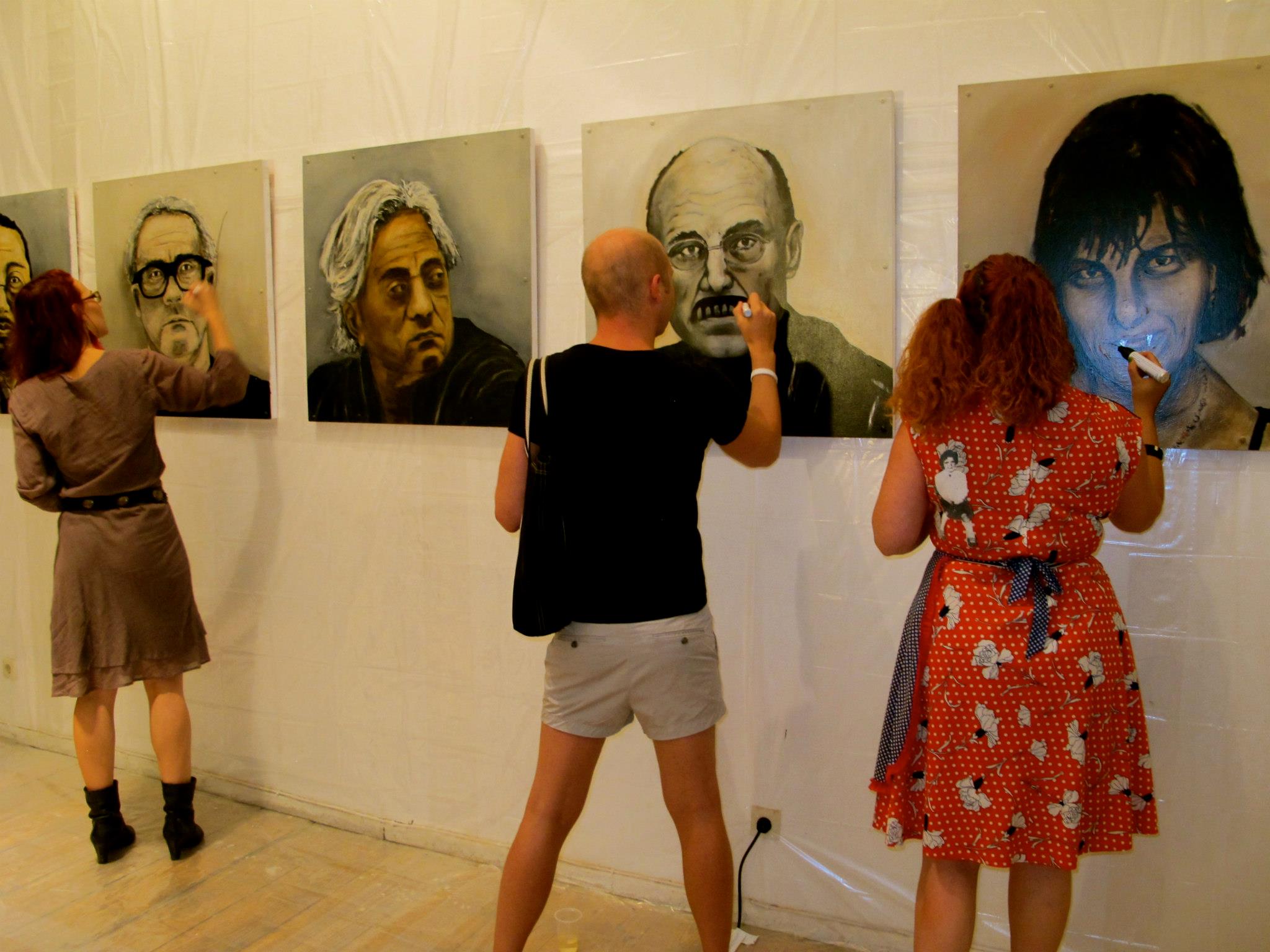
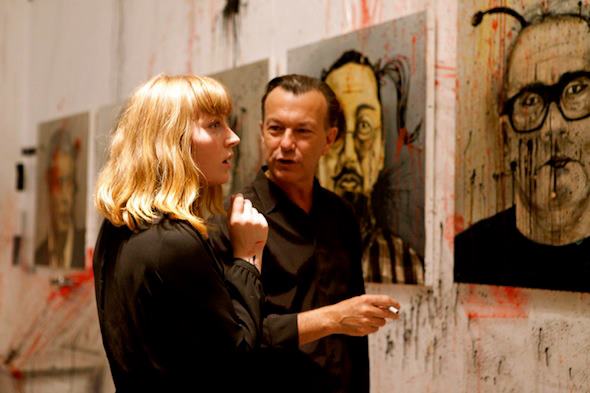
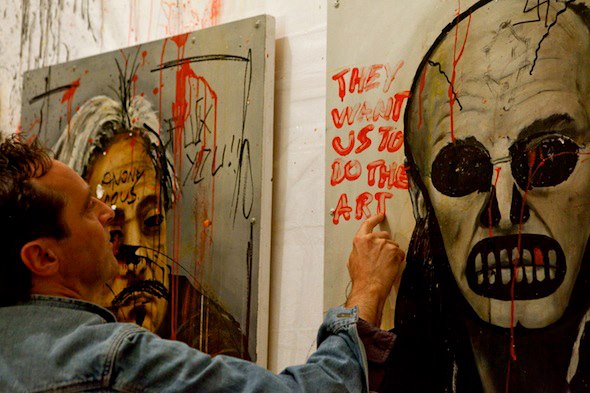
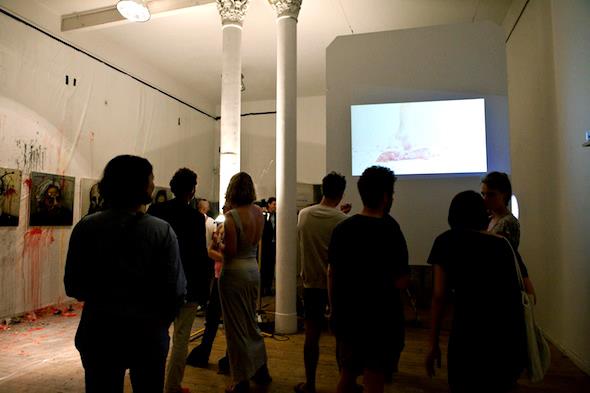
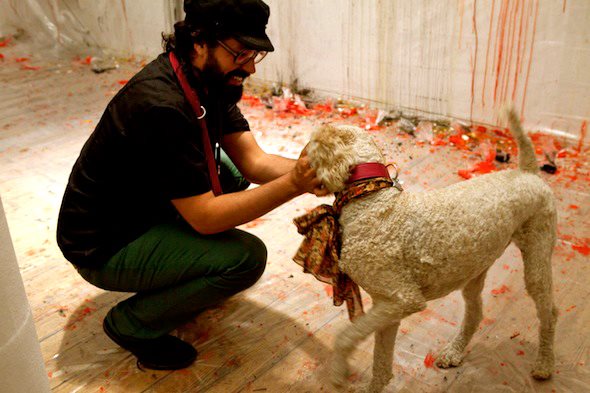
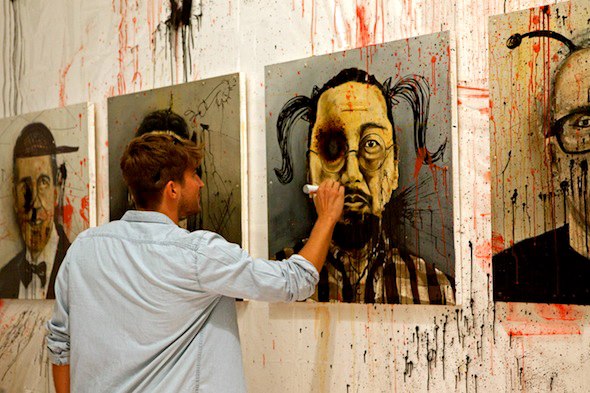
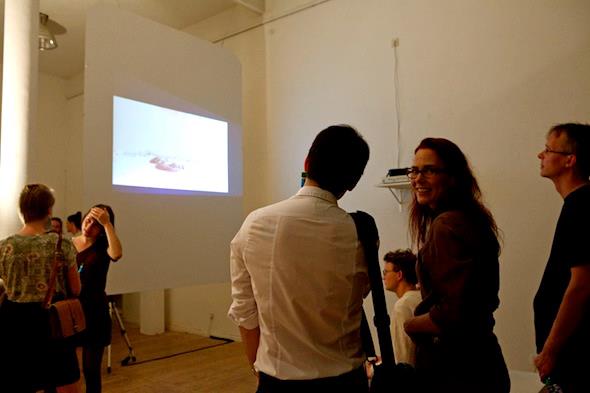
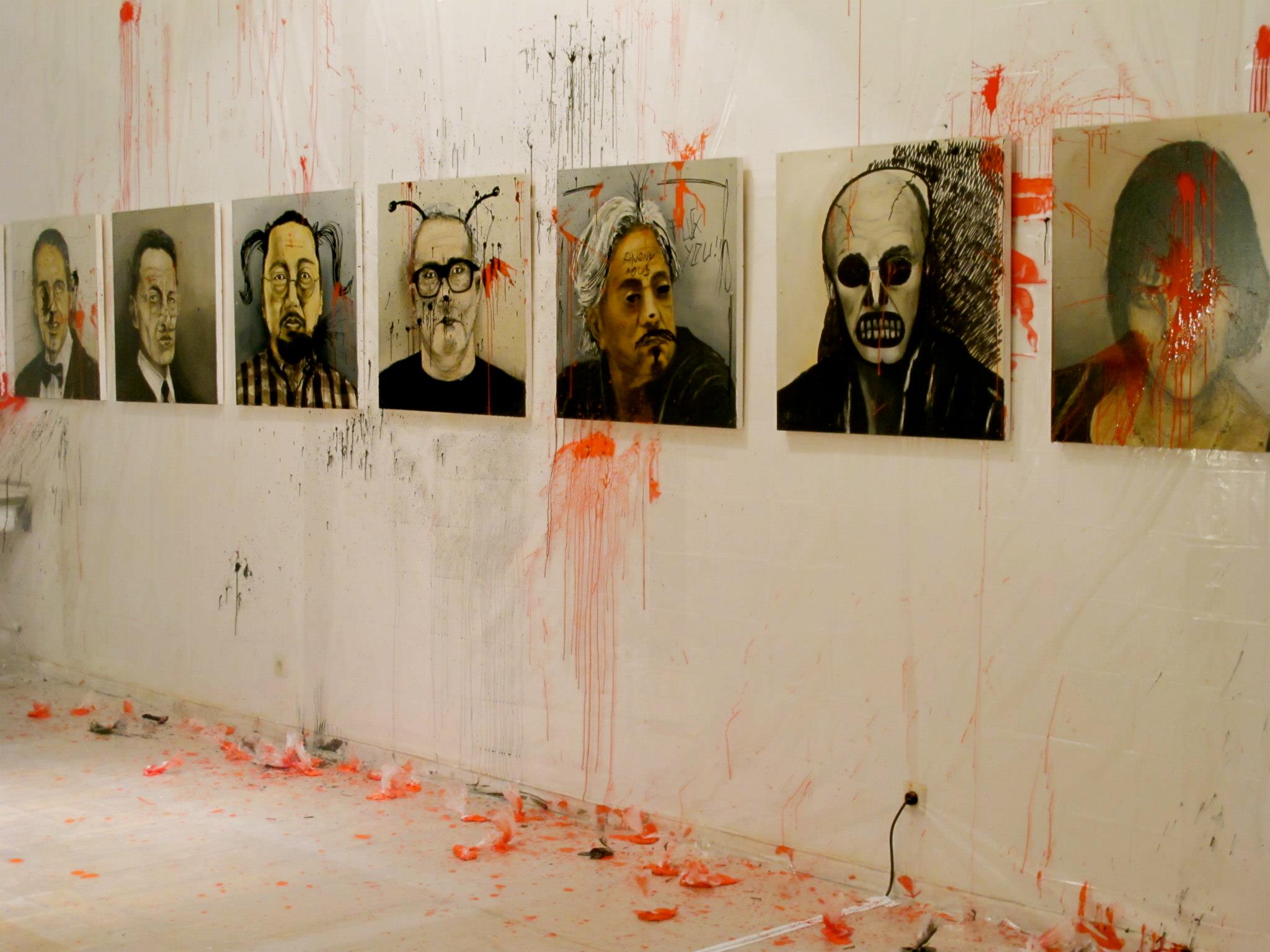
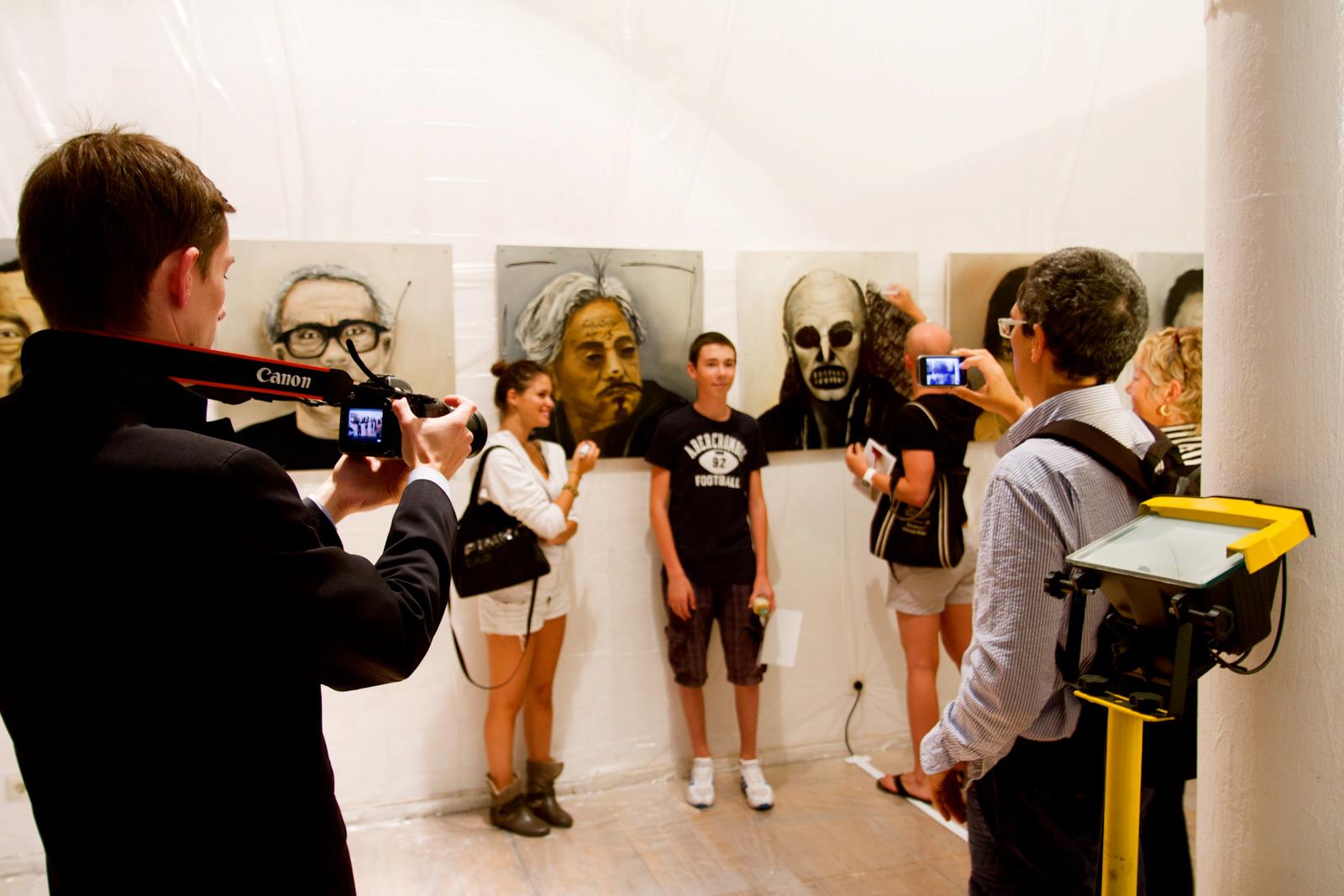
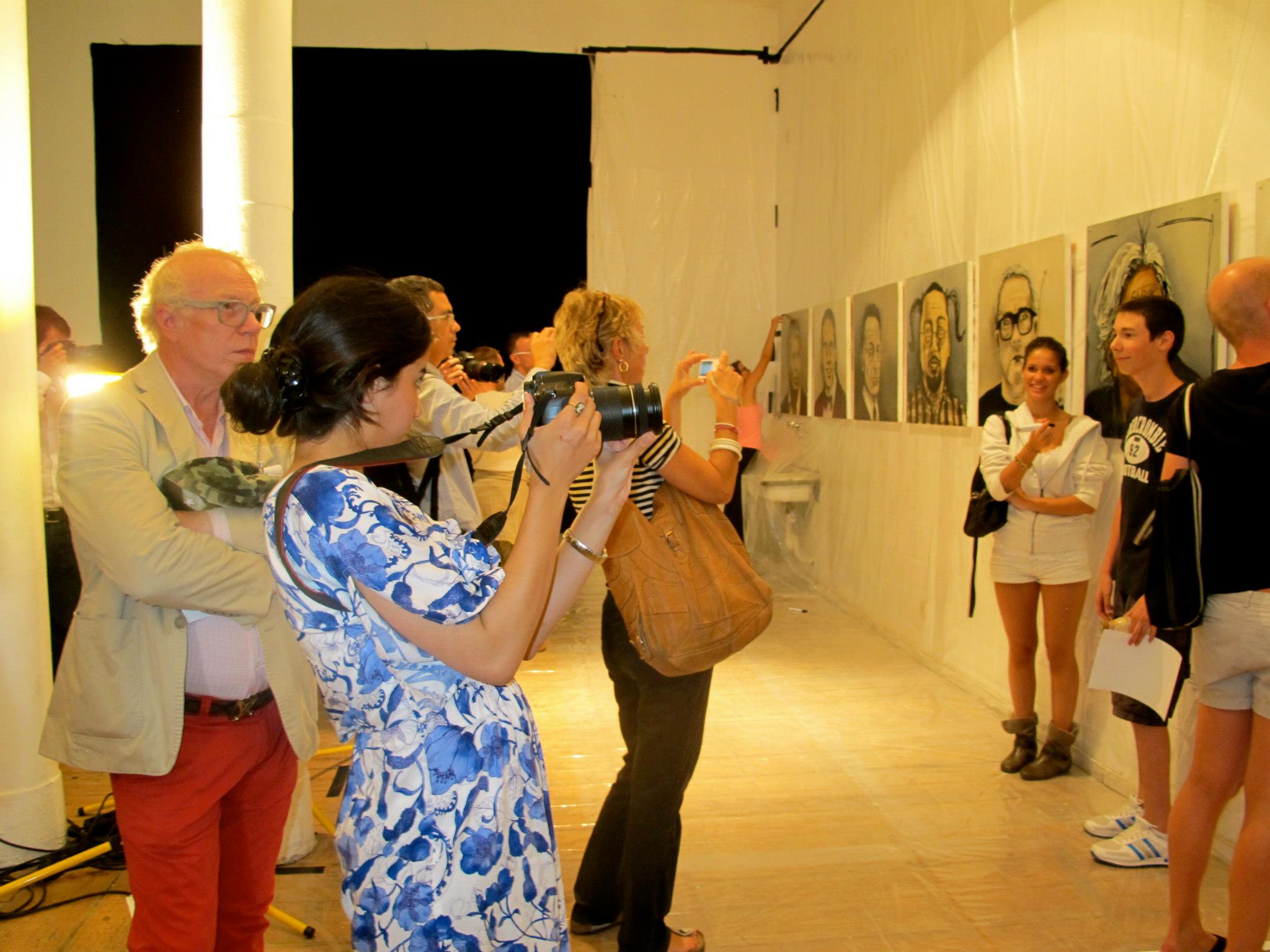
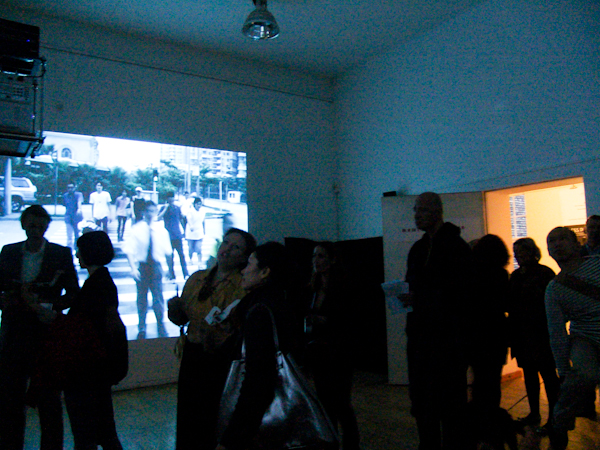
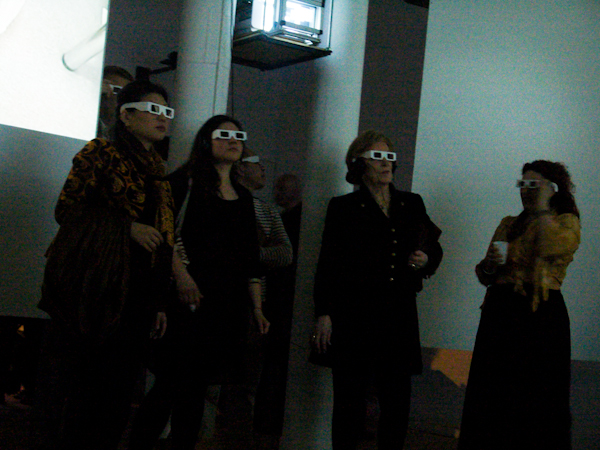
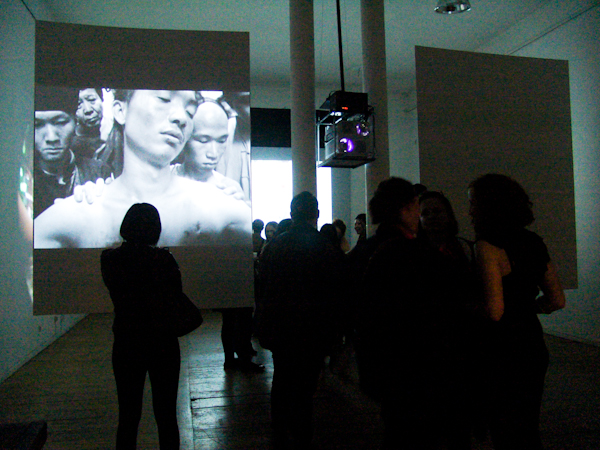
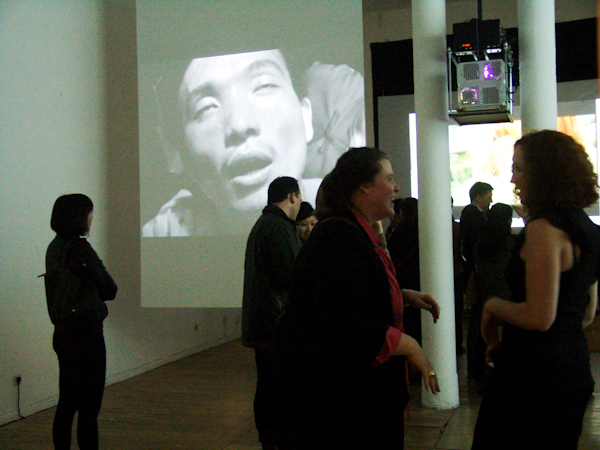
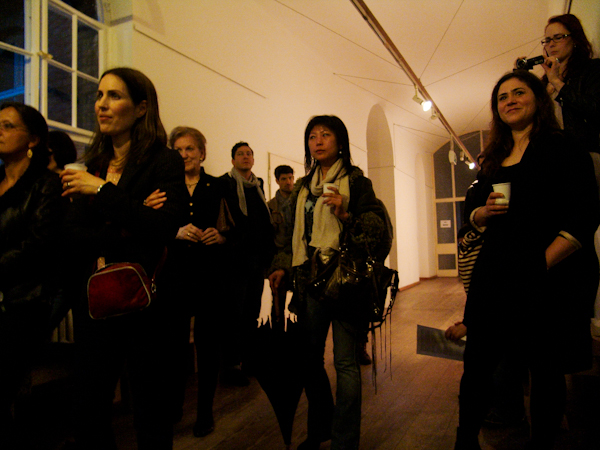
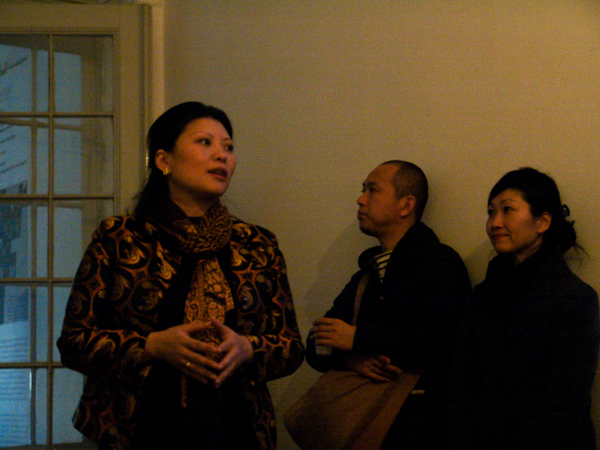
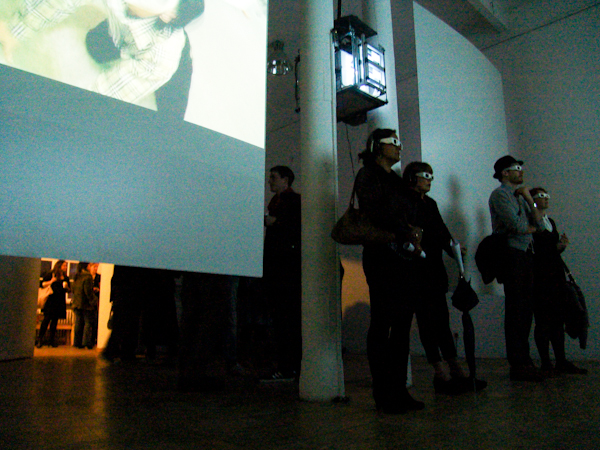
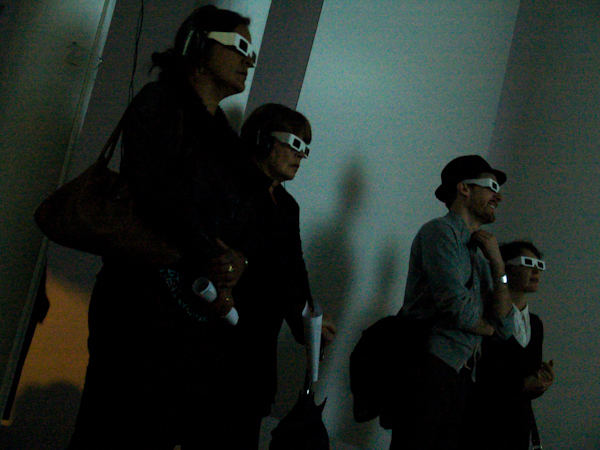
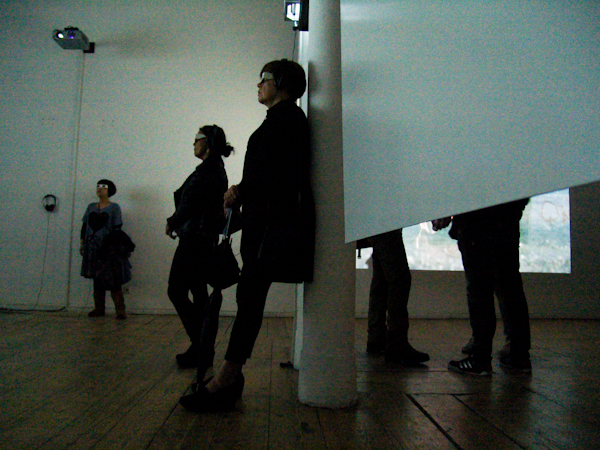
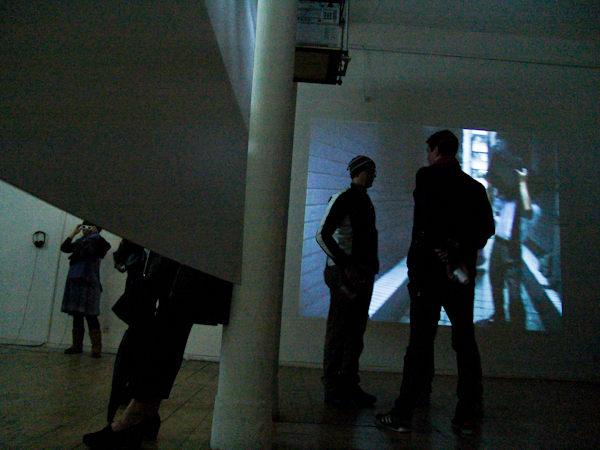
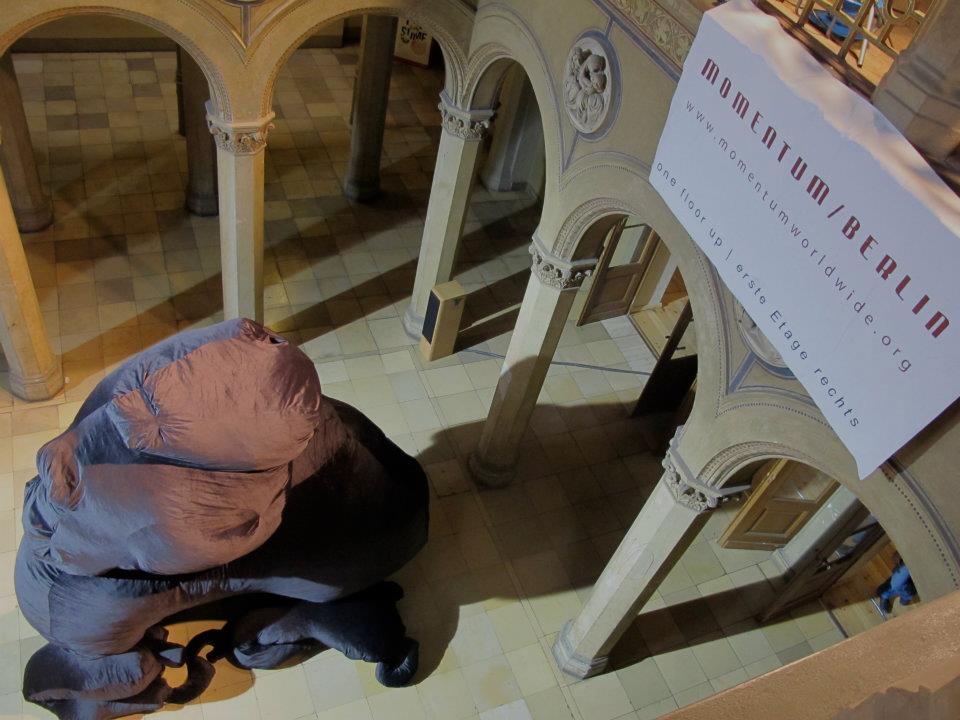
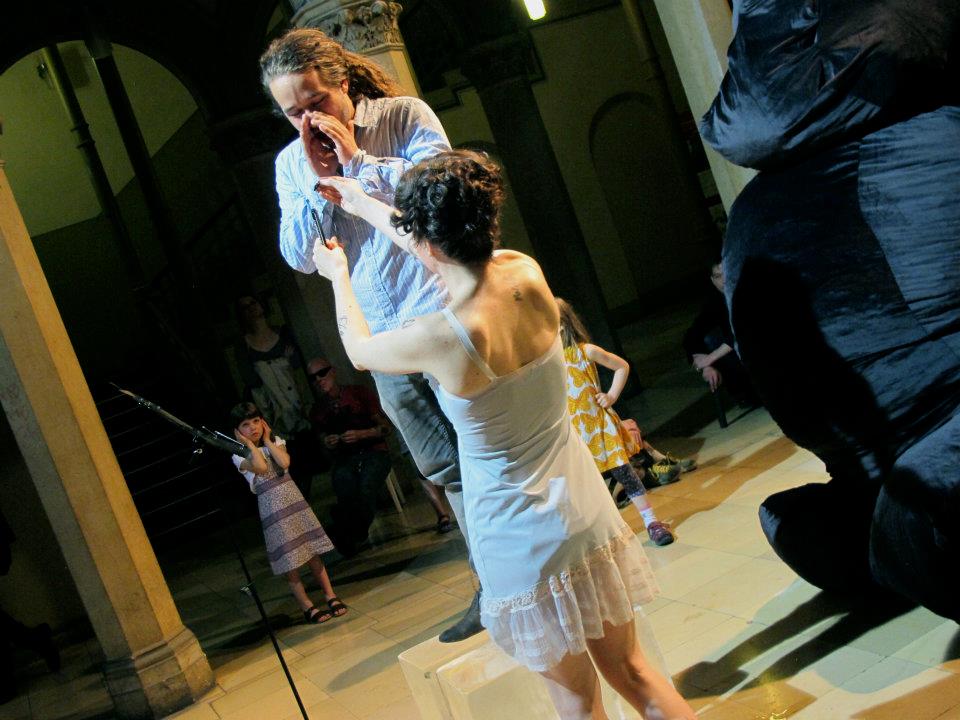
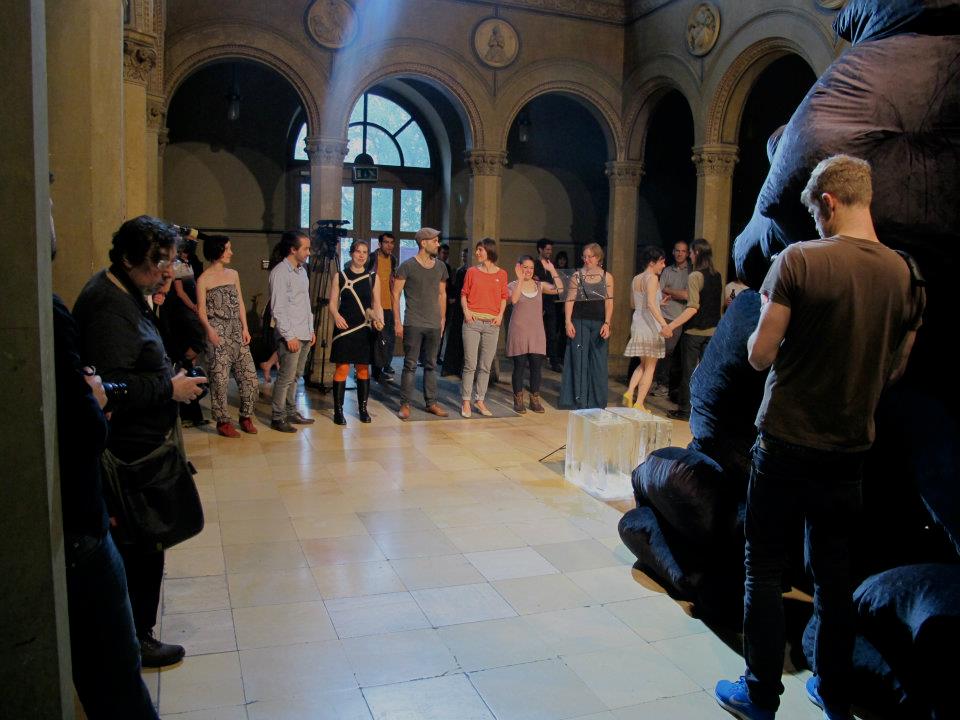
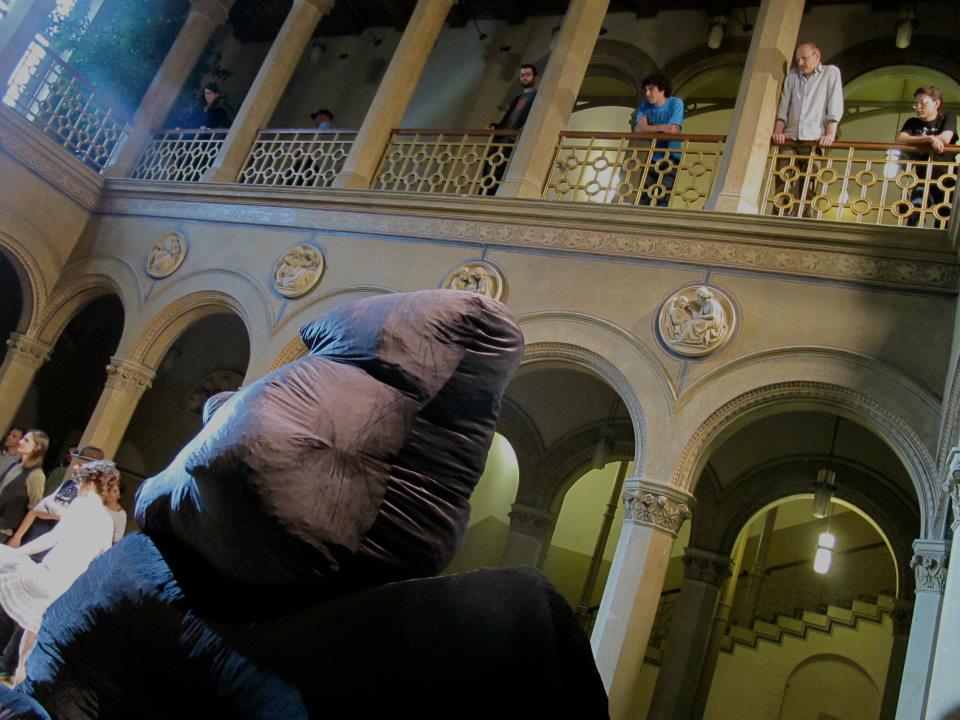
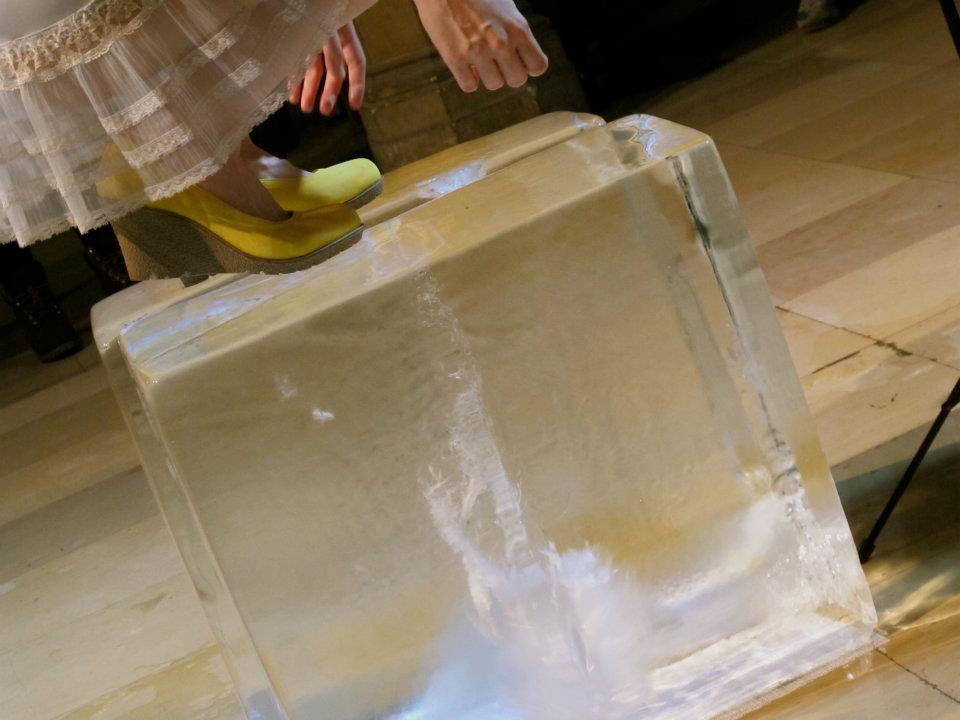
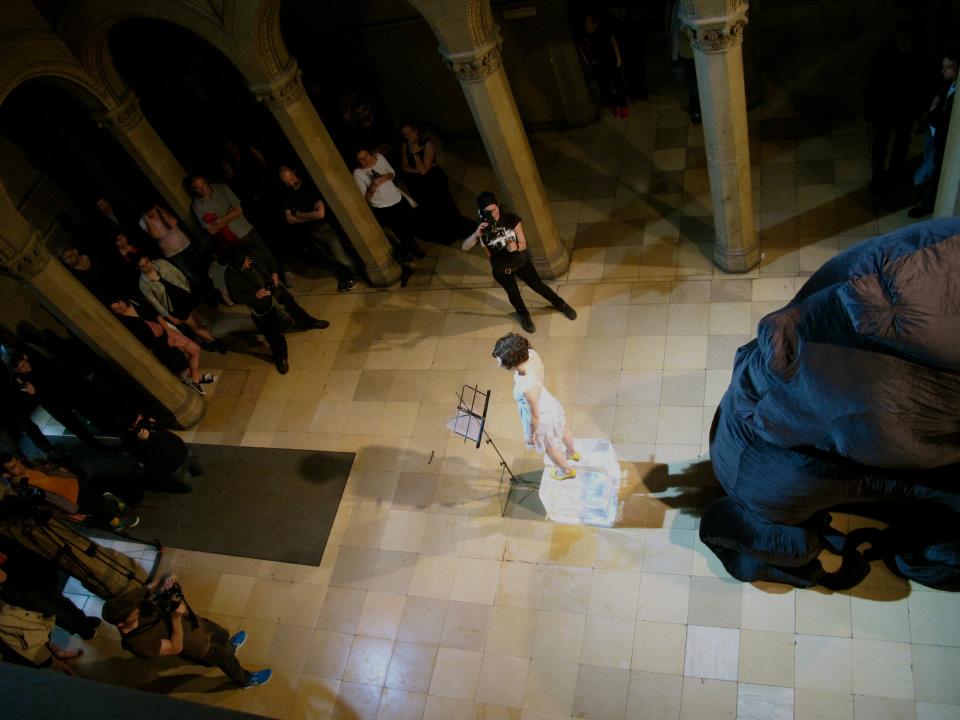
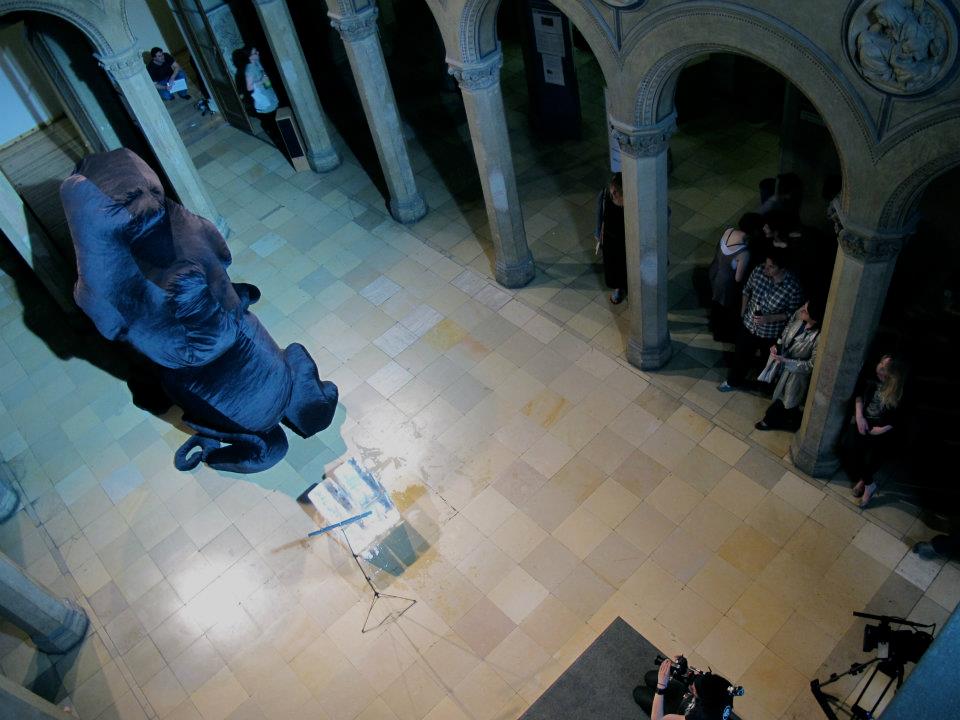
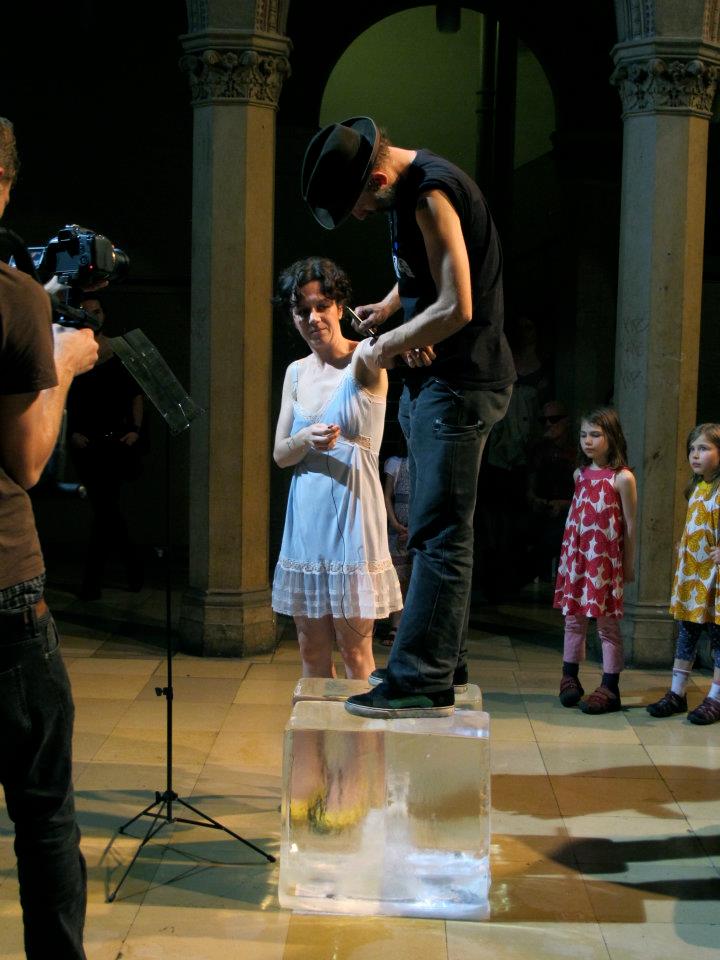
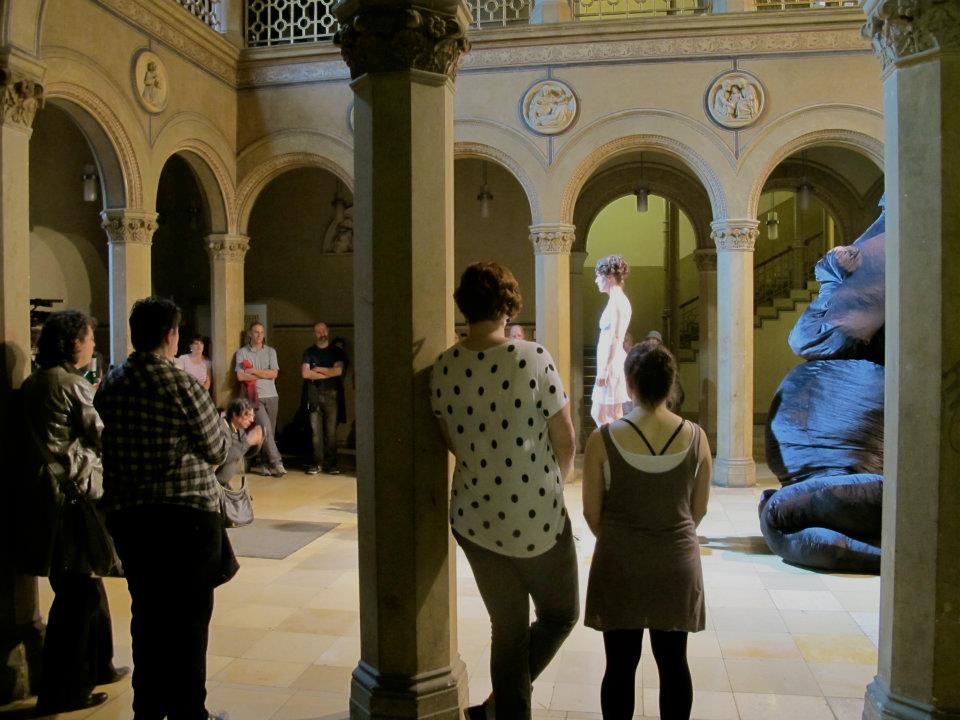
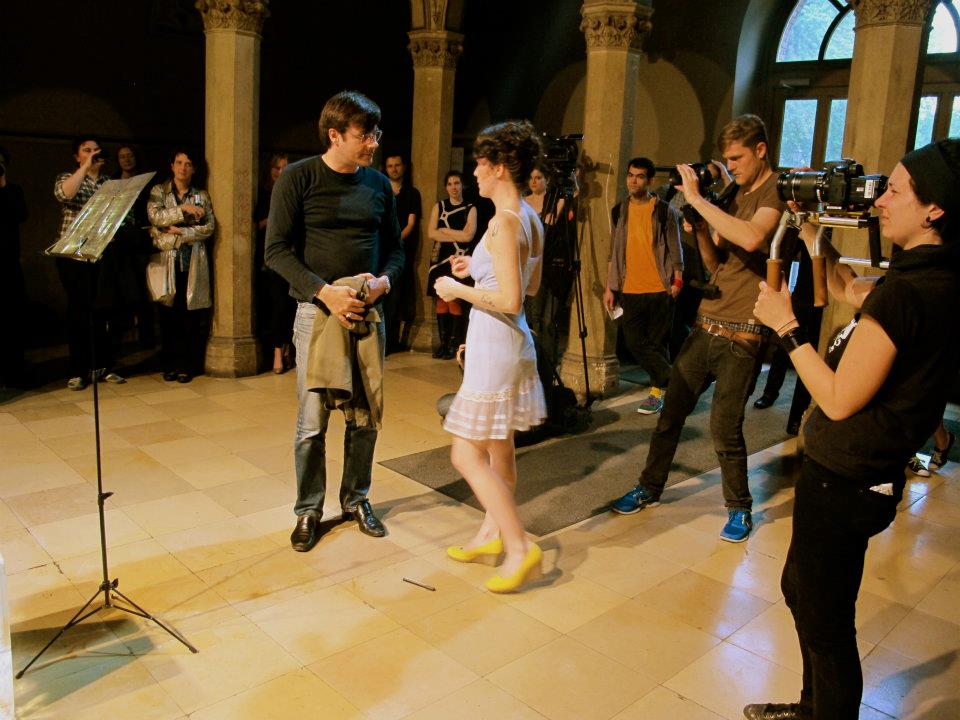
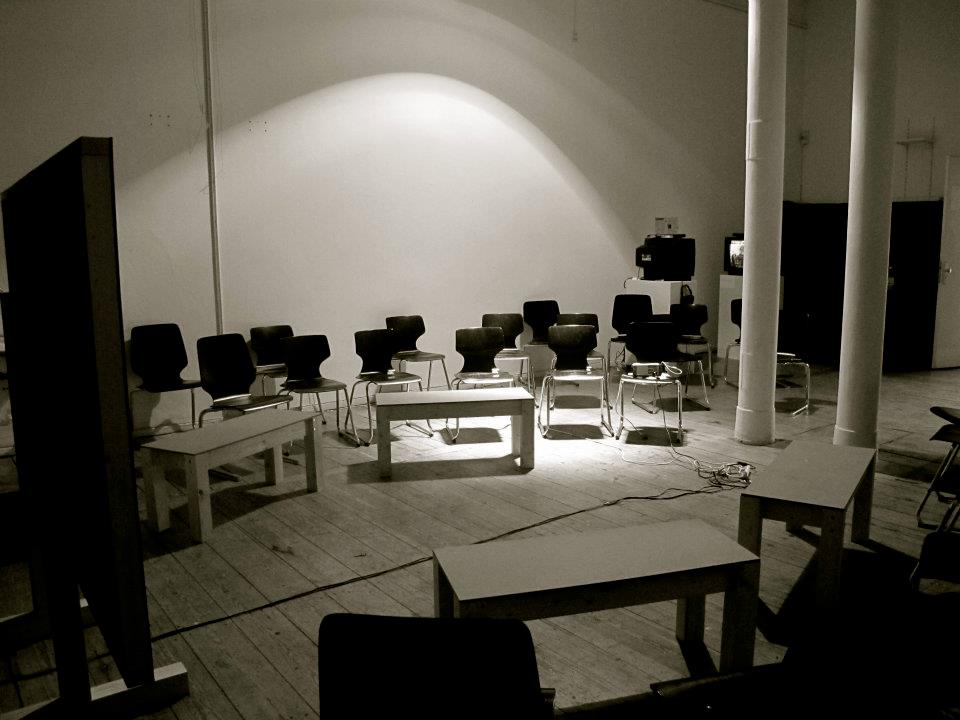
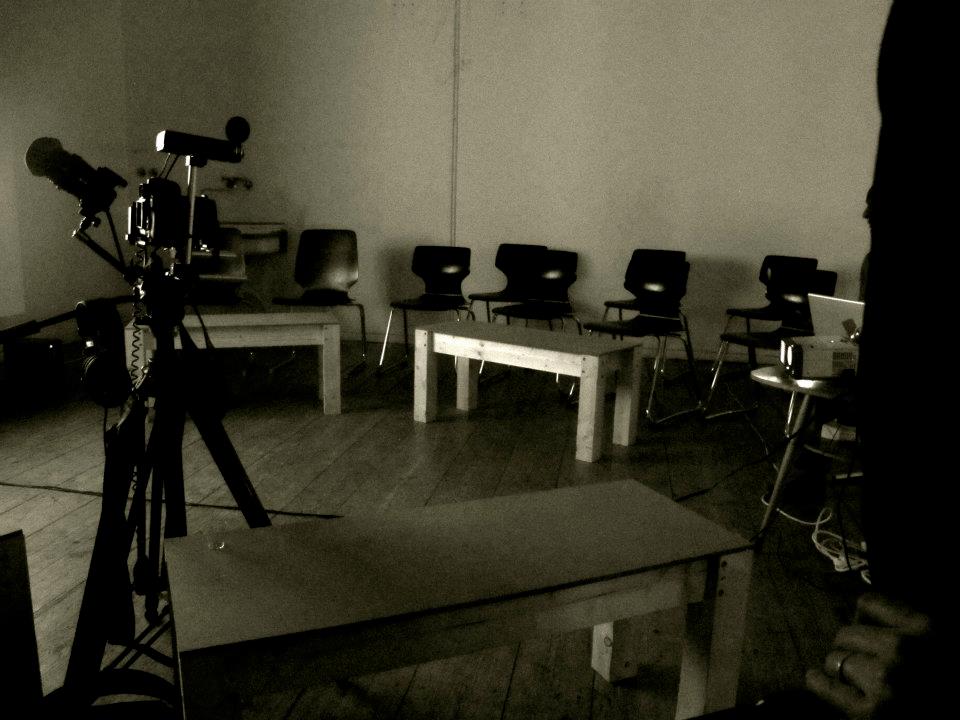
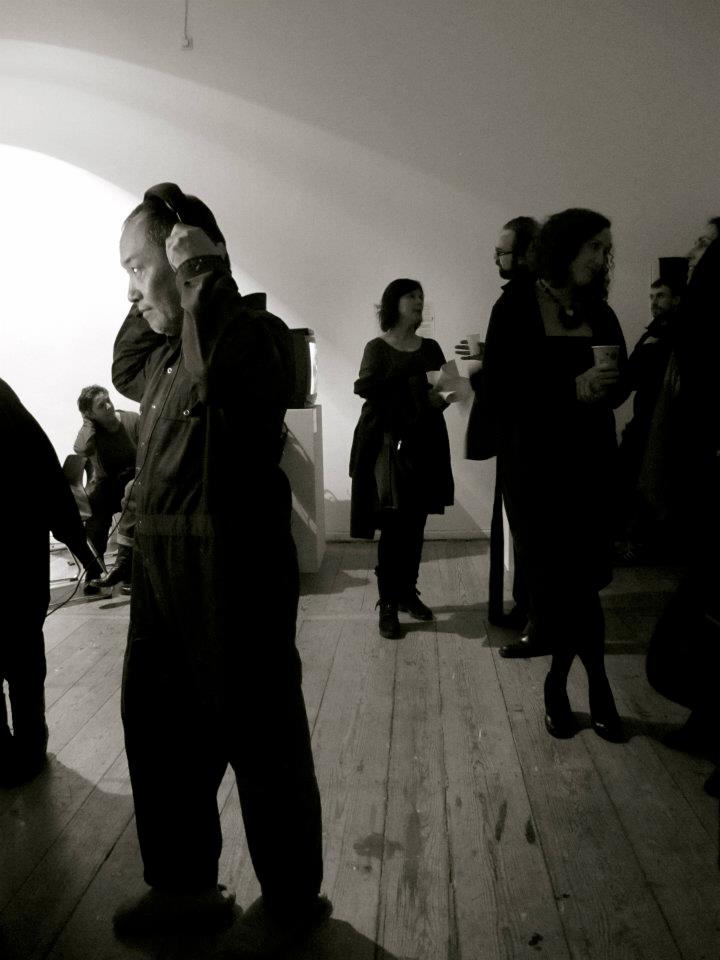
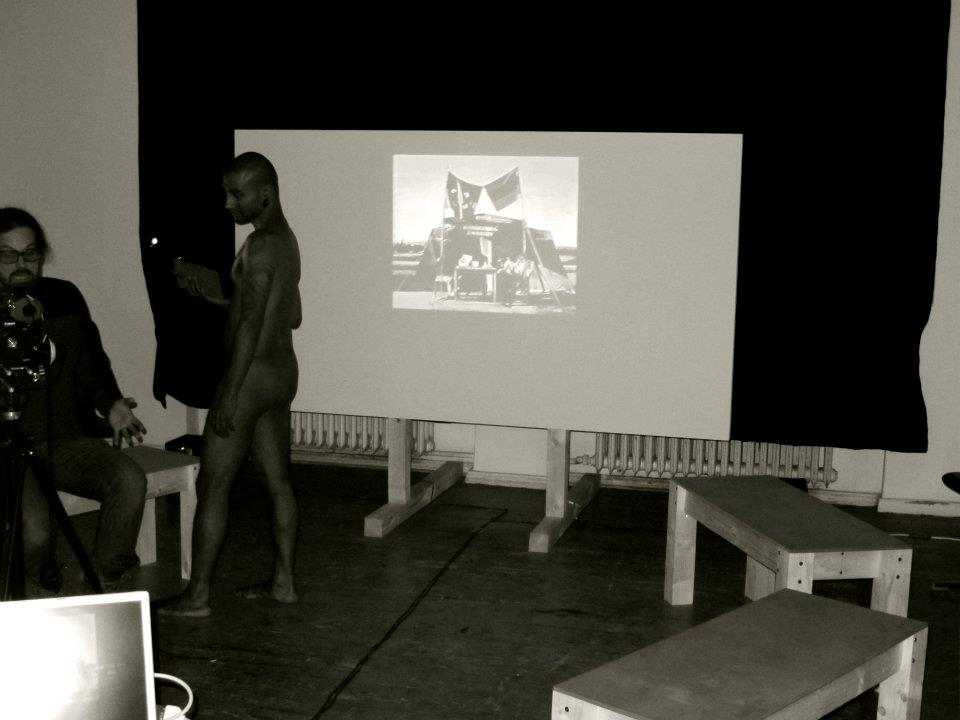
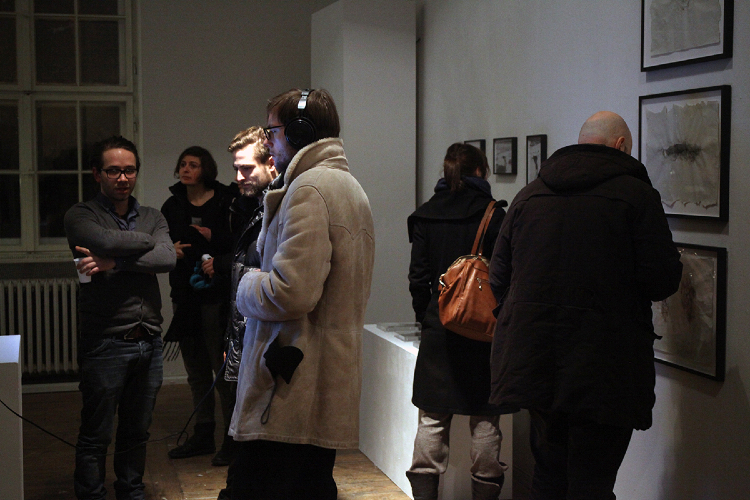
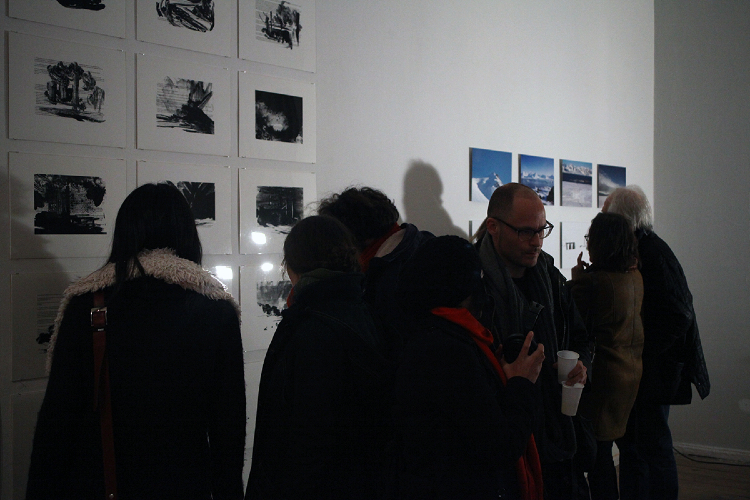
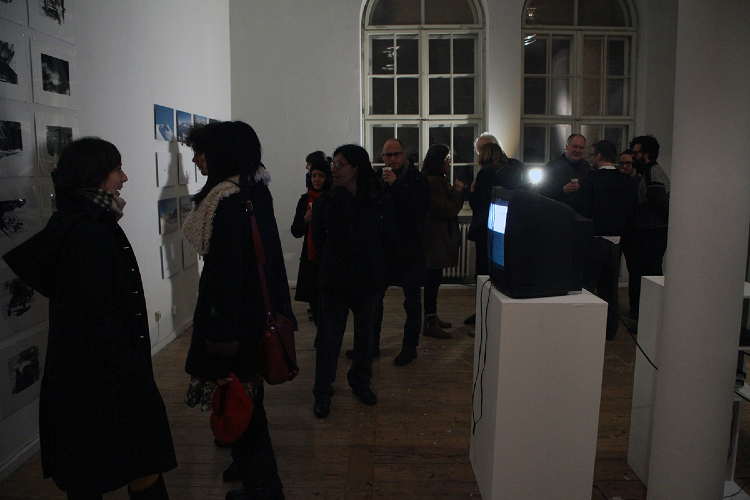
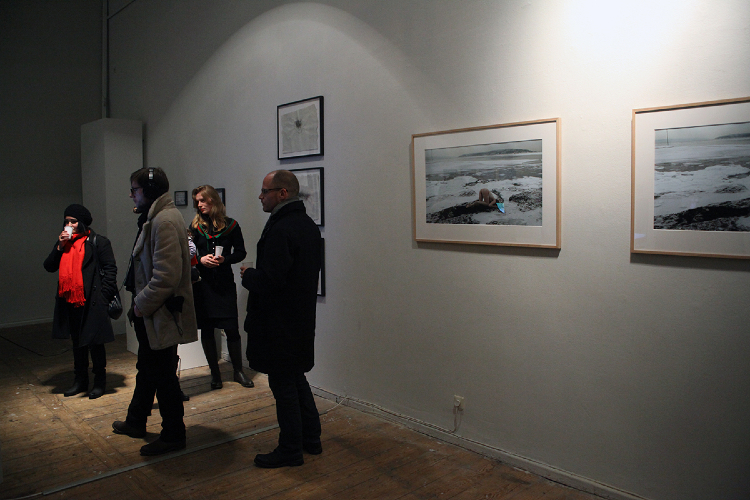
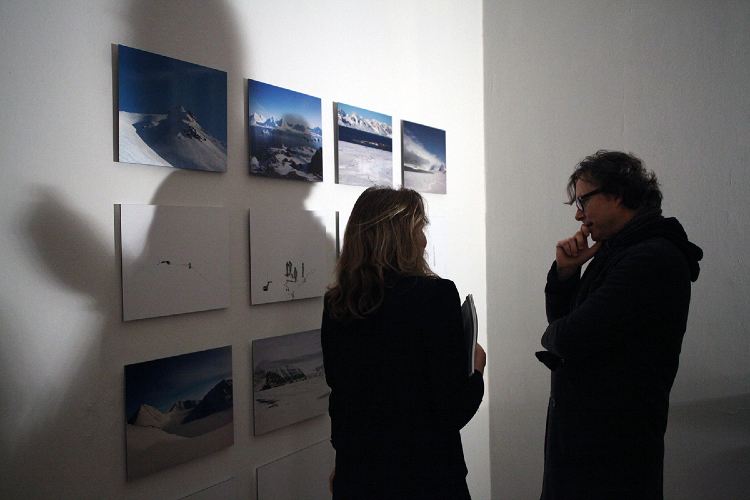
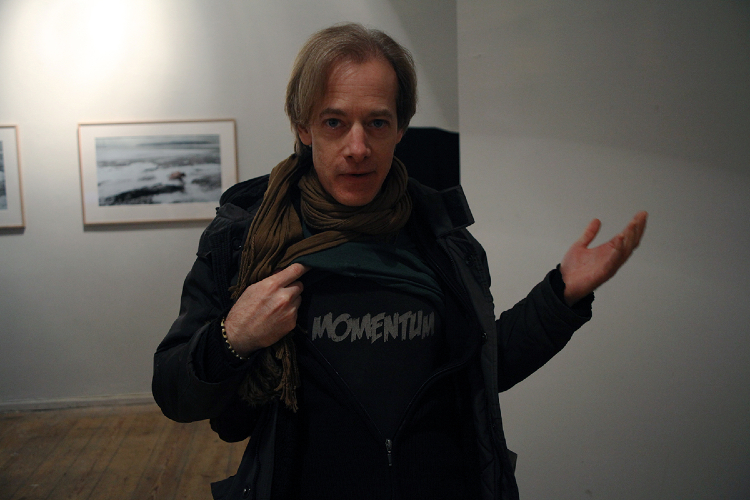
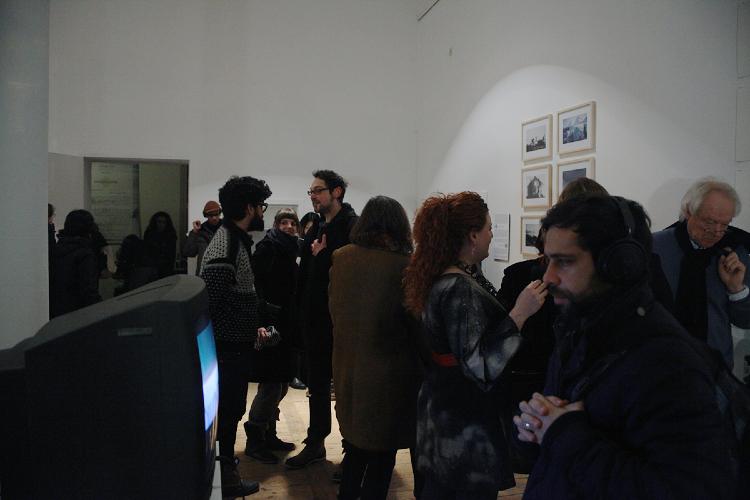
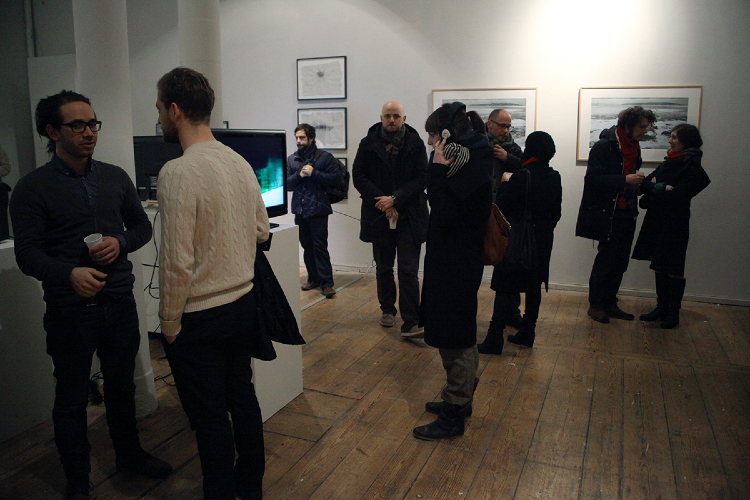
For Month of Performance Art, MOMENTUM curates a month-long program of Performance Sundays entitled WORKS ON PAPER. This exhibition series inverts usual assumptions, inviting performance artists to use paper both as form and as content; not as a blank slate upon which to create, but as a dynamic building block with which to create. Bringing together a diverse group of international artists based in Berlin, MOMENTUM invites them to work on paper and with paper to activate all the possibilities of the medium in unexpected ways. Working through durational performance, instruction pieces, physical and social architecture, live performance in dialogue with video performance, and a diversity of individual practices, WORKS ON PAPER invokes the breadth of performance art to reimagine paper: this most traditional of artistic media.
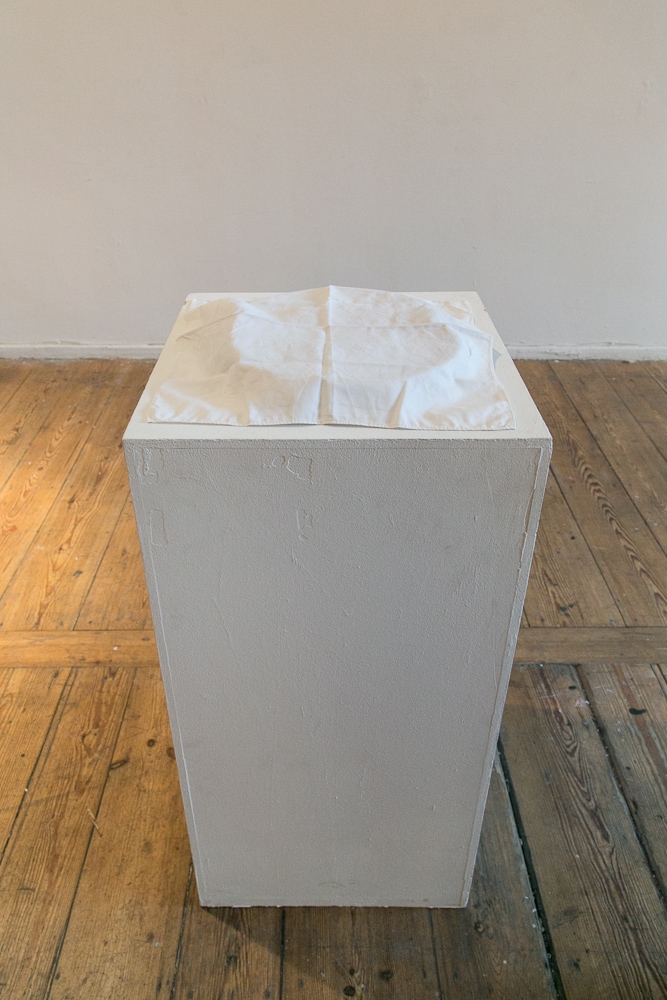
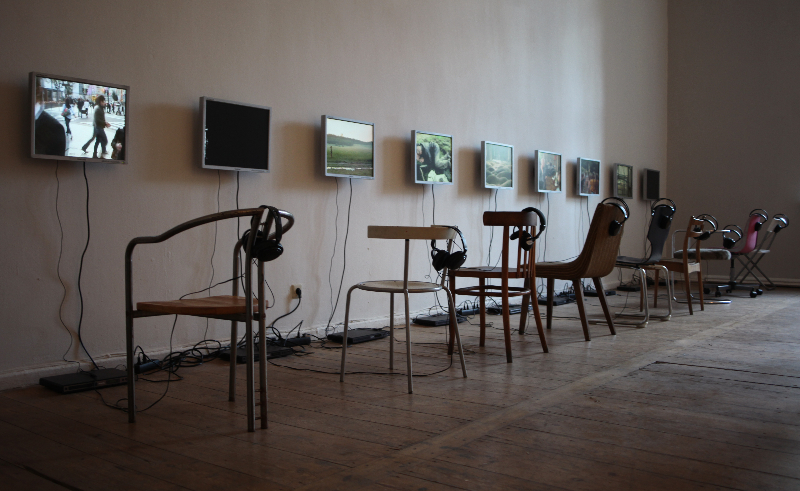
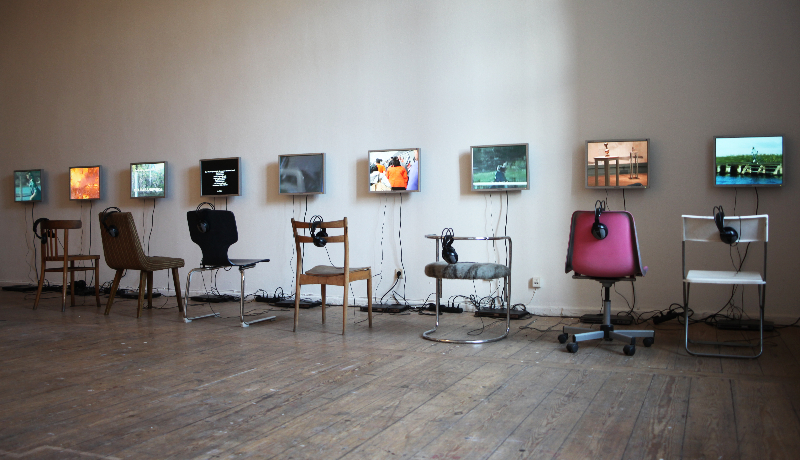
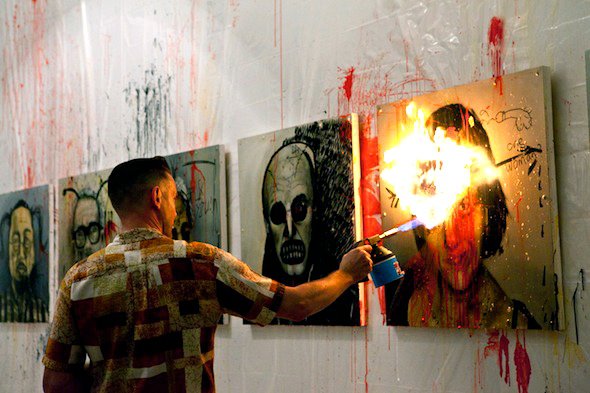
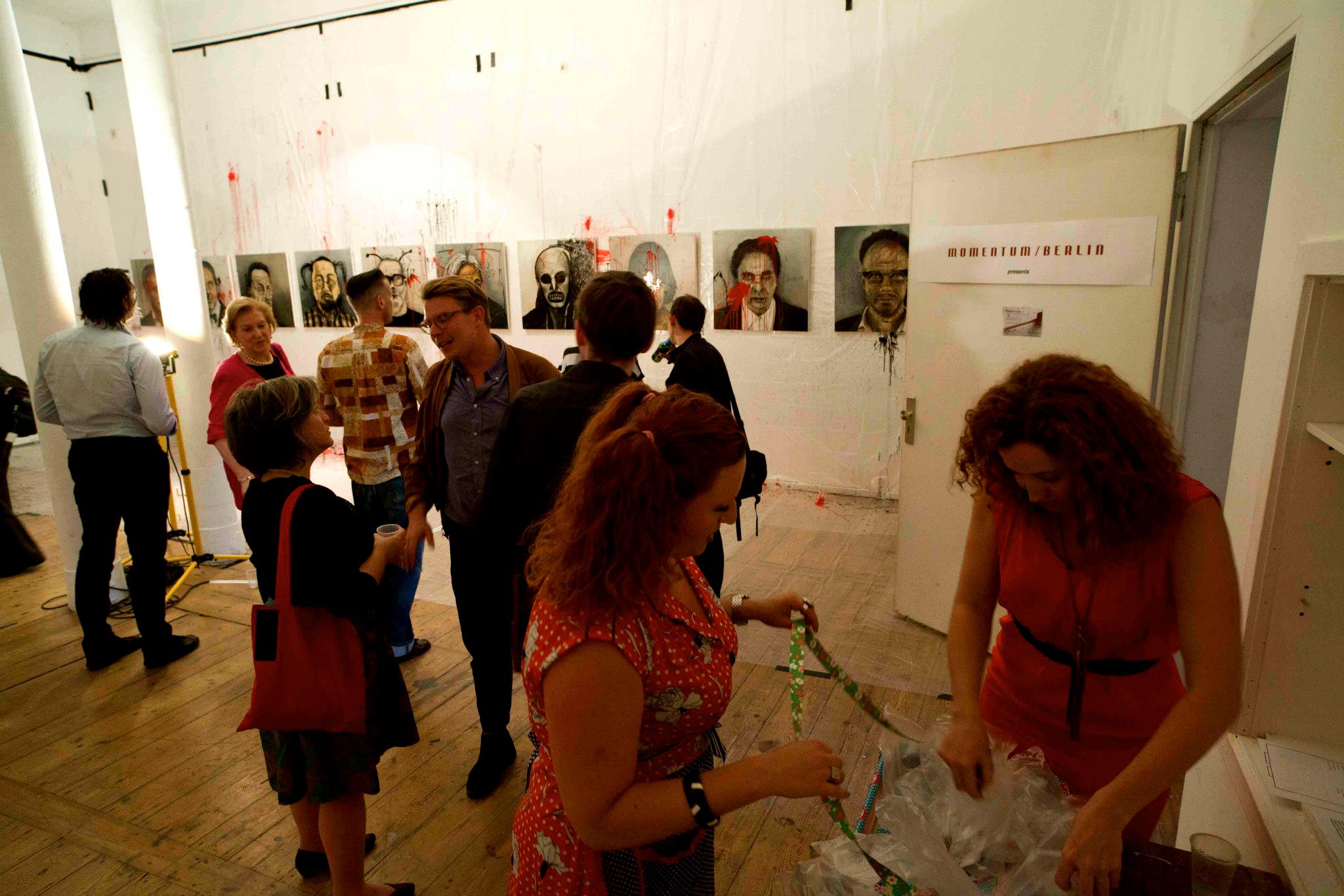
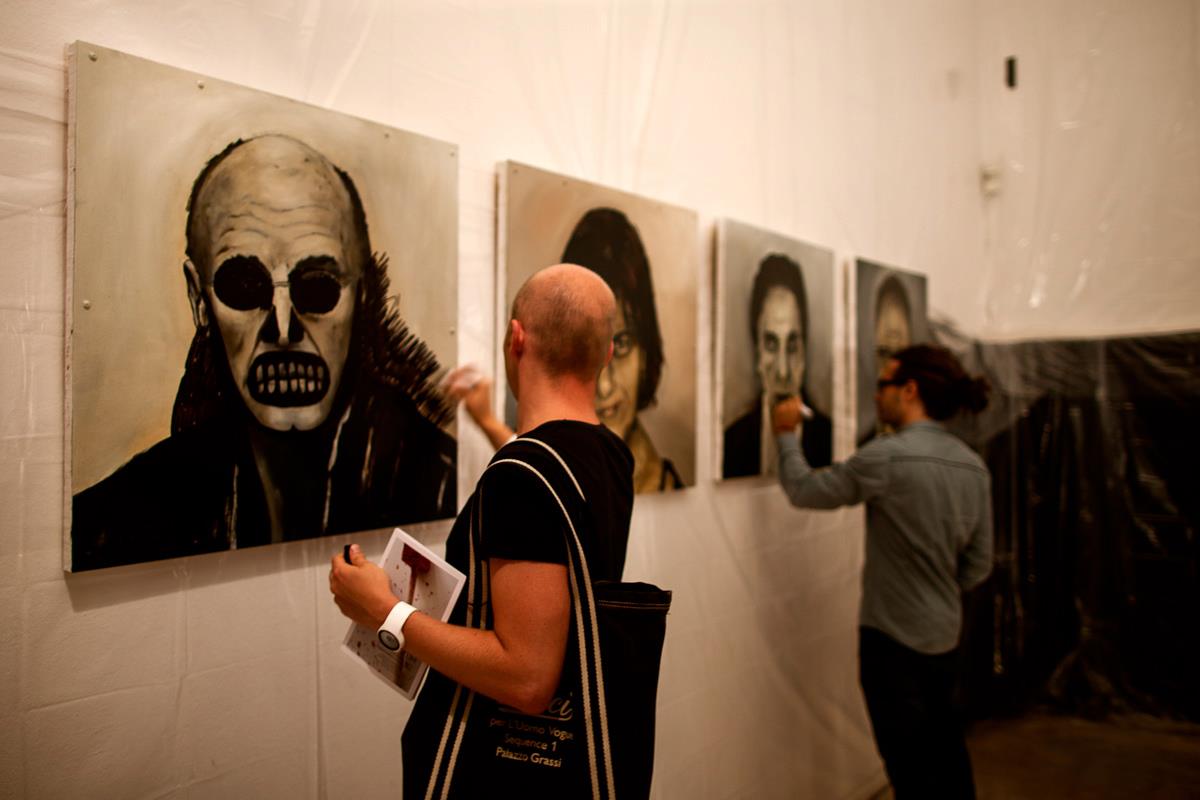
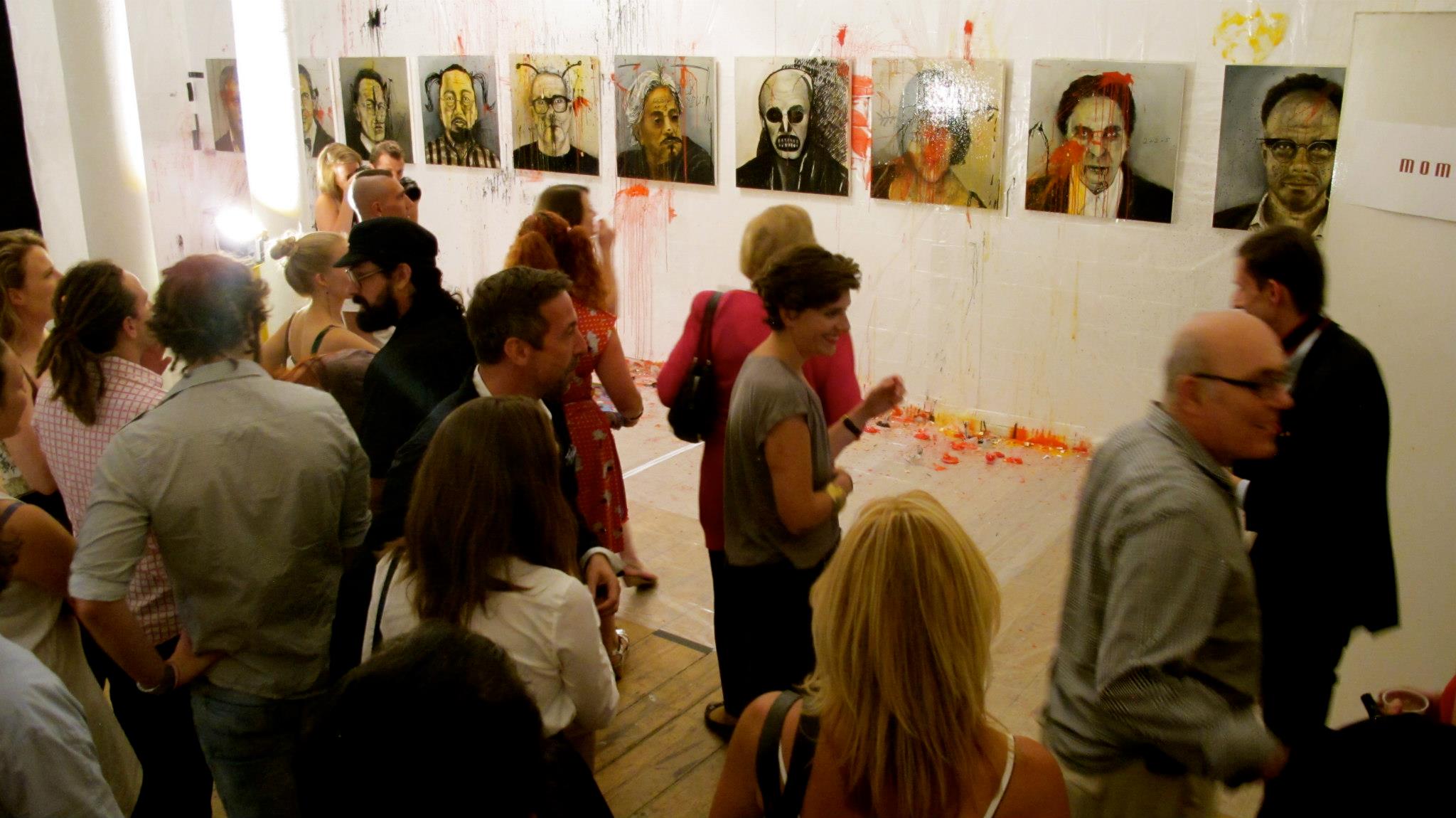
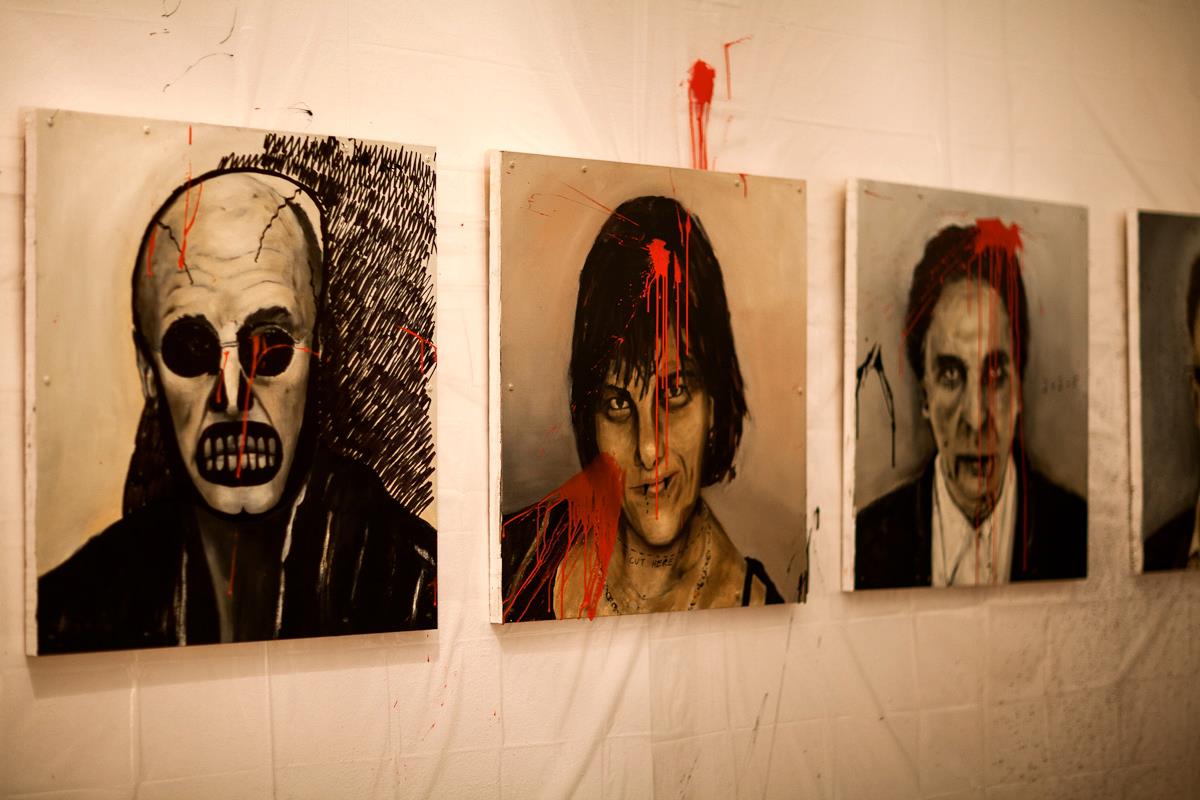
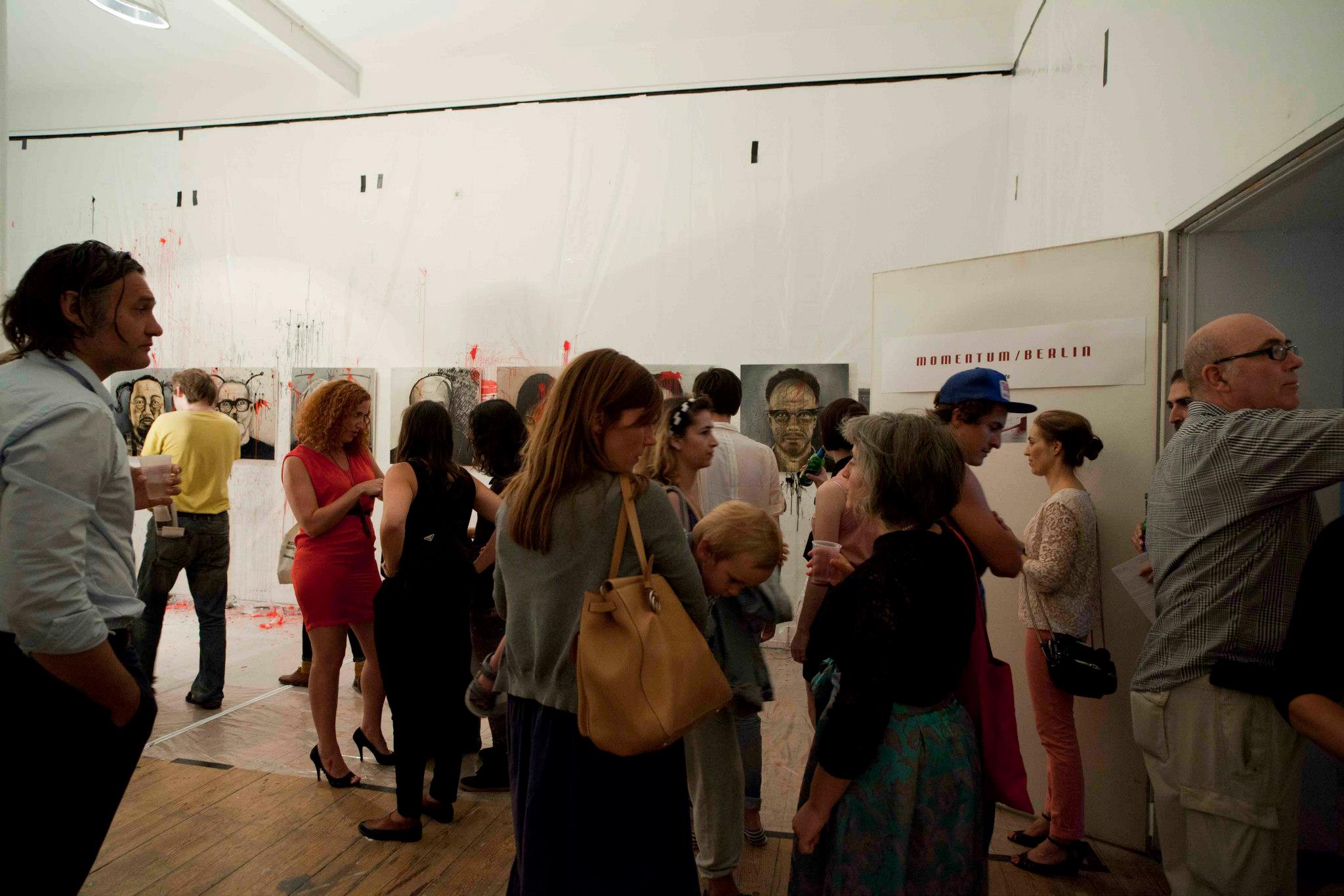
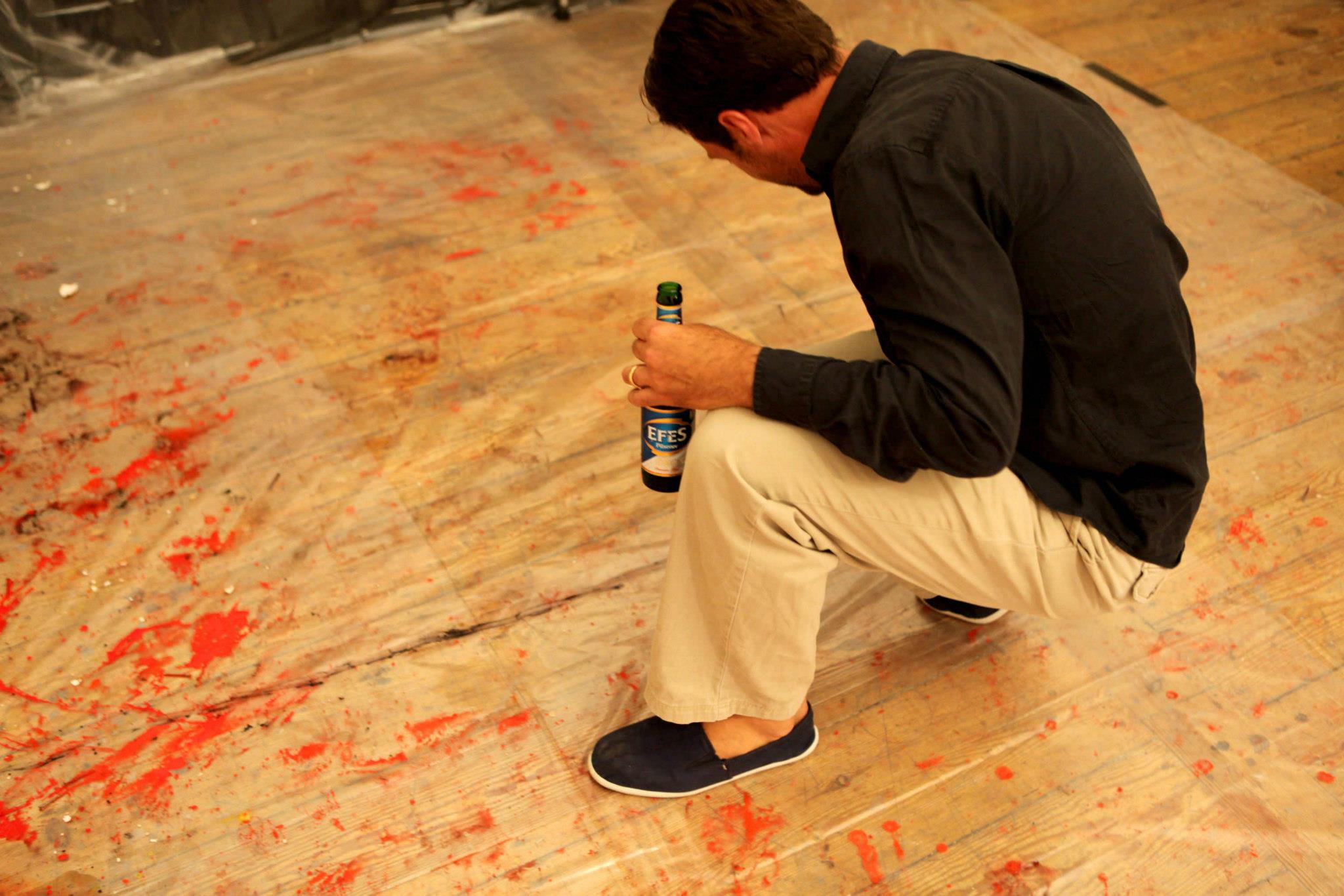
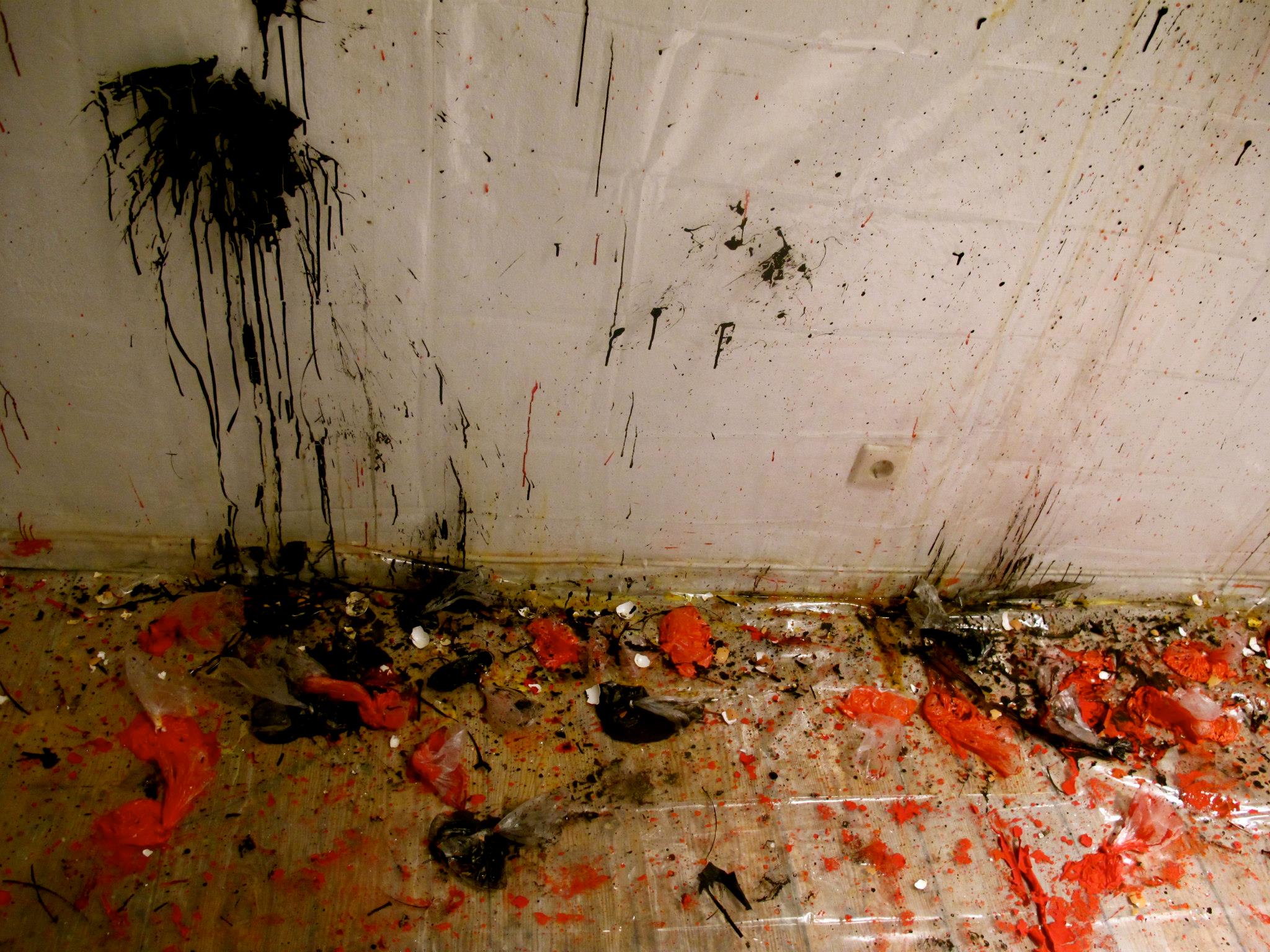
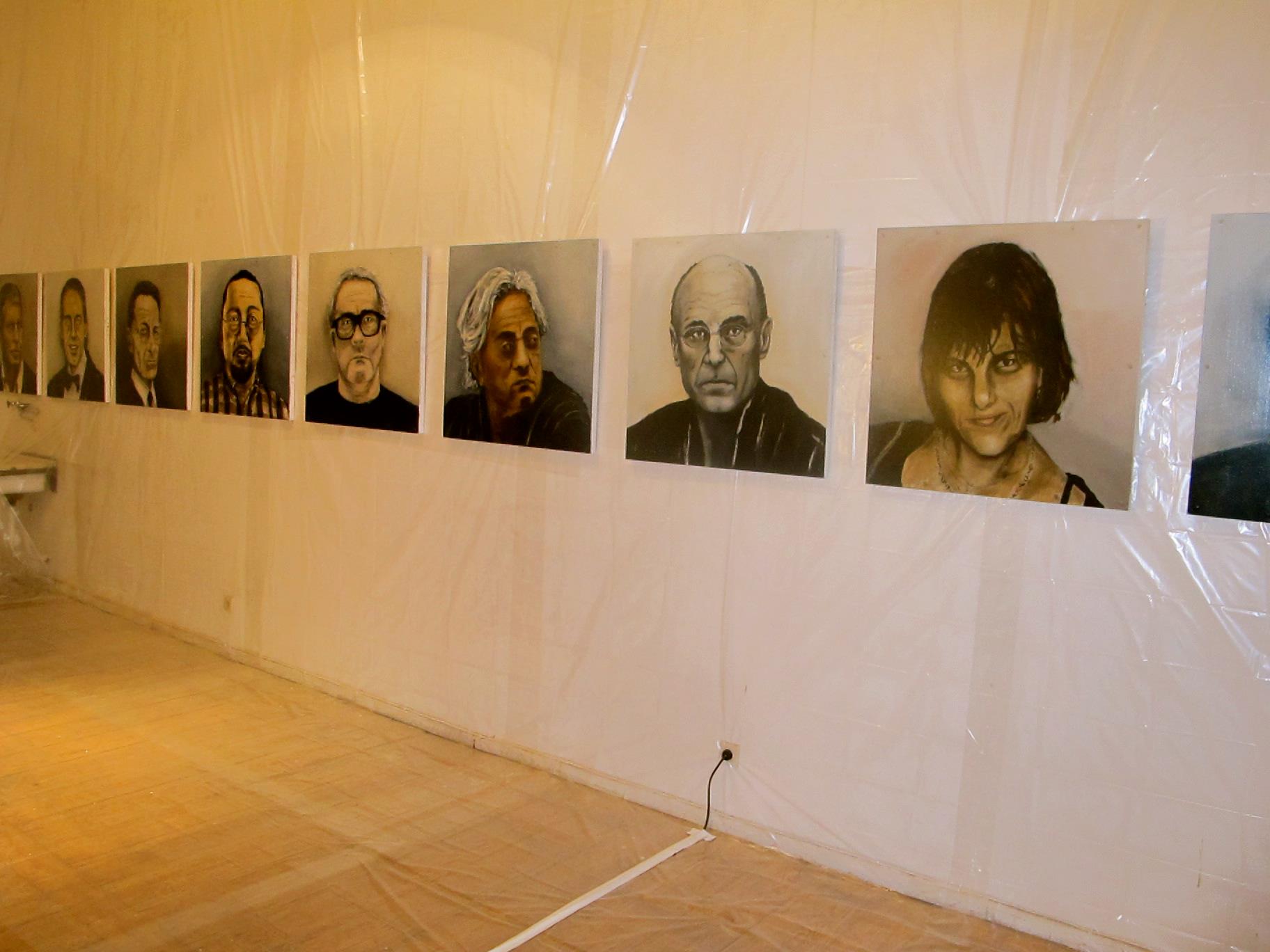
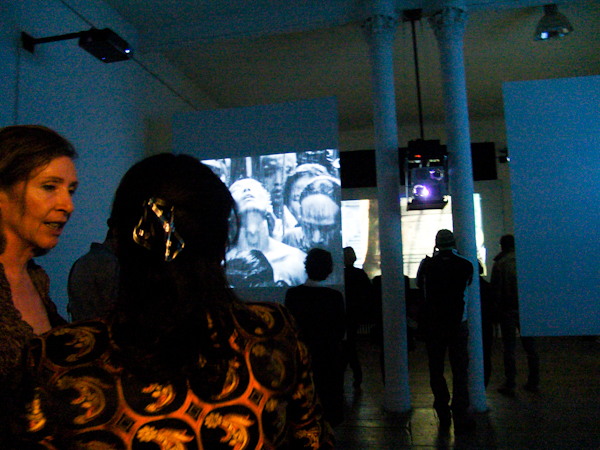
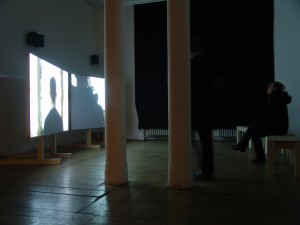
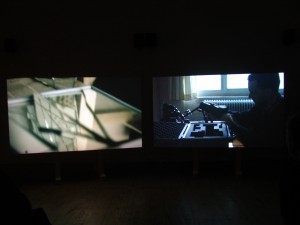
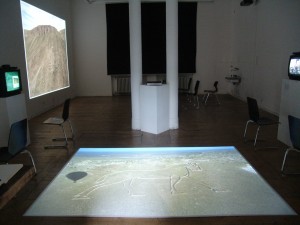
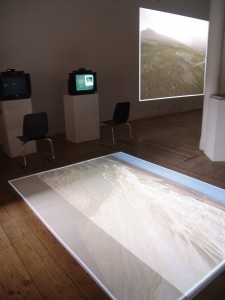
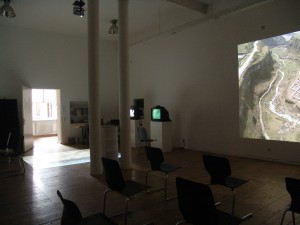
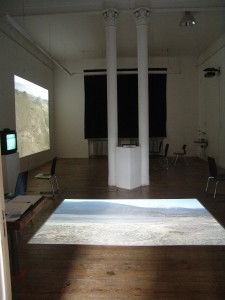
Following the conclusion of May’s Sunday Performance Series, WORKS ON PAPER transitions into an exhibition showcasing the accumulated artefacts and video records from each artist’s performance. In dialogue with the videography, these object-based remains take on an unexpectedly performative life. As the Performance Series progressed, the artists integrated the artefacts from the previous week’s performances into their own work, effectively reiterating the series itself through the viewpoint of process-based performance. By generating a cumulative, site-specific series through the appropriation of the remains of one another’s performances, the artists in WORKS ON PAPER challenge and reinvigorate the notion of the stationary, disengaged exhibition. What, they ask, is the life of performance after the event concludes?
WORKS ON PAPER will remain on view until 30 June 2013.
“Performance has been considered as a way of bringing to life the many formal and conceptual ideas on which the making of art is based.” RoseLee Goldberg, Performance Art: From Futurism to the Present.
For Month of Performance Art, MOMENTUM presents Works on Paper, a month-long program of Performance Sundays that repurposes and resurrects the most traditional of artistic media: paper. Following in the footsteps of such legendary artists as Josef Albers and Vito Acconci, Works on Paper inverts classic assumptions of the medium, inviting seven performance artists to approach paper not as a static, blank canvas, but rather as a dynamic source of sculptural, conceptual and performative possibility.
As an innovator of early twentieth century performance and art education, Josef Albers famously instructed his beginning students at the Bauhaus to explore the three-dimensional potential of paper. By revealing this fundamental material’s previously latent applications – its performance under tension, cutting, folding and twisting – Albers emphasized the process of materialization and its unexpected deviations over the finished, materialized product. As he explained to his students, “Art is concerned with the HOW and not the WHAT; not with literal content, but with the performance of the factual content. The performance – how it is done – that is the content of art.”
Decades later, American artist Vito Acconci based his performances not on the “page ground” he had formerly used as a poet, but rather on the physical ground of his own body. By shifting focus from the written word to the contours of his own figure, Acconci raised questions about the relationship between artist and object: How do the medium and maker relate, when they become one and the same? And what does it mean to collapse the boundaries between disciplines?
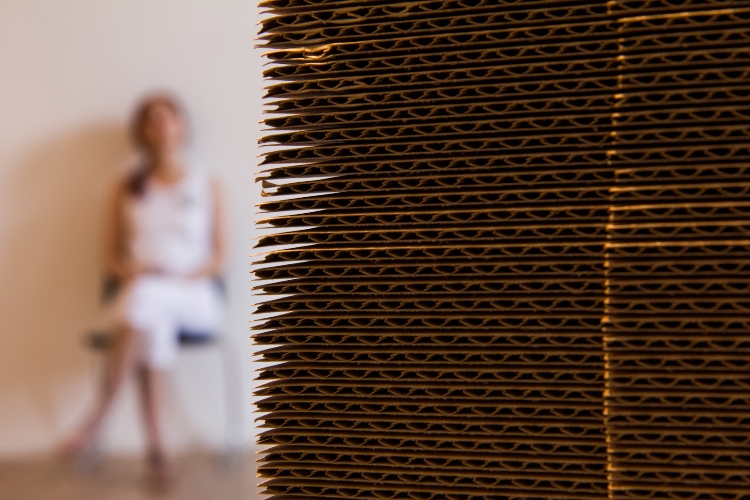
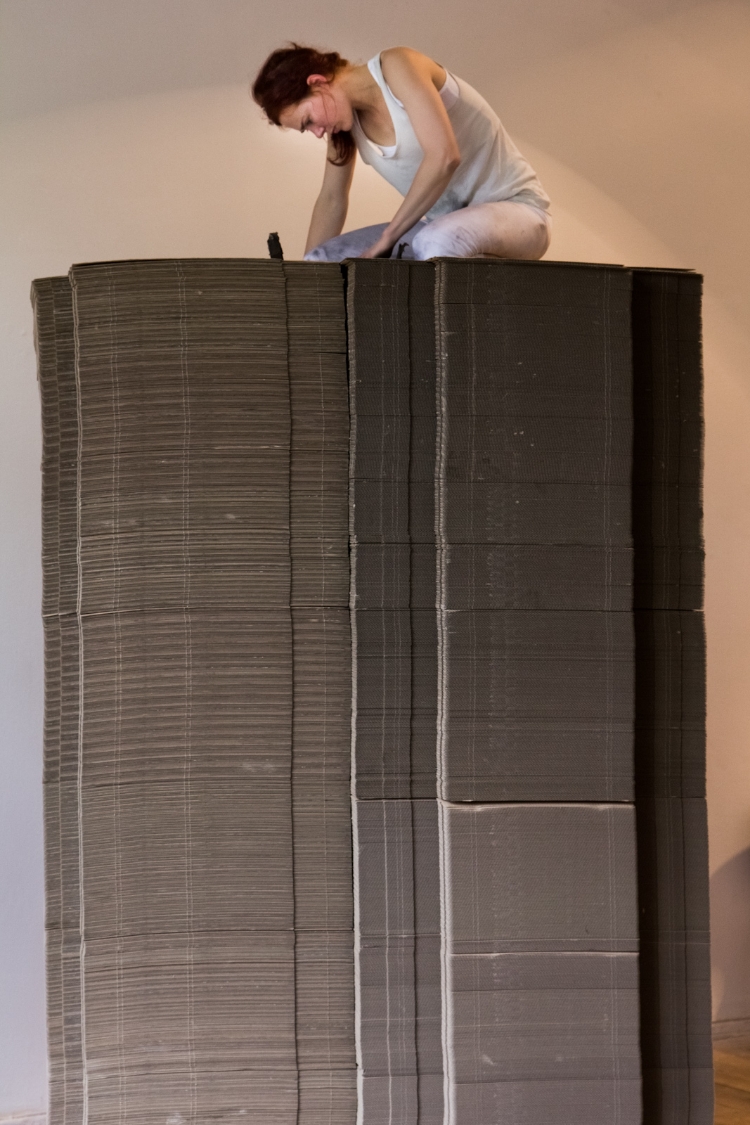
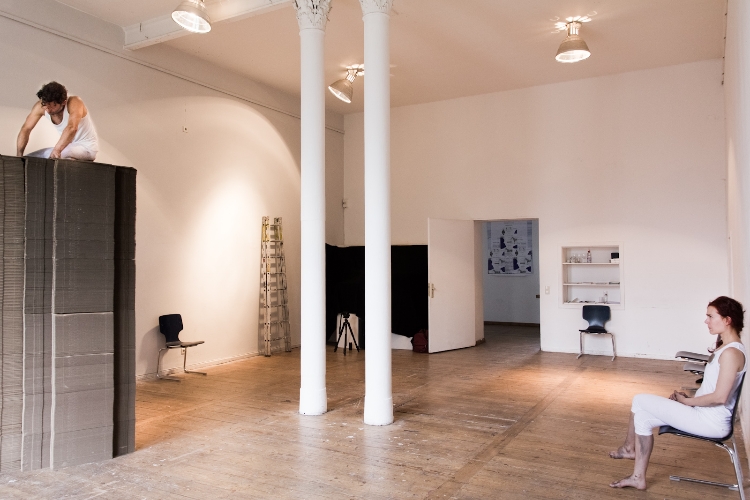
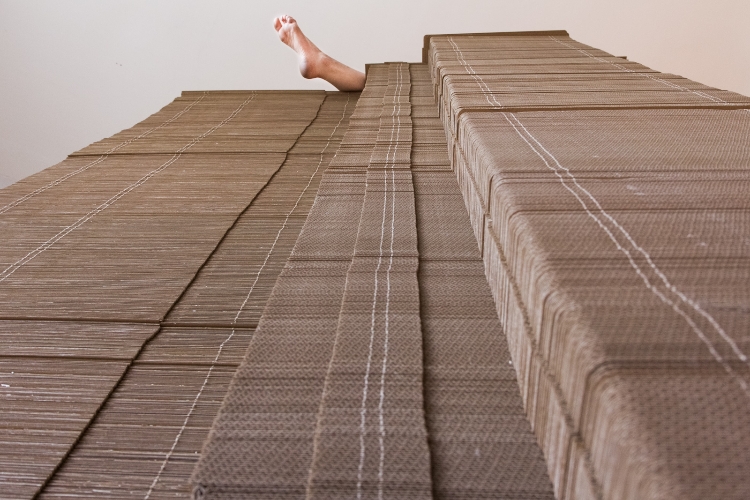
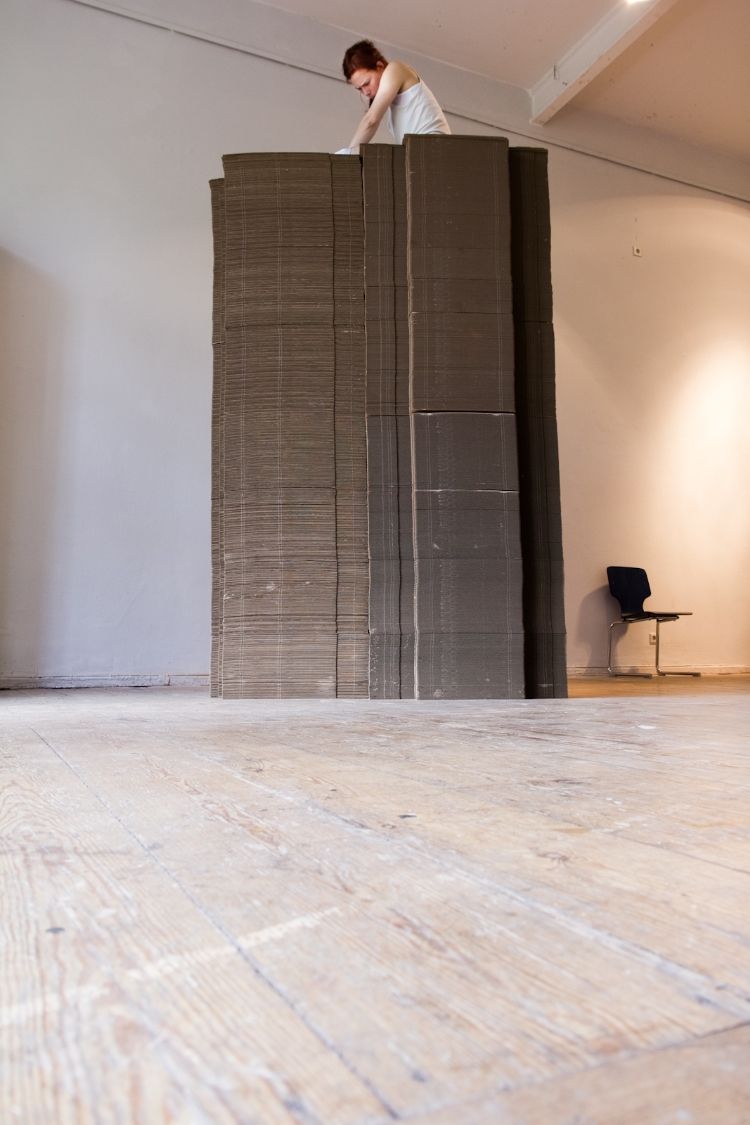
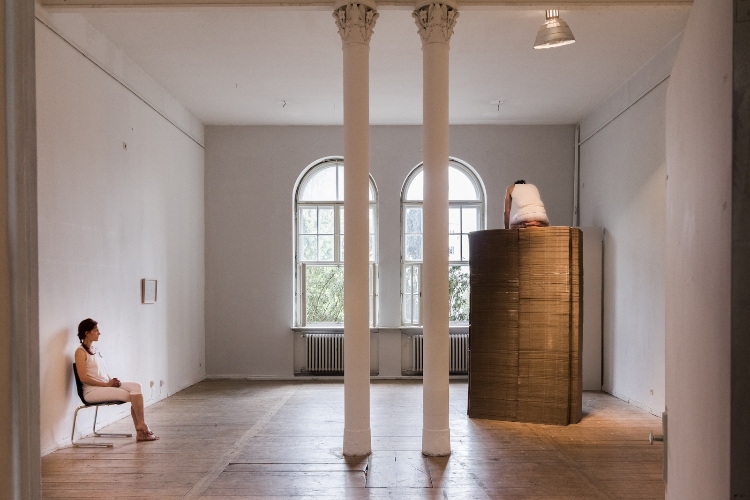
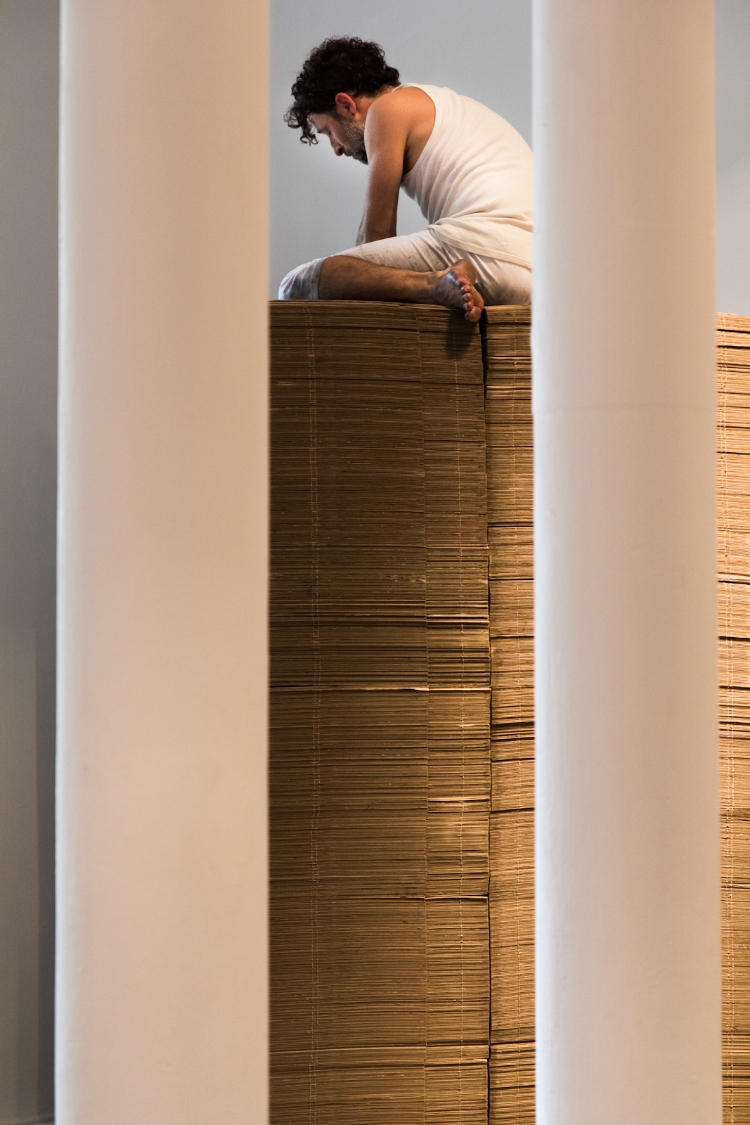
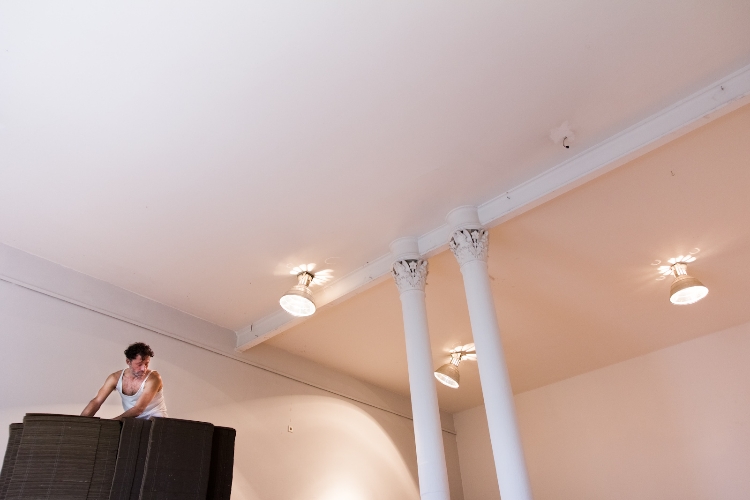
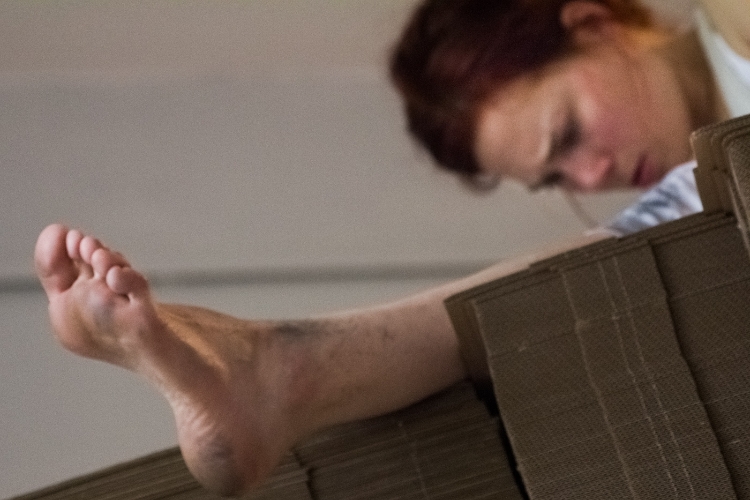
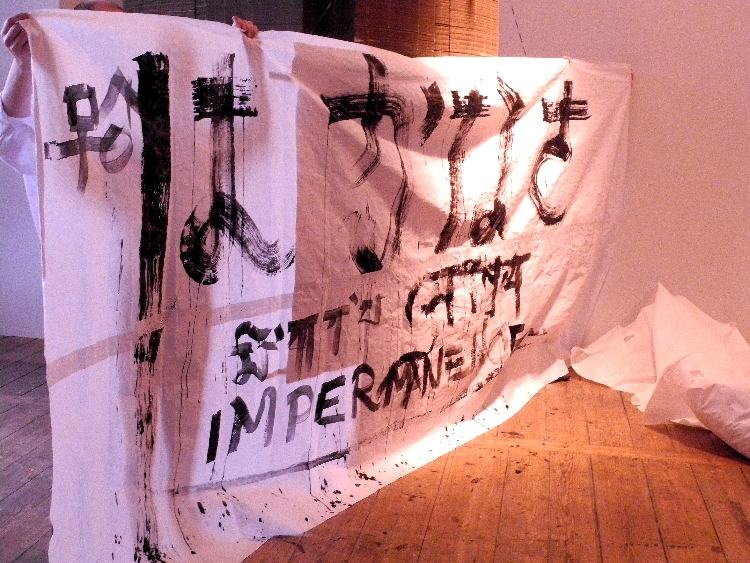
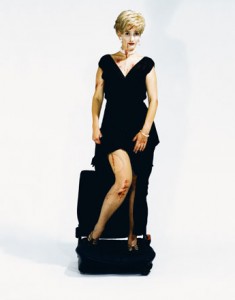
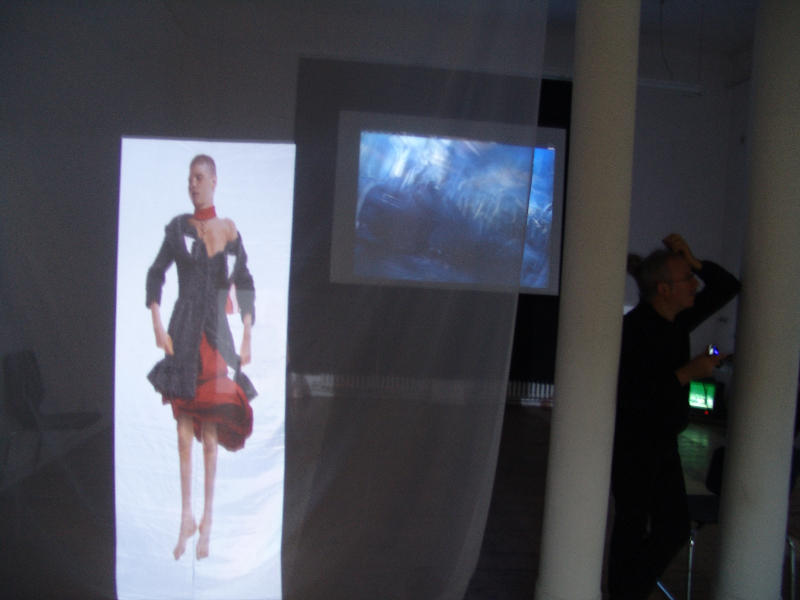
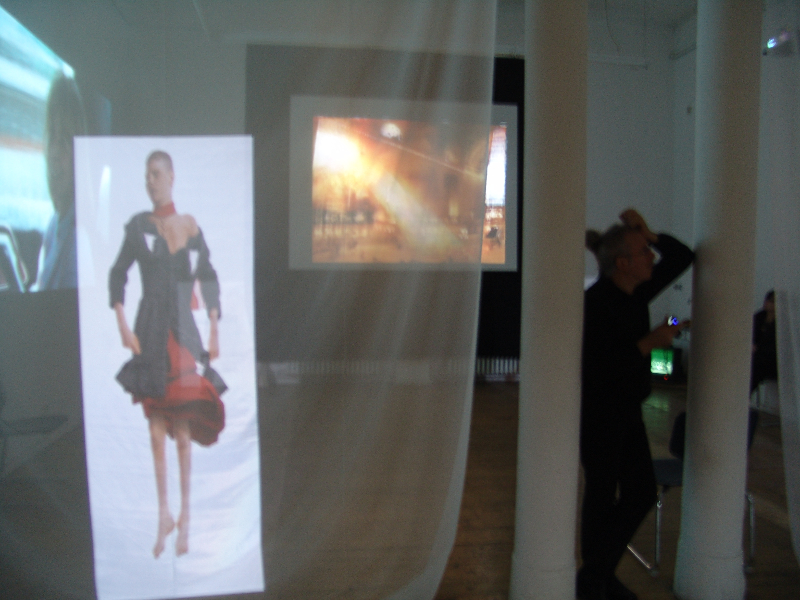
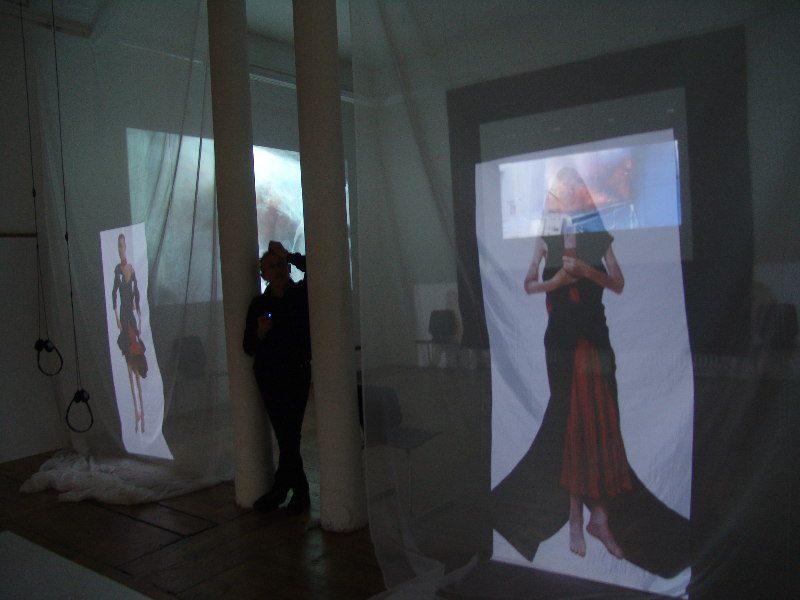
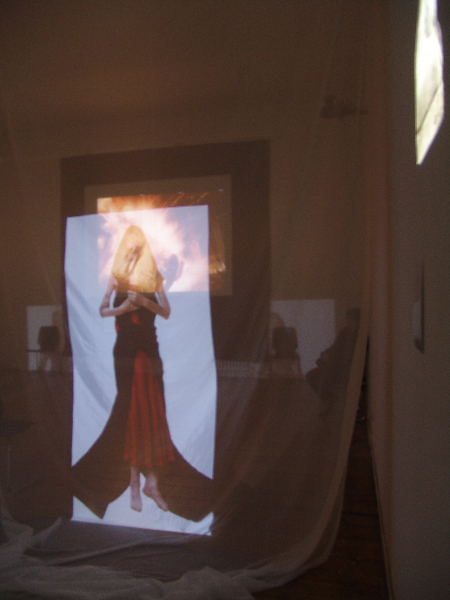
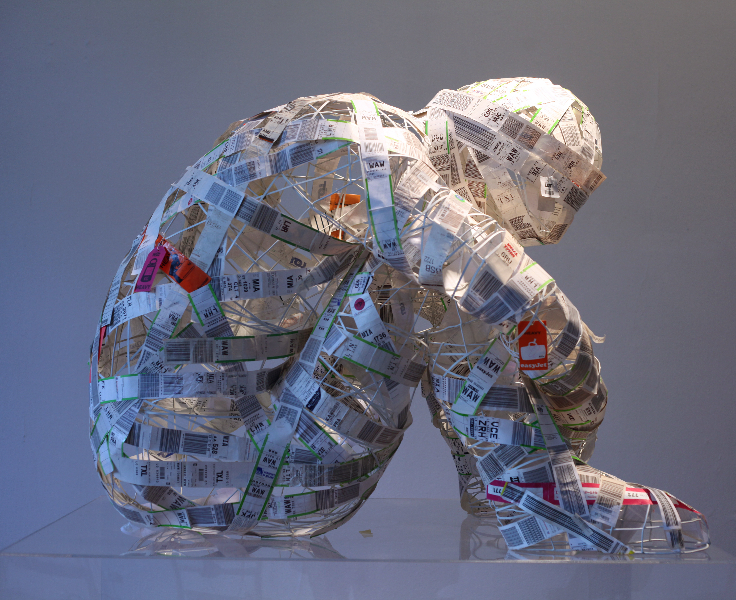
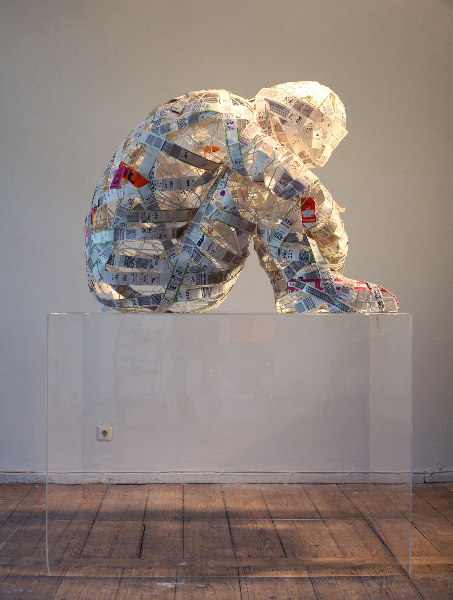
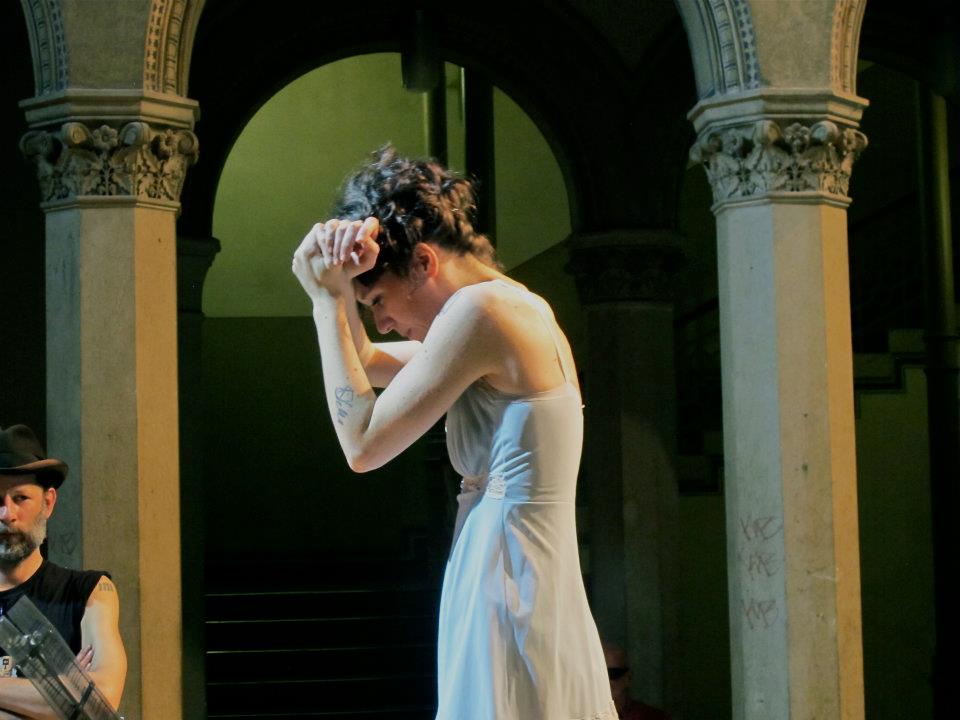
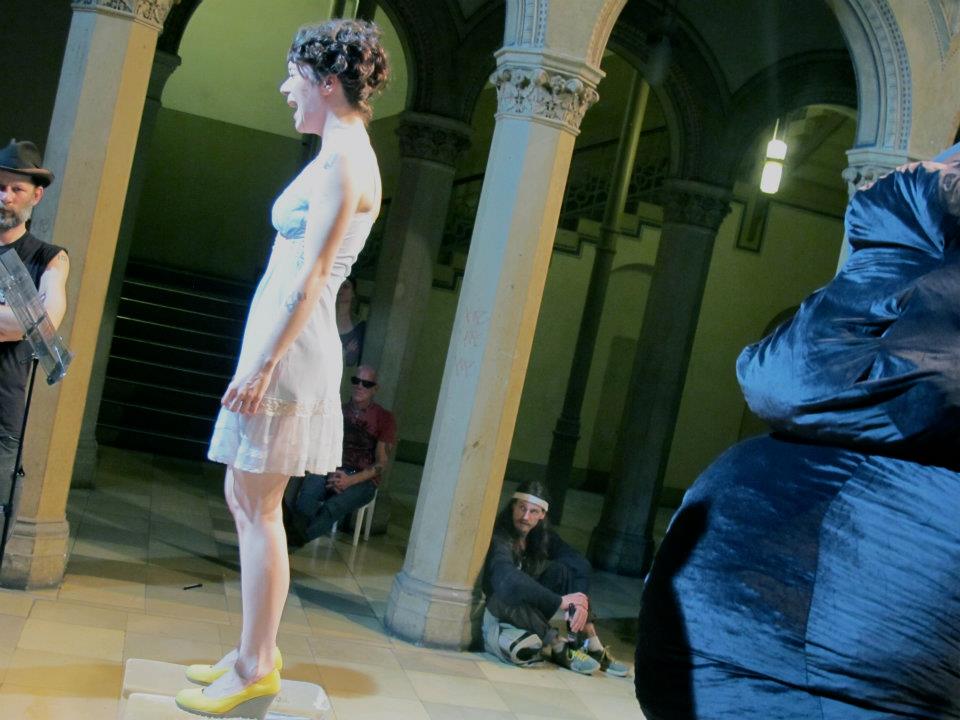
Through grappling with similar questions and themes, the seven international, Berlin-based artists included in MOMENTUM’s Works on Paper diversely approach this fundamental medium. Whether engaging in durational performance, instruction pieces, physical and social architecture, or live performance in tandem with video, these artists challenge expectations of working with traditional materials in real-time. Joyce Clay’s live and video performances consider the body as an extension of performed sculpture, questioning the role of the human figure as a collection of parts versus a singular, materialized whole. Her performances for Works on Paper, Book I and Book II, meld body and paper as an expression of intransient forms and the relation between repurposed, everyday objects. Mariana Hahn’s Empress of Sorrow merges performance, song and poetry and approaches the body as a paper onto which memory – specifically, a woman’s familial memory – is written. Kate Hers’s practice focuses on happenings that engage issues of transnational identity and cultural belonging, often through different modes of communication and public/private interventions. Yulia Startsev will investigate Nikolai Gogol’s book The Overcoat in a workshop-based performance, an event that will examine the self and social relationships in relation to the written – and copied – word. Kirsten Palz’s performance Manuals for R draws from the artist’s ongoing archive of manuals; begun in 2007, this project of over 317 manuals engages topics from dreams to memories to myth and social space. Sarah Lüdemann’s and Adrian Brun’s joint performance uses a mound of cardboard to create an architectural space that engages visitors in various acts of repetition. By continuously sculpting, carving, penetrating and shaping the surface of these mounds, the artists refer to underground movements that undermine political bodies until they collapse. In Impermanence, Emi Hariyama and Mariana Moreira examine the fundamental use of paper as a means of communicating and recording ideas, focusing on the medium’s short and ever-changing lifespan. Finally, Catherine Duquette’s On Presence | On Paper meditates on the notion of presence from the perspective of a writer, probing the gap between the actual and the desired self.
Ultimately, by refracting this traditional medium through the lens of performance, Works on Paper questions and challenges the very nature of artmaking and its formal, conceptual and process-based components.
The underlying theme common to my works is the conflict or dialogue with myself and my interactions with the world. What should I hide about myself? What should I show? What should I reveal? There are questions, there is inquiry – and all of this goes on within the context and with the understanding that I’m sharing the space and creating an experience with other people who are busy with the same thing. The two works I have presented here feature performance, sculpture, and body in an intertwined relationship. Body is a part of the sculpture, and an inseparable piece of it. The performance is putting into question the presence of the body, and the experience is relating to the artist as a person or as a part of the object in that moment. As the designer of these frameworks for experience and an integral performer of them, I experience the performed sculptures as an extension of my body, and as a frame for my body that defines borders, declares division, and offers points of access and inaccessibility. In these works, I create a specific structure for the situation or interaction, which I assume has clear guidelines. However in reality, each person present, individuals loaded with imagination, cultural conditioning, social inhibitions, influence of their peers, will perceive, interpret and act differently in the given situation, and that’s when things get interesting.
“His father’s name was Akaky, so let his son’s name be Akaky too. In this manner he became Akaky Akakiyevich. They christened the child, whereat he wept, and made a grimace, as though he foresaw that he was to be a titular councillor.” (Nikolai Gogol, The Overcoat, p. 1). To write, rather than to speak; to put to paper any given thought is to somehow bind one’s will to language. This is the weight that a paper frequently carries. But, to copy, is to somehow exclude one’s self from the process of making the word real, an avoidance of binding one’s self to the concept and meaning of language. A workshop-based performance will function as research into Nikolai Gogal’s book The Overcoat, both examining the act of copying from the perspective of Akaky Akakiyevich as abstraction, and as a societal relationship.
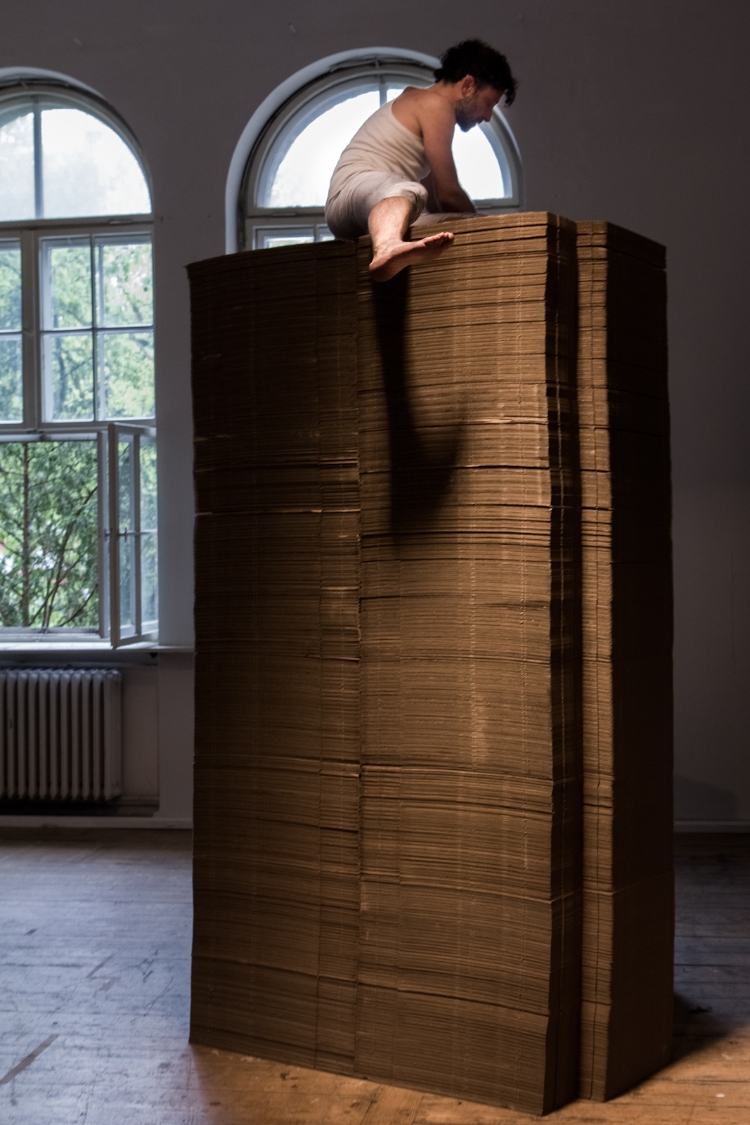
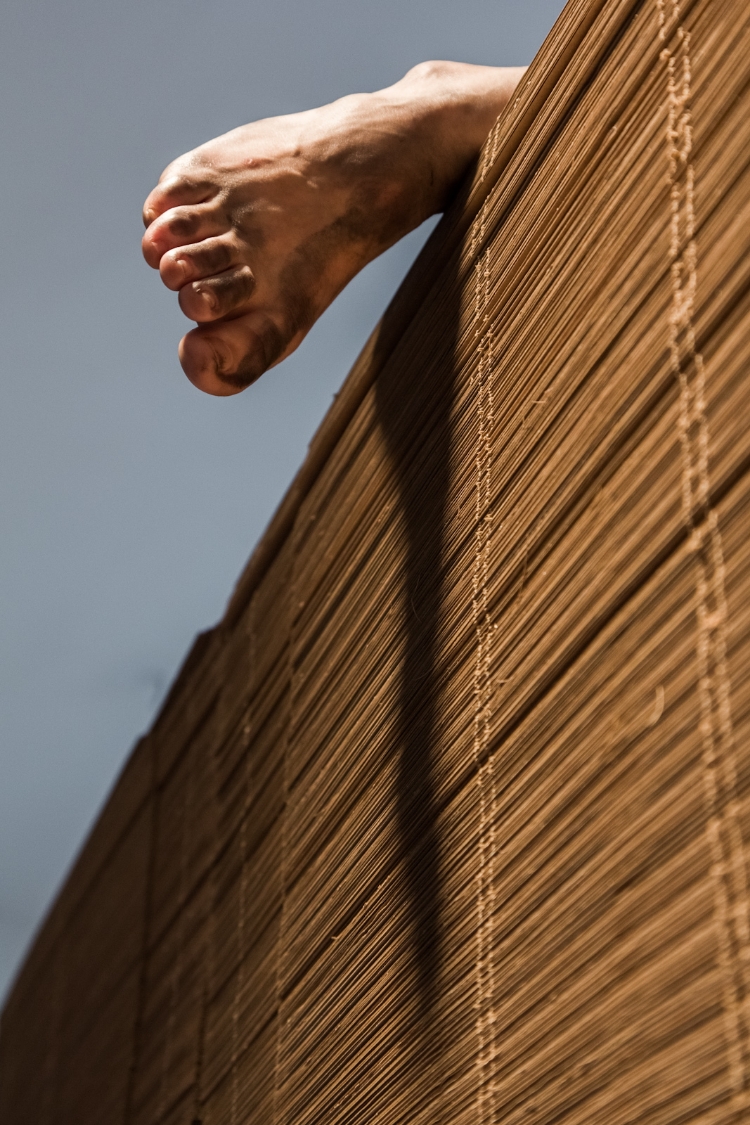
The pile of paper containing thousands and thousands of sheets is reminiscent of laborious and repetitive exercises that are used for drill, punishment or mastering a skill. In this sense of an ongoing production and reproduction the pile also generates a metaphor for something one sits on top of in order to breed and keep alive, like a pile of eggs and in a more abstract sense a set of rules and traditions or a system.
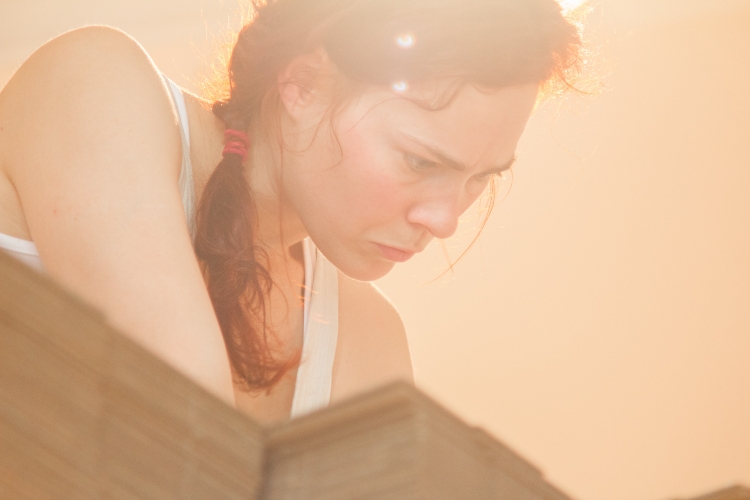
In its multitude the sheets of paper become a solid body, which cannot only be marked on the surface, but also carved into, penetrated and shaped both literally and metaphorically. While the structure – the appearance of the pile – remains intact on the outside, changes occur on the inside. Both destroying and building, this penetration of the body may be regarded in a political context as a metaphor for underground movements and the act of undermining systems and ideologies, until they eventually collapse. In the context of scholarly, repetitive exercises the two performers take on the roles of master and disciple.
The seeming authority of the observer or the master is in itself a failure within the system, as the action carried out on top of the pile is not completely visible. Both the observer and the observed are aware of each others presence and their limited control. Somewhat both roles are interchangable, so that everyone is the observer and simultaneously the observed. The acceptance of this ritual is an absurdity in itself, however, it is so that systems continue to function or are eventually changed.
From Germany and Argentina respectively the artists are drawing on their personal histories as well as those of their countries, challenging current political systems and social power structures (class, gender, race, religion) still shaping our times.
Performers:
Maria Angeli as The Empress of Sorrow
Rowan Hellier as The Deed as Word, Words as Tear
Ingrid Goetlicher as The Lady of History
Mariana Hahn as The Servant of History
The empress is wrapped into Lethe (forgetting)
Lethe is being washed off her.
With each washing, with each further needle work, with each word sung The
Empress remembers more of Ate (sorrow), each sign made upon the hands of
her fellows deepens the inscriptions made by the Lady of History upon her skin,
connects The Empress to the net of the world, until the Empress is fully wrapped
into Ate, into life.
“My dog, an avatar of Job, lacerates my foot with his desperate teeth and forever prints his message of indignation in the flesh of my memory.” This is one of the first sentences of Cixous’s foreword to her Stigmatexts. The body as paper onto which memory is written, wherein an augmentation of memory by a mnesic growth can be perceived; a scar has found its voice, it has been born like a dark star, orbiting the plane of our perception. The stigmatized person shows traits of a saint and an outlaw at the same time, both a martyr and condemned, elected and excluded. This is what the stigma conveys, a paradoxical message: It lives in between the worlds, as an interlocutor of the underlining message of humankind’s ill figure.
Empress of Sorrow is a work that contemplates the body of a being enchained by pattern; the fate of this being’s family writes itself into the body as if it were a blank sheet of paper, with the body of the woman becoming host of the family’s patterned desire to be. The white fabric used in the performance acts as the herald of such a pattern. It tells the story and spins it at the same time.
The cherubs perform an unholy mass, cannibalistic heritage.
There certainly is something sexual about the act of devouring, and of seduction something profoundly animalistic and yet it emits deepest sensuality, the sensuality of the totality within an experienced ecstasy which the empress is silently.
Swollen history, ready to be drunk up.
The performance shows a struggle, a very silent retreaded struggle, a horrendous physical exaltation of trying to rid itself of the inscriptions upon her body, yearning to birth herself, to find an existence outside of linguistic definitions.
And yet she cannot get away from that pattern upon her body. It’s inside.
The Manual as Script, Drawing and Experiment. I define the Manual as an open directive and conceptual sketch for a factual or potential intervention in space. The manuals are named after the industrial manual and prescribe the execution, matter and functionality of specific situations and objects. The manuals describe these developments, processes and objects trough texts and diagrams. Manuals for R comprises a selection of manuals written in 2013. These new manuals are a continuation of the series Writings as Sculpture started in 2012.
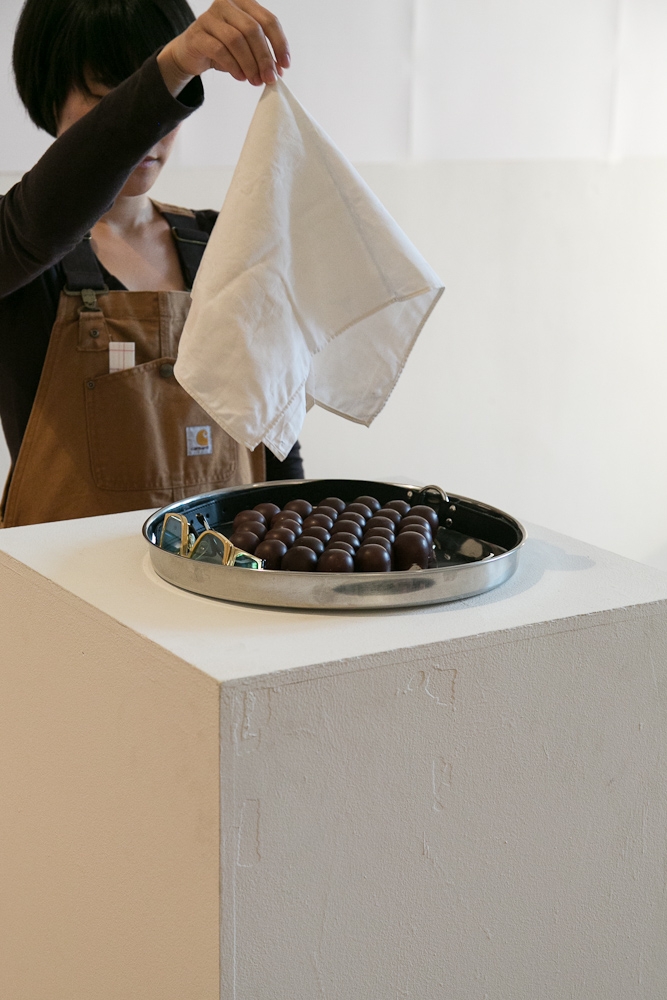
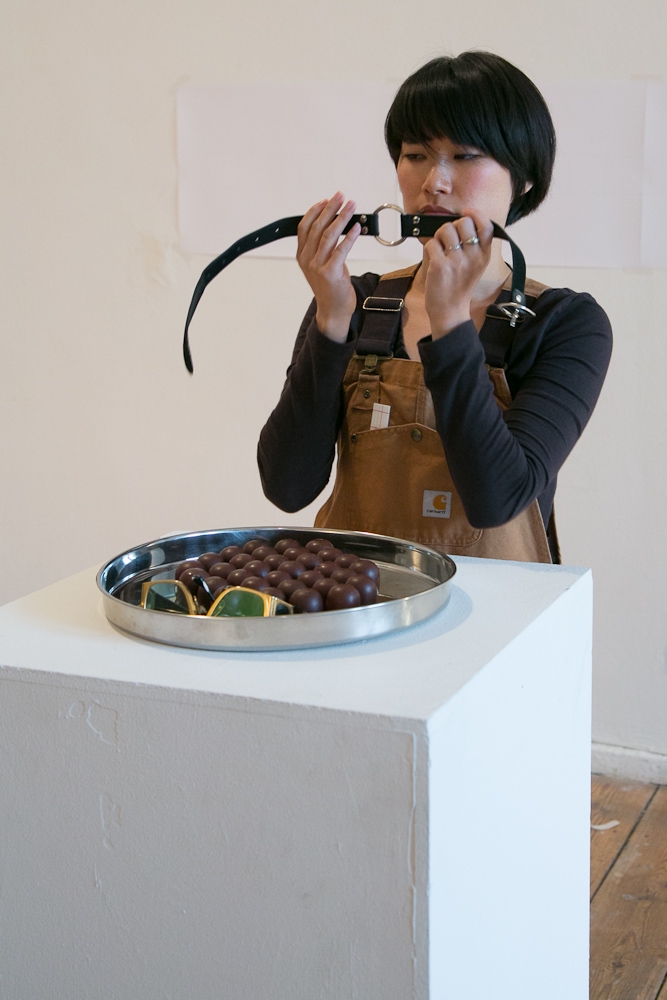
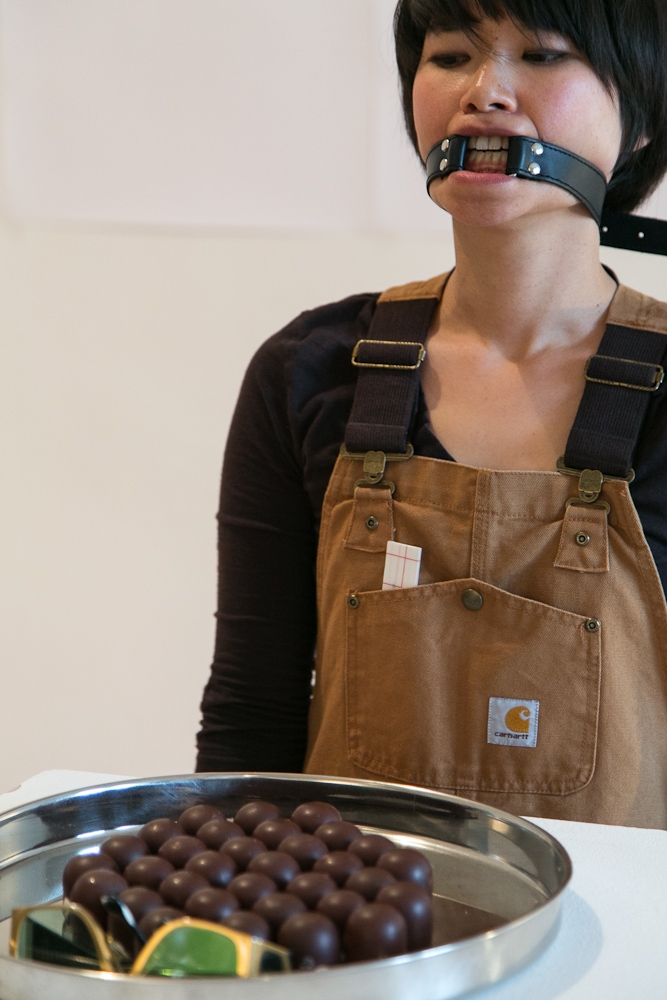
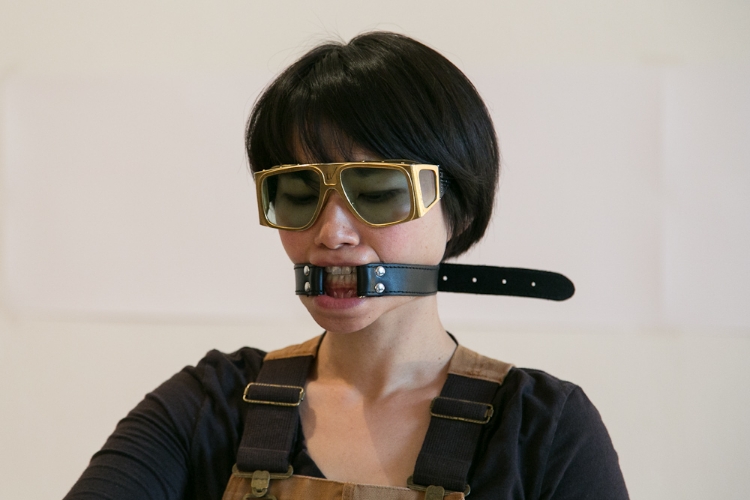
kate hers has been using foreign languages as a medium to explore transnational identity and the construction of self through language for over a decade. Her recent performances investigate problematic German colloquiums while evoking the simplicity of Minimalism, the self-referential tendencies in Conceptualism, and Fluxus art actions. In 7 Drawings, Twenty-eight Kisses, hers makes use of one of her new ready-made objects to create 7 “action drawings” live for the audience. This work was created with the generous support of the Millay Colony for the Arts.
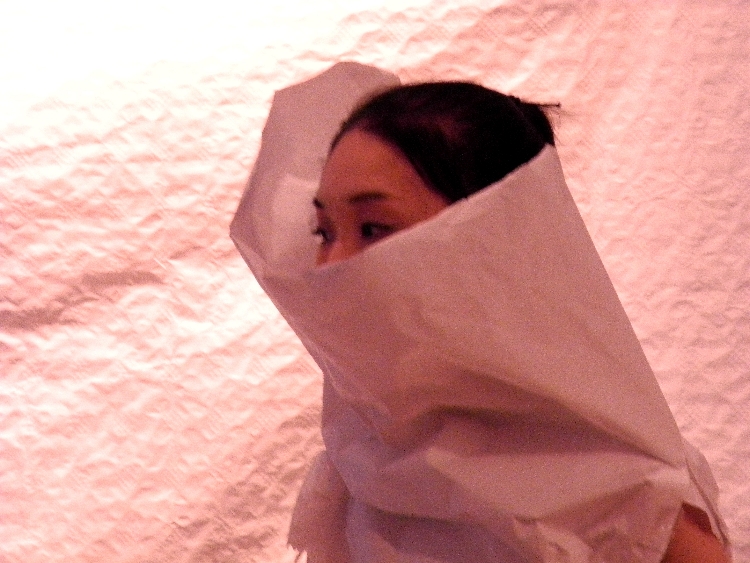
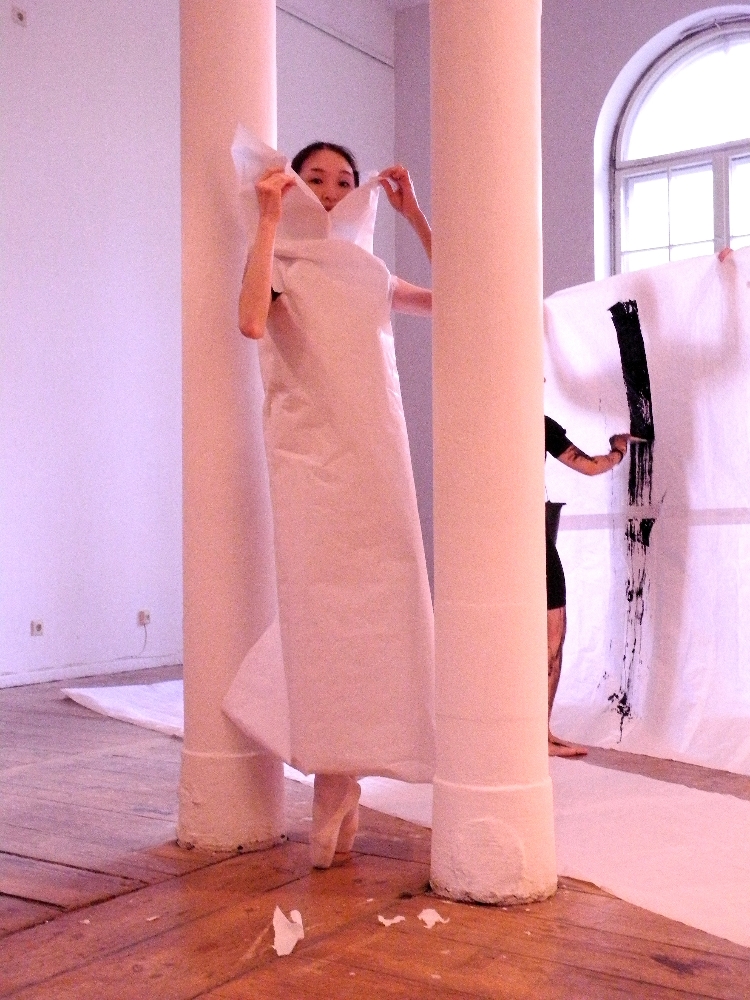
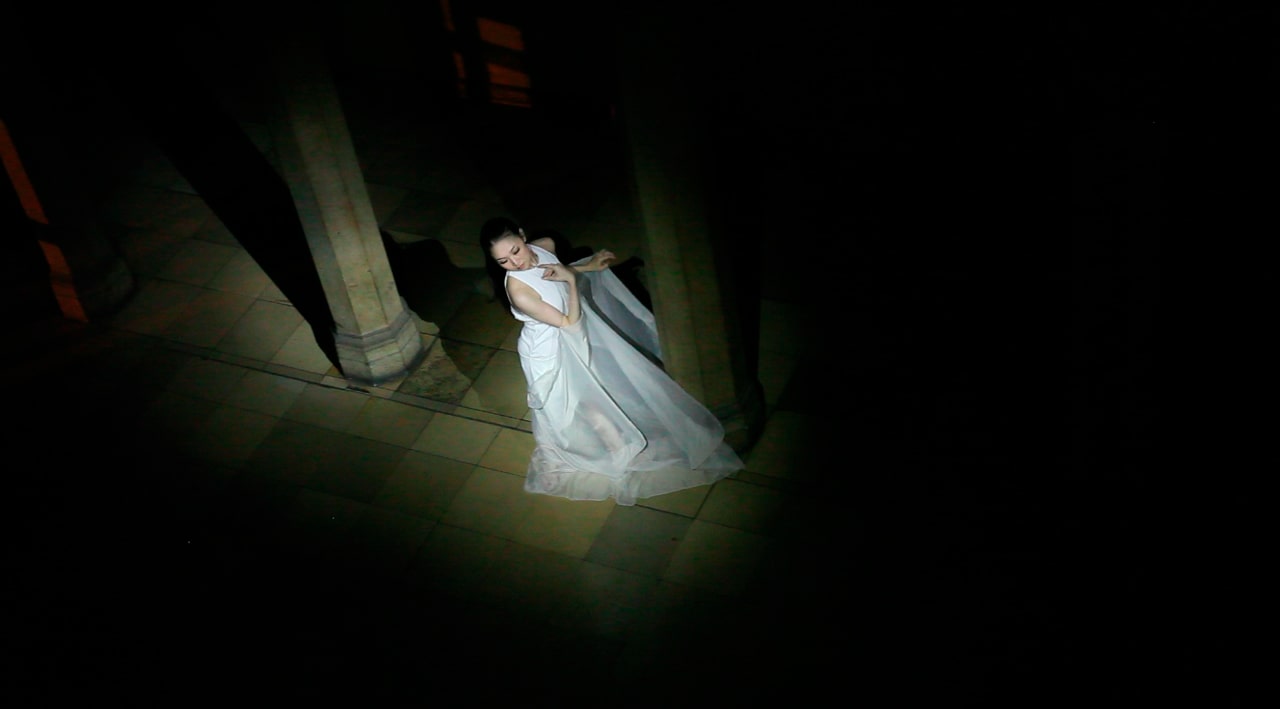
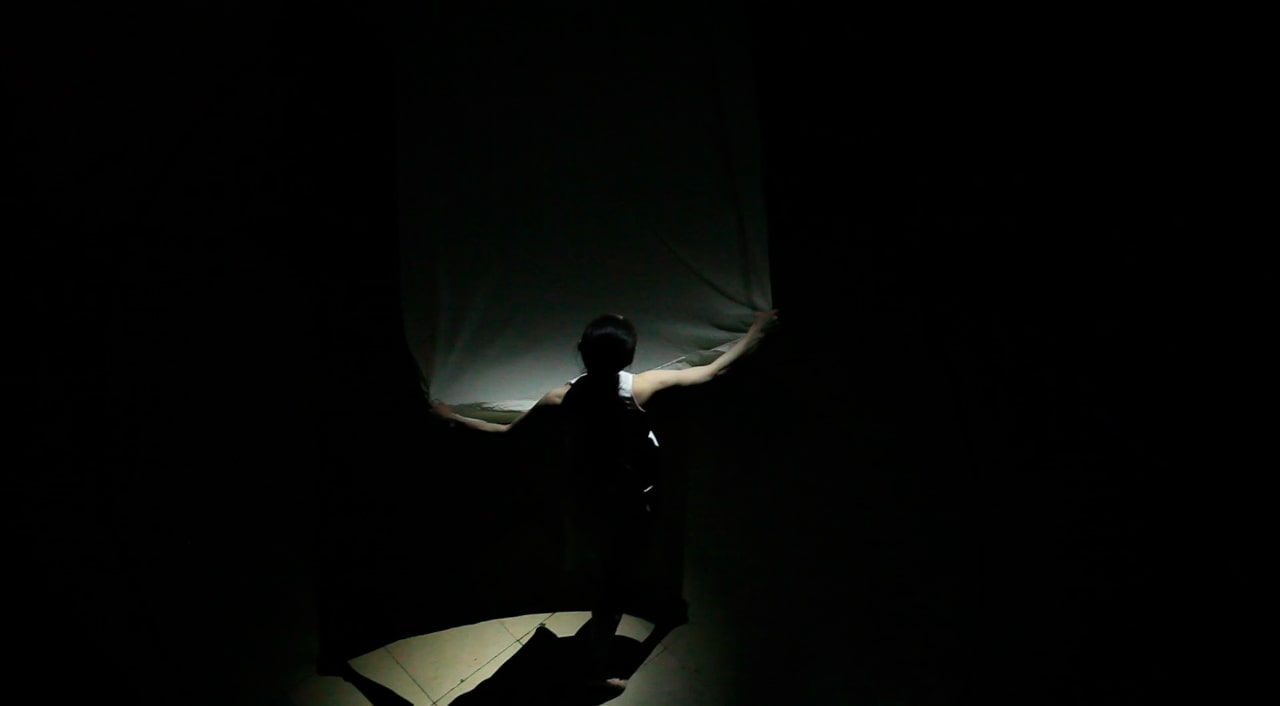
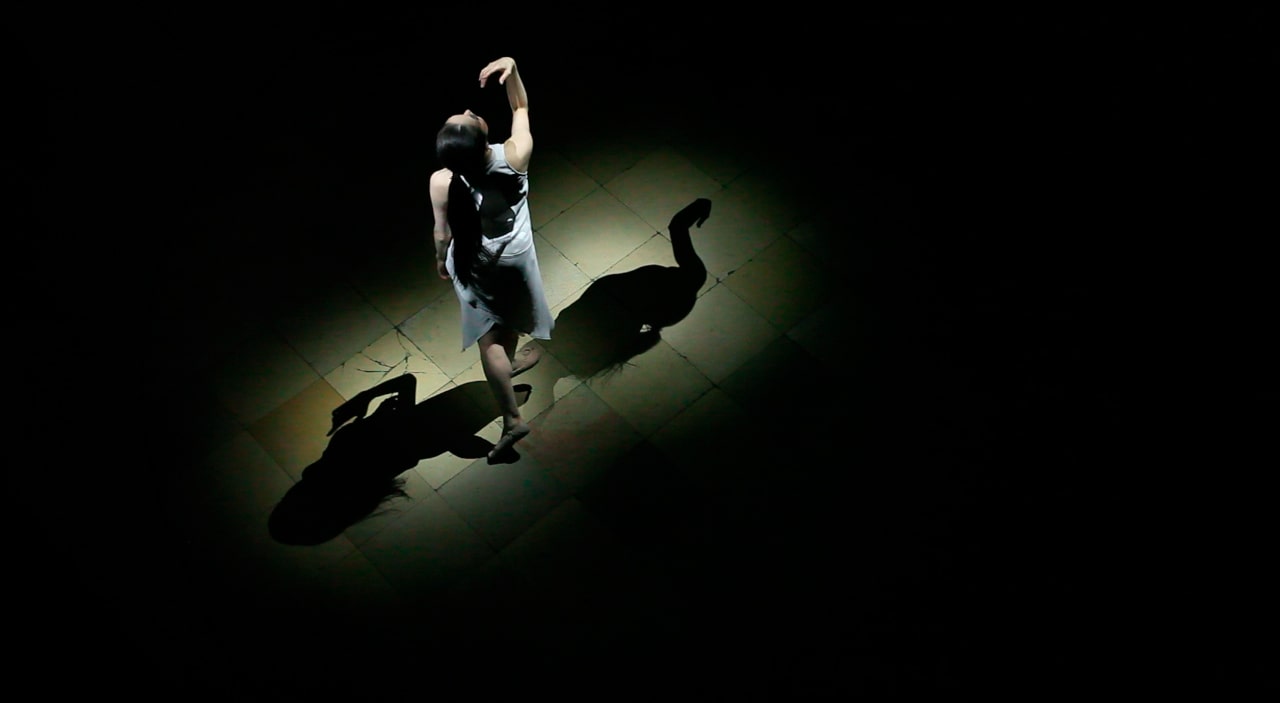
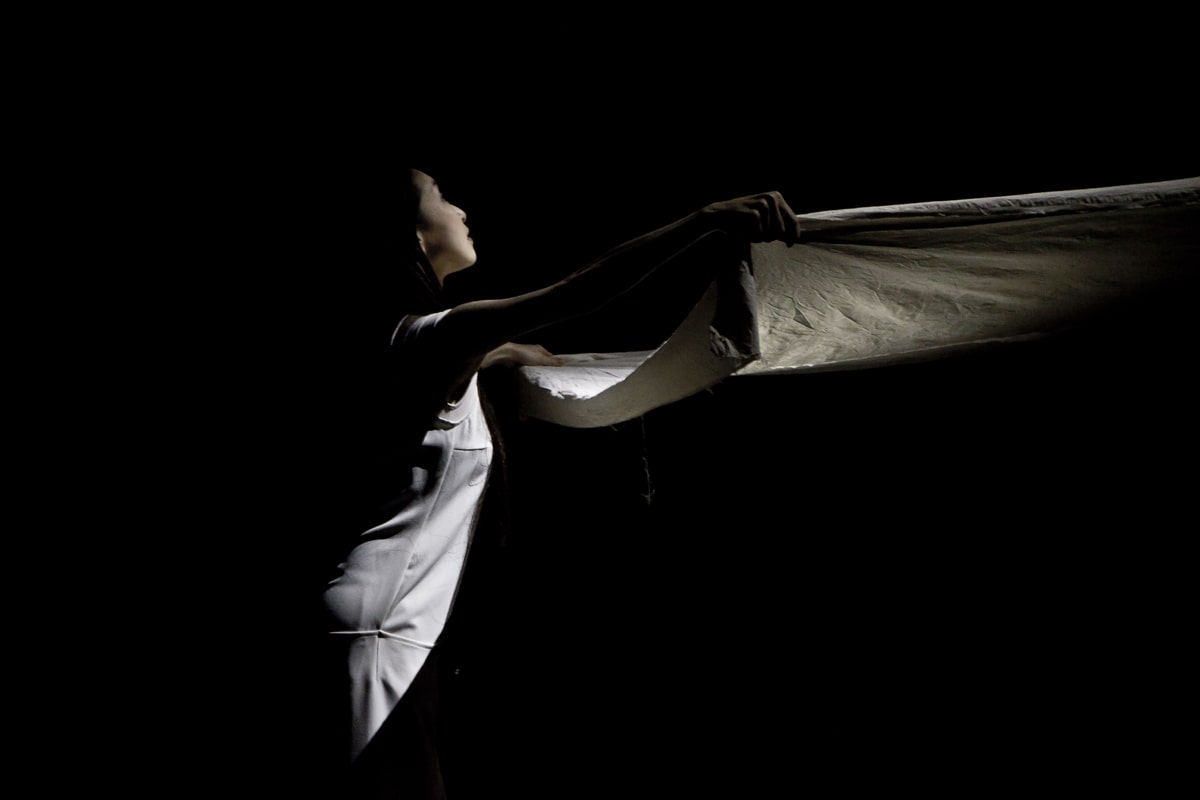
As part of the theme of this work is paper, the stage will be set with multiple levels of hanging paper and a paper cylinder, in which one of the artists will wait prior to the performance. Once the music begins to play, she will dance, playing with light and shadow as it falls upon the paper. Suddenly cutting herself free from the cylinder, the other artist will join in the background, painting the word “Hakanasa” (“transience,” “impermanence,” “fragility of existence”) upon a hanging sheet of paper in Japanese. Both artists, dressed in paper costumes, will be covered with writing and words. As the first artist dances and the second artist works, the paper costumes will be torn from their bodies and the first, through the dance, will tear down the paper hanging with the word “Hakanasa” upon it, revealing another drawing behind. This work, inspired by the main use of paper – communication and recording of ideas – and its short life, focuses on the nature of change as well as the transience of ideas and forms. From the paper cylinder a concept is born in the form of the dancer, described and defined by the words applied to it. From its birth to its eventual destruction, it fights against becoming outdated, oldfashioned and useless. The initial black and white scene evokes the sterility of the written word upon paper, as opposed to the vibrance of reality, and distances the audience from everything except the world of written communication. In its fight against the changing context, the concept’s initial definitions and descriptions are stripped away, leaving it less and less of what it was. Finally, in a last act of violence, the dancer as concept will try to defy the nature of “transience” and “impermanence” itself via her attack on the first canvas, where the second artist will have written “transience”, only to reveal the vibrant piece of art behind: a reality which she cannot destroy, and in acting against it, she is destroyed by it. This work attempts to focus on the utter inability to permanently define or express anything, the inability of the human mind to create an immortal concept.
What does it mean to be present? How does one close the gap between the actual self and the desired self? On Presence | On Paper is a meditation on the notion of presence, an interactive performance about works on paper from the perspective of the writer. Writing is the act of putting thoughts on paper, of concretizing self, of declaring, “I think, therefore I am – and here’s the proof”. The transference of ideas from mind to page is a simultaneous act of grasping and creating self, whereby the paper becomes body – a vessel containing thoughts that is malleable, desirable, transferable. Witness how one writer navigates the space between perceiving and being, separation and connection. The paper – in all its pliability – serves as her model, a highly coveted blueprint for the writer to become one and the same with her creation. However, the writer’s body appears too rigid to assume paper’s form and the paper’s content too exacting to realize. Propelled by text both off and on paper, the writer observes herself and others, all the while pushing and pulling at feeling present, ultimately unveiling her struggle as a static subject of longing whose creation is more present and powerful than she is.
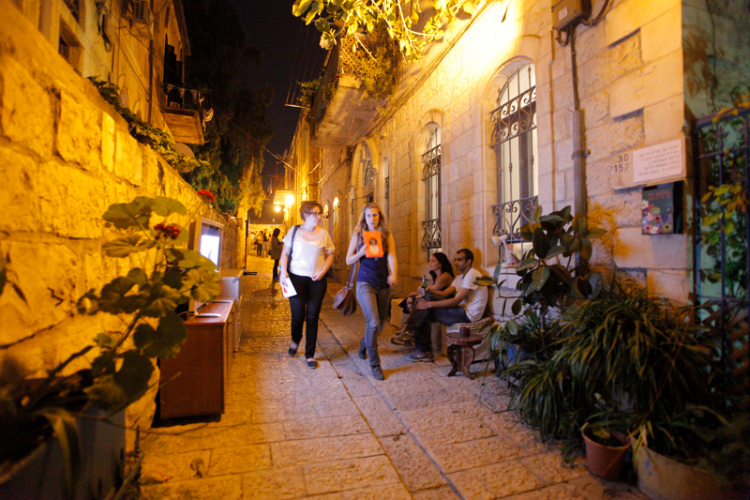
INTERDISCIPLINARY ART FESTIVAL IN MUSRARA, JERUSALEM 28 – 30 MAY 2013; 19.00 – 23.00
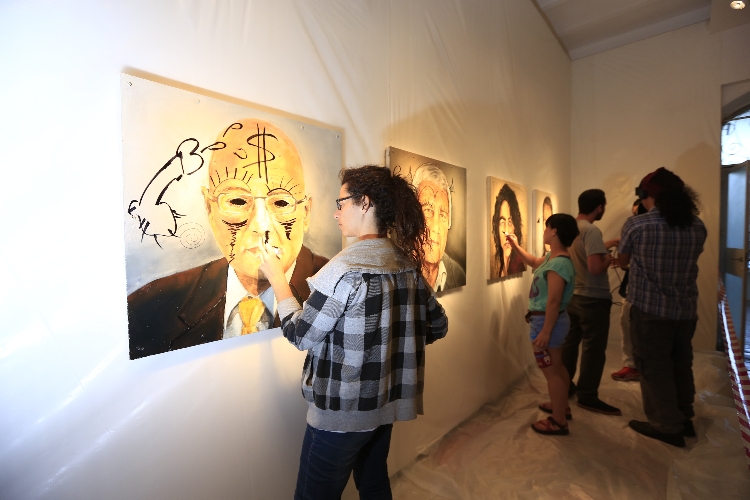
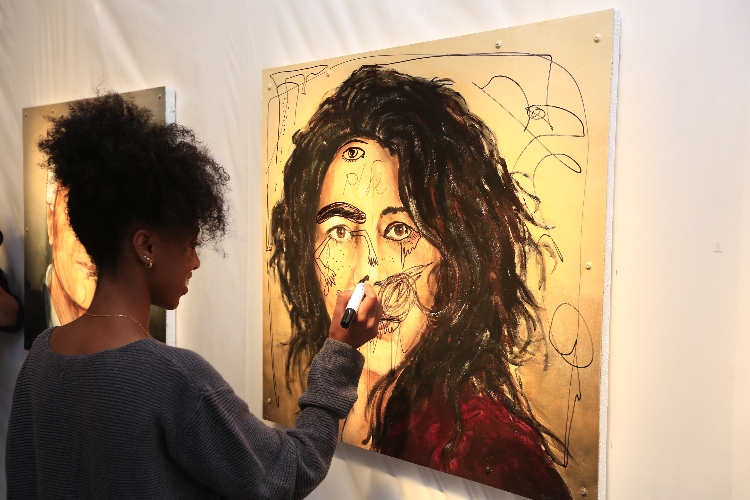
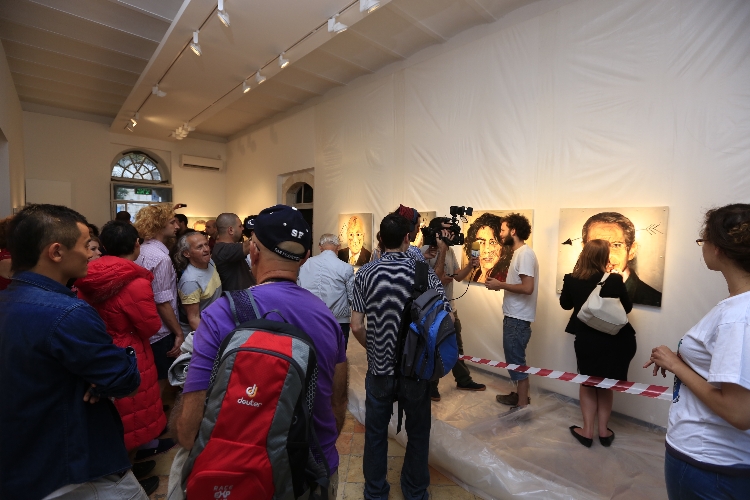
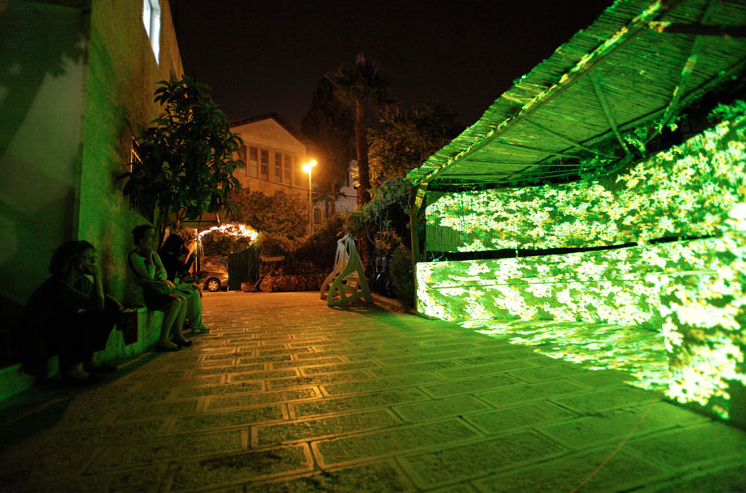
Jarik Jongman will be making a site specific version of (DE)FACING REVOLT, the interactive performative painting series he made for the group exhibition ABOUT FACE at MOMENTUM in August 2012. Also shown will be the video of TRAVELING SOULS, the gorgeous interdisciplinary performance MOMENTUM commissioned in December 2012.
For the 13th year, the MusraraMix Festival is an international multidisciplinary event that takes place in the borderline neighborhood of Musrara, initiated and produced by the Naggar school in Musrara. The festival is a hub of artistic and social happenings, embodying the political and cultural essence of Jerusalem and Israel. Every year the festival is based around one theme. The 13th year of the festival is the year of NoEgo.
This year, dozens of artists from Israel and abroad explore issues related to ego: the ever present motif, hidden or outspoken, which is an obstacle as much as it is a motivation in our life and in the process of artistic creation. The program of the festival explores the ego from the personal point of view as well as from the collective point of view, through self expression and free will. It allows a glimpse into the relationship built between the artist and the community, between artists, and between people in general.
Our age is characterized by new social connections, information flow and virtual sharing. This makes life into a new fabric, woven by practical threads that align into a balance of power that is changing before our very eyes – between local and global, between the limits of art and the limits of life. The access to information and to technological means is now available to everyone. The viewer becomes a part of the artwork and the artist – a part of a community.
Ego is present in the creative process and in life. In MusraraMix collaboration is vital, inevitable and driven by human resources: Musrara students, neighborhood residents, young and professional artists, and the audience.
All of them together produce a direct multisensory experience. Multi-disciplinary art will be presented in the public spaces of the neighborhood and in the backyards of the residents: video art, new media, photography, installation, performance and dance. The music stage will present contemporary and experimental music. This year the festival hosts artists from France, USA, Netherlands, Germany, Japan, Poland and Turkey. In the spirit of NoEgo, the event will include artworks from students and graduates from the photography school in Arles, France, and artists from TRAFO – Centre for Contemporary Arts in Szczecin, Poland, alongside artworks by Musrara students and graduates.
The festival expresses the school’s outlook. We believe in the significant role the creative process has, when it turns our gaze onto society and the identities that structure it. We believe in the power the festival has, as part of the educational process of the students. The Naggar art school in Musrara invites the public to participate in the events taking place during the festival, to experience the neighborhood, explore its streets, be a guest in the backyards, meet the residents and enjoy some of the best multidisciplinary art made in Israel and the world today.
The Musrara school of art invites you to take part in each of the events of the festival, to experience the neighborhood, tour its alleys, be a guest in the backyards, meet the residents and enjoy some of the best interdisciplinary art made in Israel and the world today. We would like to thank our partners: firstly the residents of Musrara, the public funds and organizations from Israel and abroad that sponsor our activity, and of course our students, teachers and school staff.
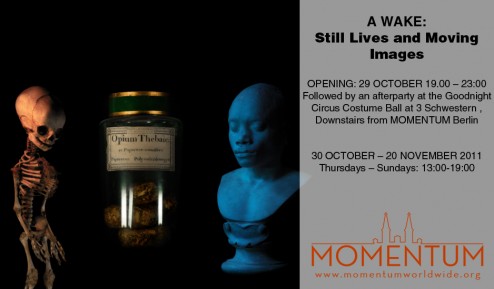
A WAKE is consciousness with an eye on an open coffin. A gathering in celebration as well as mourning, it is humor as much as horror. As a platform dedicated to interrogating time-based art, with A WAKE, MOMENTUM explores what happens when our time runs out.
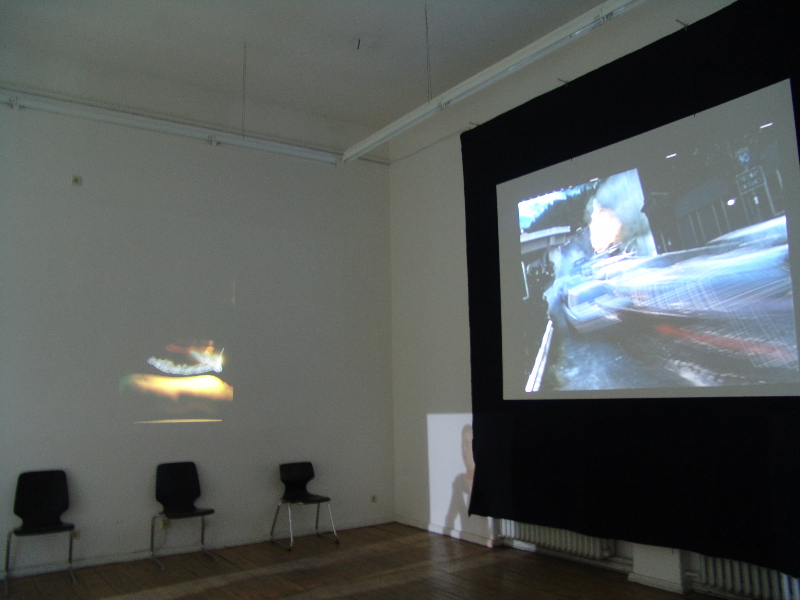
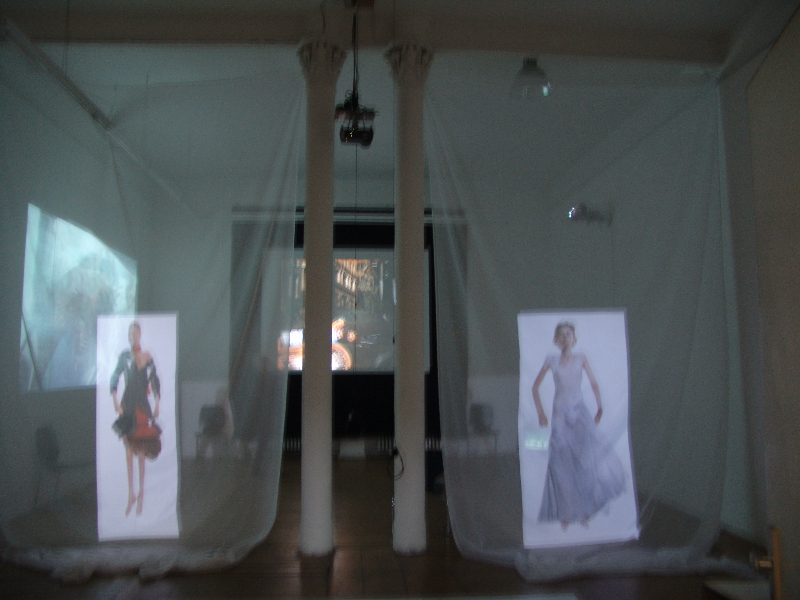
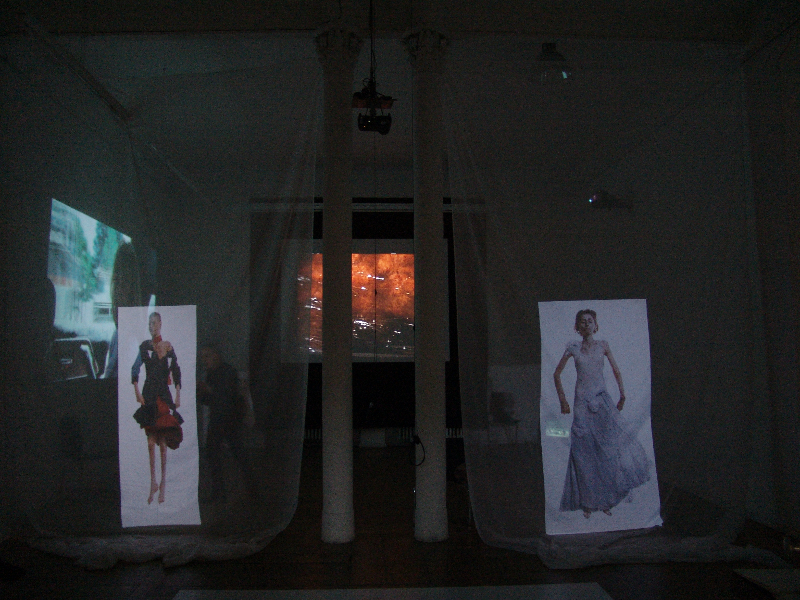
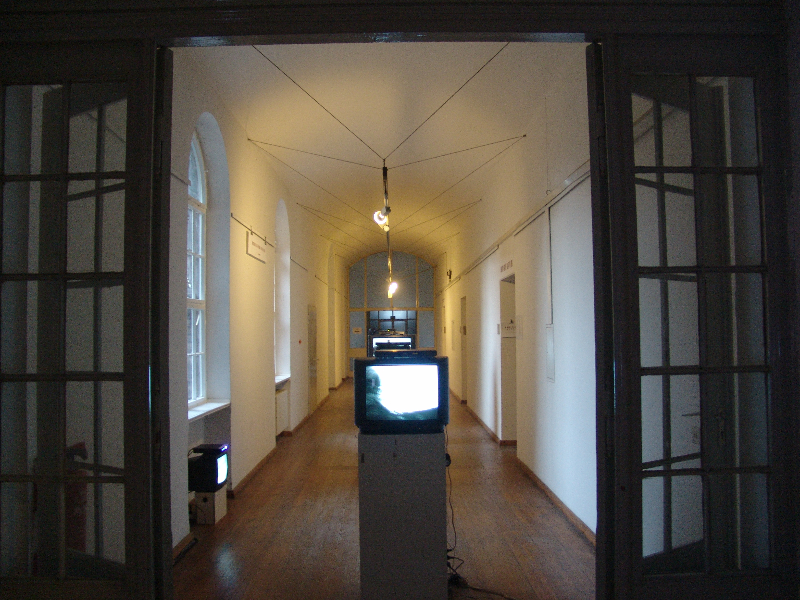
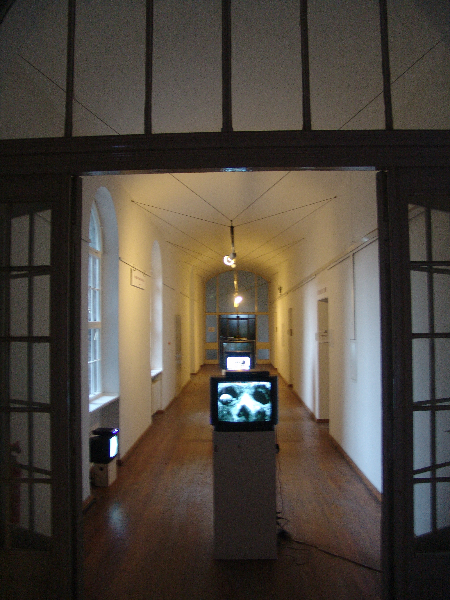
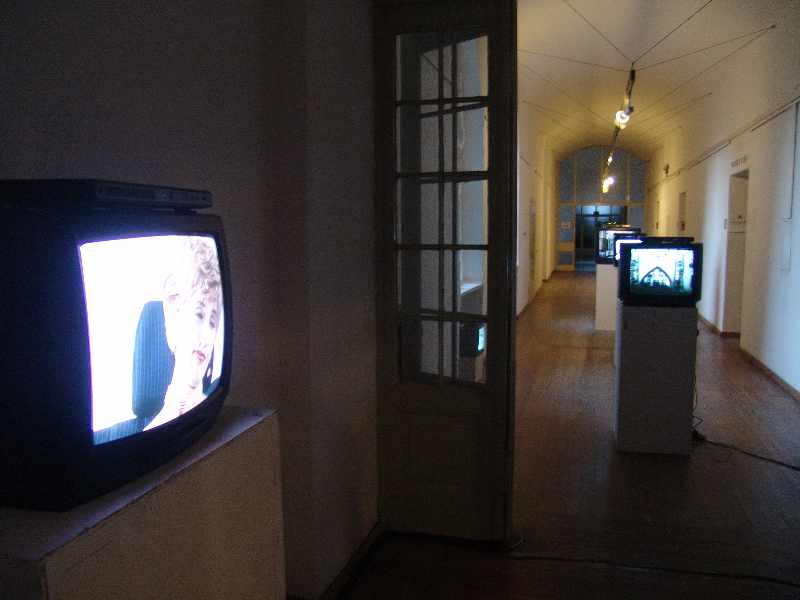
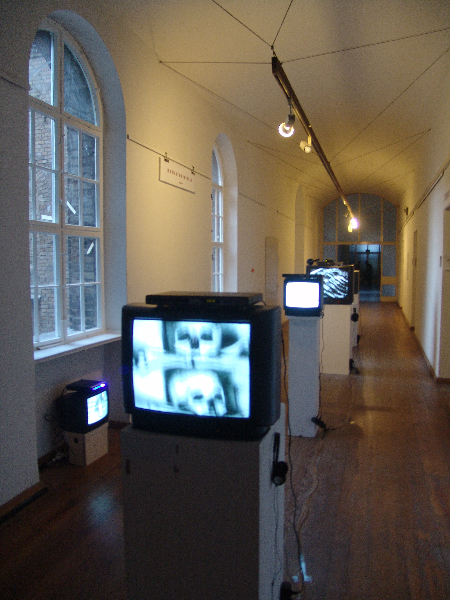
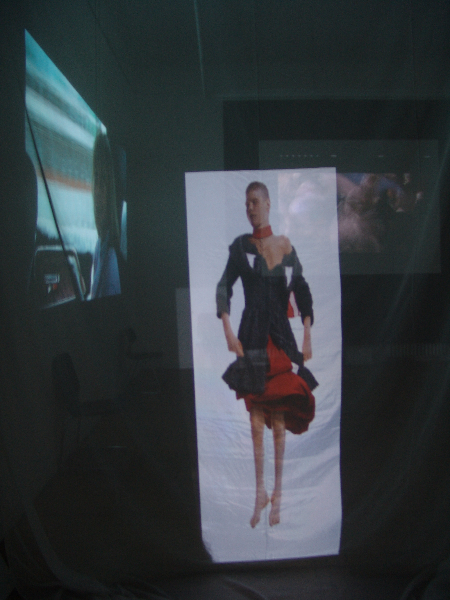
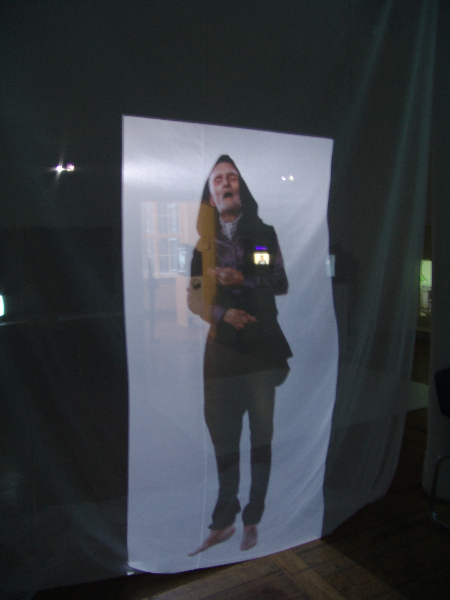
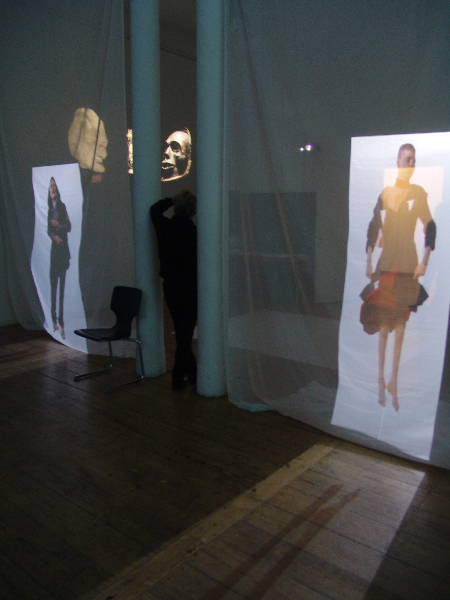
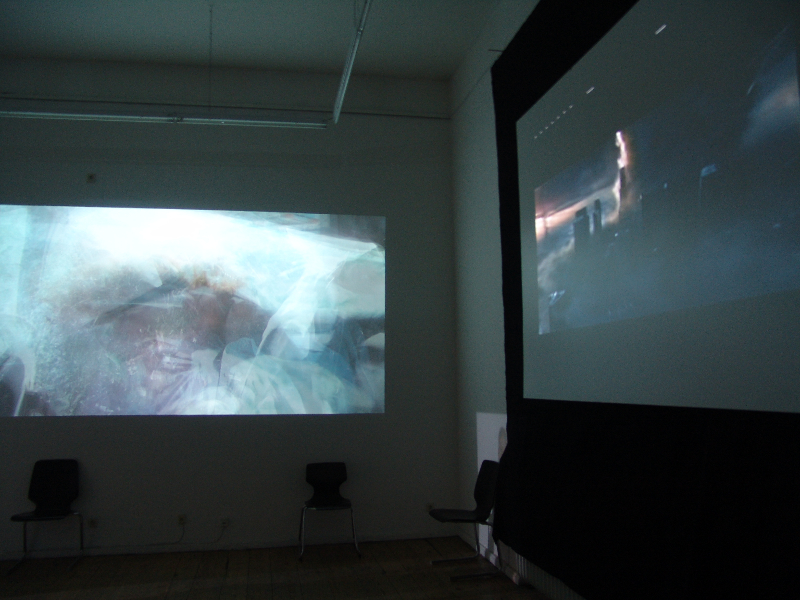
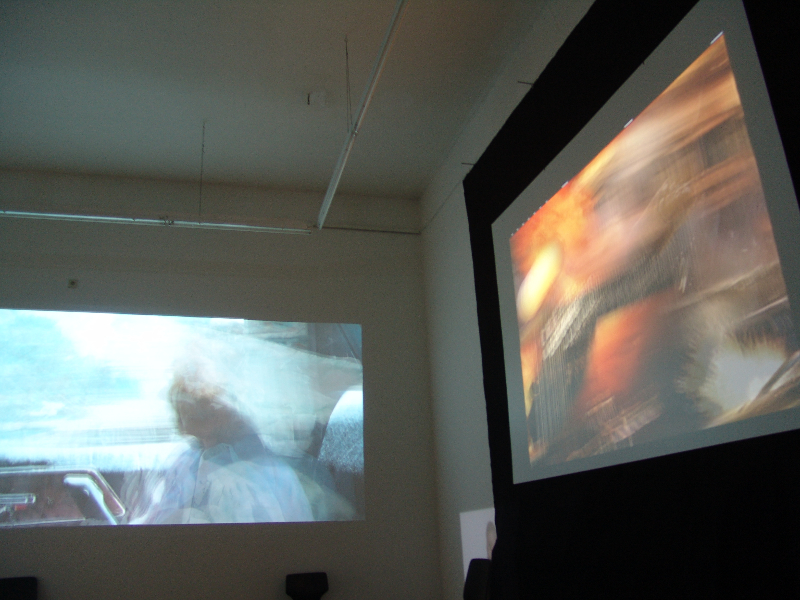
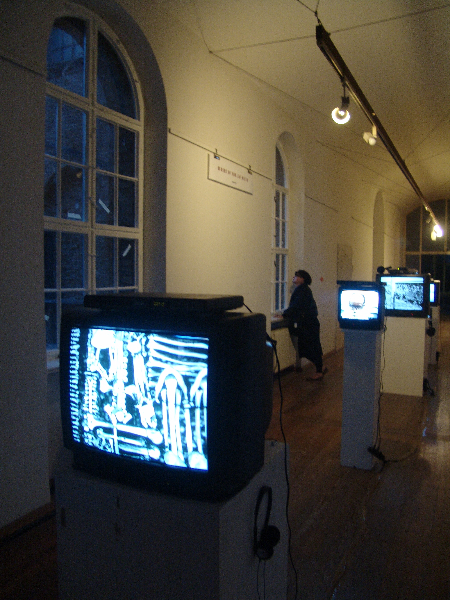
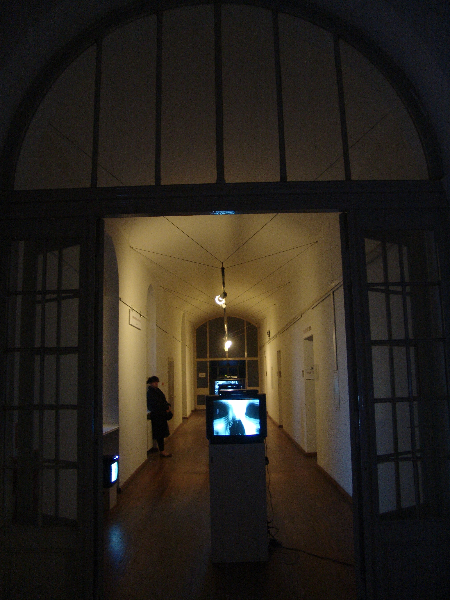
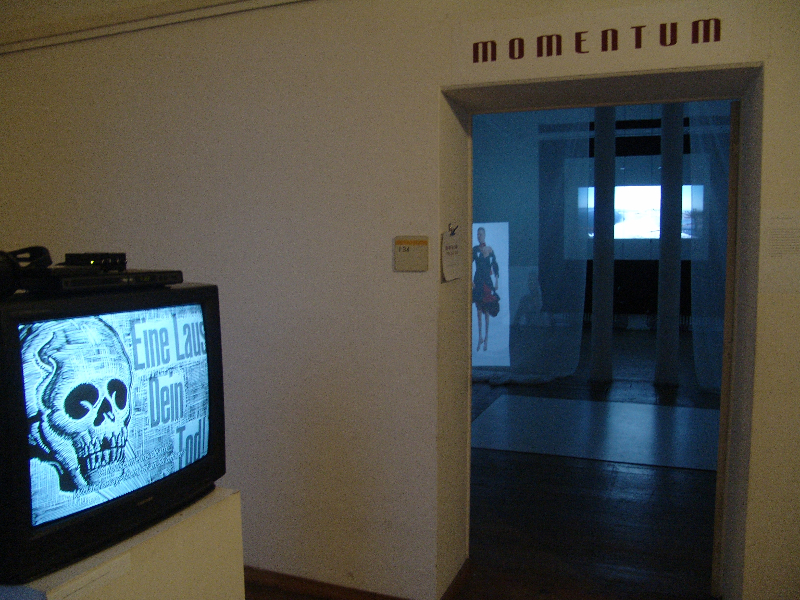
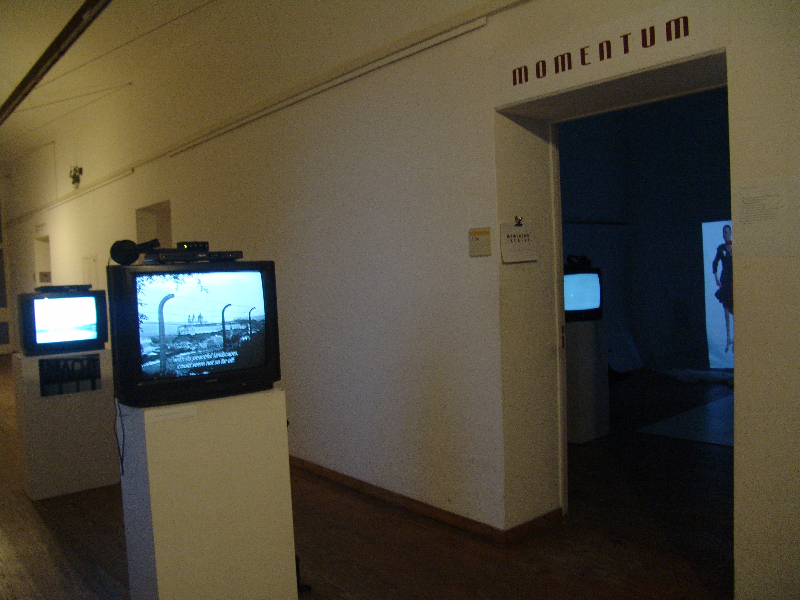
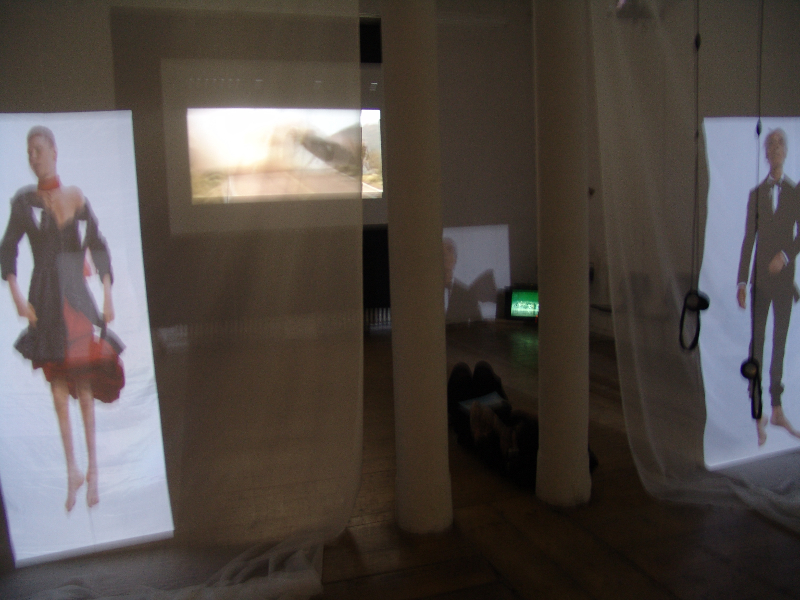
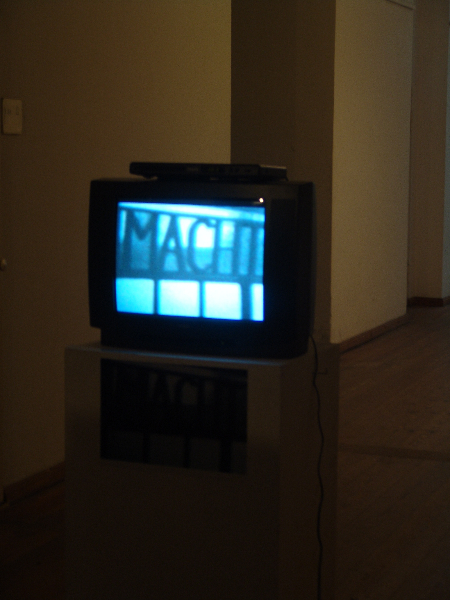
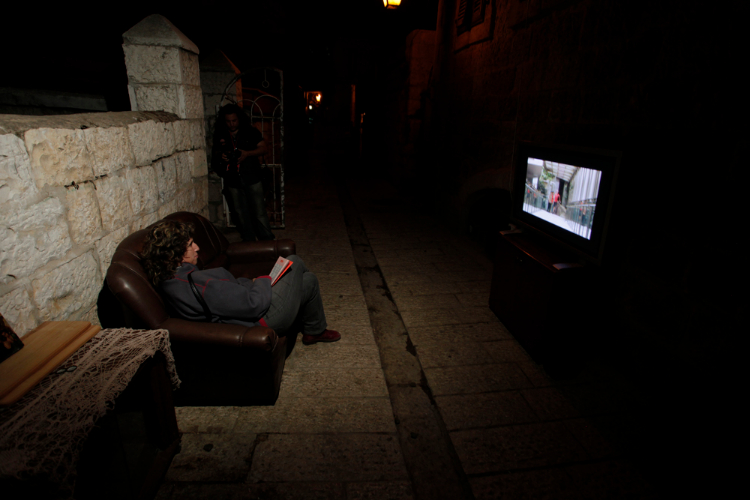
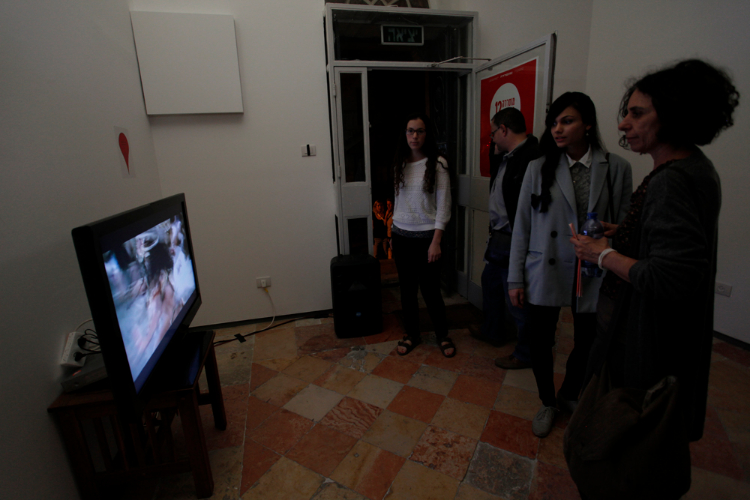
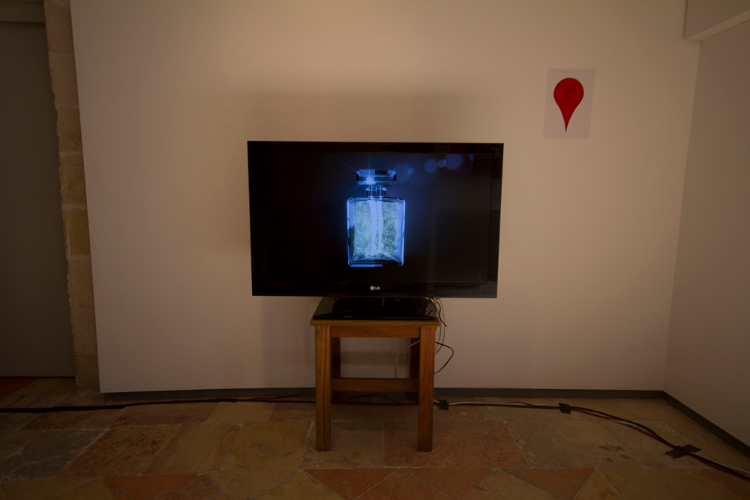
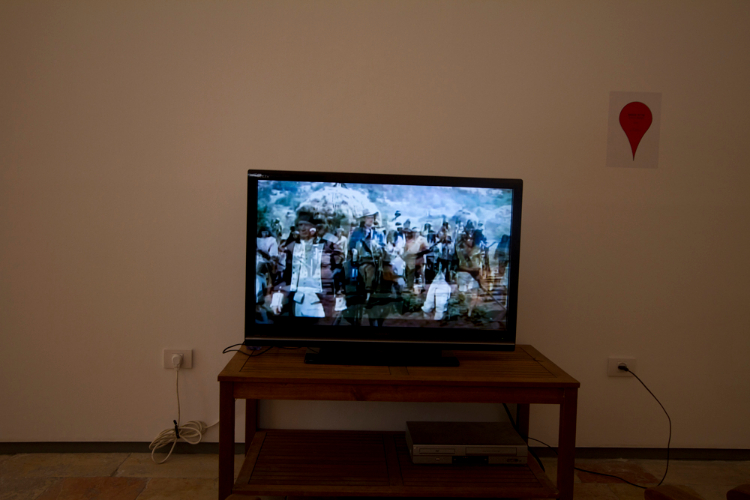
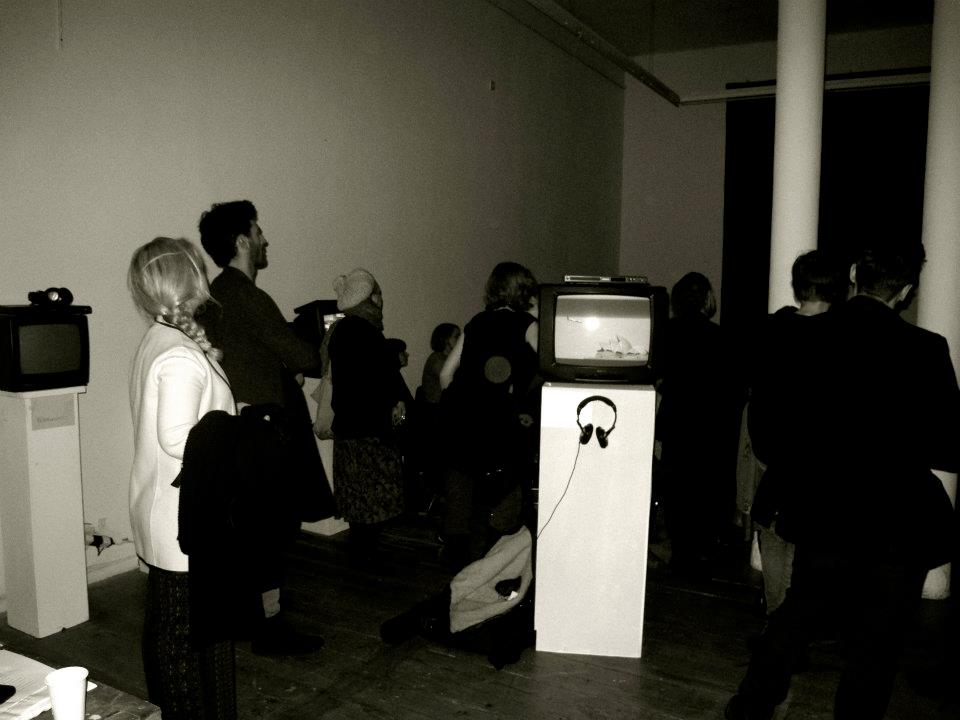
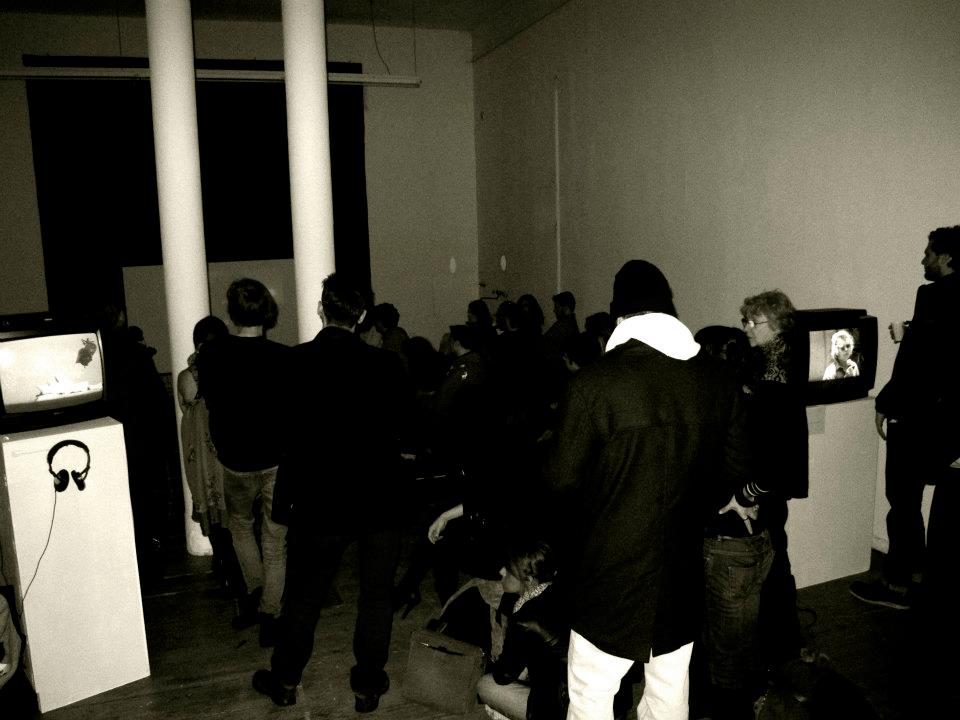
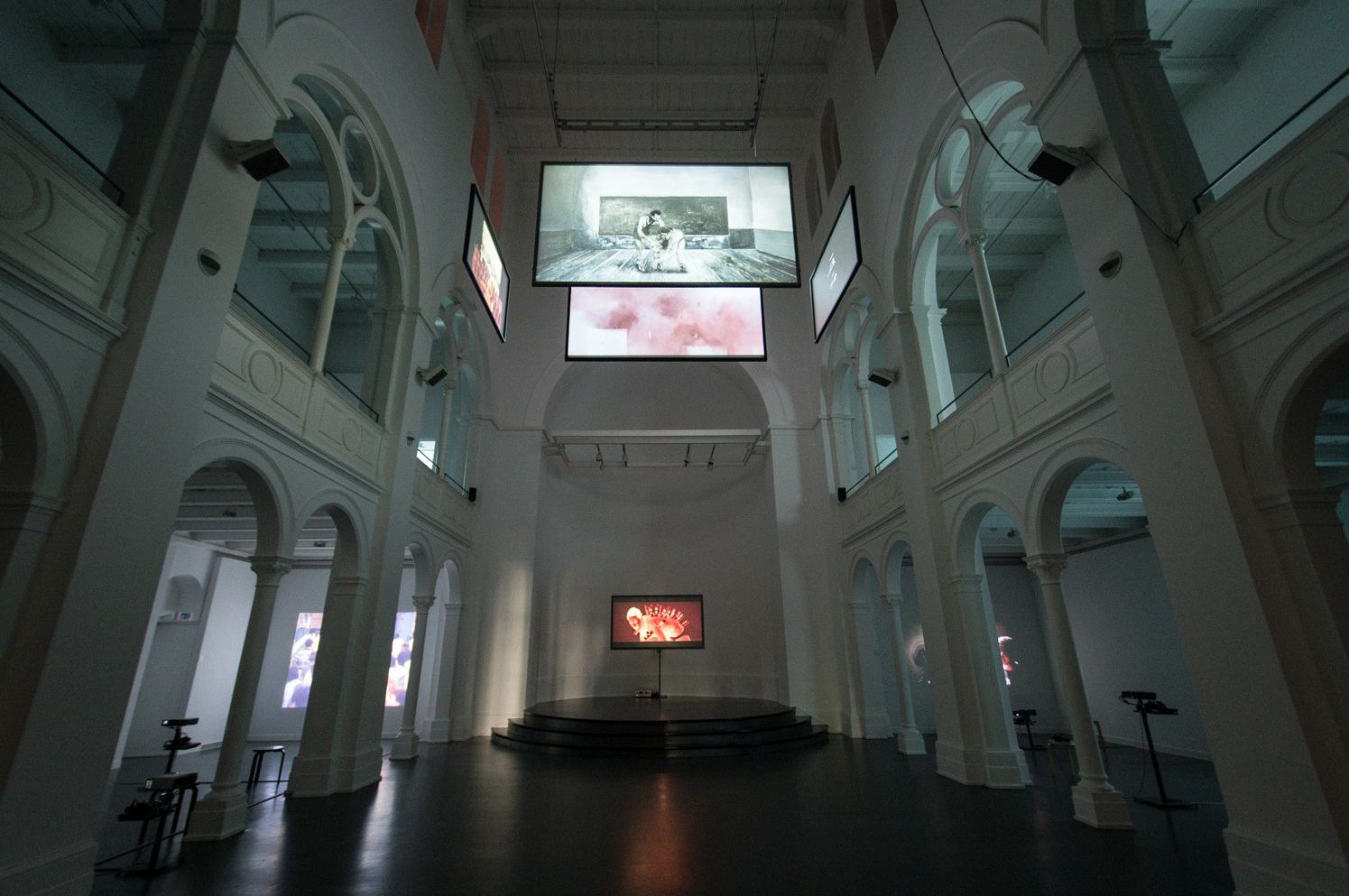
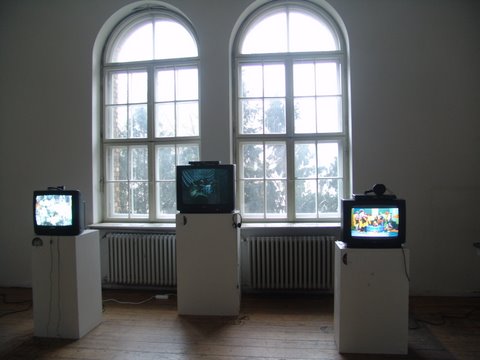
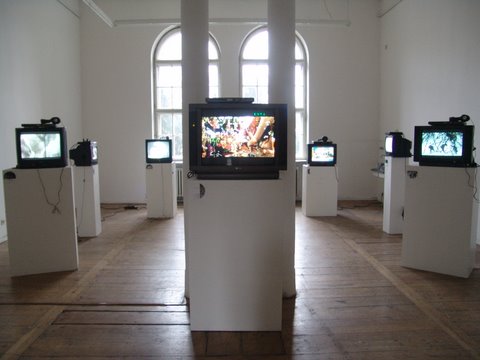
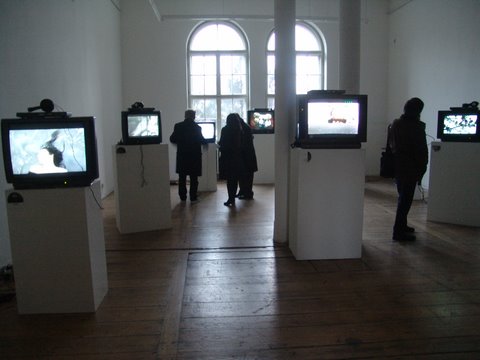
MOMENTUM celebrates the Day of the Dead, Los Dios de los Muertes, with A WAKE: Still Lives and Moving Images. This exhibition combines, video, cinema, and photography in a co-mingling of media which bring the still into motion, and the motion into emotion. The exhibition takes the form of a processional of monitors leading into the gallery itself, which will be oversaturated with projections. In the tradition of inviting the dead to a party with the living, we crowd the gallery with the conversations of flickering ghosts; a saturation of images in dialogue with one another. Reflecting upon our daily inundation by images of death, where news programs sensationalize death no less than the fictions of TV shows and feature films, A WAKE addresses the media as the Vale of Tears, the surface between now and the hereafter, as well as the past. Co-mingling archival films with contemporary art, we enact a conversation across mediums and generations to celebrate life as well as death.
A WAKE is a ritual viewing of the body after death; a coming together to observe the end of time, to celebrate the transition through the vale. It is also an emergence into consciousness, as well as a consequence or result. Taking this transitional point between being and representation as our title, A WAKE confronts us with the process and the presence of
death in order to wake us up to the inevitable result of the passage of time. The works in this show all use video, digital media, and film to address the mediation of death; where media itself becomes the vale/veil through which we pass, the translucent surface between observer and observed, between now and the hereafter. All the works in this show manipulate media forms in some way, whether in mobilizing still images into motion, or in bringing together past and present, fiction and reality, re-editing found footage, re-visiting rituals, or re-living the horrors of war.
All cultures acknowledge the Day of the Dead. Some celebrate, others mourn, but the ineluctable culmination of life is a part of every belief system, and of every personal journey. Opening the weekend of All Saints Day, Los Dios des Muertes (The Day of the Dead), A WAKE is held in the once upon a time infirmary within the former cloisters of Bethanien House Berlin. Originally built as a hospital, a space both battling and housing death, Bethanien has long been transformed into a place where art through the process of creation manifests the victory of life over death. We fill this space with a labyrinth of screens which illuminate still lives and moving images. A WAKE is a passage through time, a processional which is our “offerenda”, an offering to visiting souls awakened on this day every year. Through the translucent veil of time-based art, past, present and future meld into one in this metaphysical meditation on the passing of being into representation.
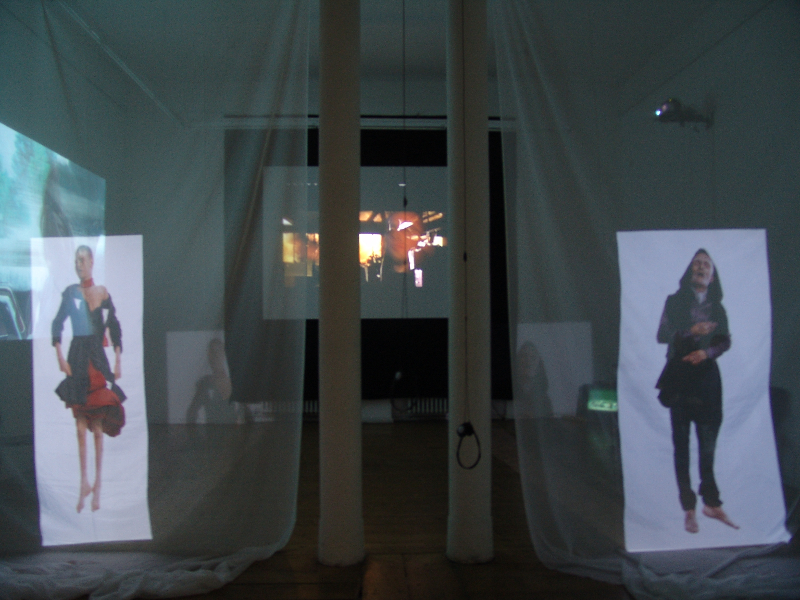
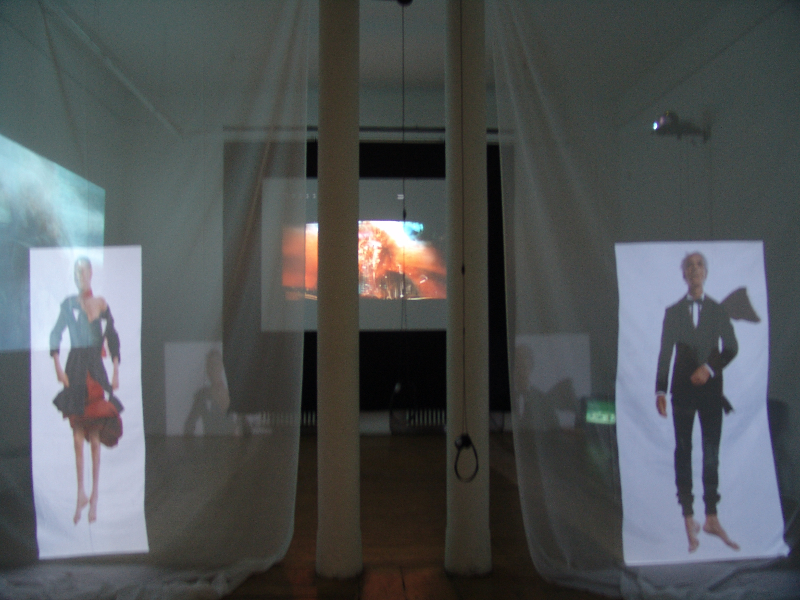
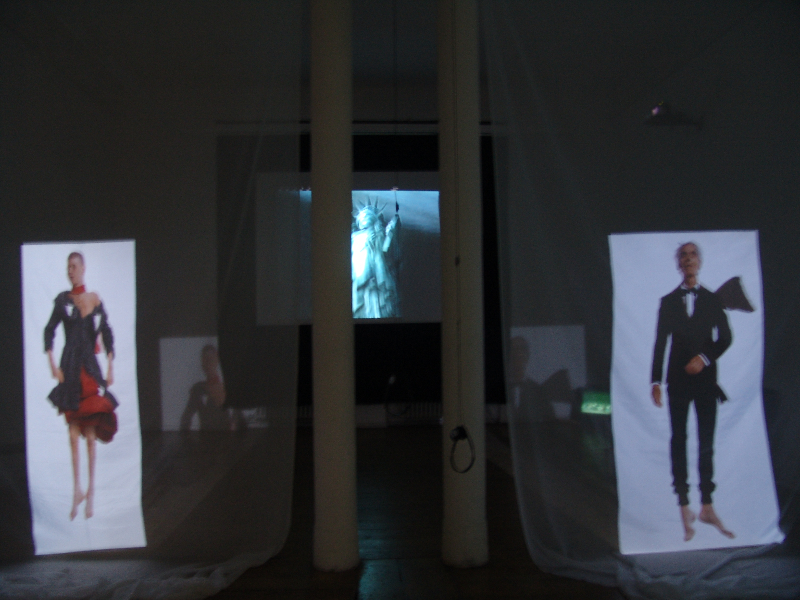
“Défilé” (2000-2007), dig projection, 7 dig photos. “Who Wants To Live Forever” (1998), 6:25min. In «Défilé» we explore the way individuals deal with the concept of mortality by juxtaposing images of death with images of beauty, in this case high fashion. In pairing fashion with death, we have found a modern-day counterpart to the traditional juxtapositions of love and death and beauty and death. An obsession with fashion, symbolizing temporality, can be seen as a way to deal with the fear of death. It is an ancient preoccupation, as can be seen in the elaborate rituals in Western and non-Western cultures associated with death. Humans have always attempted to «decorate» death, based in part with a desire to ward off death. “Who Wants To Live Forever” is a critique of the global media, addressing not only the media, which uses the sexual scandals and the death of the celebrities but also the exhibitionistic behavior of the media star. The career top of a media star, who produces nothing but his face on the screen, is death.
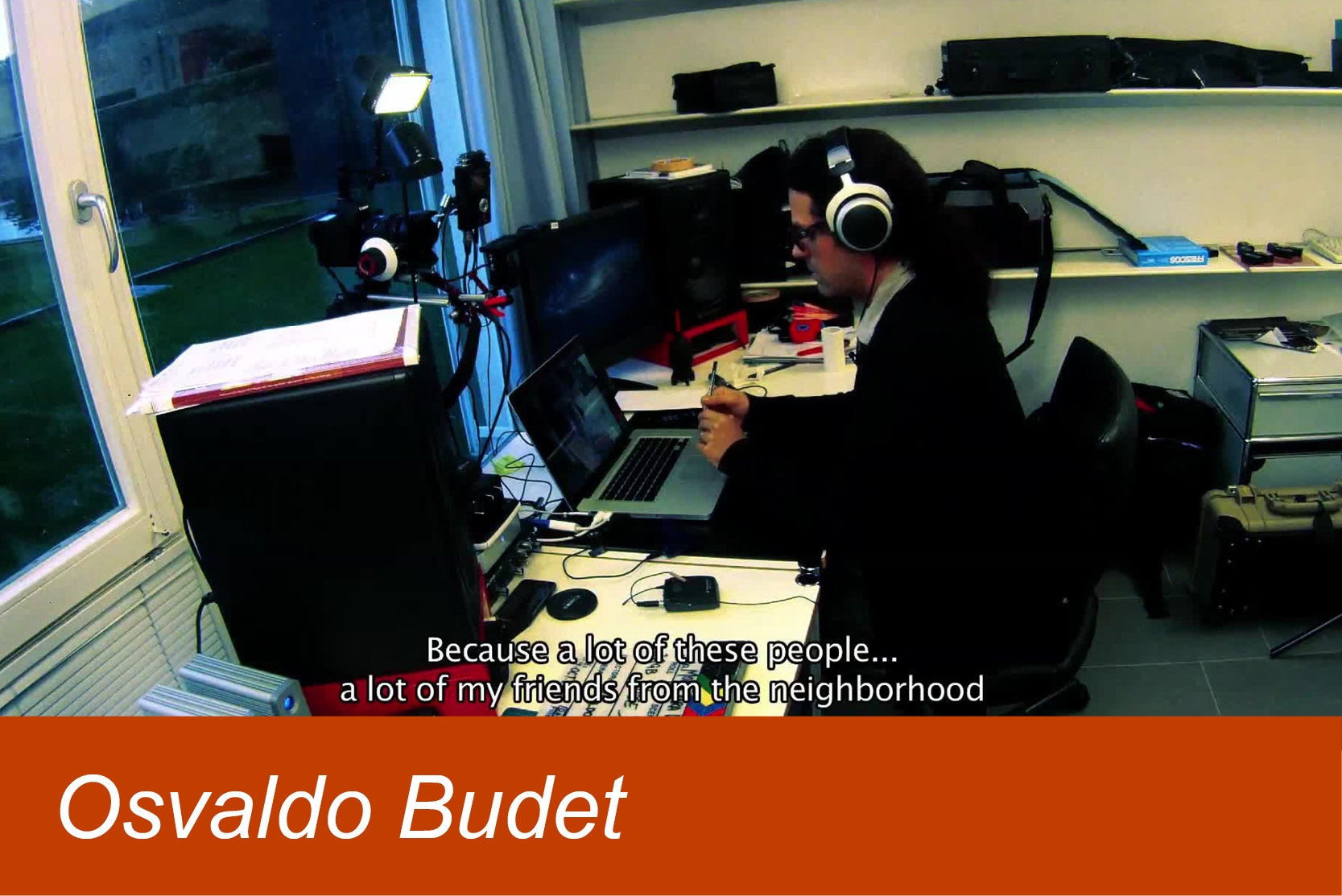
“Creative Wakes” (2011), dig video, 10 mins. Puerto Rico – In the fall of 2008, Angel Luis Pantojas told his family that in the case of his death, he wanted to be presented at his wake in a standing position. Two weeks later, he was fatally shot. His family fulfilled his death wish, and this triggered the beginning of a movement of themed and theatrical wakes in Puerto Rico. Osvaldo Budet explores the possibilities that this new trend has awoken. With his documentary-based practice, Osvaldo Budet consistently blurs the line between reality and representation.
“The Great Good Place” (2010), dig video. This video shows the life of a community of abandoned indoor cats living in a park in Istanbul. “The Great Good Place” was shot in Istanbul, documenting the street cats who live in dwindling numbers throughout city. A regular urban presence, when removed from their environment they appear eerie, floating in darkness. In the context of this exhibition, they seem like creatures of the night; familiar sights on the streets of Istanbul, becoming familiars of a more supernatural kind. But perhaps they remain, after all, simply cats upon which we project our own realities. During 2012 ‘’The Great Good Place’’ has been shown in the first international Kiev Biennale as well as the Shanghai Biennale.
“N 37° 25′ 20″, E 141° 1′ 58″” (2011), dig video. This piece comes out of the reactions of the artists to the Fukushima nuclear disaster and devastation. The piece invokes elements of life and death via the sounds and visuals of surgery as well as fire and the human body. The risk involved in the actions depicted helps set the scene. There were no special effects used in doing the fire performance. This is the first collaboration between Yishay Garbasz, a photographer working with the body and the mobilization of images, and Nikola Lutz, a musician and sound artist. The piece is dedicated in gratitude to the memory of Dr. Johannes D. Lutz, who passed during the making of this work.
“Passagens n.1″ film converted to digital media, 1974
Passagens n.1, is a video from the series I titled Situações-limite. The point of the piece is to bring visually, through repetitive movements of my climbing stairs – a sense of unfinishable path. Changes of scenery, going through narrow and broad steps, inside – outside, bringing a sense of continuity/ discontinuity, the difficulty of crossing. In my three repetitions (inside and outside stairs scenes) I perform slight differences, and the tiresome effort increases. In this and other videos from the same period I deal with the symbolic and also with the specific language of video. For instance, the movement of the artist crossing the cathodic tube in its 4 corners, creates an invisible center of the image.
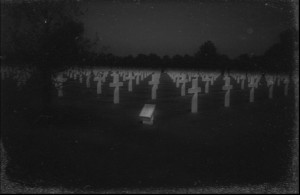
“Schlaflied” dig. 720p HD-Video, 3:54min. (Berlin, 2011). Premier. Schlaflied is a German lullaby sung to children at bed time. Projecting a diapositive on the backyard walls of Wedding, the most war ravaged area of Berlin in World War II, the slide shows a cemetery of soldiers in France. Halter, through this performative action explores a futility. A futility in the loss of life. The futilities of war.
“Sachsenhausen” (2009/2010) dig projection, 14 photographs. Premier. Predominantly a painter, the starting point for my paintings is always photography and it is now for the first time that I’m showing a series of photographs that were taken at the concentration camp Sachsenhausen, during a three month residency period in Berlin, in the winter of 2009/2010. Taken with a Lomo camera and presented digitally, the result merges the painterly, the photographic, and the cinematic. Thus blurring of media creates a timelessness most jarring in this tragic location situated shockingly close to Berlin.
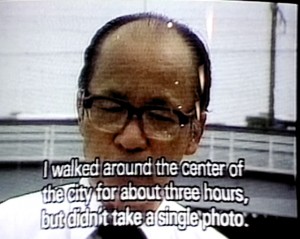
“The Testimony of Hiroshima a Fotofilm” (1999) 1:54min.
Among other atomic bomb survivors, Matsushige Yoshito continuously tells his story at the Hiroshima Peace Memorial Museum. In 1945, at the time of the dropping of the atomic bomb, the 32 year old journalist was at home at a distance of 2.7 kilometers from the bomb hypocenter. ‘The Testimony of Hiroshima’ is an hommage an Matsushige-san, who passed away in 1995. The film describes the three hour lapse of time in his life when he was unable to photograph death and pain.
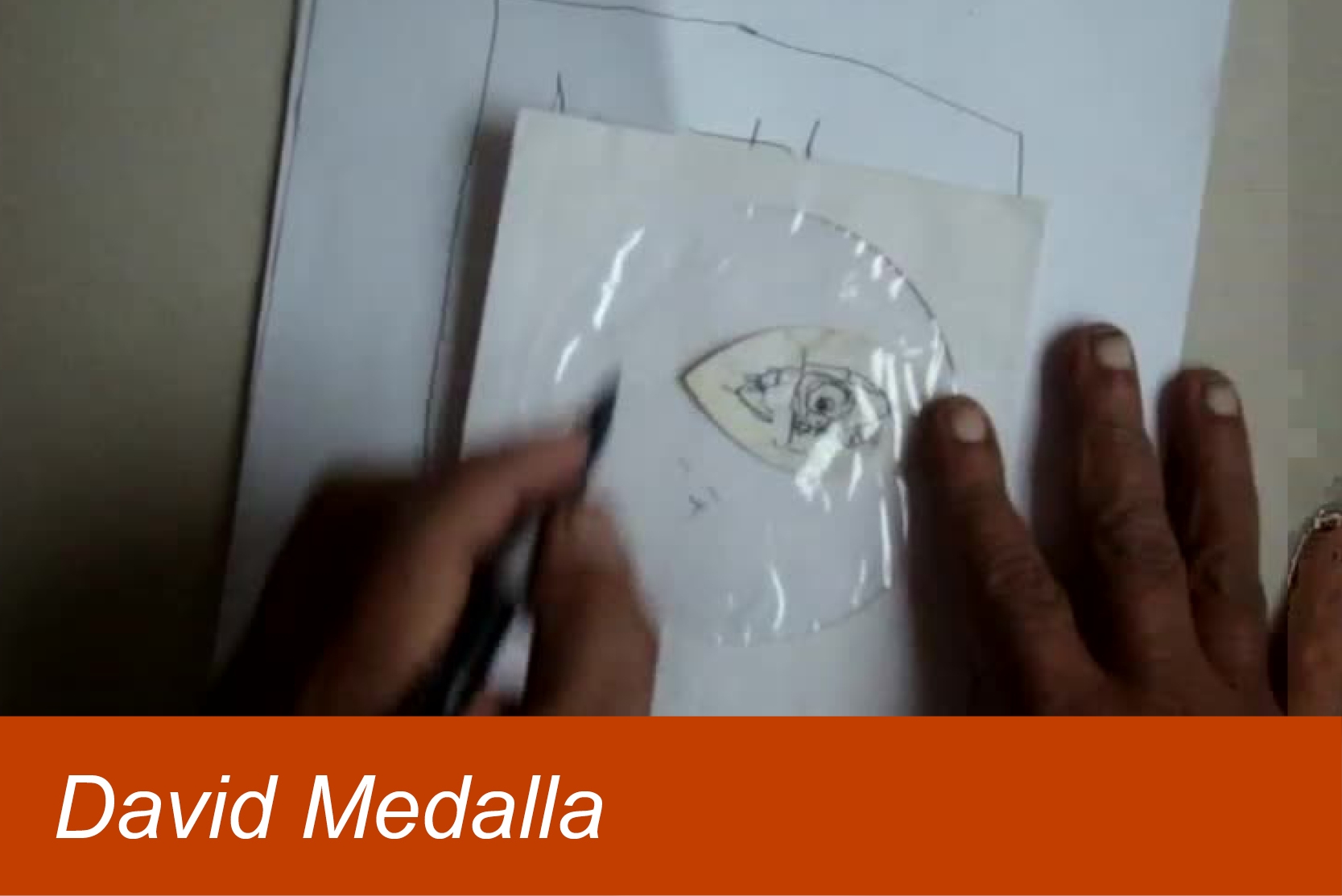
“The Ghost of Isaac Newton in Another Vacant Space” (2011), video performance. David Medalla presents a video impromptu. Eienstein is walking on the road of Biesentalerstrasse Berlin when he sees the ghost of Isaac Newton, eating an apple, addressing an empty room in another vacant space. A dialogue ensues…. David Medalla is constantly shifting his strategies and media; when one thinks one has him pinned down as a situationist, a surrealist, or a conceptualist, one is stumped as he continues to endlessly conceive other fantastic, often unrealisable schemes. He is an icon of an artist who has made no clear distinction between his art and his life in a body of work stretching back to the sixties.
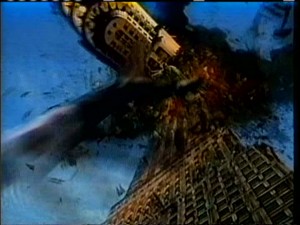
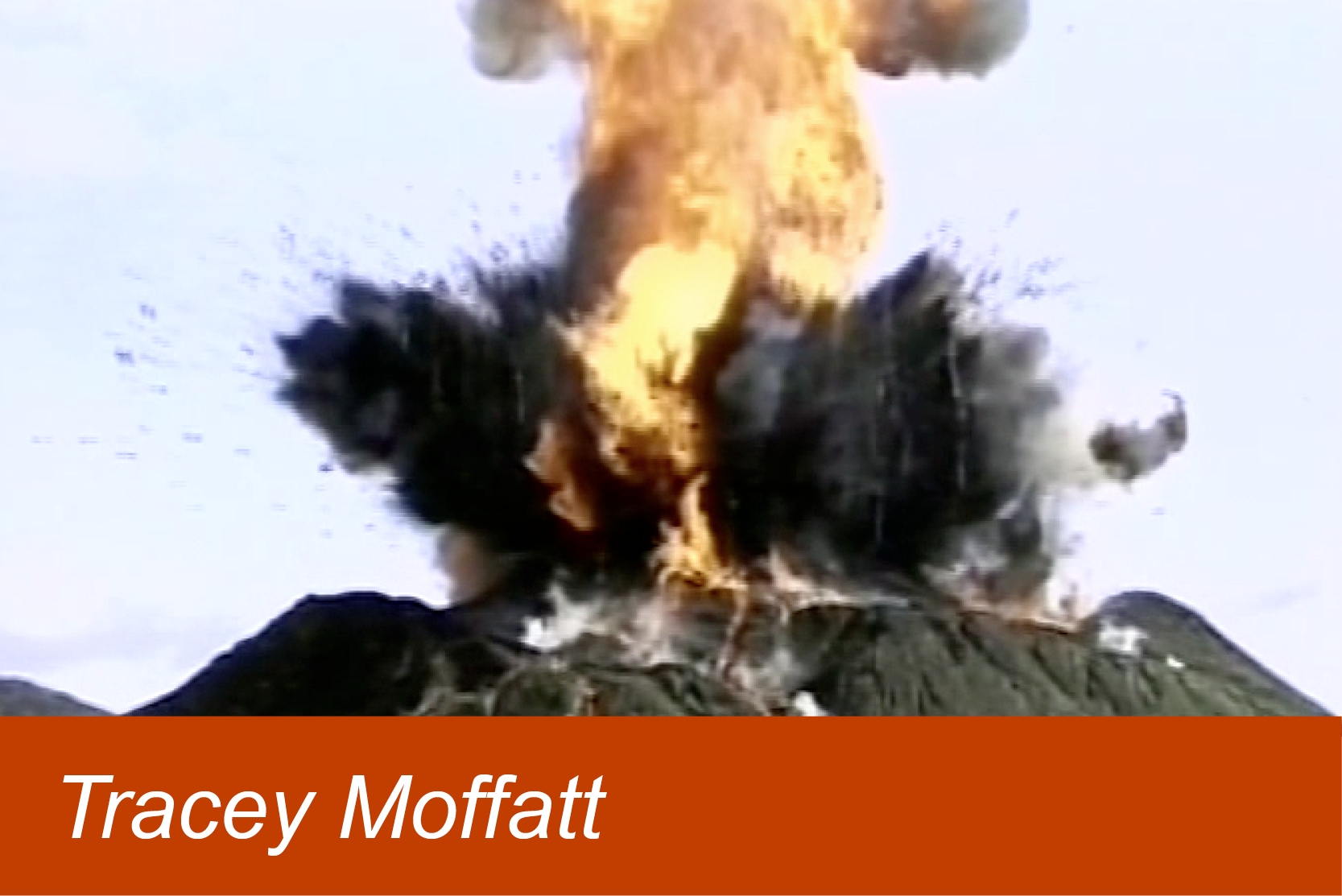
“Doomed” (2007) video, (Tracey Moffatt collaboration with Gary Hillberg), 10mins. This fast-paced montage of film clips takes Hollywood’s fixation with death and disaster to its ultimate cinematic end. “Doomed” comprises cut-and paste editing techniques in a highly entertaining and blackly-humorous take on the bleak side of our current psychological landscape. Moffatt’s film looks at both entirely fictional and reconstructed disastrous events. Each scene carries a particular cargo of references. They occupy their own unique symbolism and filmic territory – the poignant, sublime and epic, the tragic, the B-grade and downright trashy. The accumulation of scenes creates a narrative whole comprised of parts. Moffatt plays with the ‘disaster’ genre, re-presenting representations. Looking at the forms of filmic entertainment, as well as ‘art as entertainment’, she addresses what it is about death and destruction that we invariably find so entertaining. Music manipulates. The soundtrack builds and peaks – emotive, and a central device in journeying through the sequence to climactic effect. It is important that the title ‘Doomed’ has the quality of the not yet destroyed. It is a description that is applied to individuals, families, lovers, politics, and nations – an observation made from the outside and yet containing the possibility (read hope) that situations can be salvaged.
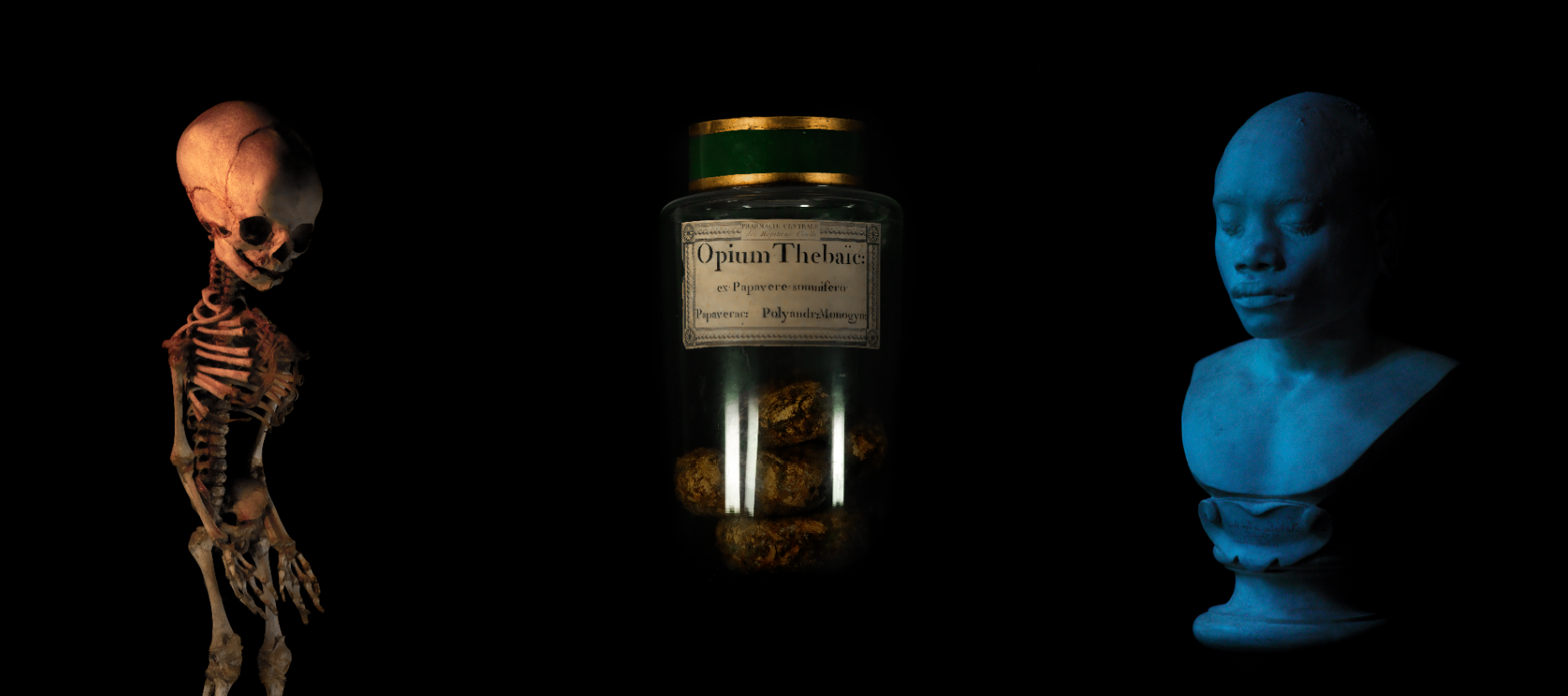
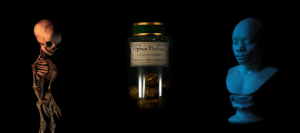
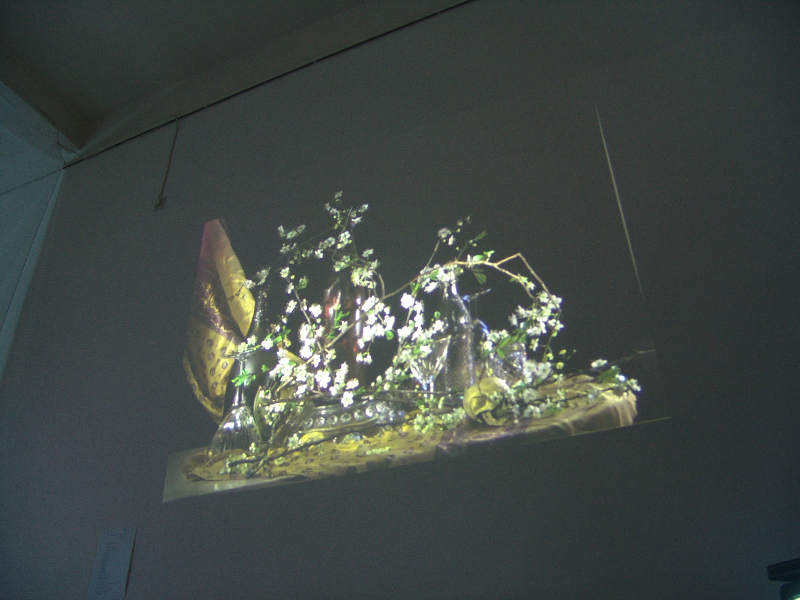
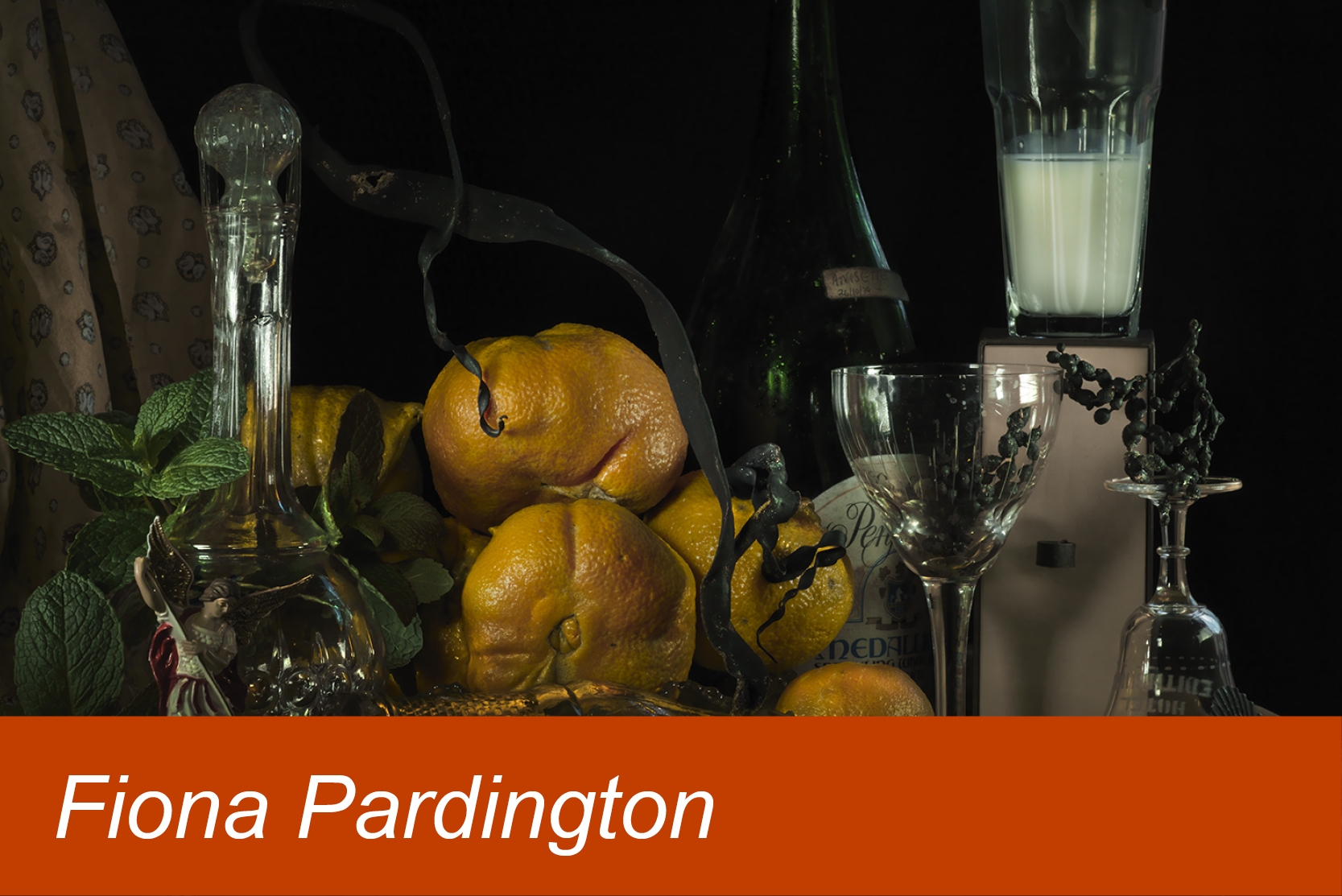
“We Dream of Gentle Morphius” (2011), from “Organic” dig projection of the photo series “Still Lives”
Fiona has been working in a still-life format within museums, recording taonga (Māori ancestral treasures) and other historic objects such as hei tiki (greenstone pendants) and the now extinct huia bird. In these works, she brings to a contemporary audience an awareness of traditional and forgotten objects. Her art practice occupies itself with both memory and mourning, and the ineffability of the photographic image. Her photographs demonstrate a mastery of analogue darkroom technique combined with the digital. Presented for the first time as a digital projection, these combined images, says Fiona Pardington, “work on a number of levels – once again my whakapapa/genealogy – random items that belong to beloved family members and important family members i had little contact with – like a child’s silver christening cup found by chance in a skip by my aunt when my grandmother’s house was cleared after sale- it belonged to my father…silk scarves found in french flea markets, shells taken from beaches important to ngai tahu because they are mahinga kai/traditional food gathered from the sea….seaweed, bottles dug out of the sand, midden shells from the beach the ngai tahu cheif tangatahara lived near. paua shells from otakou- paua shells are important food but also the shell can be seen as a tourist cliche and is sitting in a strange NZ cultural limbo presently. crystal wine glasses from op shops, native flowers and introduced weeds and pest plants introduced from overseas by the colonizers….”
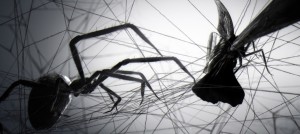
“Loom” (2010) dig animation, 5:30mins.
Loom tells the story of a successful catch. A moth being caught in a spiders web. Struggling for an escape, the moth’s panic movements only result in less chance of survival. What follows is the type of causality everyone is expecting. The spider appears, claims its prey and feeds on it. The way nature works. But it’s the point of view that creates an intense relationship between the hunter and its victim. There is much more to explore, much more to feel if one takes the time to really experience the content of a split second. Polynoid uses digital animation to heighten the senses, turning the natural into the hyper-real with a virtuosity of technique blurring the line between the digital and the science of life and death.
“Crash” (2009) Series, 3 Videos #1
“Crash” is a car accident scene that continously reveals one picture forward and at the same time continues to repeat itself. Gradual picture exposing strengthens the curiosity of what would happen next, multiplication intensifies the brutal tension, which can emanate with outrageous beauty. Finally, tension and tempo can bring on a visual catharsis. In drawing out a moment of film to manipulate the media and the viewer, Paul Rascheja confronts the basis of our fascination with violence. Too horrified to look, yet too mesmerized to look away, we are caught in this endless moment at the cusp of life and death.
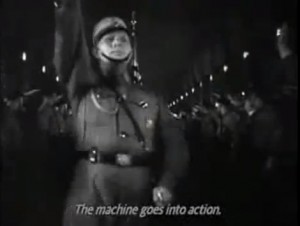
“Night and Fog” (Nuit et brouillard) 1955, 32 minutes
Knowledge and memory change with time – this is one of Resnais’ thematic concerns, in this film and elsewhere. “Nuit et brouillard” is a remarkable documentary made 10 years after the end of WWII, constructed and reconstructed out of a blending of archival footage and then-contempoary sequences. The contemporary (colour) sequences were shot at Auschwitz and Maïdanek, authorised and financially supported by the Polish government. The past, in black and white, was reconstructed from documentary material and stills gathered from concentration camp museums. It is precisely Resnais’ obsession with and mastery of form that gives Nuit et brouillard an emotional power unequalled by any fictional reconstruction of the Holocaust. The near-digressions of the subtly orchestrated and edited filmic narration and the ironies of the commentary capture and focus the viewer’s attention, ensuring that the most horrible images (those shots of corpses, for example, that the censors objected to) are seen with clear eyes, and that therefore their human meaning cannot be avoided. The juxtaposition of past and present ensures that the final question (“Alors, qui est responsable?”/”Well, then, who is responsible?”) is directed at the viewer, any viewer, the viewer of 1956 (when, Resnais admits, the growing war in Algeria was much on his mind) and the viewer today, living in an era of ethnic cleansing, genocide, and state violence differing perhaps on target but not in effect from those that came before. West Germany became the first country to purchase and distribute “Nuit et brouillard” when it came out. In the context of this show, it is important to bring it back.
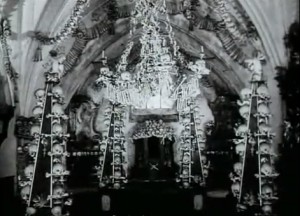
Known as a forefather of both Czeck surrealism and animation, it is ironic that this is perhaps Svankmajer’s only documentary, yet it could so readily be misconstrued as one of his elaborately constructed fictions. One of the masterpieces produced during Švankmajer’s early career, Kostnice (The Ossuary, 1970), is shot in one of his country’s most unique and bleakest monuments, the Sedlec Monastery Ossuary. The Sedlec Ossuary contains the bones of some 50 to 70 thousand people buried there since the Middle Ages. Over a period of a decade, they were fashioned by the Czech artist František Rint with his wife and two children into fascinating displays of shapes and objects, including skull pyramids, crosses, a monstrance and a chandelier containing every bone of the human body. Their work was completed in 1870, and these artifacts have been placed in the crypt of the Cistercian chapel as a memento mori for the contemplation of visitors. Well-known for his appreciation of the macabre, Švankmajer found in Sedlec a subject sufficiently grim not to have to add very much to it. The theme of ageing, ruin and death appears right from the beginning. yet we are saved from morbidity by the elaborate, contrast-rich editing, alternating static images and leisurely camera pans with bursts of rapid-montage, swish-pans and tilts reminiscent of the impressionist technique of the pioneer of early French film Abel Gance. At other times, a long shot of the chapel’s interior, a sculpture or a camera pan is intercut with close-ups of a skull or another poignant detail, producing an atmosphere of nervous tension. A subtle detail in the concluding images of the film links the macabre atmosphere of death with the oblivion of the living: adolescent initials scratched into the skulls and bones by anonymous visiting vandals. A silent commentary on the eternal forgetting of humans—or perhaps their effort to laugh at death?
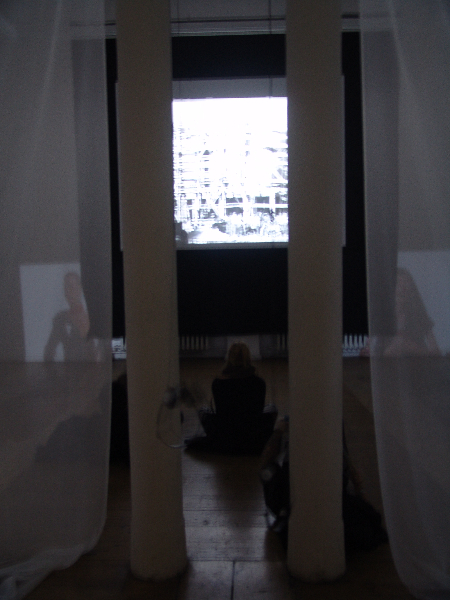
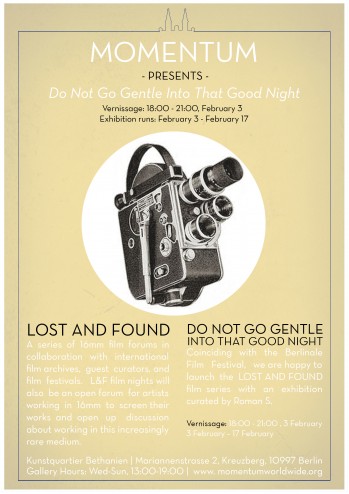
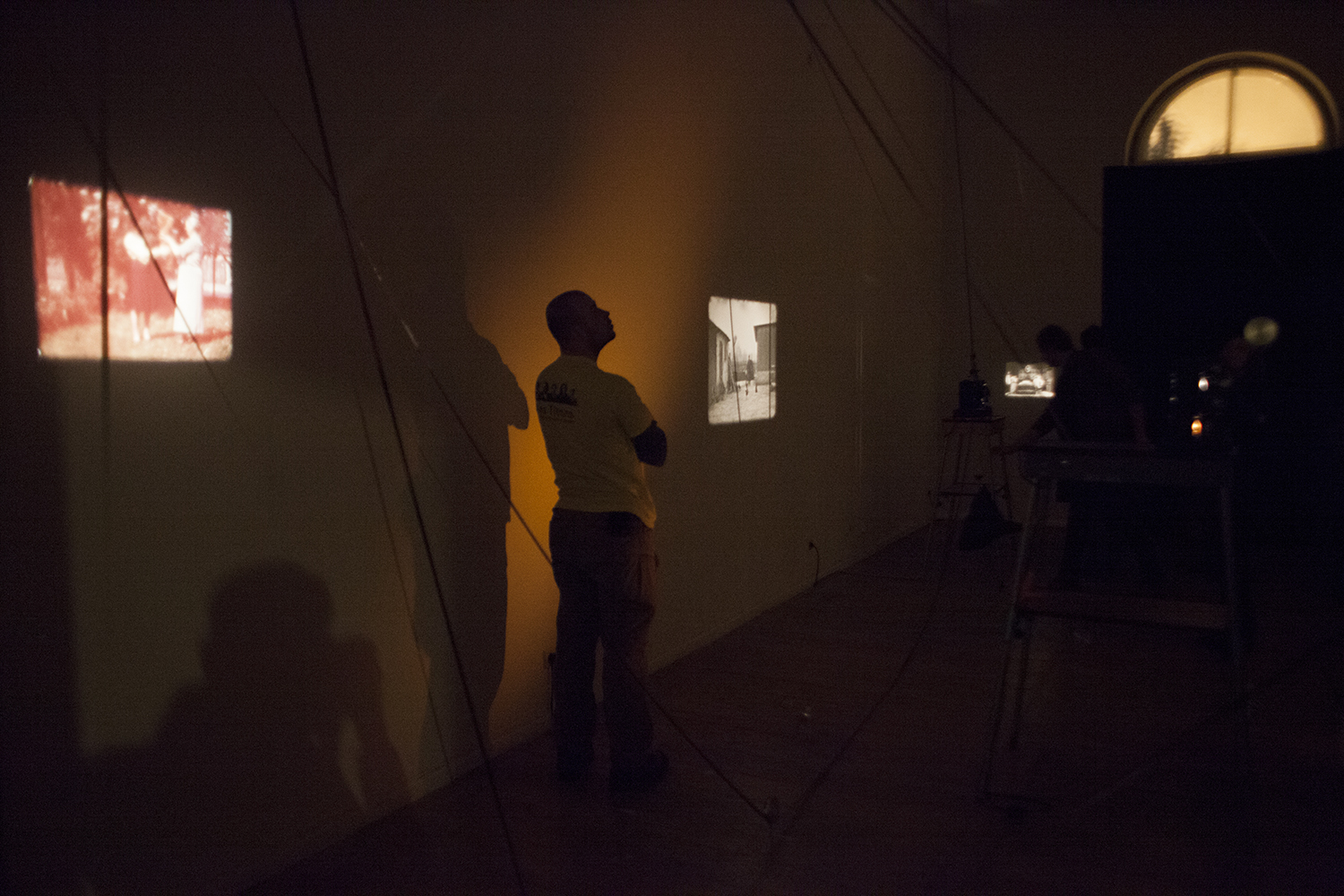
In collaboration with guest curators and international film archives and film festivals, we are launching a program of 16mm film nights. In addition to a curated program of screenings, each LOST AND FOUND film event will also be an open forum for artists working in 16mm to screen their works and open up discussion about working in this increasingly rare medium.
To mark the launch of LOST AND FOUND, we present our inaugural event as an exhibition coinciding with the Berlinale Film Festival:
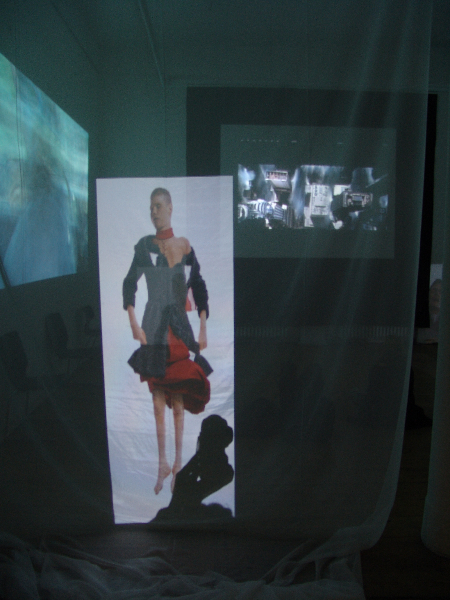
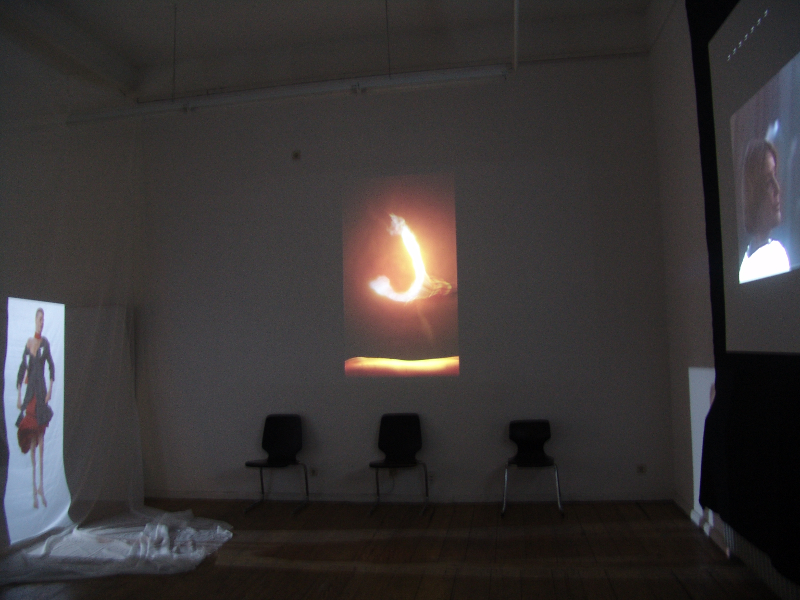
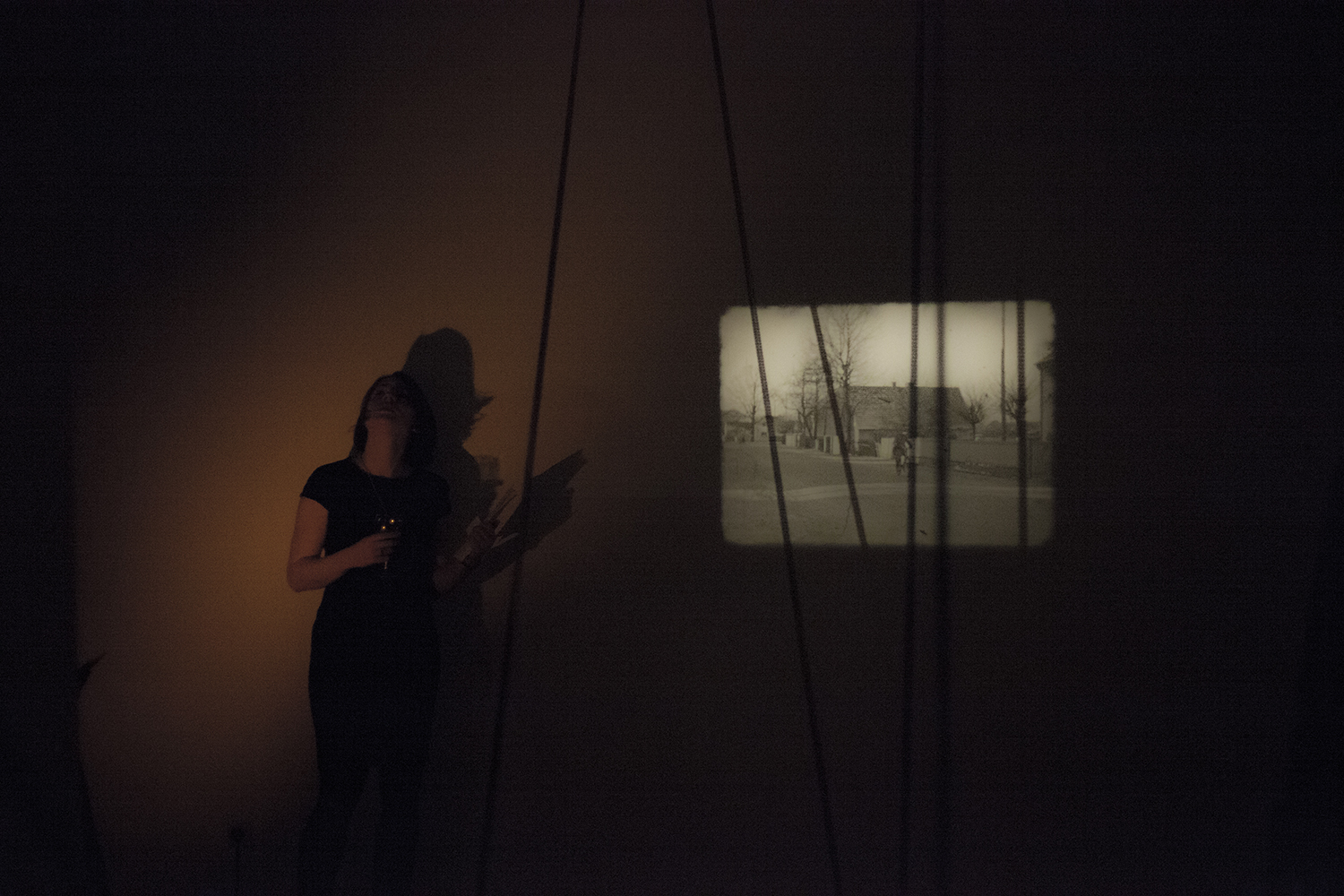
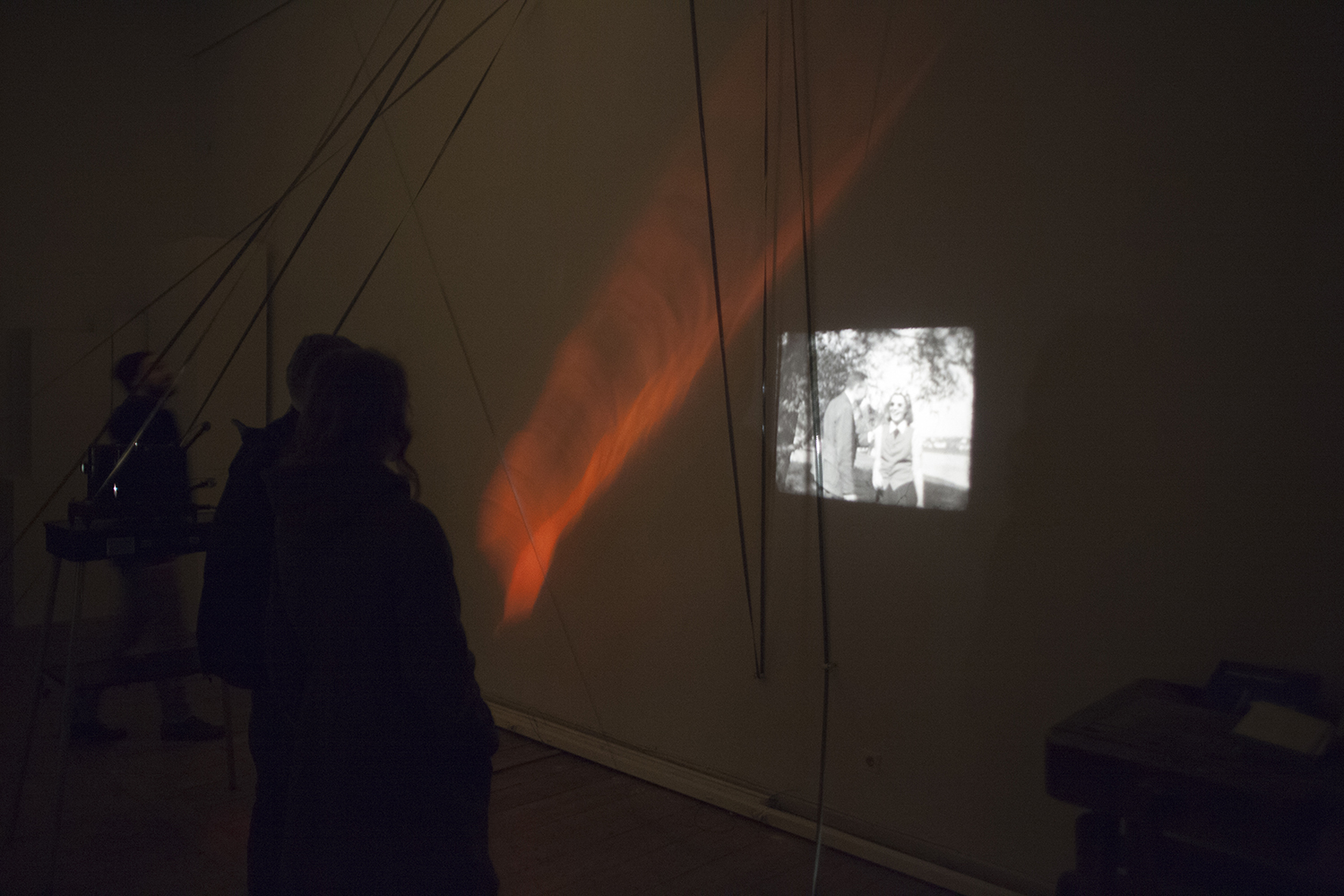
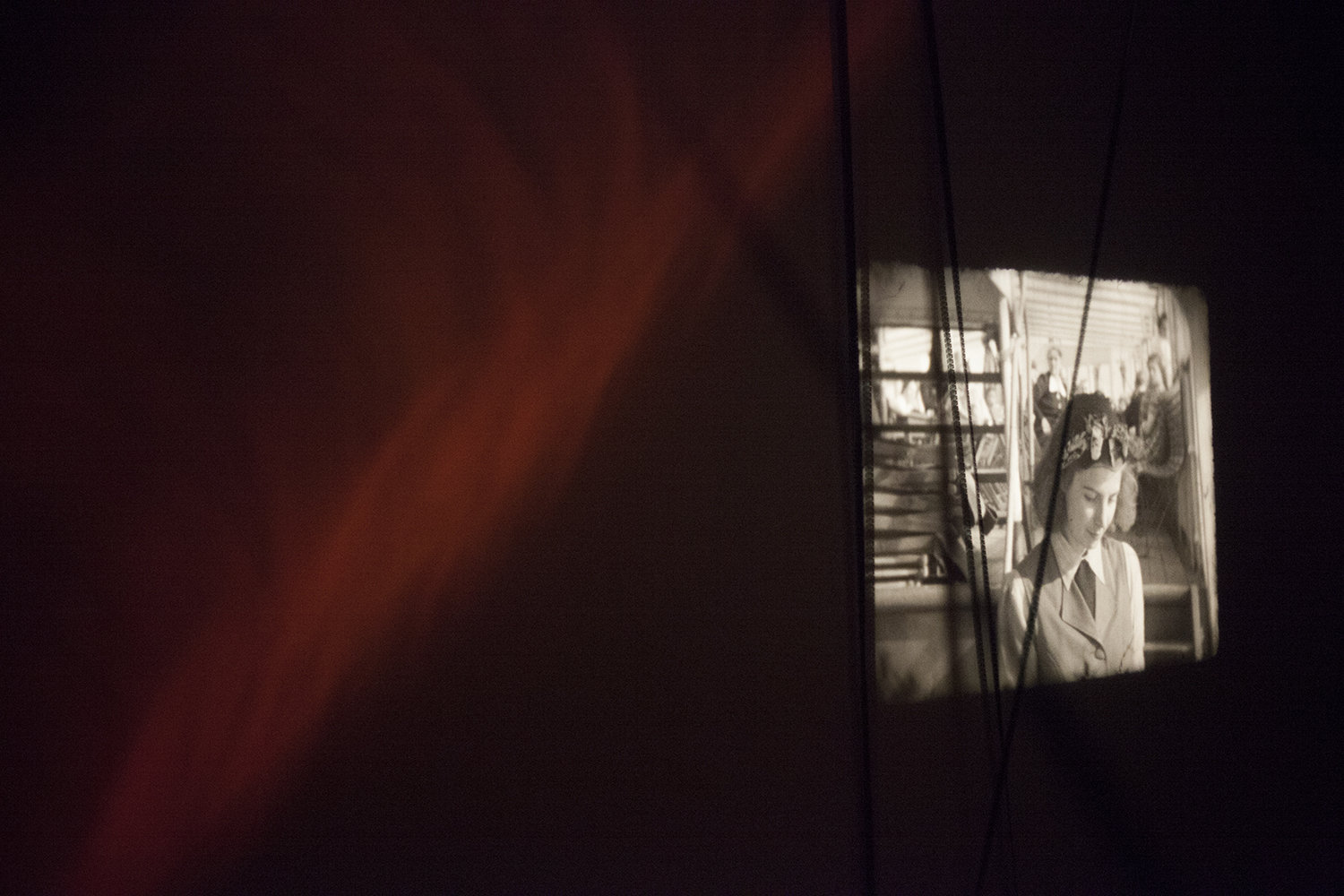
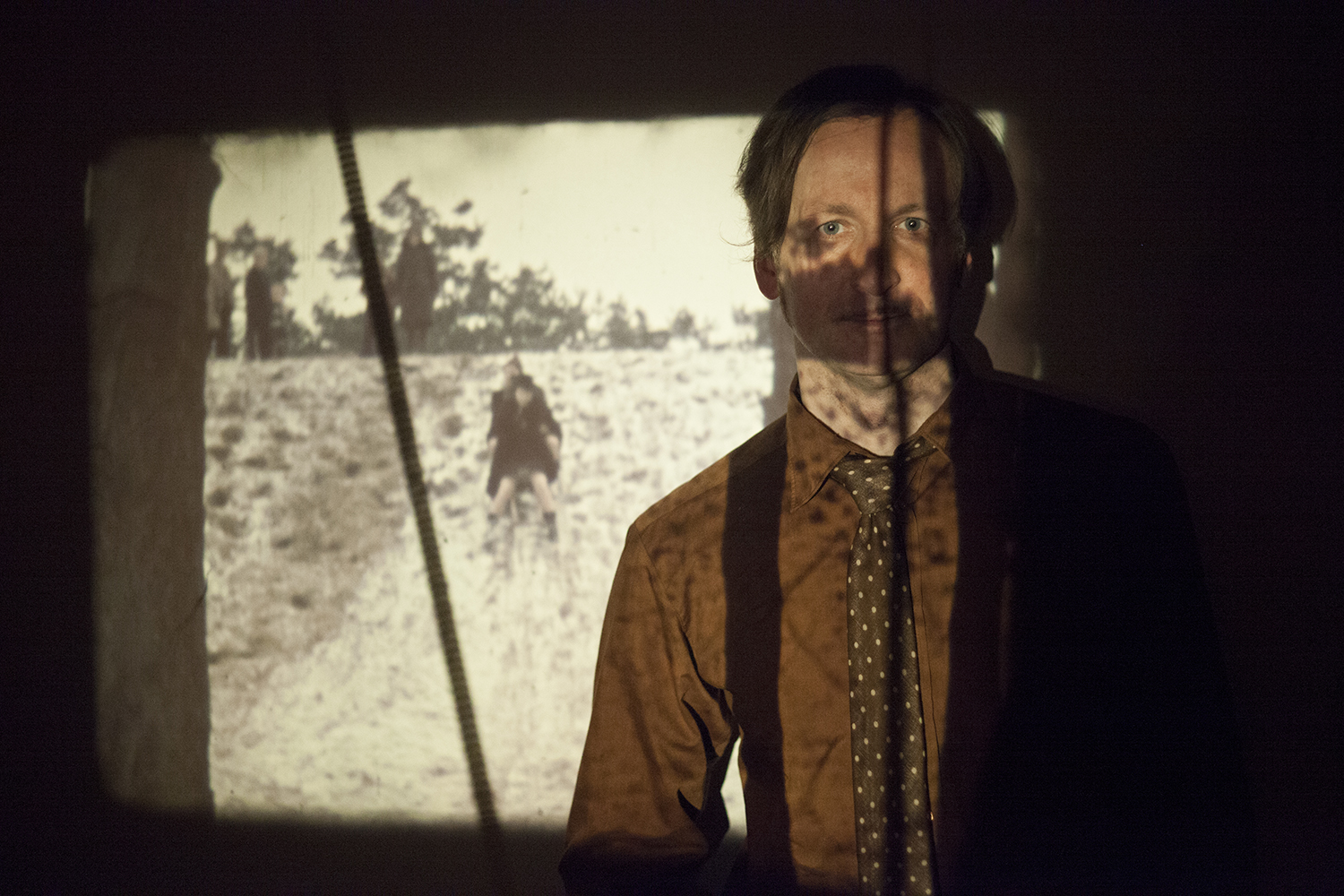
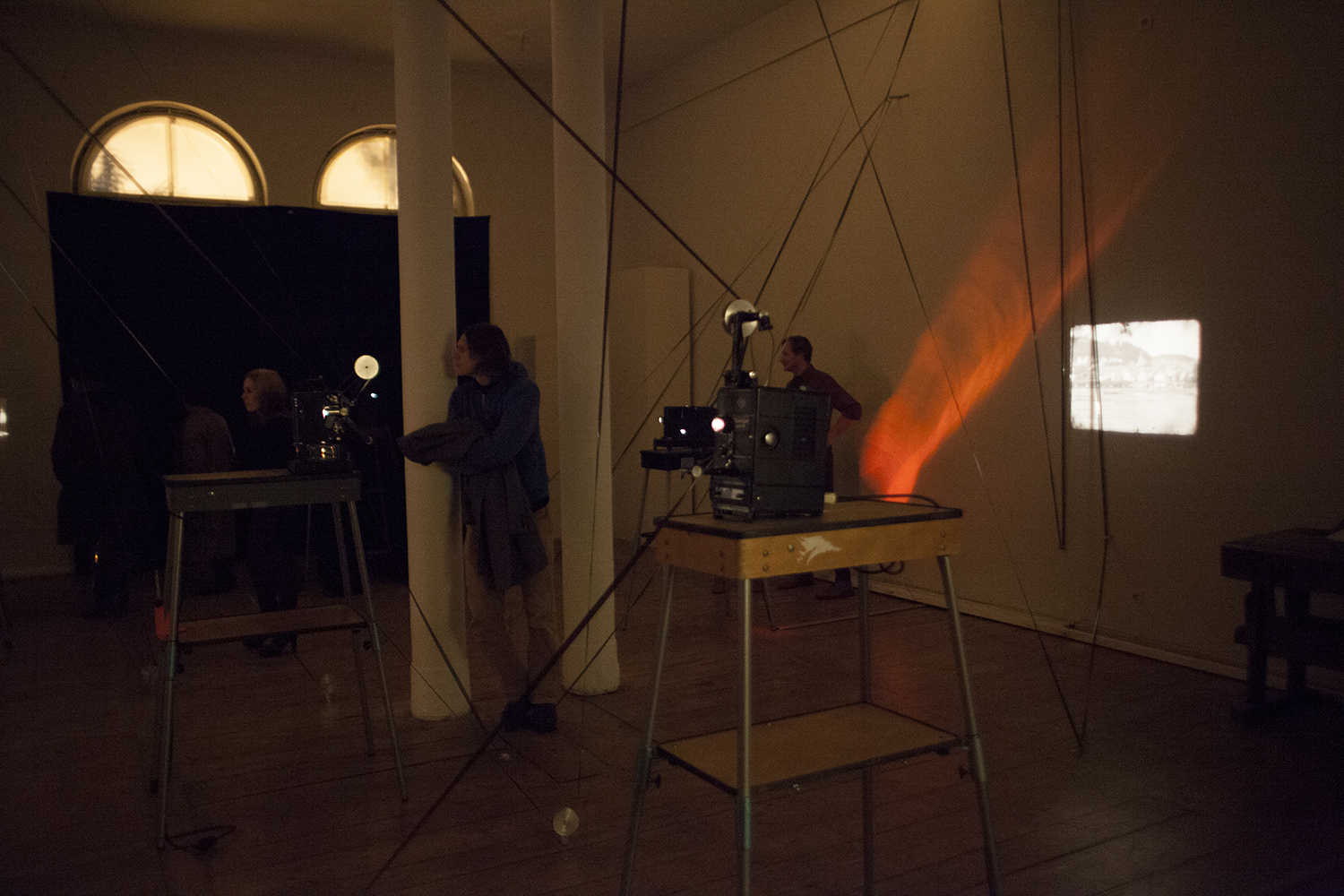
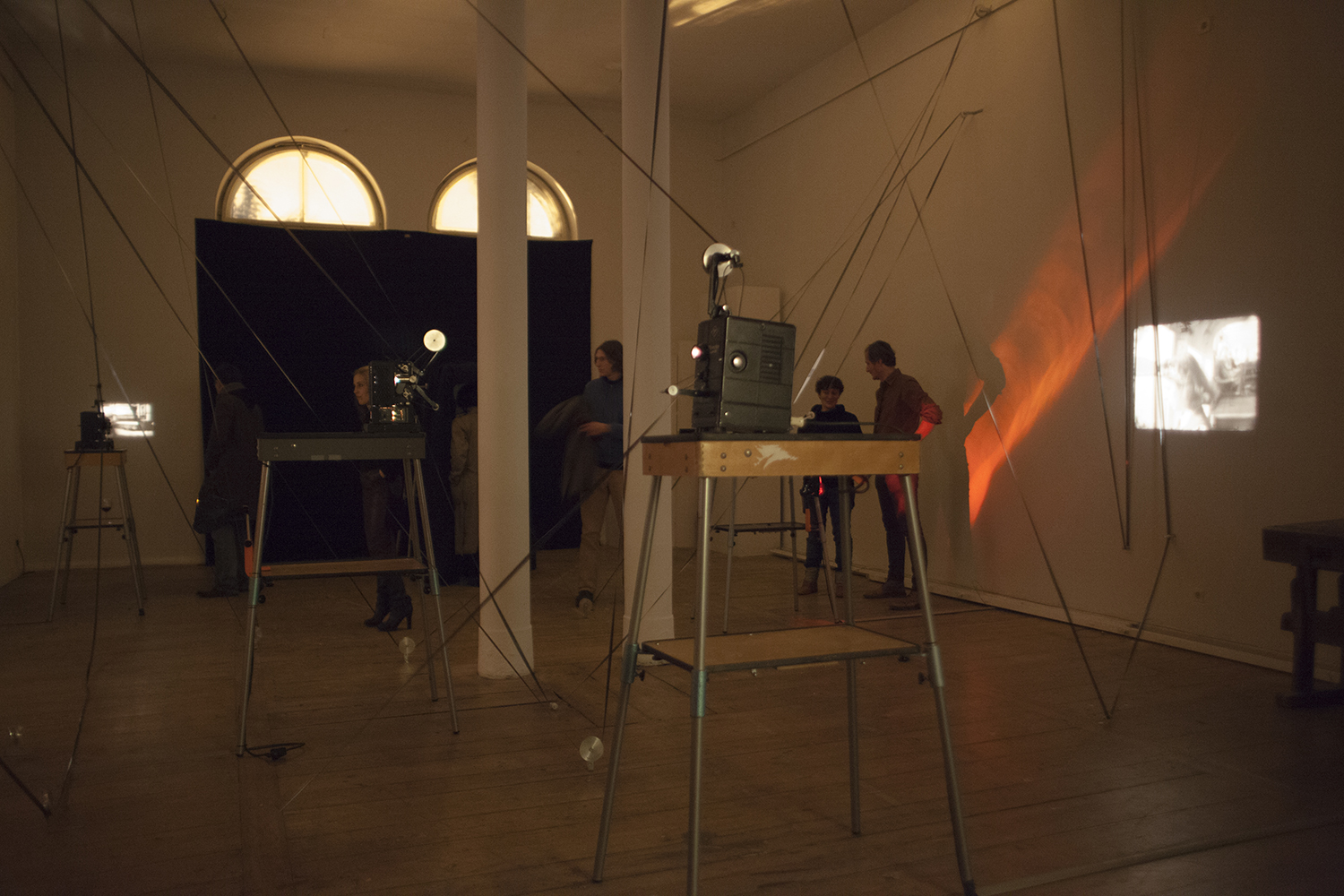
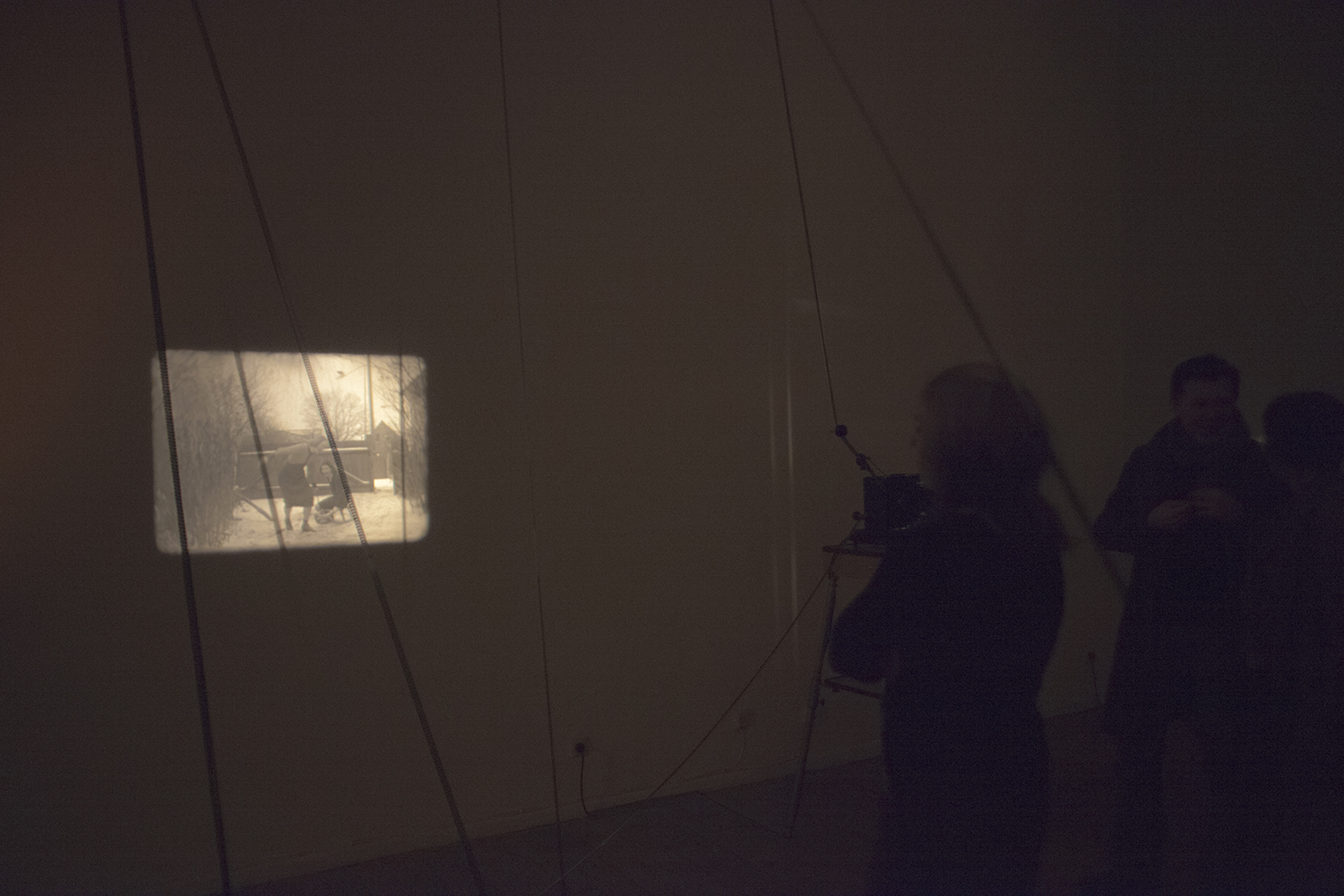
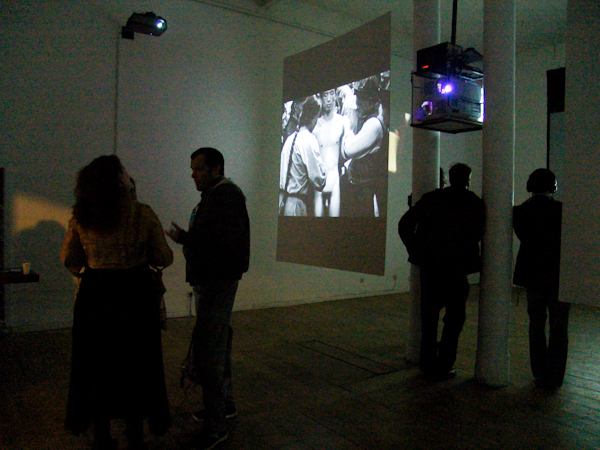
A multichannel film installation screened on projectors from the 1920′s – 30′s.
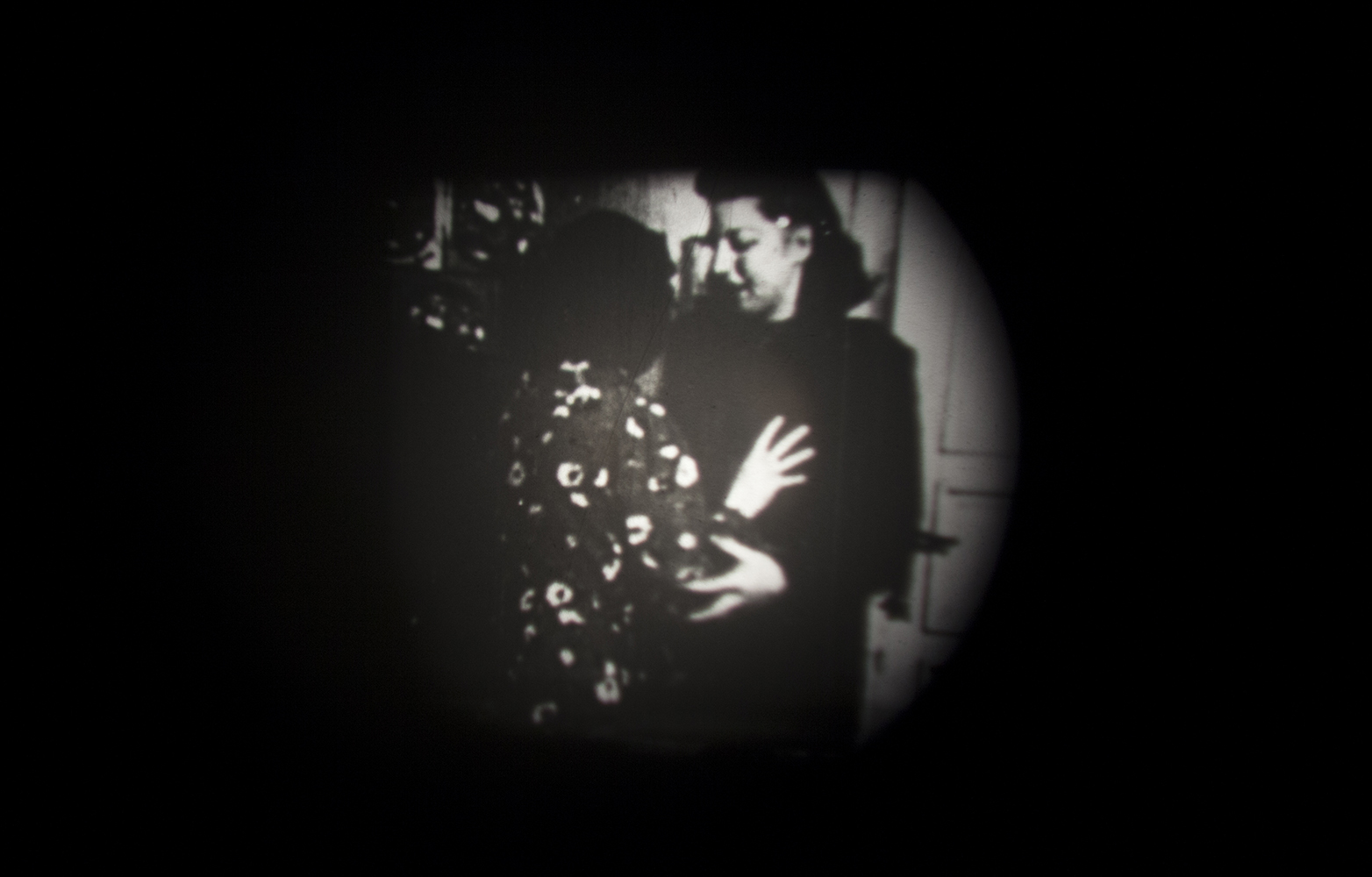
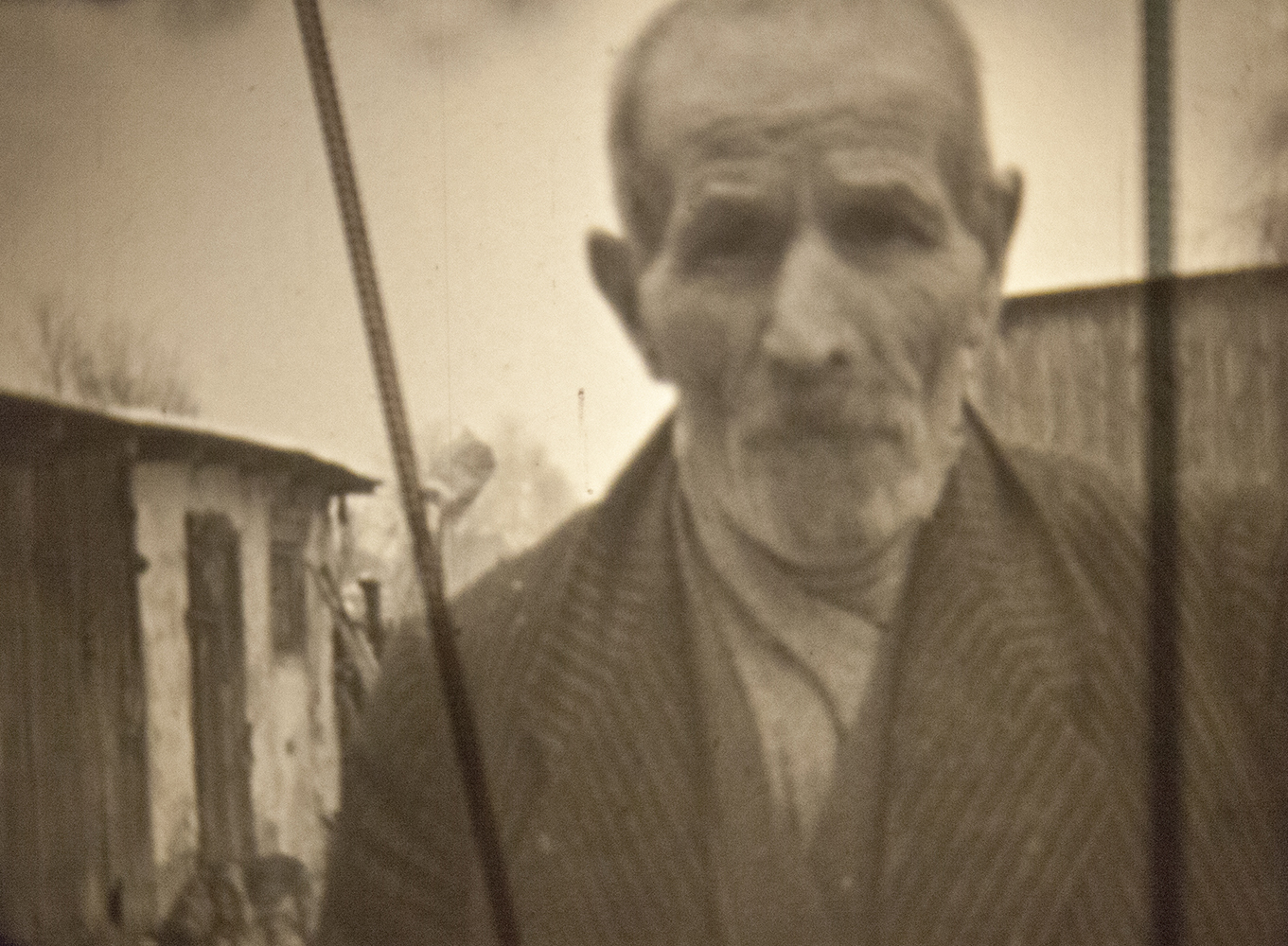
Artists unknown (1920′s – 1940′s).
Do Not Go Gentle Into That Good Night
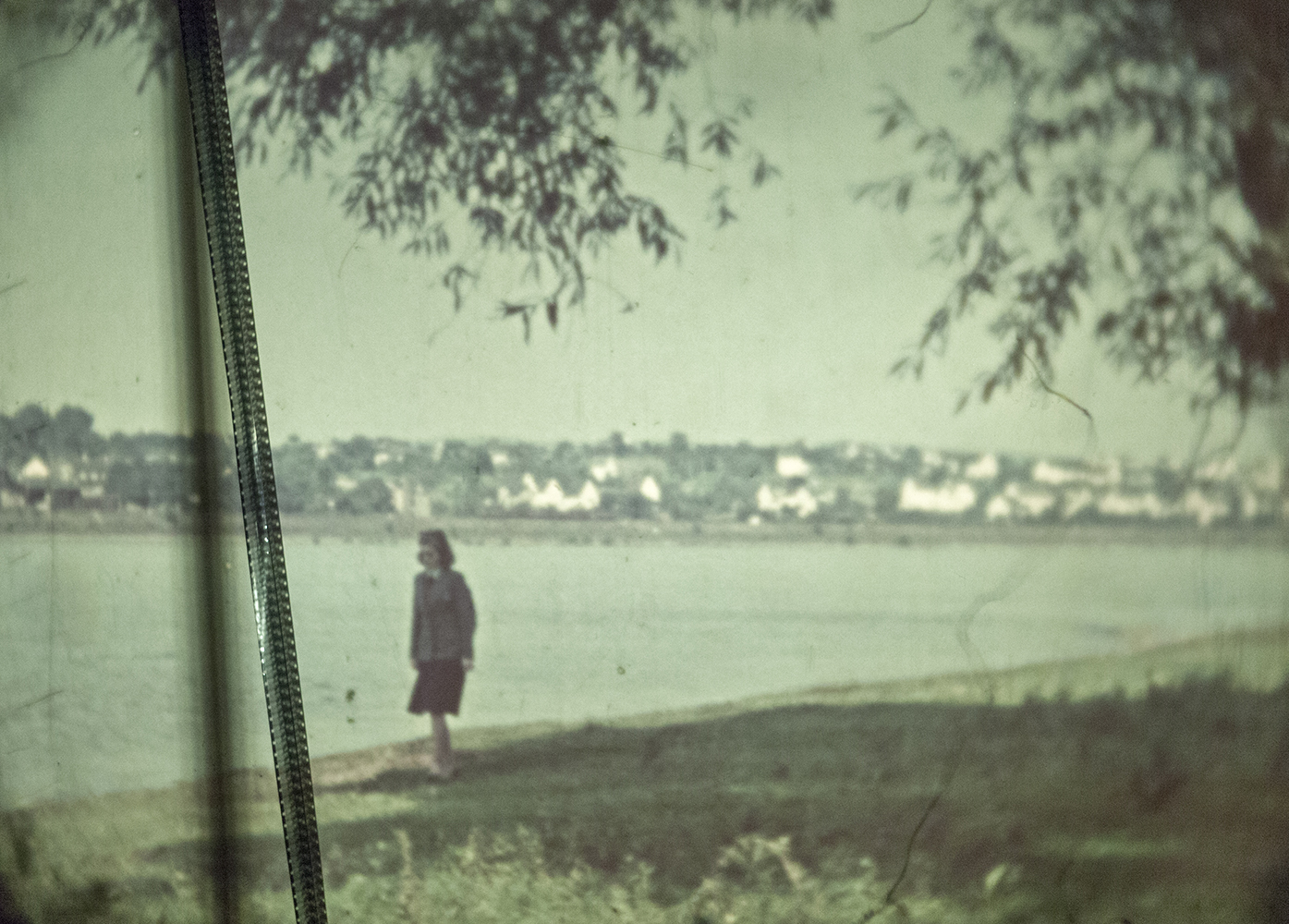
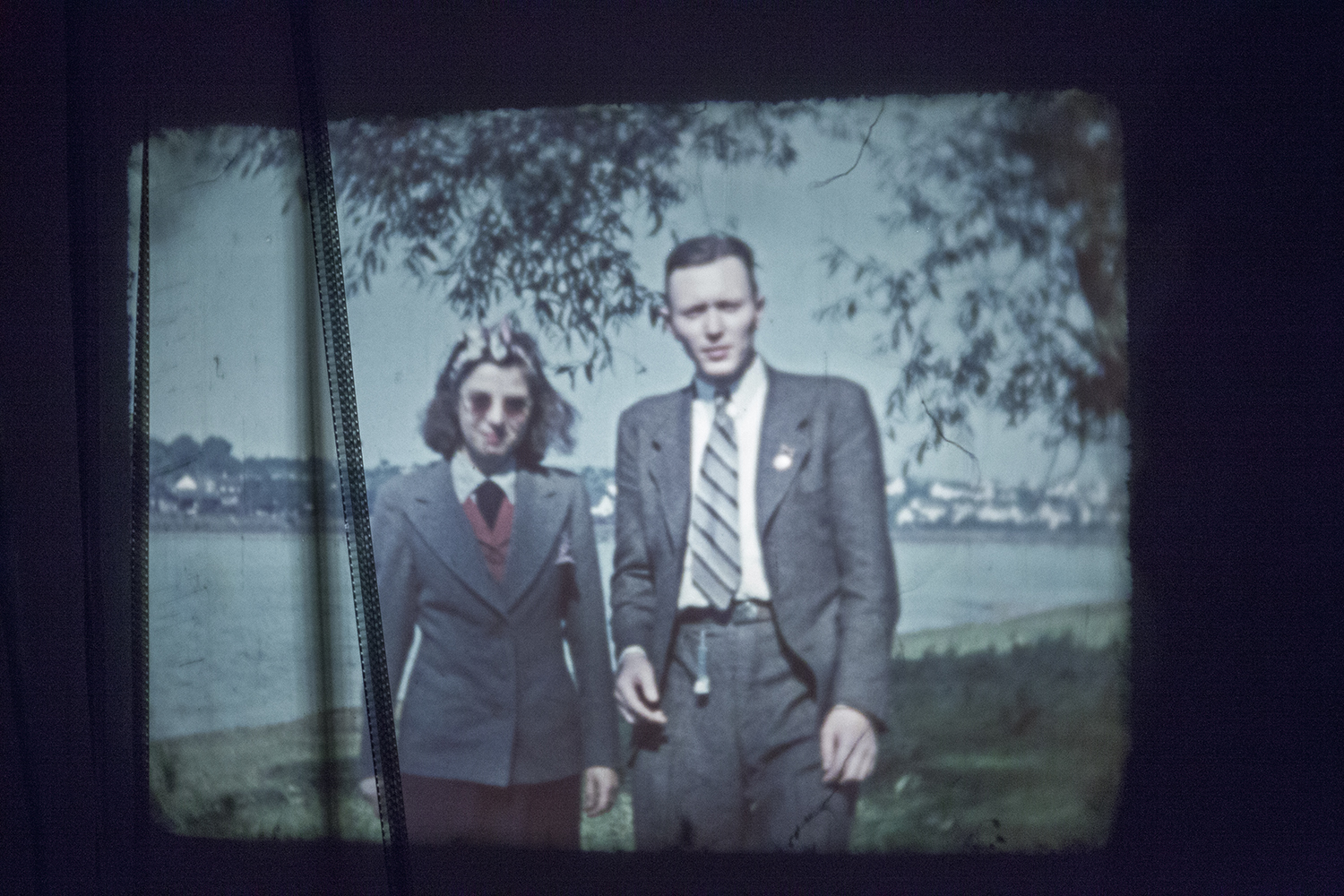
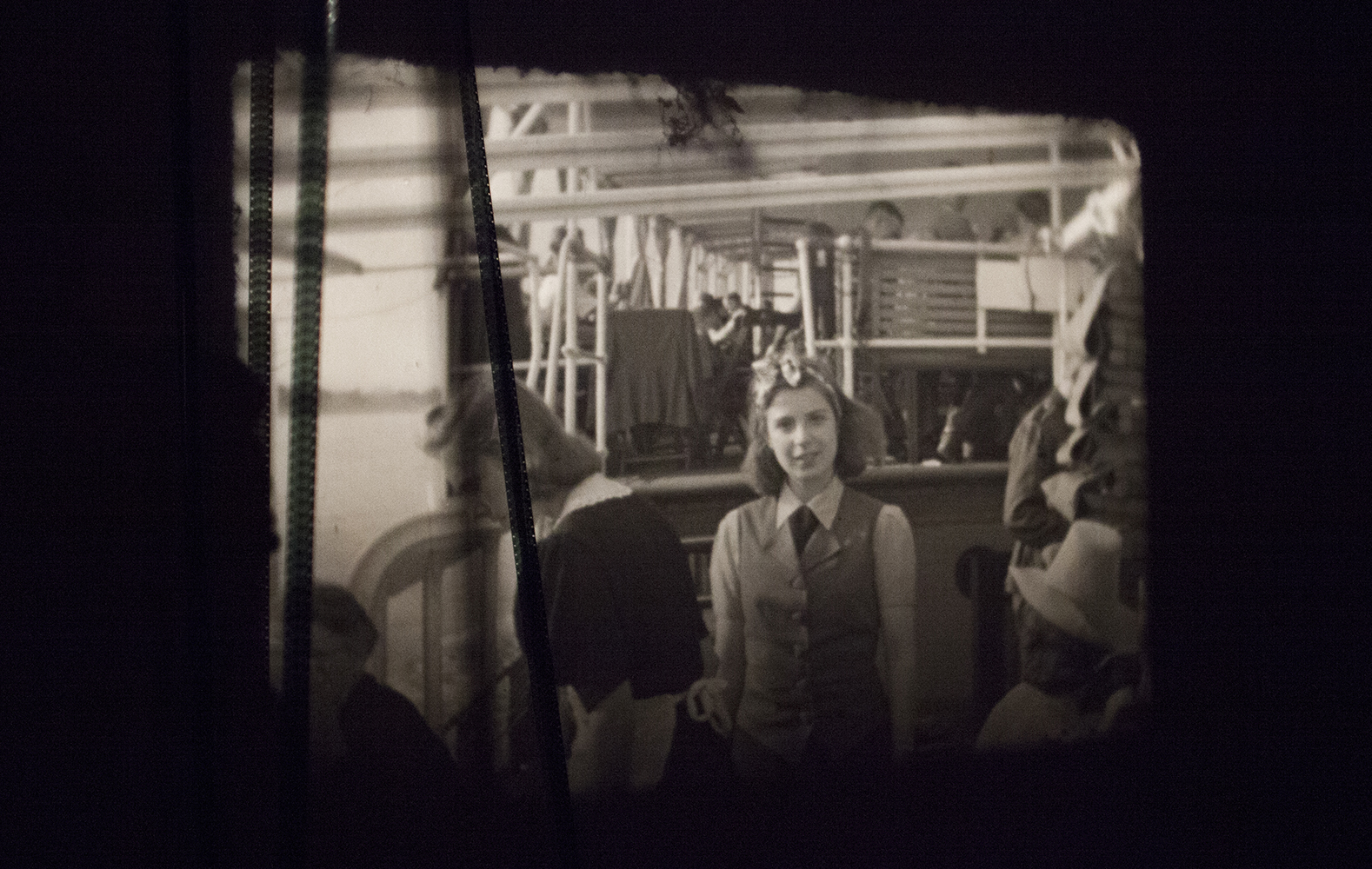
Usually when we wish to recollect something from the past we see it as a still frame. It happens, that imagination about the far, often unknown past comes to us as an eye-blink, a single image hovering in time. Sometimes this memory of the image reminds us of something that we know or more often it has an accidental connotation. During the process of watching films, we usually transfer our private space into an unknown area, which could be unreadable for somebody from outside. Private stories that we could watch on the screen, go beyond both aesthetic and cinematic practices which are known from narrative and documentary cinema. An apparently chaotic plot, lack of dramaturgy, seems to be less interesting, but then again, this world without artistic qualities discovers for us an unknown or often ignored layer of representation.
Home movies evoke the world in which we as strange viewers, who have no access to the private stories played in front of the camera, become invisible participants. As such we recognize this thin layer, the border that divide the imaginary world from “here and now”. The process of recollecting events from the past works also in reverse: when we look at pictures taken by others, facts from our private lives are called to mind. Participating in this blaze of places and characters, we start to think that we, not the other, created these images – that we saw them like that, fooling our memories into occupying the space of the anonymous filmmakers. Following this logic, private stories carry on the dialogue with each other. Accordingly, screened images would somehow repeat the work that we as viewers have to do by ourselves in recollecting these disparate stories. Projecting our own experiences, we become the unknown eye behind the camera. The exhibition is structured as multichannel projections, all of the materials date back to the 1920′s – 1940′s and come from private archives, the people and places are a mystery. . .
Curated by Roman S.
Short Bio:
Roman S. is a media expert who was born in Poland, and now lives and works in Berlin. He restores and collects 16mm projectors as well as films and found footage by unknown artists. This exhibition features works and projectors from his collection.
Experimental cinema program in Poland for several institutions. Featuring programs on:
New American Cinema, British experimental, Expanded Cinema (Guy Sherwin), Beat Cinema, New York Filmakers Coop, Bruce Conner, Harry Smith, Maya Deren, Jonas Mekas, Peter Tcherkasky, Matthias Mueller, Len Lye.
Do not go gentle into that good night,
Old age should burn and rave at close of day;
Rage, rage against the dying of the light.
Though wise men at their end know dark is right,
Because their words had forked no lightning they
Do not go gentle into that good night.
Good men, the last wave by, crying how bright
Their frail deeds might have danced in a green bay,
Rage, rage against the dying of the light.
Wild men who caught and sang the sun in flight,
And learn, too late, they grieved it on its way,
Do not go gentle into that good night.
Grave men, near death, who see with blinding sight
Blind eyes could blaze like meteors and be gay,
Rage, rage against the dying of the light.
And you, my father, there on the sad height,
Curse, bless, me now with your fierce tears, I pray.
Do not go gentle into that good night.
Rage, rage against the dying of the light.
(Dylan Thomas, 1952)
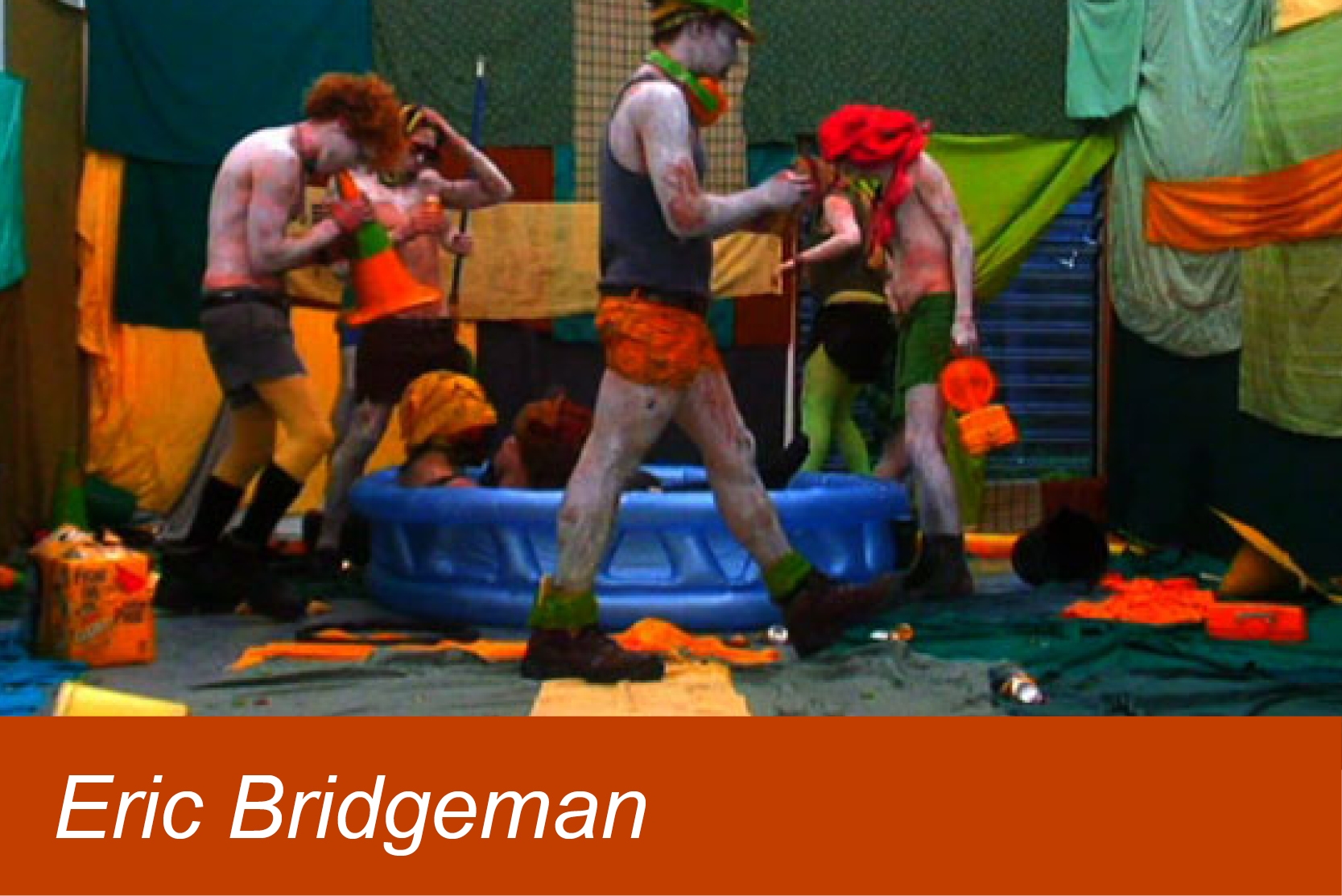
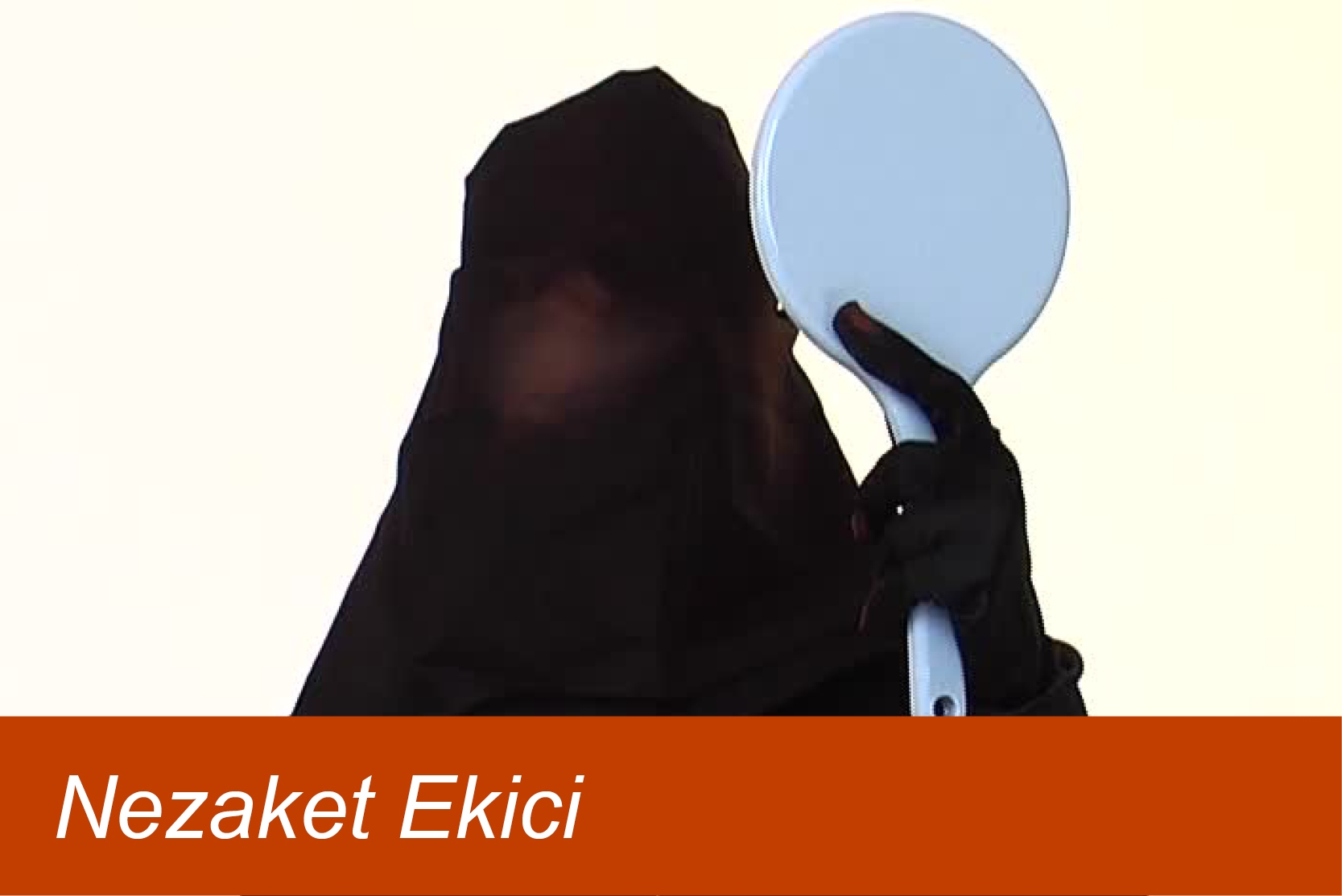
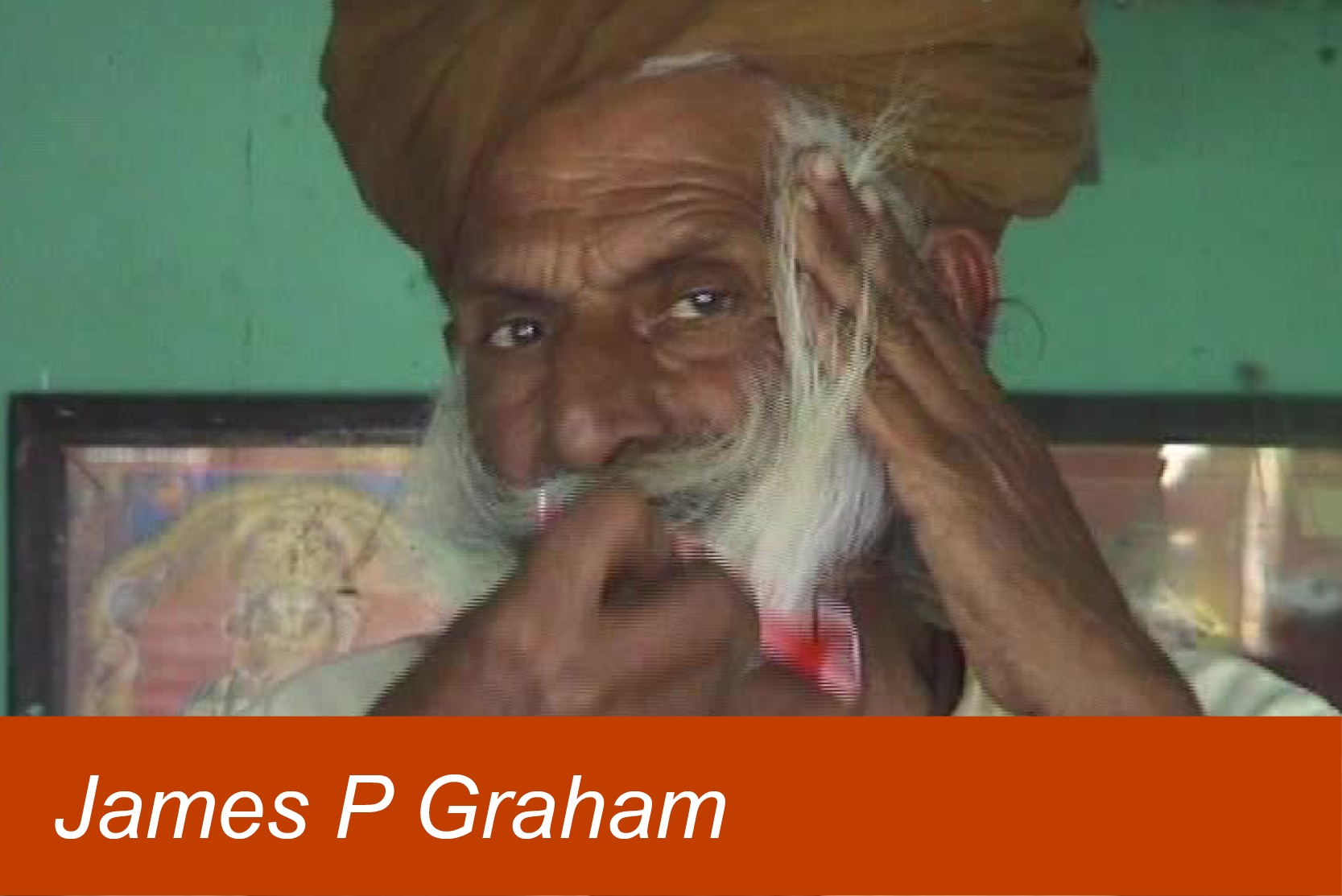
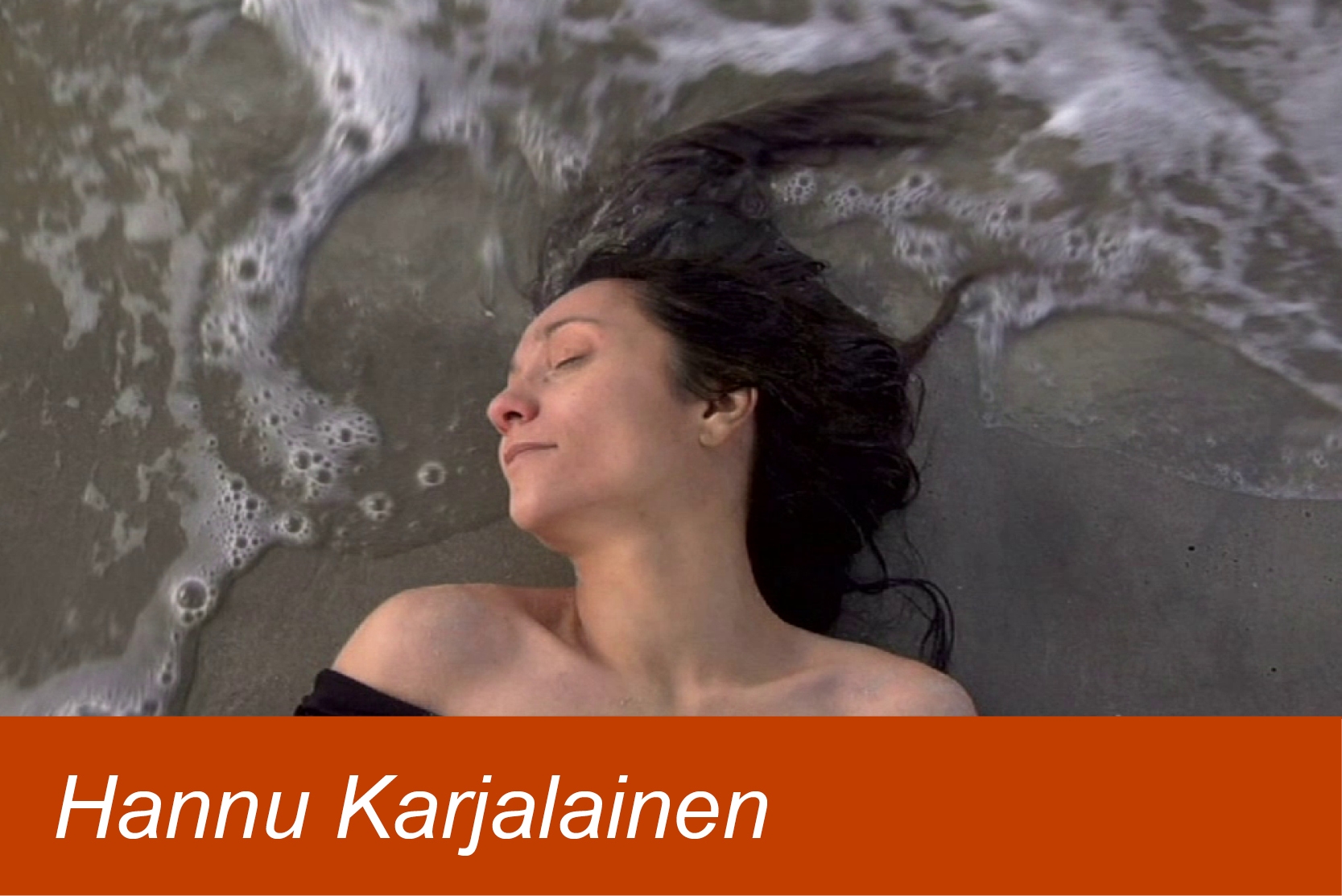
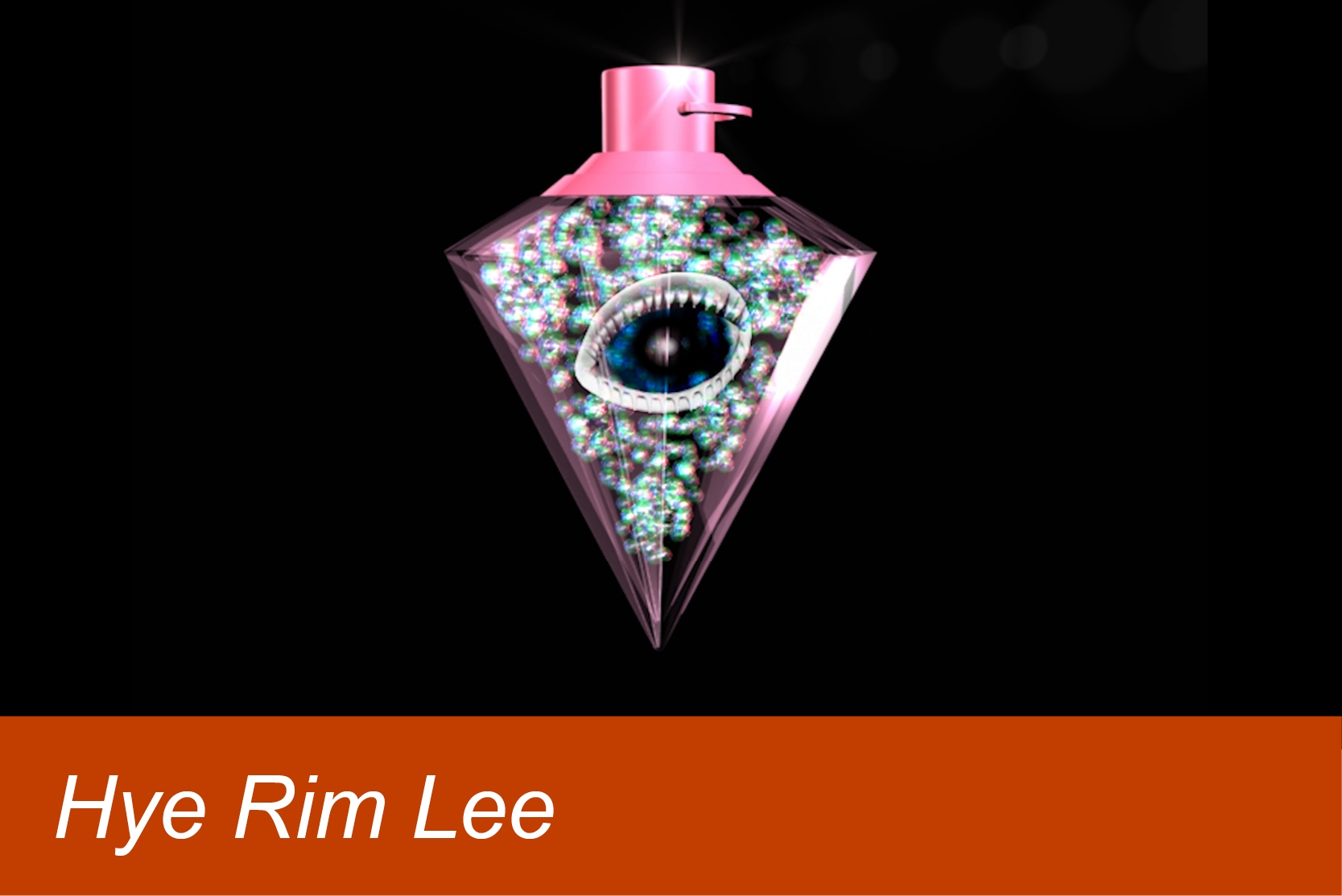
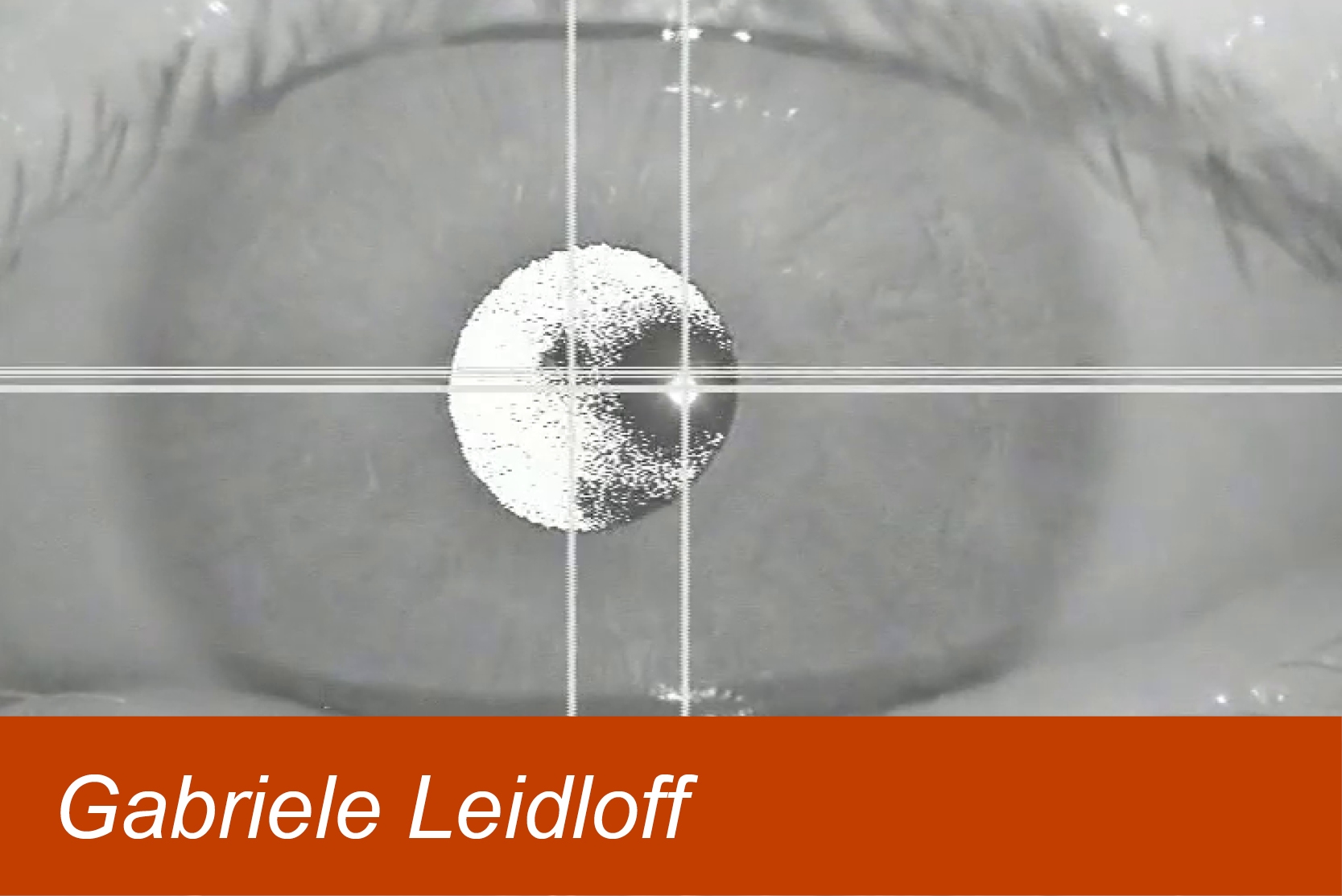
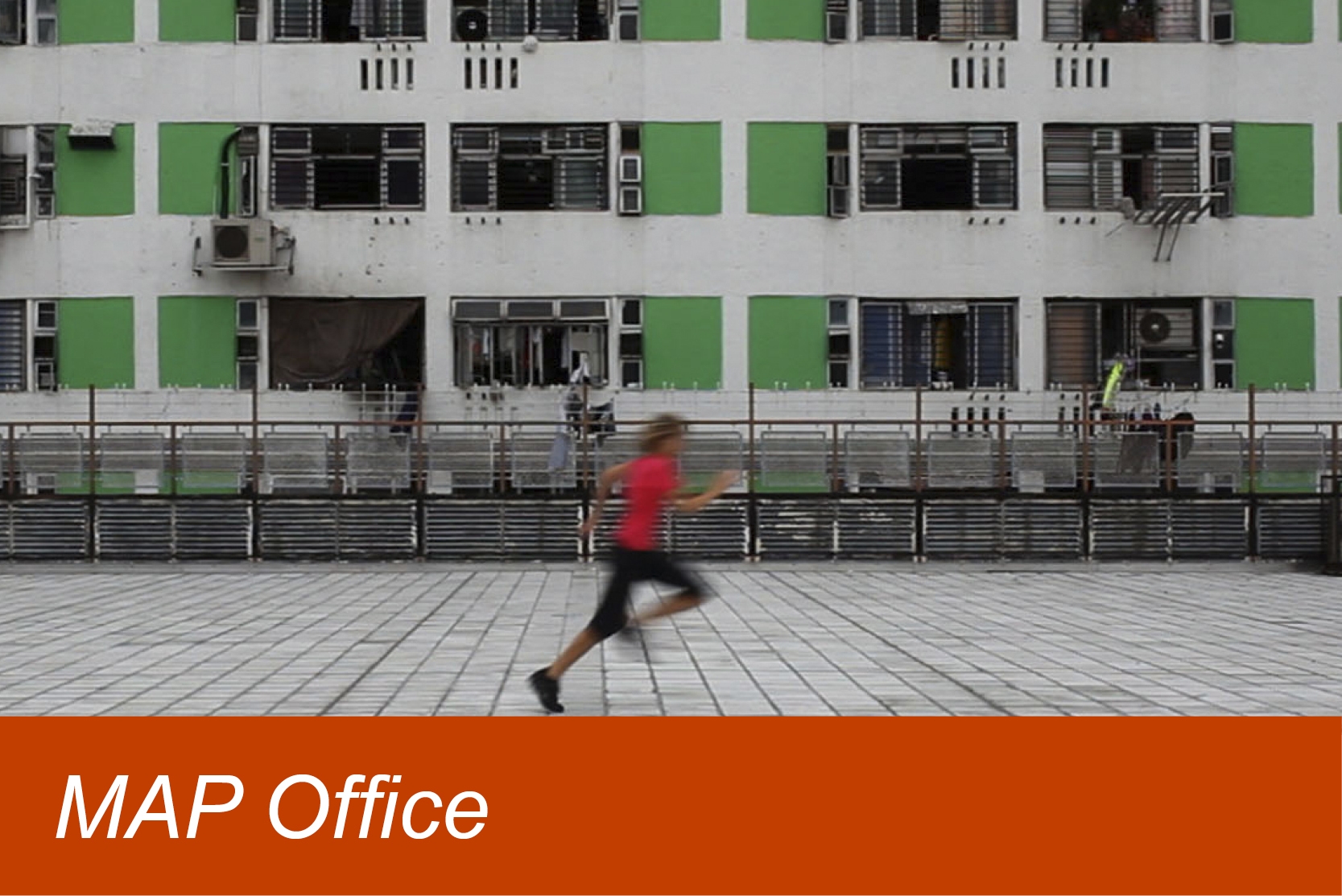
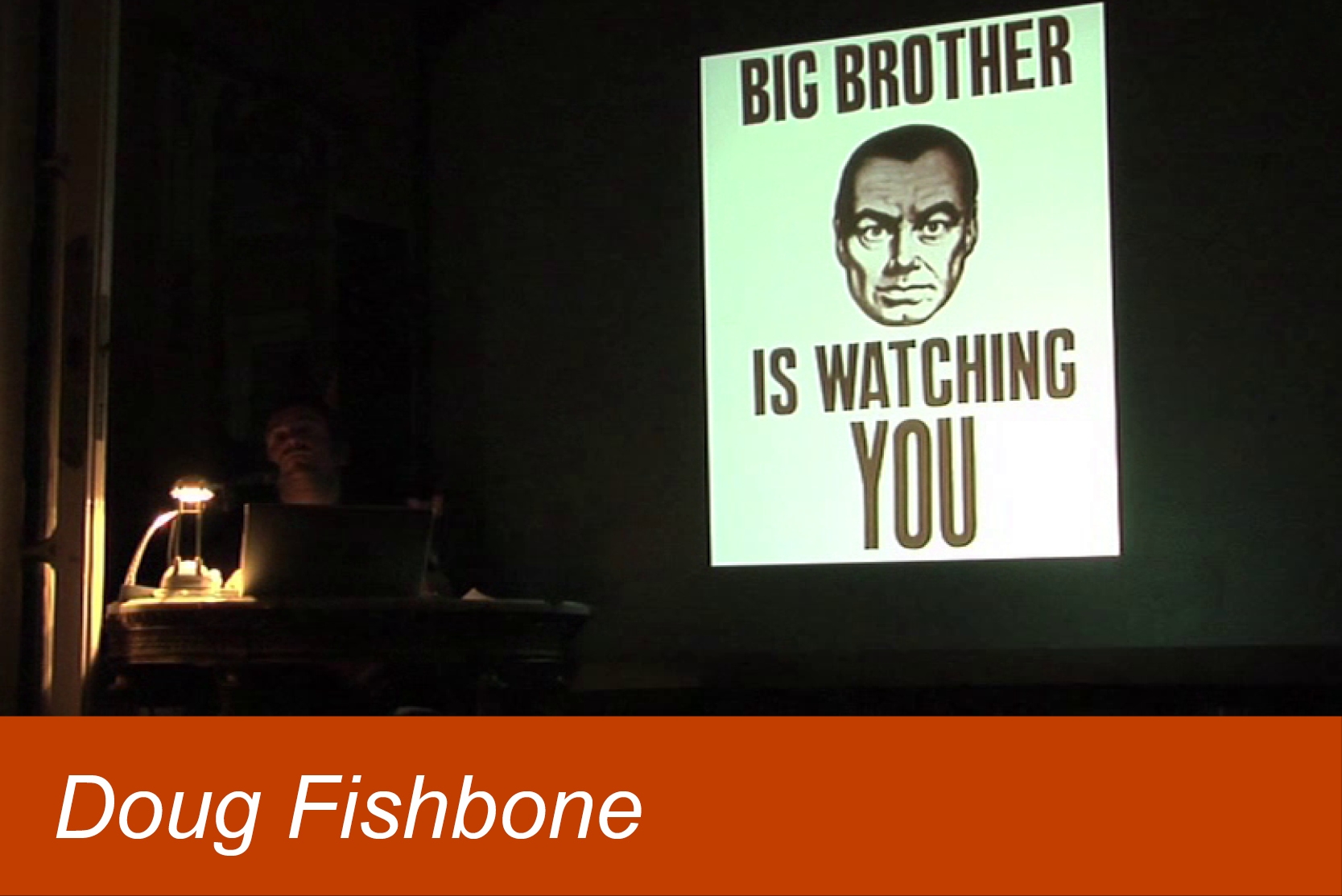
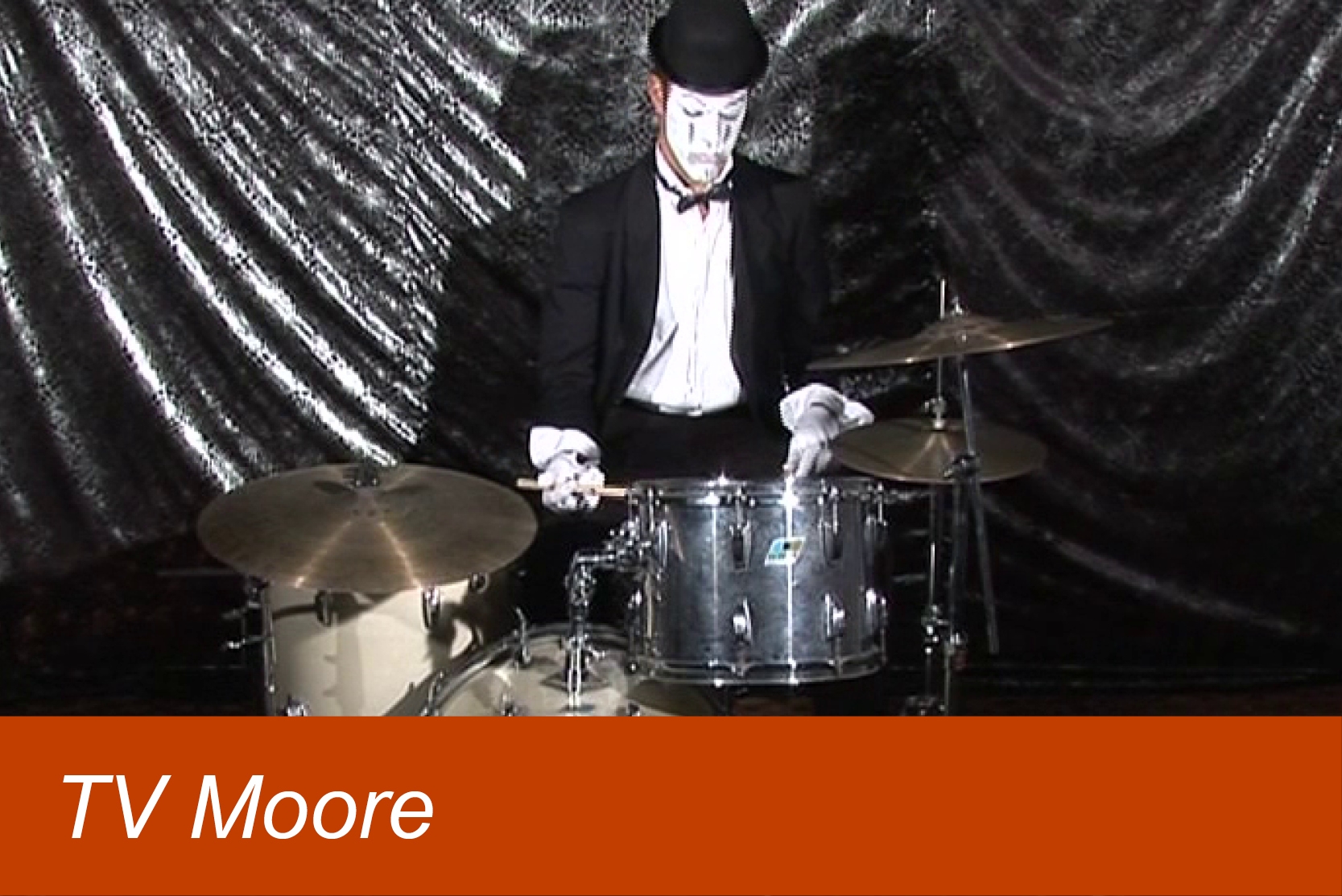
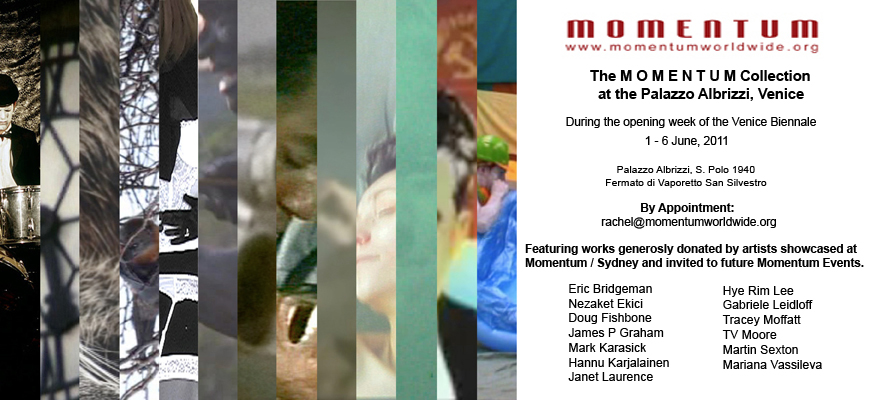
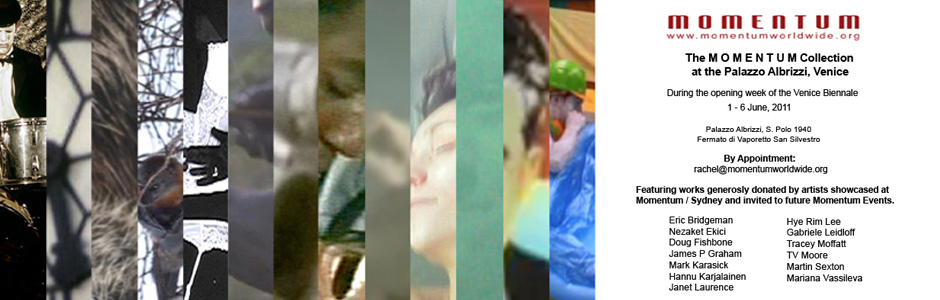
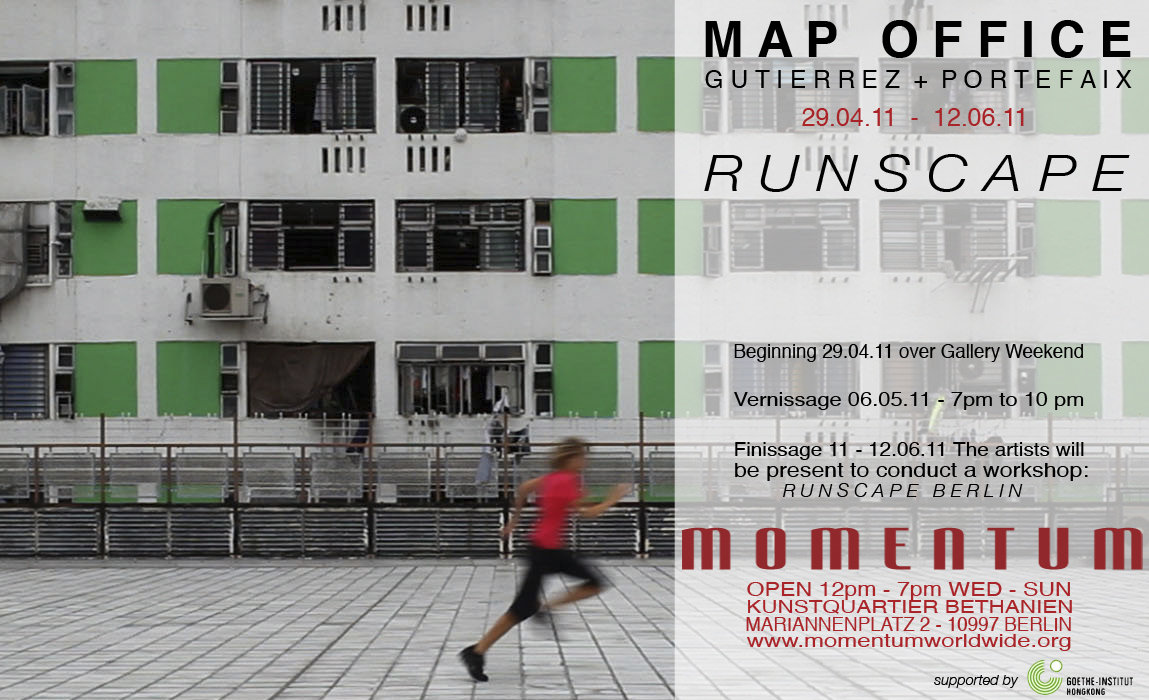
Eric Bridgeman, Osvaldo Budet, Nezaket Ekici, Doug Fishbone, James P Graham, Zuzanna Janin, Mark Karasick, Hannu Karjalainen, Janet Laurence, Hye Rim Lee, Gabriele Leidloff, Map Office, David Medalla, Tracey Moffatt, TV Moore, Fiona Pardington, Martin Sexton, Sumugan Sivanesan, Mariana Vassileva, and Traveling Souls (Emi Hariyama, Maximilian Magnus, Daniel Dodd Ellis, Marcus Doering, Max Mertz)
The MOMENTUM | Collection is a growing collection of international video art comprising the best and brightest artists we have shown and collaborated with worldwide. The Collection represents a cross-section of digital artworks at the top of the field. Ranging from some of the most established to emerging video artists, including work from Australia, New Zealand, Hong Kong, the Philippines, Puerto Rico, Finland, the US, the UK, Bulgaria, Turkey, Poland, and Germany. The works in the Collection have been generously donated by the artists to support MOMENTUM, as we are a non-profit organization. In turn, MOMENTUM is committed to supporting our collaborating artists by exhibiting and promoting the Collection internationally and making it available on our website and through our partner institutions as a resource to inform and inspire the public and art professionals alike.
Details of each work and more information about the artists can be found by following the link to THE MOMENTUM COLLECTION.
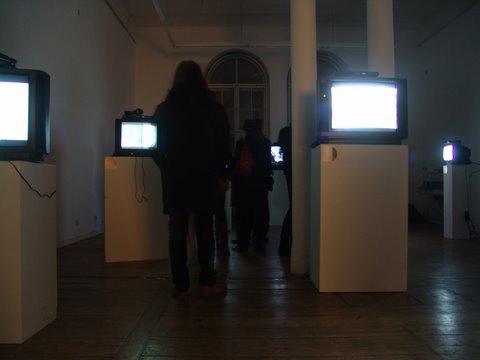
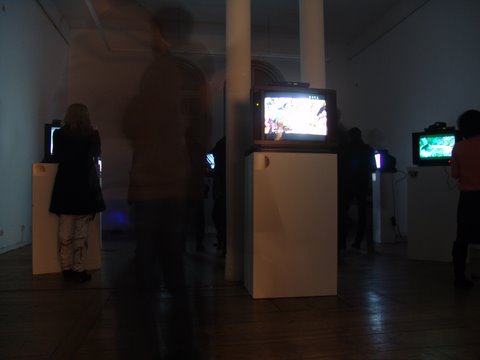
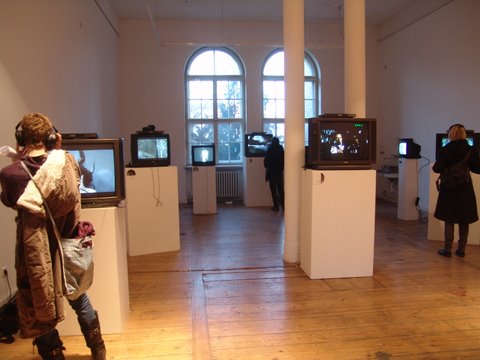
This short exhibition of all 52 outstanding video works in the MOMENTUM Collection is timed to coincide with the opening of CTM 12 – the Festival for Adventurous Music and Arts taking place concurrently in the Kunstquartier Bethanien, and to celebrate the addition of Traveling Souls to the MOMENTUM Collection by screening the new Director’s Cut by Max Mertz.
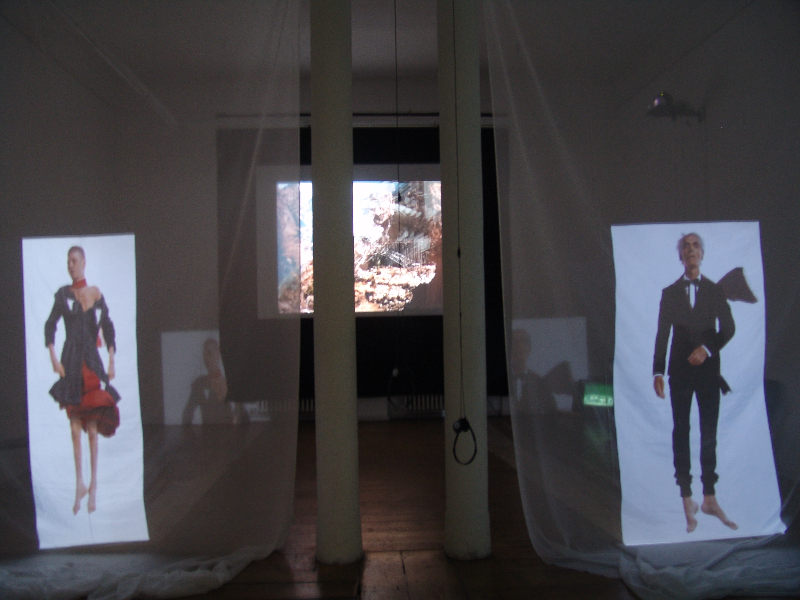
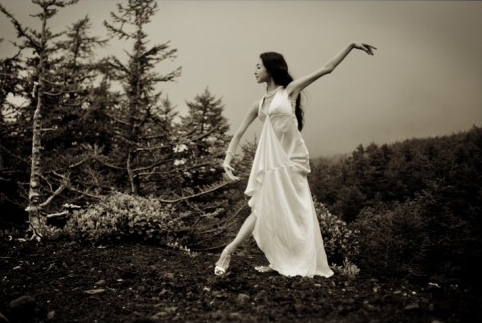
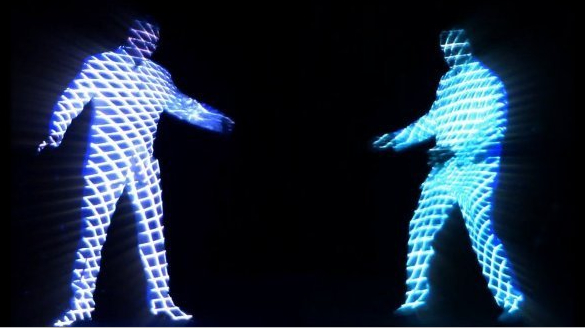
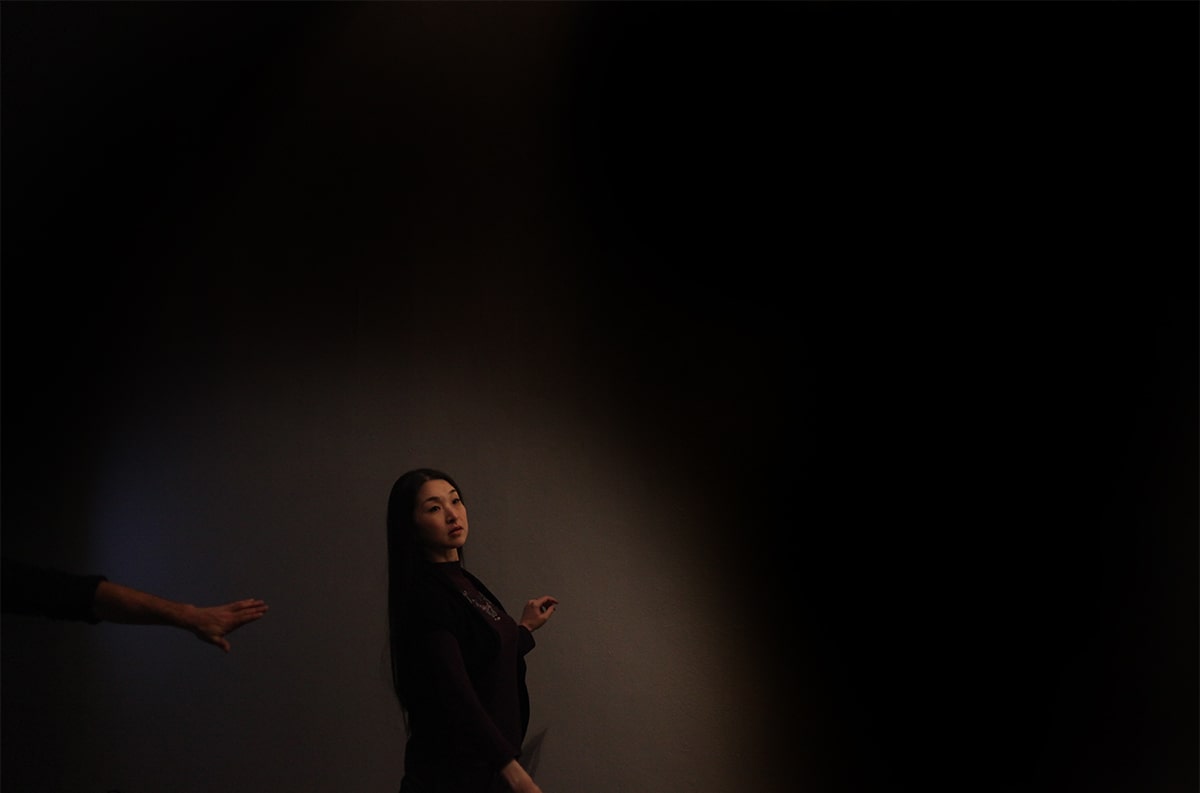
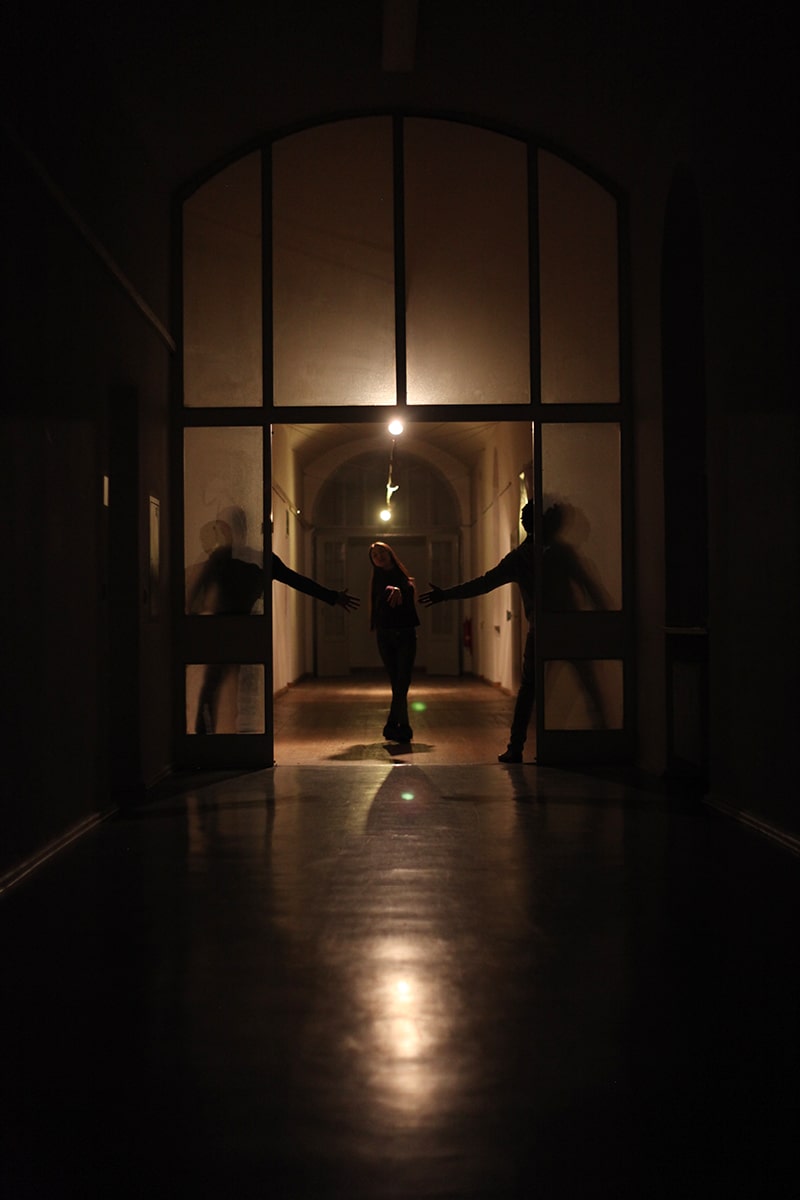
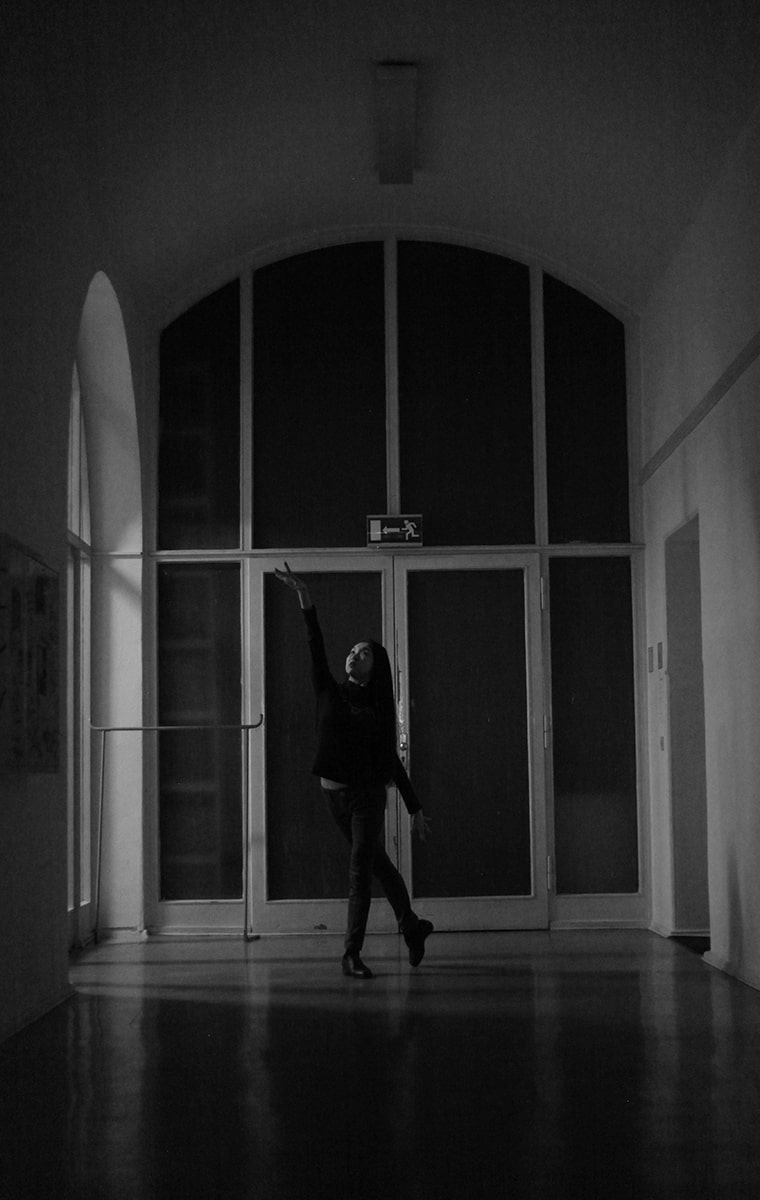
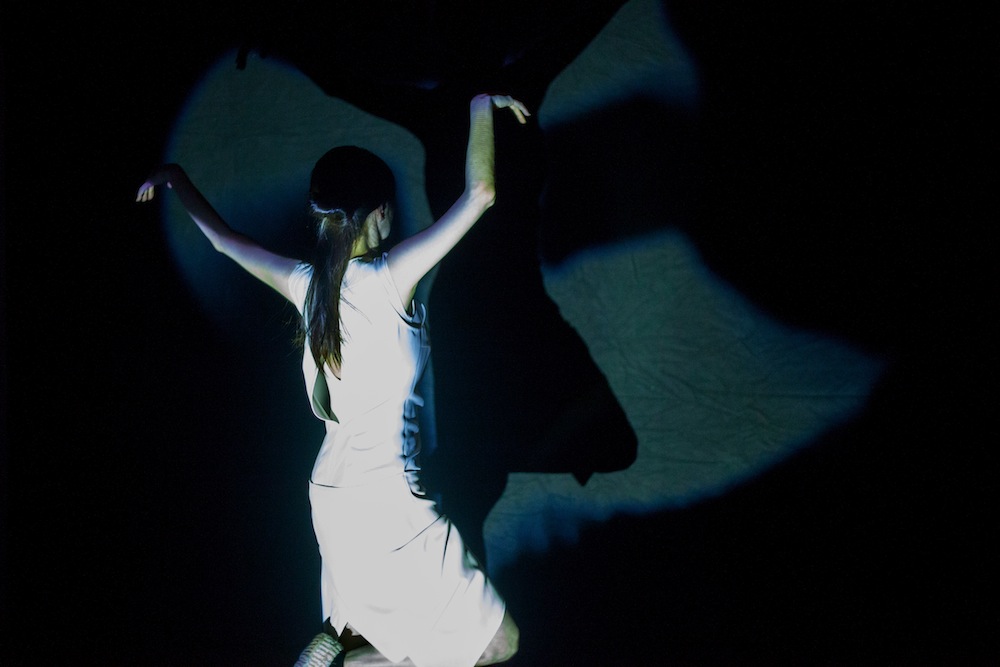
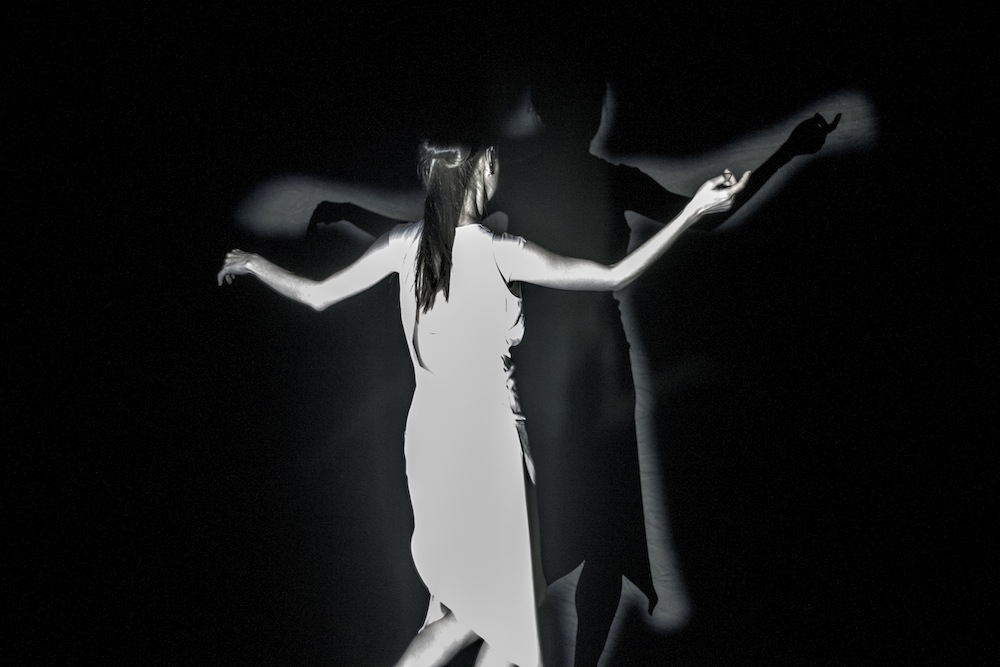
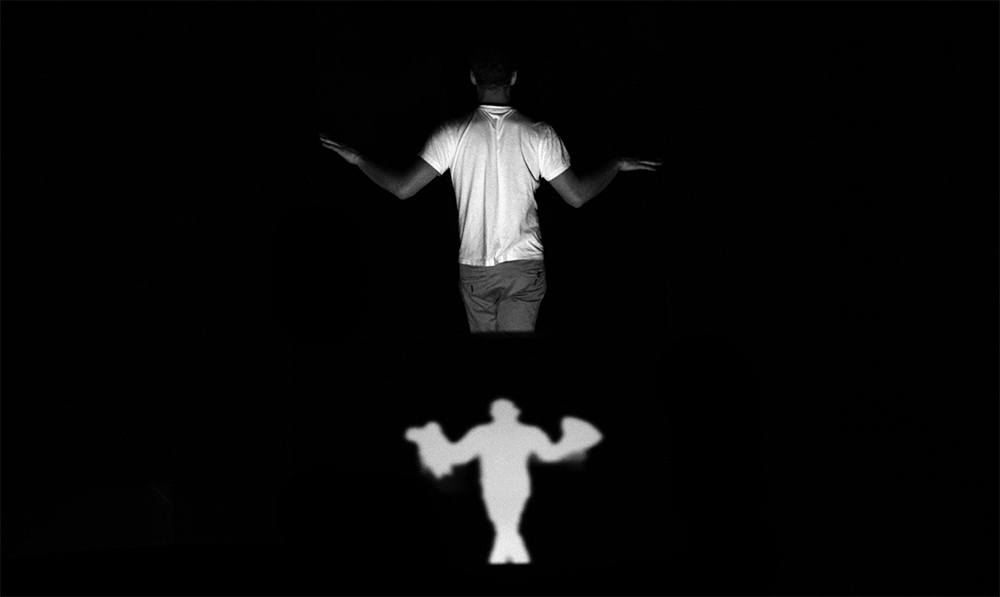
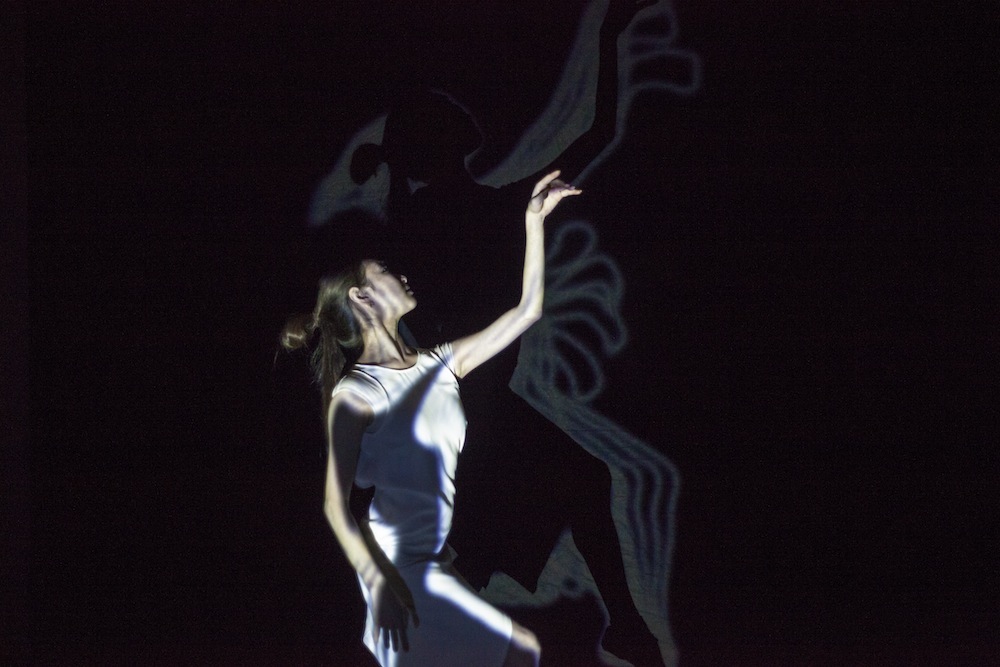
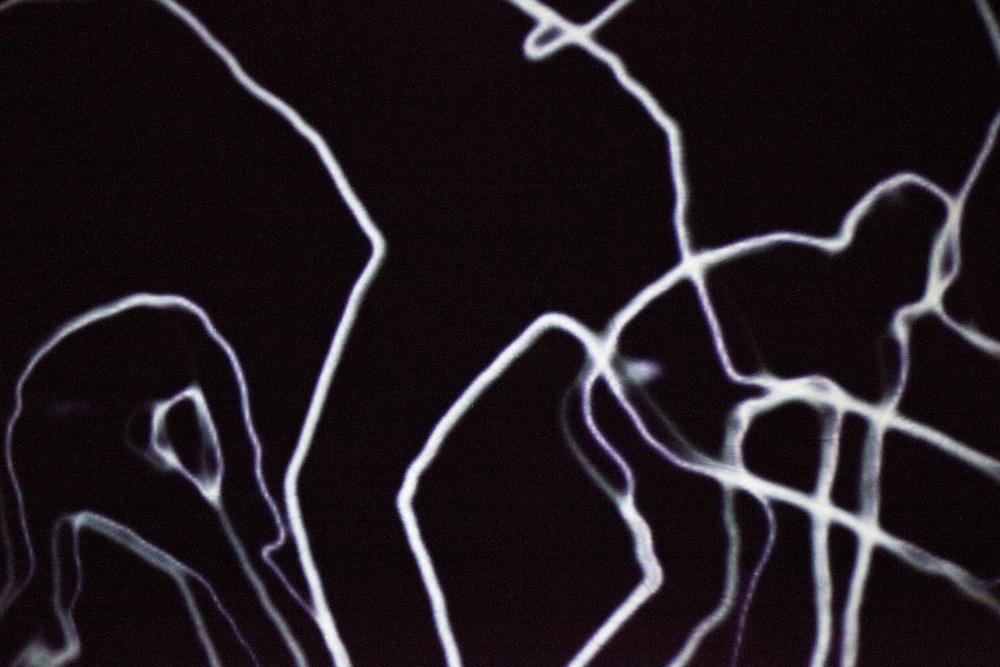
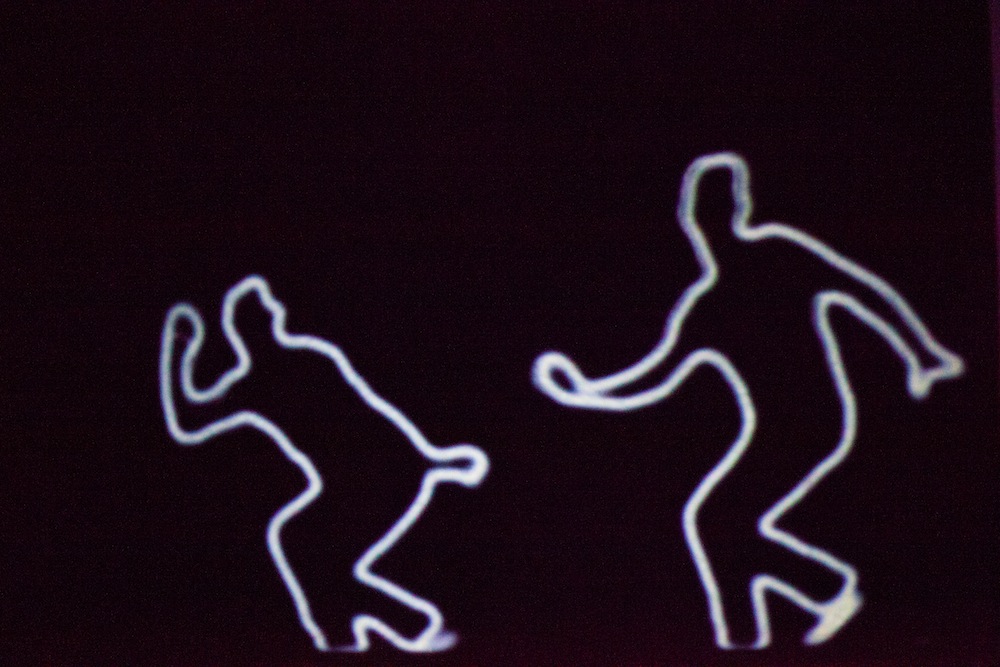
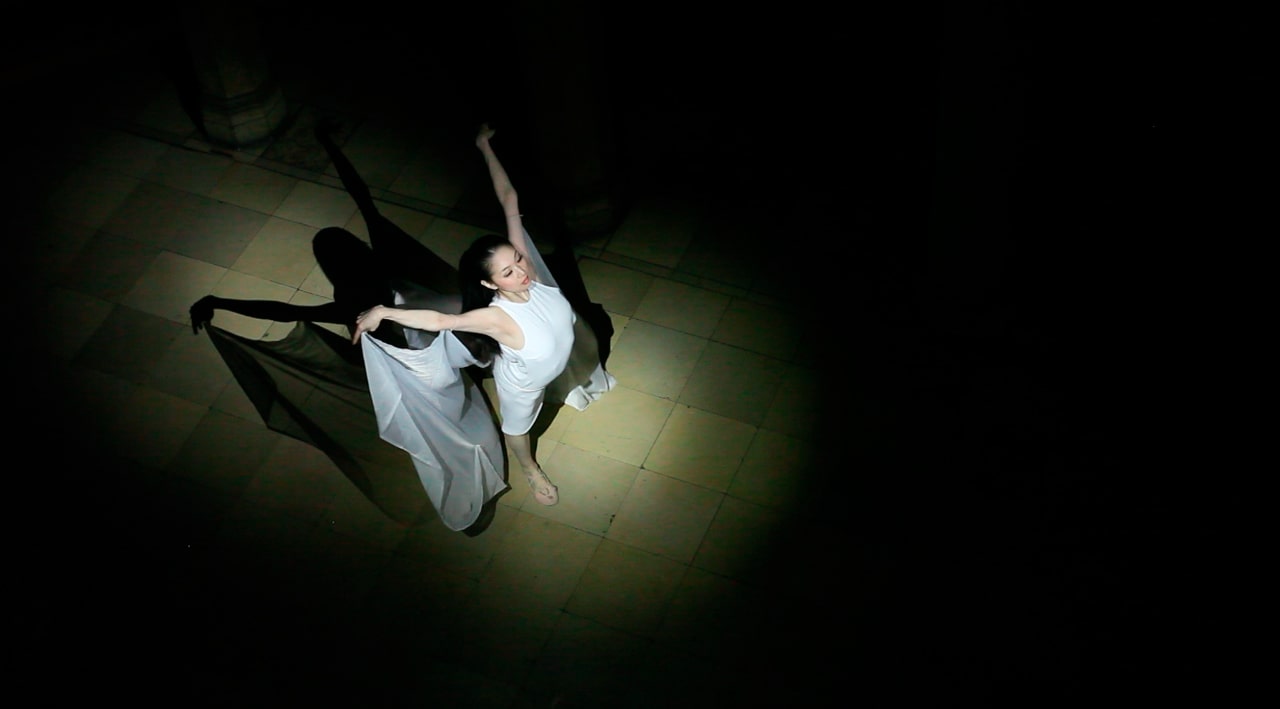
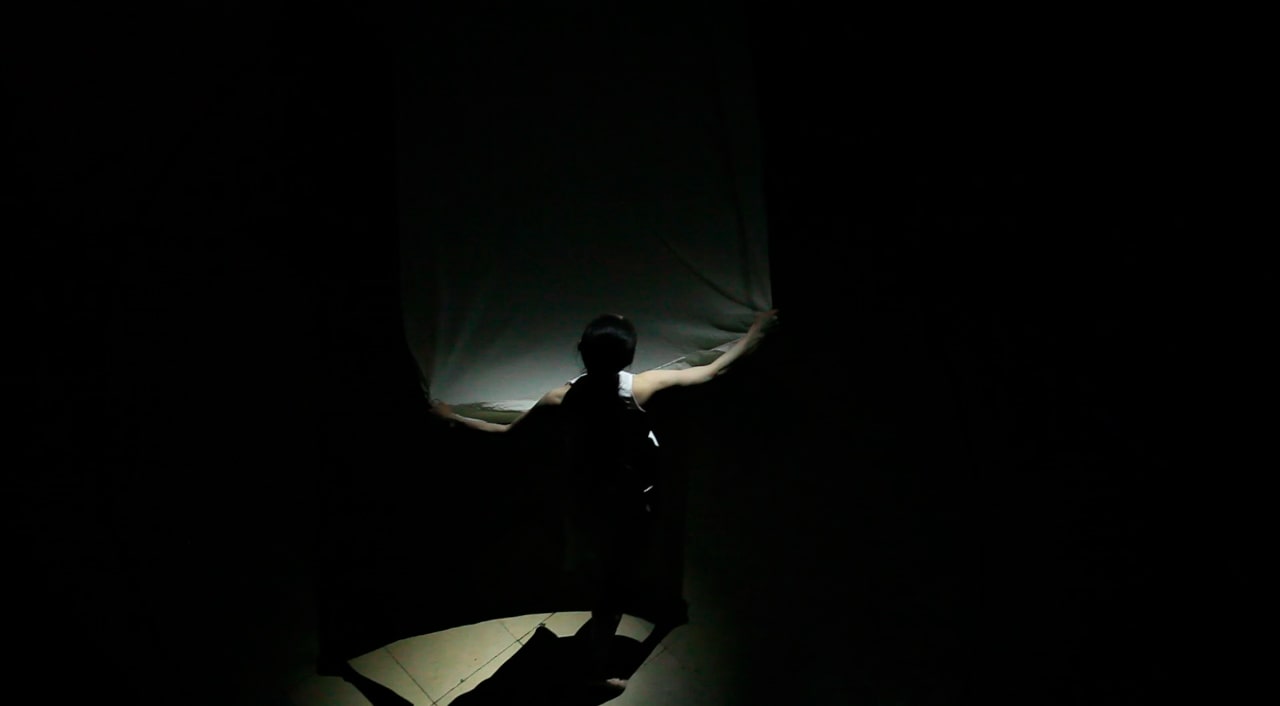
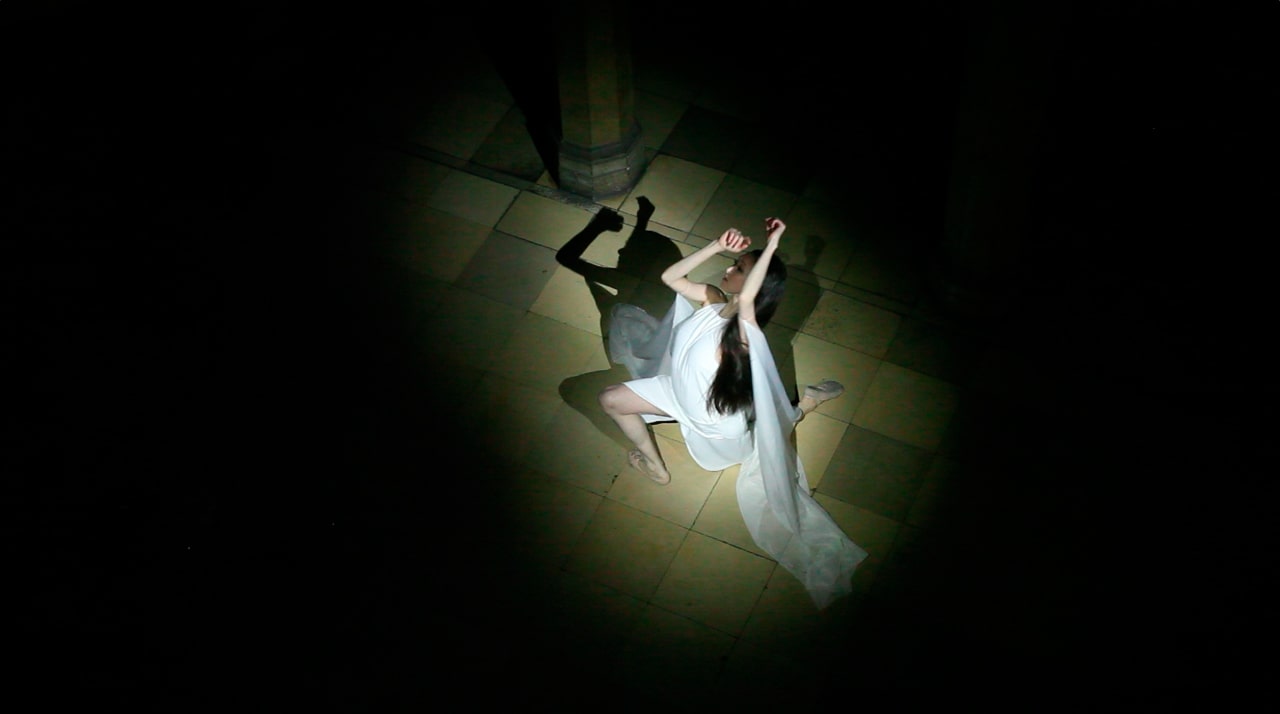
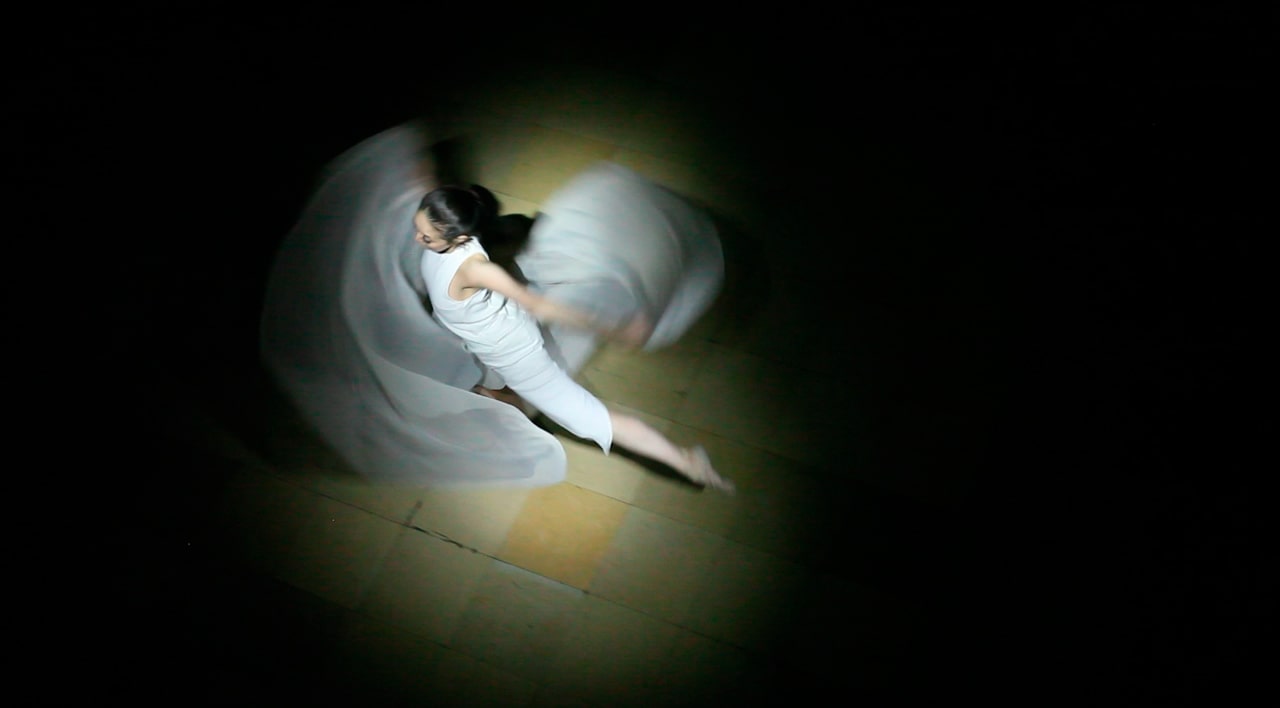
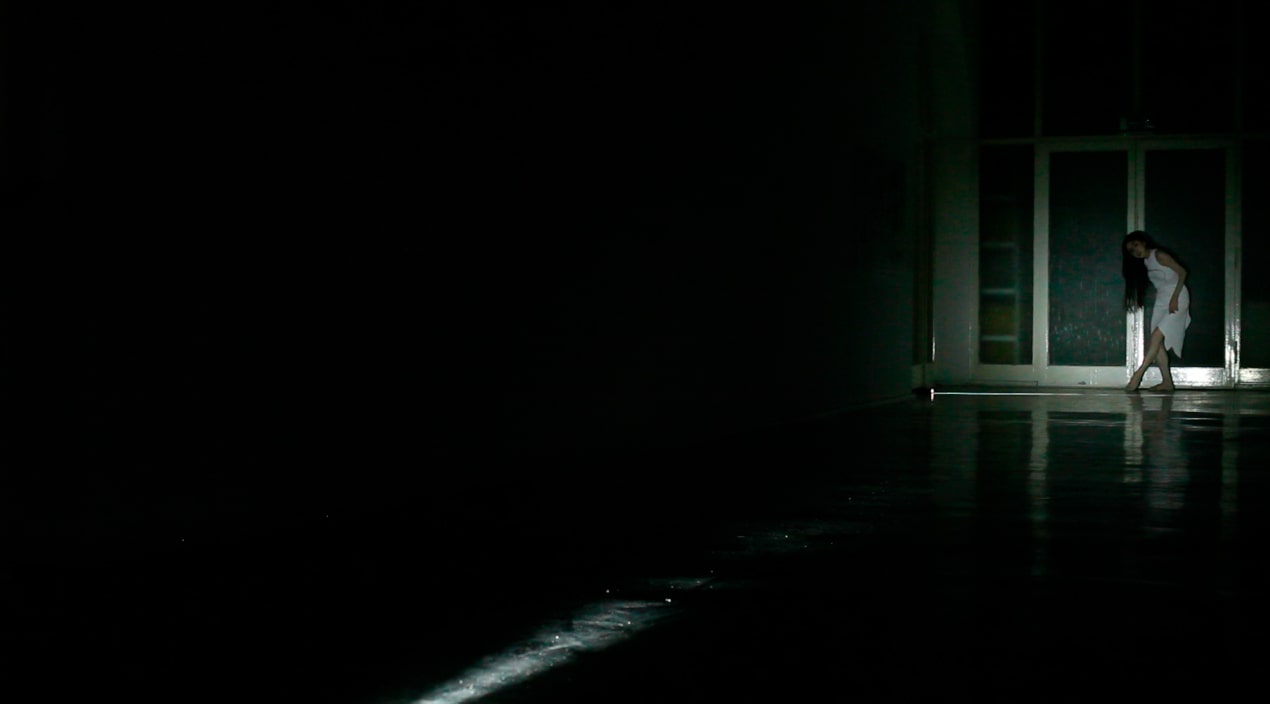
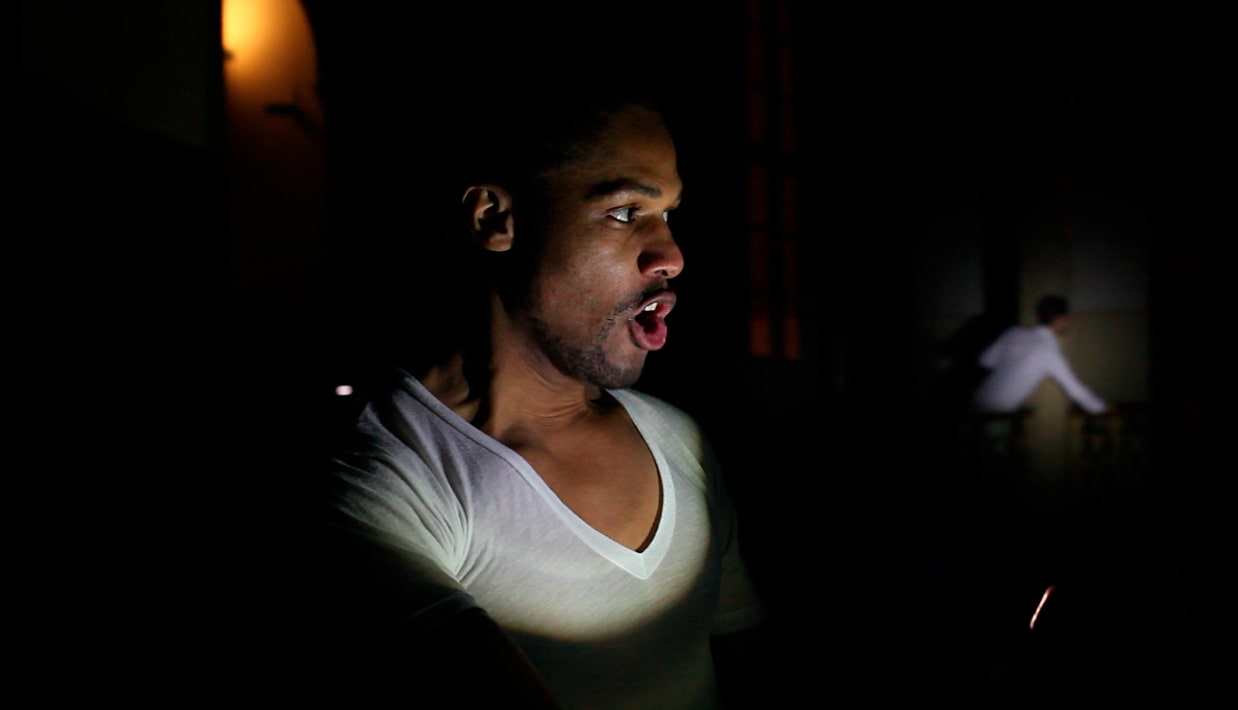
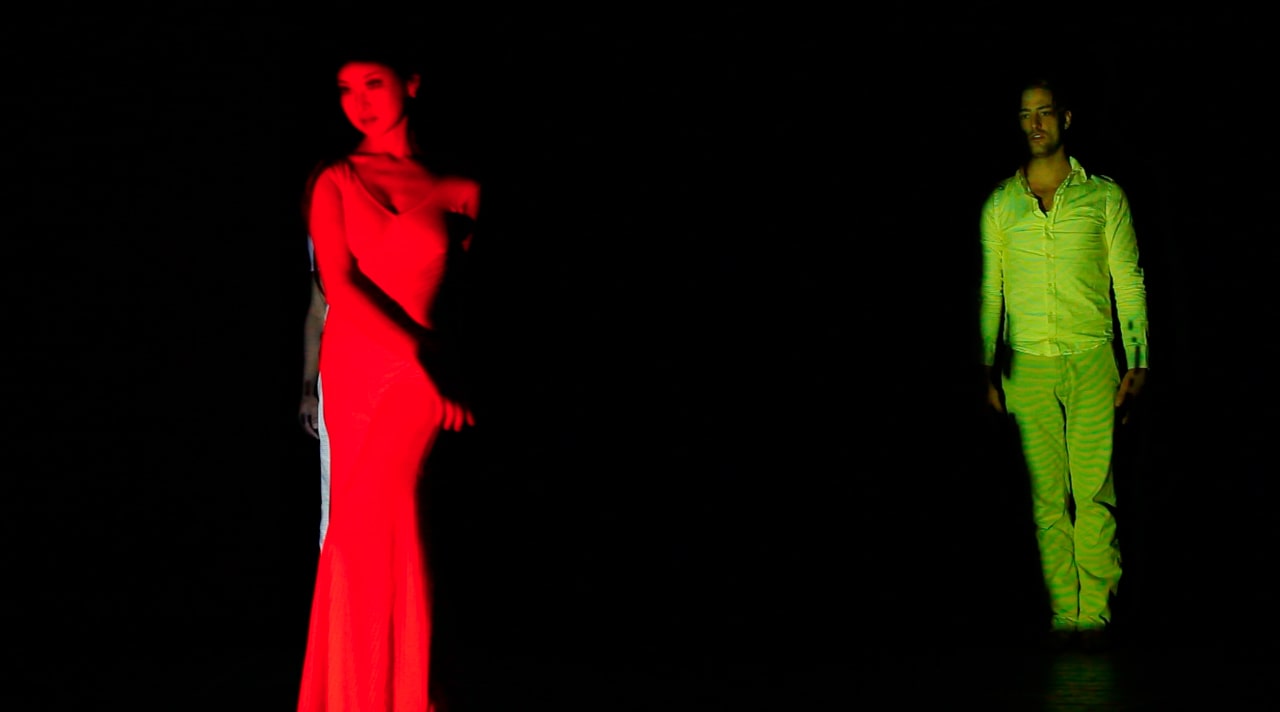
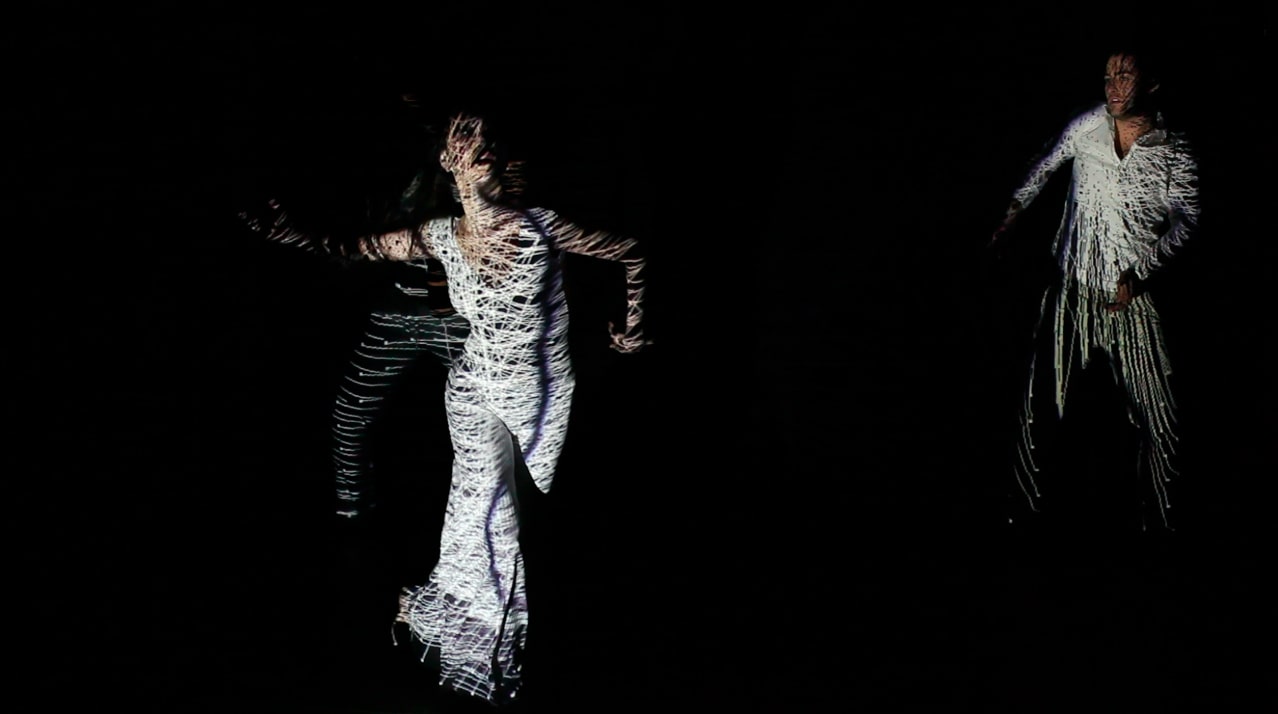
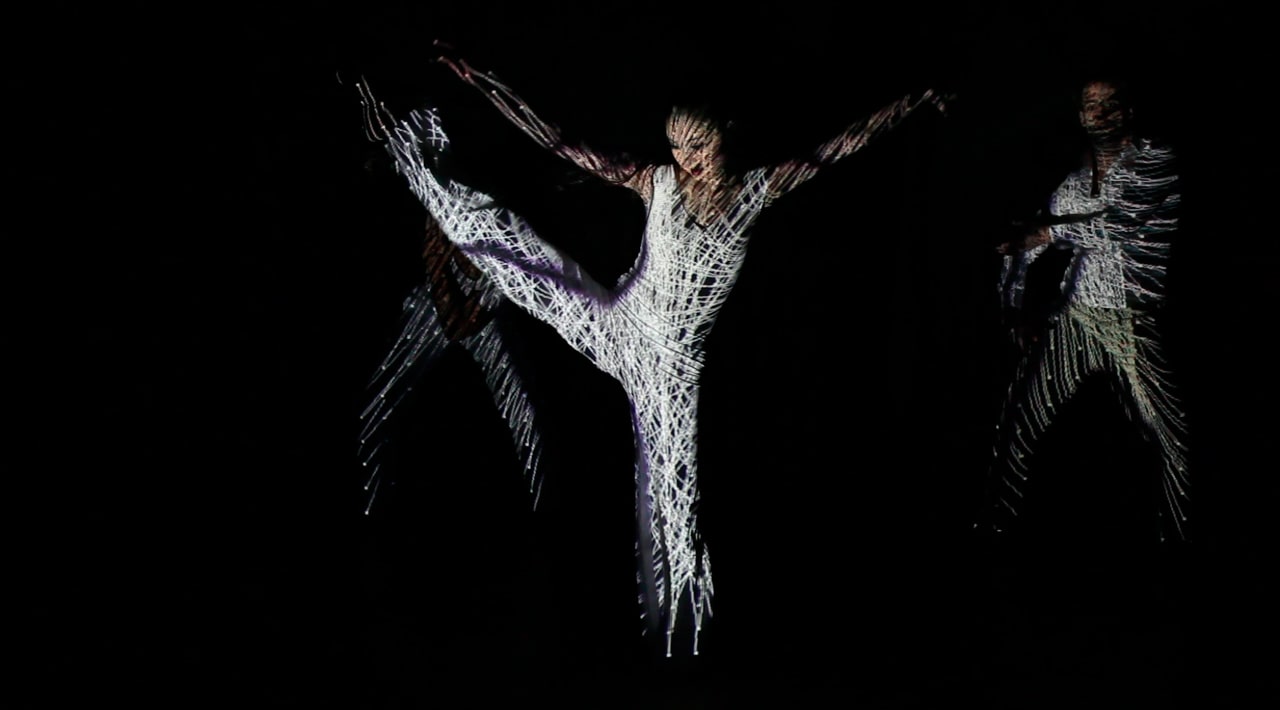
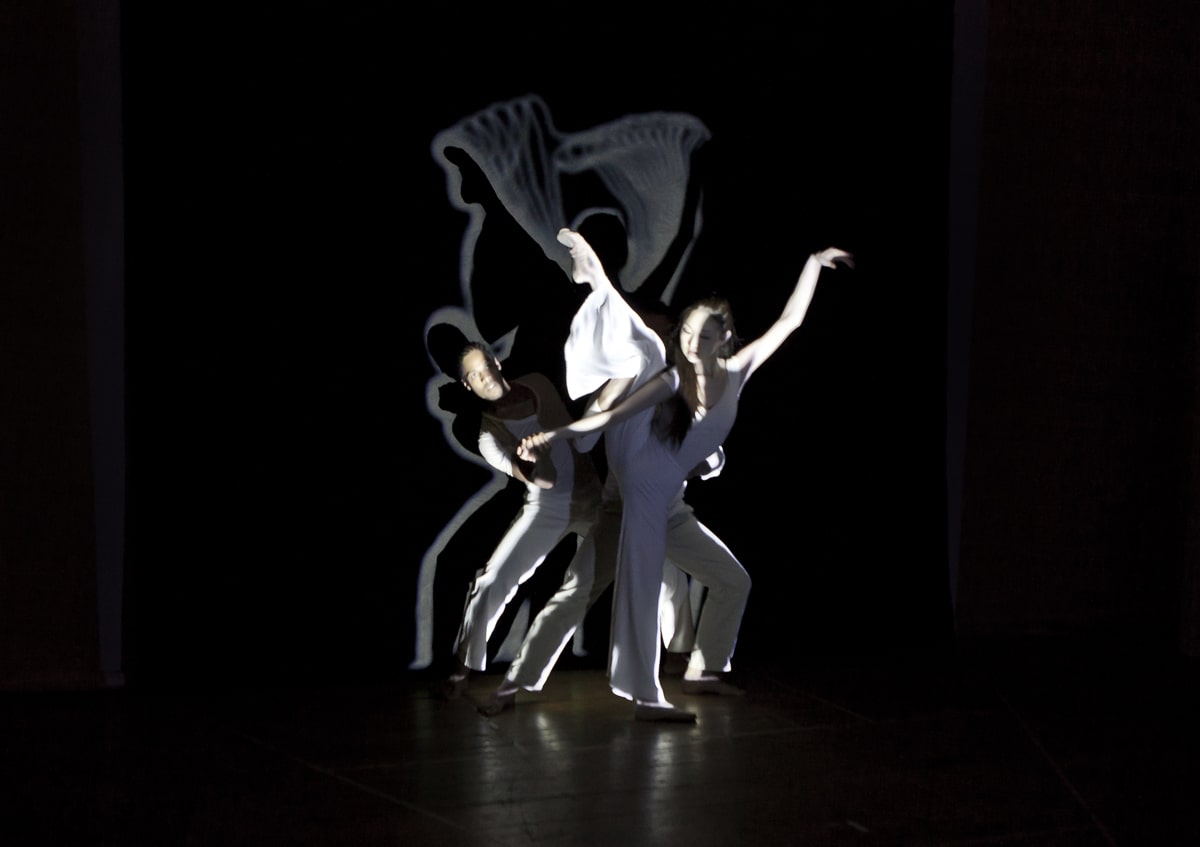
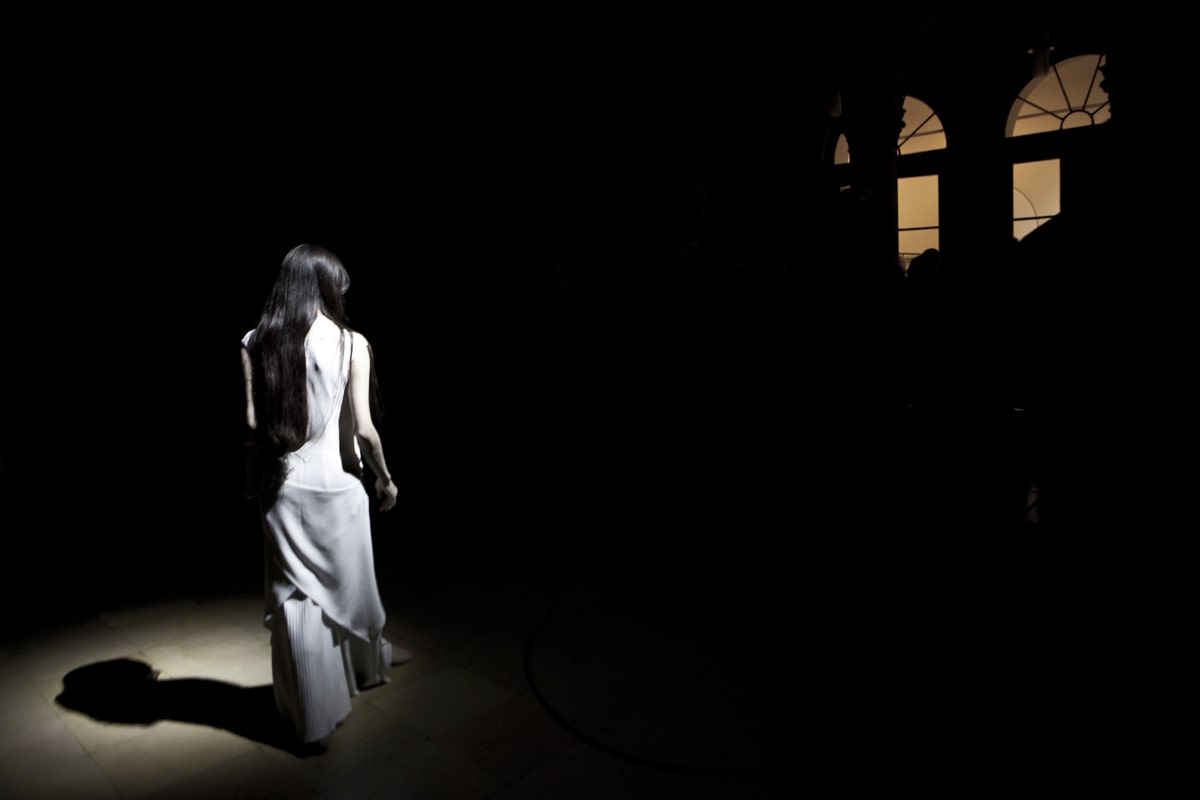
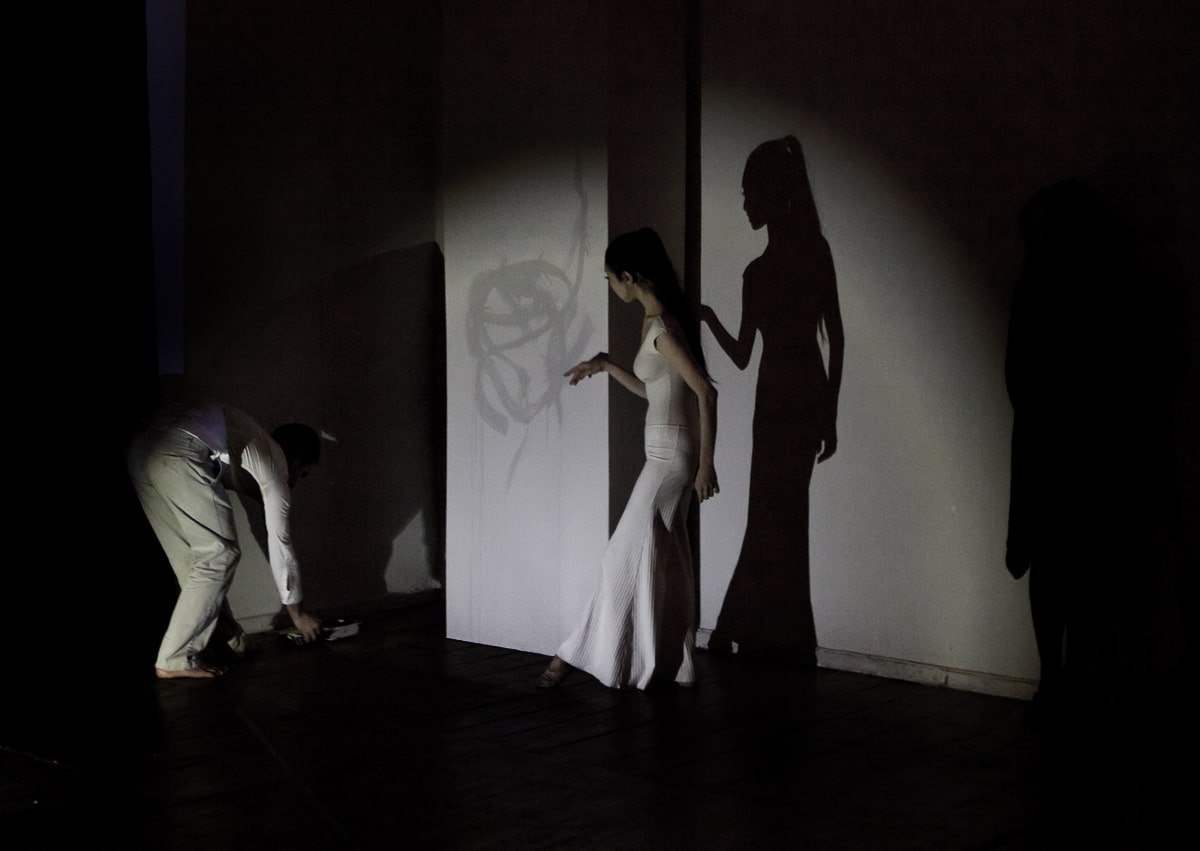
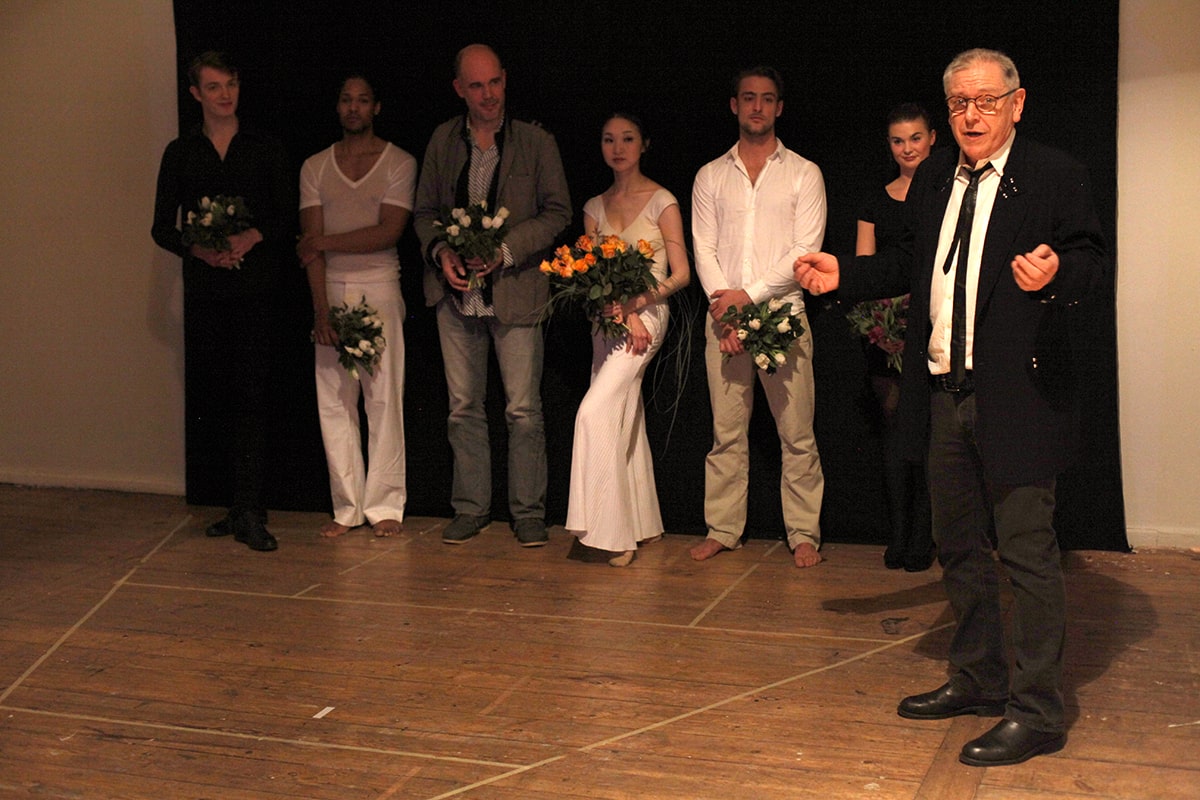
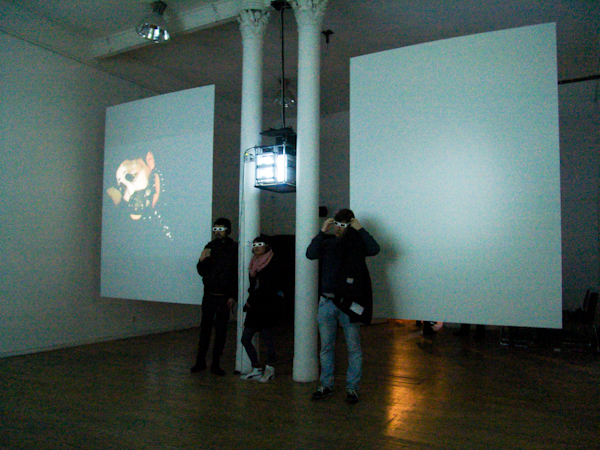
What happens when you bring together a Japanese ballerina dancing with the Berlin Staatsballet, a German painter, an American opera singer, and Berlin’s most innovative interactive media artist? Magic. MOMENTUM commissions a new work made specially for our gallery in the historic Kunstquartier Bethanien, a former hospital built in 1847 by Kaiser Friedrich Wilhelm IV which functioned as a hospital until 1970. Subsequently inhabited and fought over by squatters and arts organizations, this space has had a poignant and colorful history.
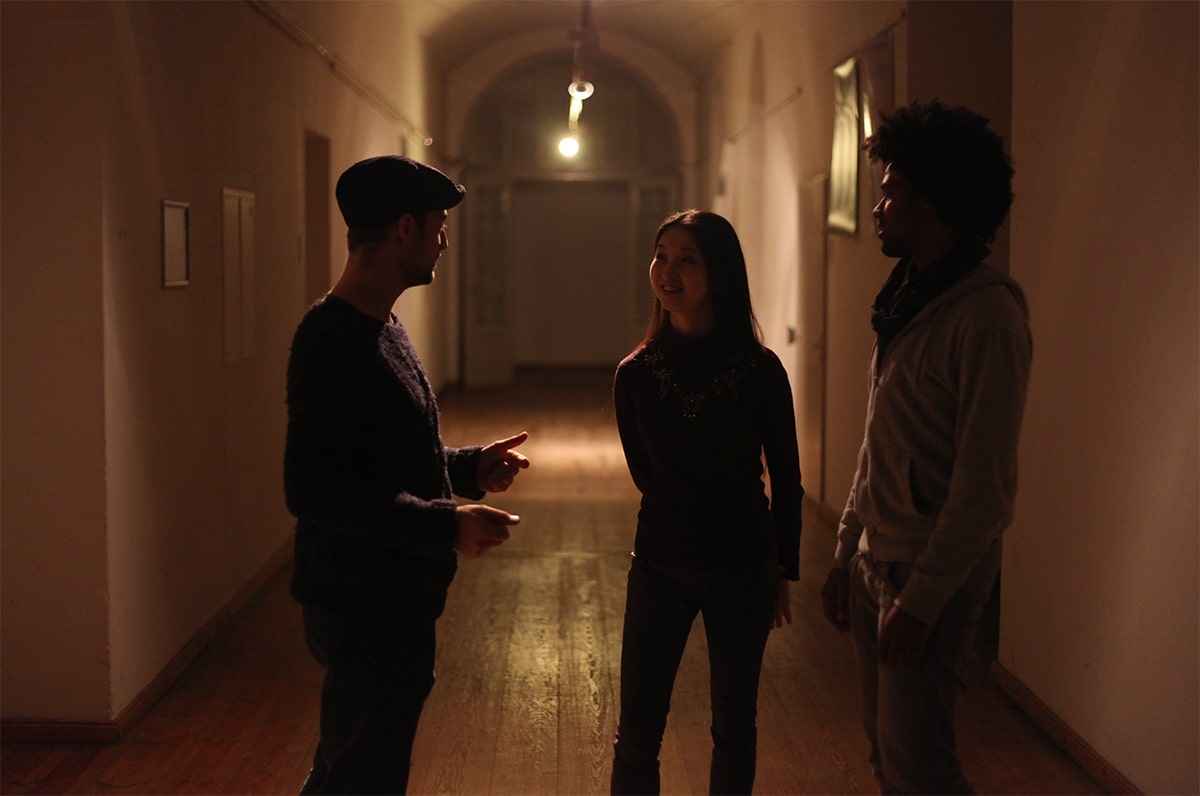
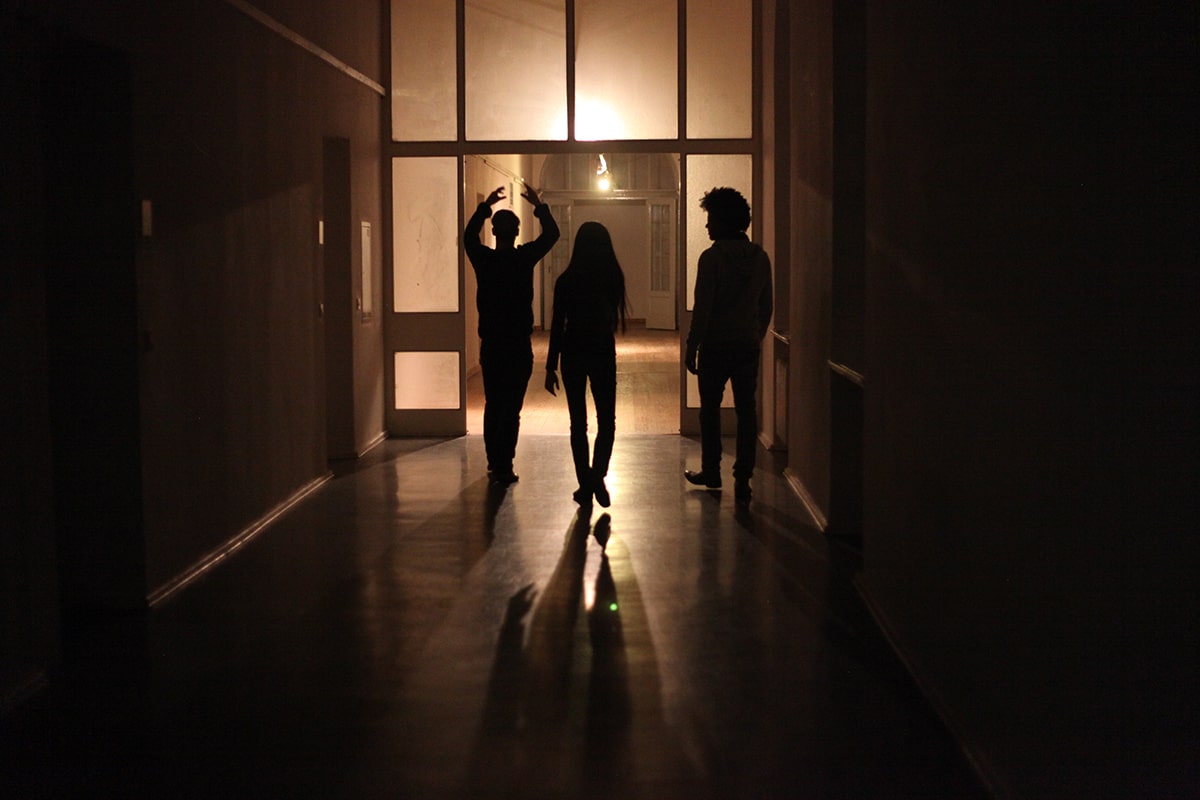
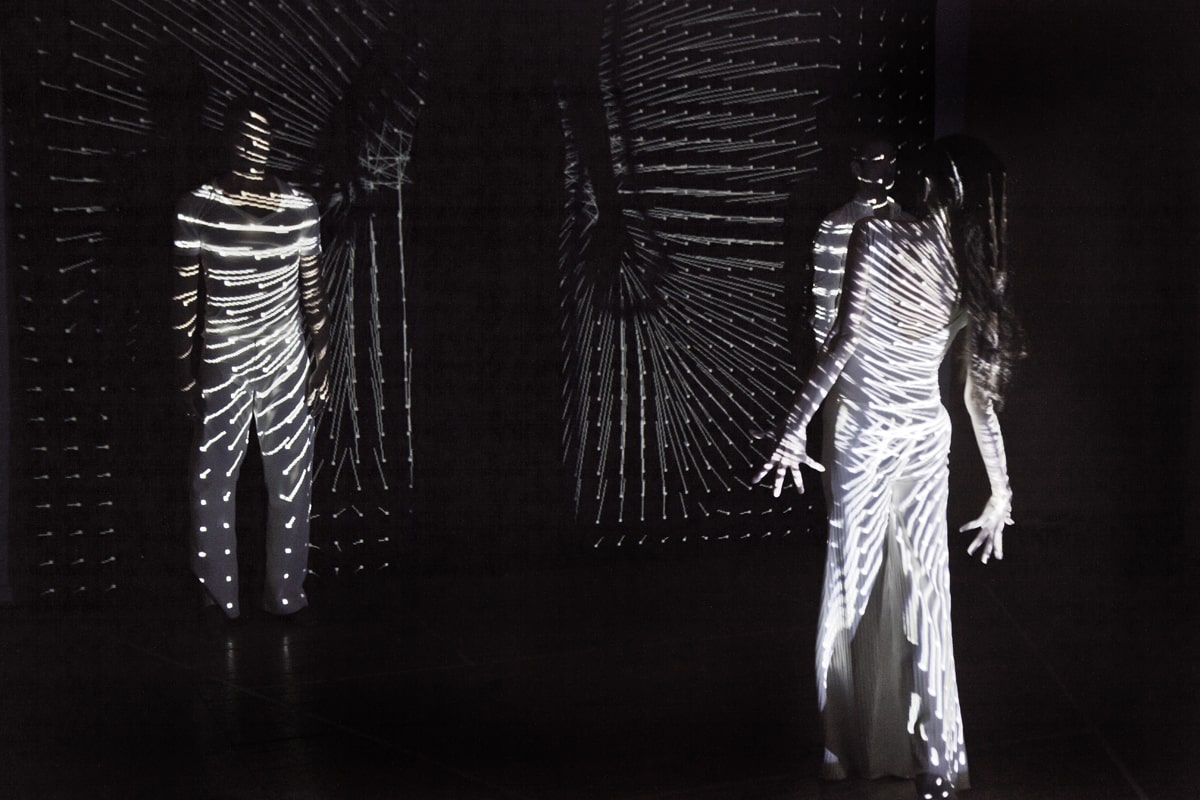
Enter four diverse artists who have never worked together before. Now based in Berlin, but originally from very different parts of the world, they come together to reflect on the movements which have brought each of them to converge on this particular space at this moment. Using dance, visual art, voice, and interactive light design, they respond to the unique spaces of Bethanien and the latent aura of its history. In asking these artists to work together, we have given them free reign to develop their own expressions towards this location and their own answers to the question MOMENTUM continuously poses: What is time-based art?
Crossing interdisciplinary boundaries, drawn together through creative synergies, this foursome of talent embodies MOMENTUM’S mission to enable great art to happen across cultural and institutional borders. What happens when you bring together a ballet dancer, a painter, an opera singer, and a media artist? We expect to be amazed by the answer.
__________________________
Emi Hariyama has graduated from the Bolshoi Ballet School in Moscow with top scores, and won numerous international competitions and awards. She has performed at the ballet theatres in Moscow, Essen, San Jose, Boston, and Leningrad, amongst others, and is currently with the Staatsballett Berlin. The Japanese-born ballerina, together with her family, furthermore organises the biannual “Dream Concert“ held in cities throughout Japan. Emi Hariyama is the director of EIA, specializing in Performance and Event Production, Arts management, and Arts Business Consulting. She works with artists, filmmakers, and musicians, maintaining an exciting interdisciplinary practice alongside her expertise in traditional ballet.
The spectrum of Daniel Dodd-Ellis as a stage performer ranges from opera, classic drama, experimental theater, and interdisciplinary performance. His studies of Theater and Vocal Performance at Sarofim School of Fine Arts in Texas/USA and at the New York City Opera have decisively shaped his understanding of improvised movement, vocal play and spatial awareness. Under the direction of Robert Wilson he performed the title role in the touring blues/gospel opera “The Temptation of St. Anthony“. Furthermore, Daniel is a lyricist and playwrite, composes poetry and successfully performs with his soul/funk band “Daniel Dodd-Ellis & Band“. In Germany, he has collaborated with Marius Müller-Westernhagen, Daniel Hall and Patrick Nuo, amongst others, and co-created two performances in galleries in Hamburg and Berlin titled “Love and War“ and “The Mantis“.
Maximilian Magnus Schmidbauer is a trained set painter and has been for six consecutive years a stipendiary participant and teacher in Robert Wilson´s Watermill Center NY. He has worked as assistant to Lisa de Kooning and has had, as the first artist after Willem de Kooning´s death, the possibility to work and exhibit in his studio in the Hamptons. He has acted as a Visual Designer for Rufus Wainwright, Norah Jones and Jessye Norman, and since 2007 he manages the Academy of Scenic Painting and Arts in Unteregg/Bavaria together with his father Werner Schmidbauer. Maximilian lives in New York, Munich and Berlin. His works as an artist have been shown in numerous exhibitions in Germany, the United States, Russia and Spain, and are currently developing towards the three-dimensional and motion, towards dance performance, theater and music.
Marcus Doering holds a PhD in Physics and has made a name for himself with pmd-art for innovative light design. Together with André Bernhardt and the designers of büro+staubach, he realizes interactive worlds of experience for the brand communication of industrial enterprises as well as space and body projections for opera and theater, TV shows, fairs, corporate functions and huge public events. The three-dimensional illuminations and real-time projections on actors and objects that are moving through space correspond exactly to their contours, calculated by a specially developed 3D computer model. In Berlin, Marcus participated with interactive LED zones during the “Festival of Lights“ 2011, and currently his light art can be seen in the “Magical Mystery Show“ at the Wintergarten Variété.
REHEARSAL SHOTS ROUND 1
REHEARSAL SHOTS ROUND 2
REHEARSAL SHOTS ROUND 2
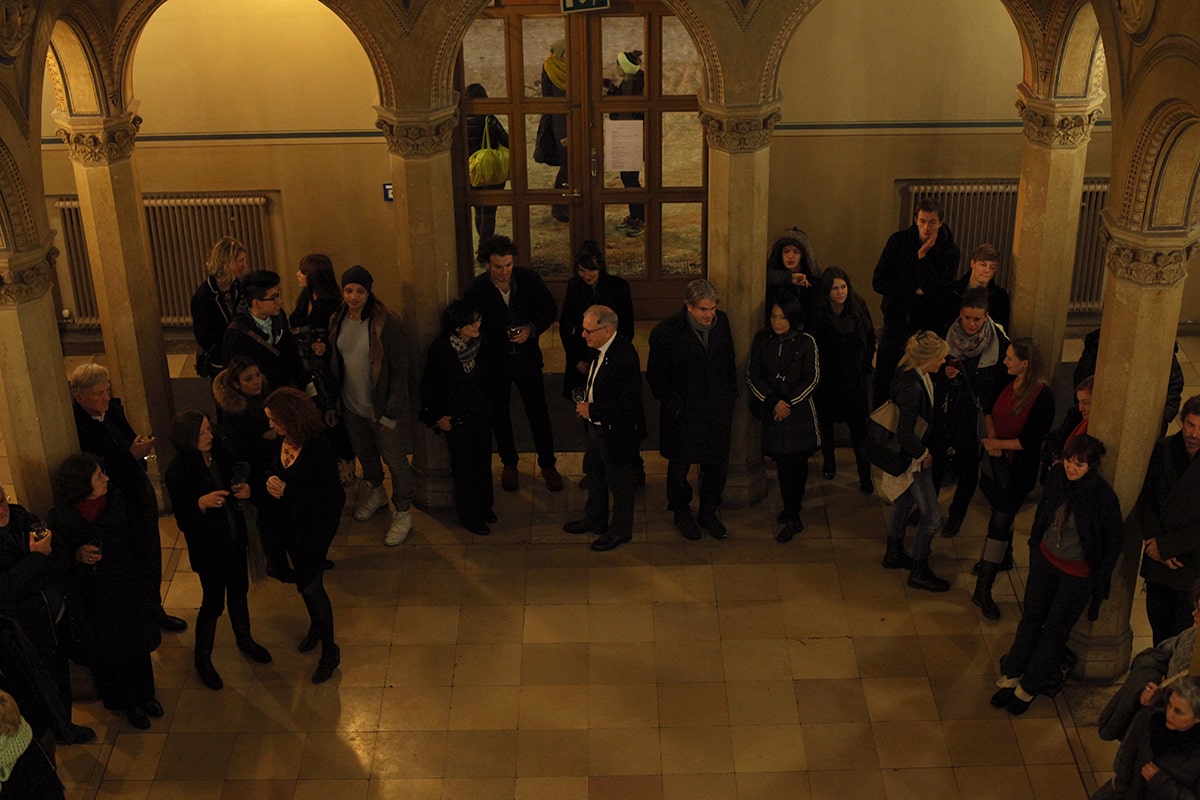
PERFORMANCE NIGHT
__________________________
WITH SPECIAL THANKS to Eidotech, pmd-art, and the many talented people who helped to film and coordinate the performance.
Additional Performers: Sabrina Reischl and Johannes Brussau
Additional Music: Chopin and Mother Perera
Emi Hariyama’s Costume by Nhu Doung and Emi Hariyama
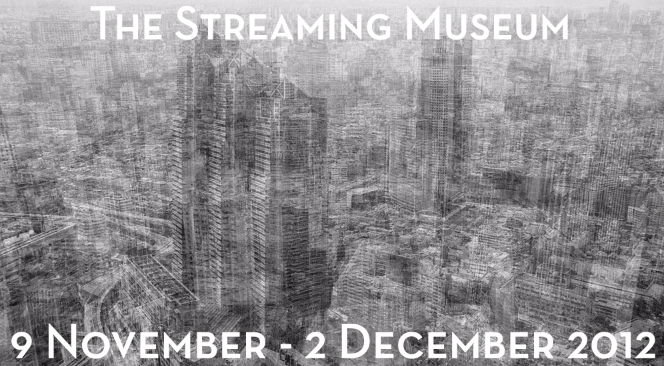
MOMENTUM is proud to host 5 video programs curated by
New York City’s STREAMING MUSEUM
Featuring 29 digital and video artworks by 22 artists from around the world.
9 November – 2 December 2012
The Streaming Museum has presented over 30 video exhibitions since its launch on January 29, 2008 that have been viewed by millions of people on public screens in over 55 cities and Antarctica. Produced and broadcast in New York City, Streaming Museum generates its dynamic, innovative content of international fine arts, culture and visionary innovations in collaboration with prominent and emerging visual and performing artists and curators. The museum also presents exhibitions and events at partnering cultural centers and international arts festivals. The selection presented at MOMENTUM | Berlin features video programs curated for the ZERO1 Biennale in California and other international art festivals. We are featuring 5 Streaming Museum programs including 23 artists from around the globe.
REVELATION
JEREMY BLAKE – Chemical Sundown (2001); Station to Station: Indiglo Heights (#5), (2001); Winchester Redux (2004)
JENNY MARKETOU – Levels of Disturbance (2009 – 2011)
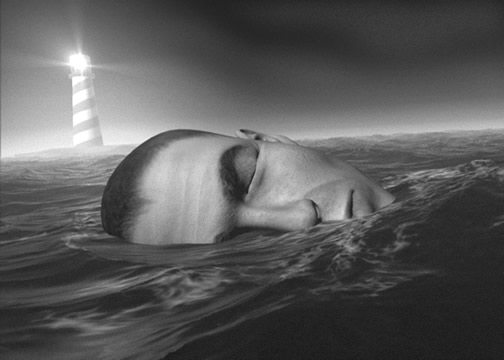
YORGO ALEXOPOULOS – No Feeling is Final (2010)
MARTY ST. JAMES – Oneiric (2001); The Invisible Man (2007)
CYBORG ALARM, curated by Tanya Toft
KAROLINA SOBECKA – Capacity to Act in a World (2011)
MICHAEL GREATHOUSE – In Dreams (2009)
SOPHIE KAHN – 04302011 (2011)
JAMES CASE-LEAL – Republic of Heaven (2010)
JASON BERNAGOZZI – The Presence of Something in its Absence (2008)
CARABALLO-FARMAN – Venerations (Applause) (2009)
KAIROS
EMANUEL DIMAS DE MELO PIMENTA – Kairos (2011)
WE WRITE TO YOU FROM THE DISTANT FUTURE
MICHAEL NAJJAR – Bionic Angel (2006)
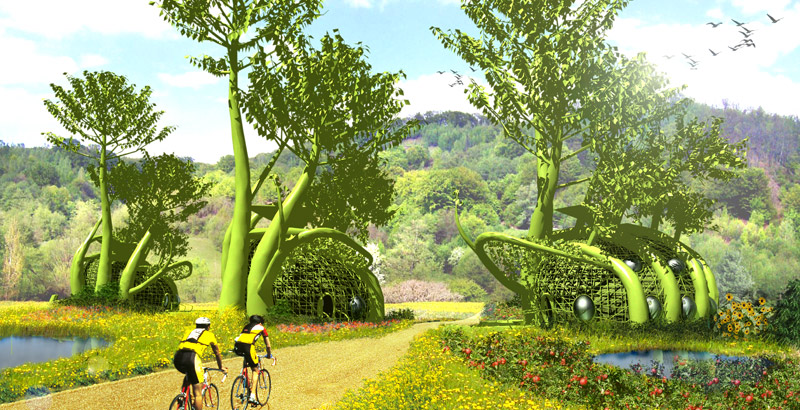
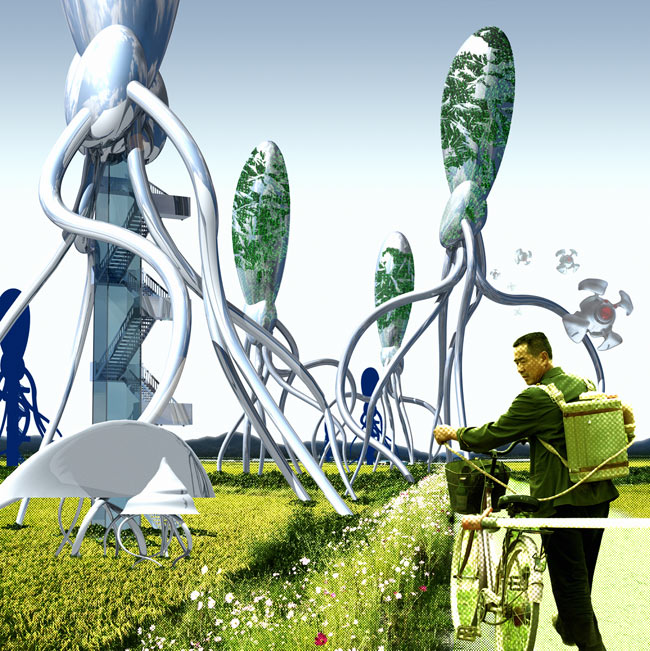
MITCHELL JOACHIM/TERREFORM ONE – Jetpack Packing (2010); Blimp Bumper Bus (2008); Fab Tree Hab Village (2009); Rapid Re(F)Use (2008); Green Brain: A Smart Park For A New City (2006)
EDUARDO KAC – Lagoglyphs (2009)
ETOY – Mission Eternity (2005 – 2016)
ANDREA ACKERMAN – Rose Breathing (2003)
JOHN SIMON, JR. – HD Traffic (2009)
ARTISTIC LICENSE IN SILICON VALLEY (Concurrently being shown at the ZERO1 Biennale)
MICHAEL NAJJAR – The Invisible City (2004)
SOPHIE KAHN – 04302011 (2011)
MAURICE BENAYOUN – Emotion Forecast (2010)
SCOTT DRAVES – Gen 244 (2011)
MULTI-TOUCH BARCELONA – HI, A Real Human Interface (2009)
URSULA ENDLICHER – Facebook Re-enactments (2009)
MARK AMERIKA – #New Aesthetic Video (2012)
More information about each program below:
ARTISTIC LICENSE IN SILICON VALLEY
Streaming Museum launched its fall exhibition Artistic License in Silicon Valley at the ZERO1 Biennial Urban Screen, San Jose, California, on September 14. The Biennial runs through December 8. The exhibition features seven internationally known artists: Michael Najjar, Sophie Kahn, Maurice Benayoun, Scott Draves, Multi-touch Barcelona, Ursula Endlicher, and Mark Amerika. The Urban Screen program has been commissioned by ZERO1 and the San Jose Public Art Program with support from the National Endowment for the Arts.
Artistic License in Silicon Valley is an exhibition for screens presenting unique perceptions of technology in global digital culture created by internationally known contemporary artists. Streaming Museum @ ZERO1 Biennial
#NewAestheticVideo (2012) by Mark Amerika
This mock trailer for a movie that was never made but lives on the Web as a distributed narrative, refers to an eponymous artist whose artistic presence and remixed persona is a mashup of mobile phone videos, animated gifs, Google Earth glitch imagery, and the corrupting presence of a literary voice summoned from the digital-beyond.
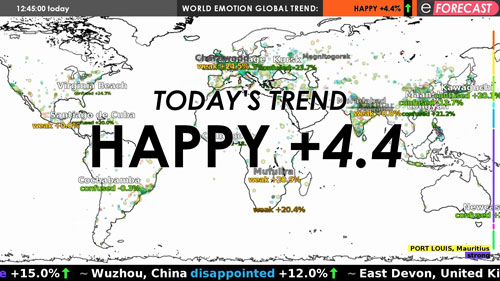
Emotion Forecast (2010) (Video Version) by Maurice Benayoun
This real-time data visualization artwork depicts the Internet as the nervous system of the world by measuring 48 emotions on websites related to current events in more than 3200 cities worldwide, revealing the results in a hyperactive map.
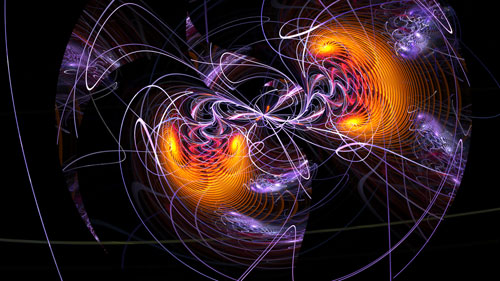
Gen 244 (2011) by Scott Draves
Artificial intelligence and human designers come together in this generative, participatory “cloud art” work made with mathematics and Darwinian evolution by Draves’ Electric Sheep open source code. The essence of life is created in digital form in the artwork’s cyborganic mind comprised of 450,000 computers and people who vote on their favorite designs which reproduce according to a genetic algorithm.
Facebook Re-enactments (2009) (Video Version) by Ursula Endlicher
The artist bridges the gap between the Internet, physical reality and performance, impersonating people who share the same name on Facebook.
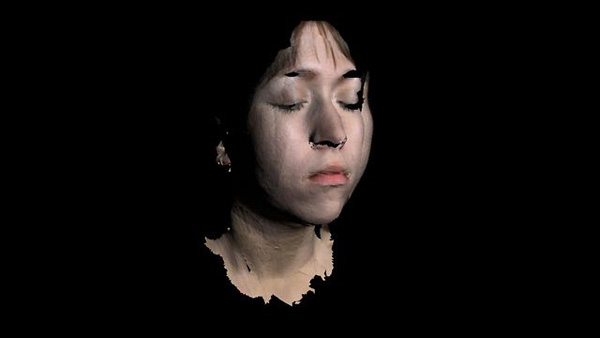
04302011 (2011) by Sophie Kahn
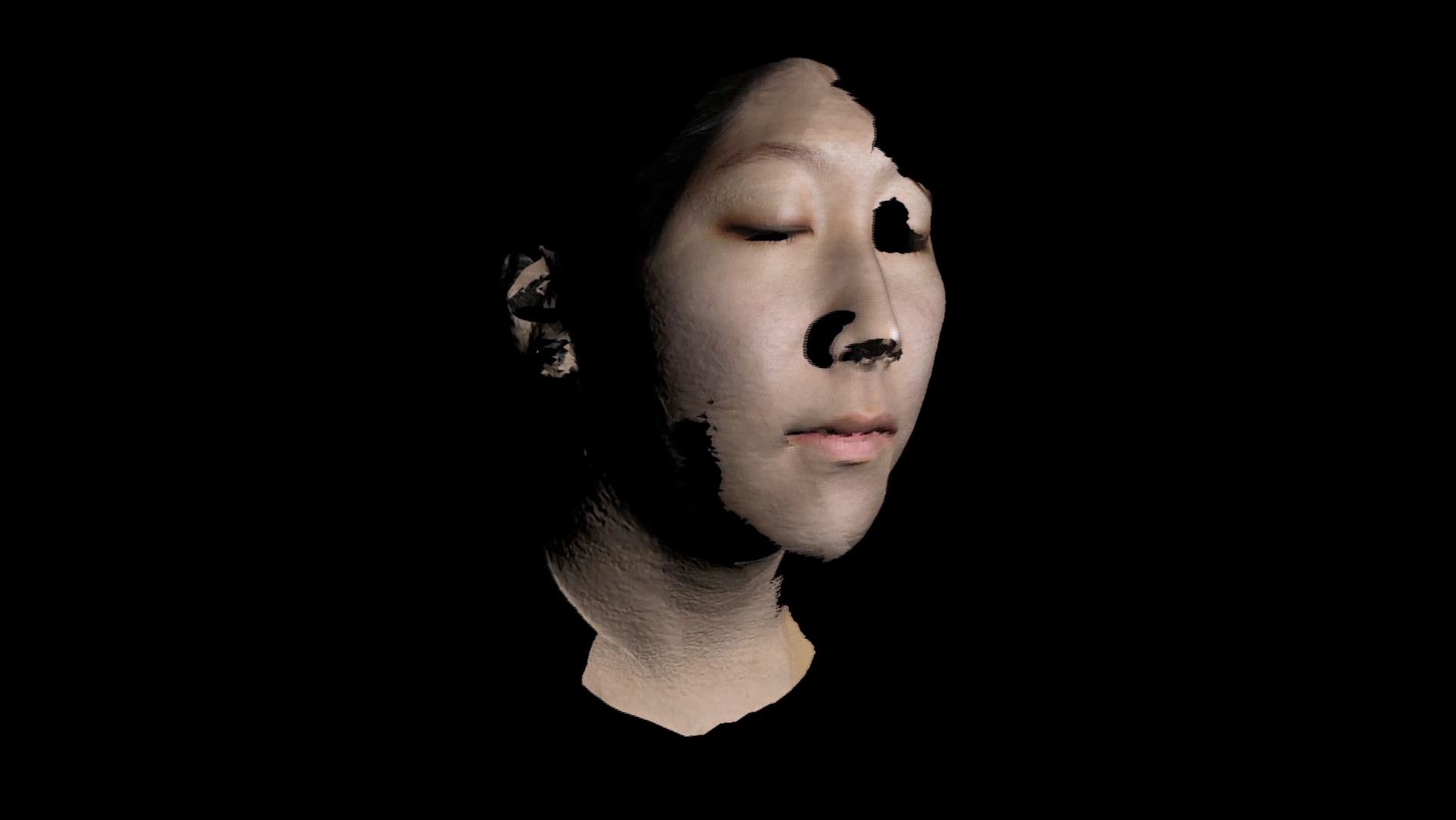
Laser portraits that appear incomplete and fragmented as a result of disruptions caused by the models’ movement and breathing during the scanning process, suggest a metaphor of instability in our digitally mediated identities.
HI, A Real Human Interface (2009) by Multi-touch Barcelona
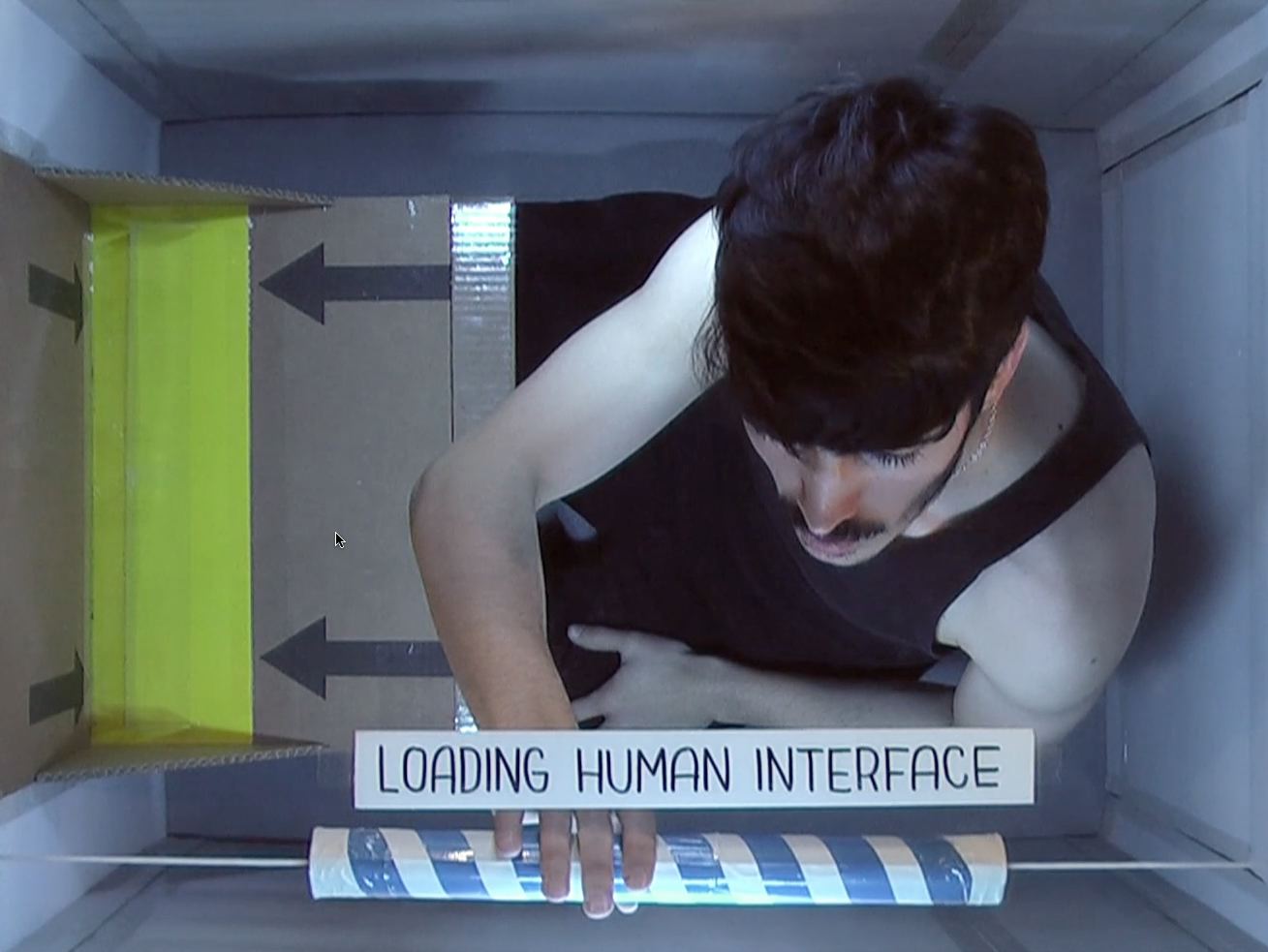
This film imagines the concept of personal computer quite literally as possessing life-like qualities of human companions, by embedding a human being inside of one.
The Invisible City (2004) by Michael Najjar
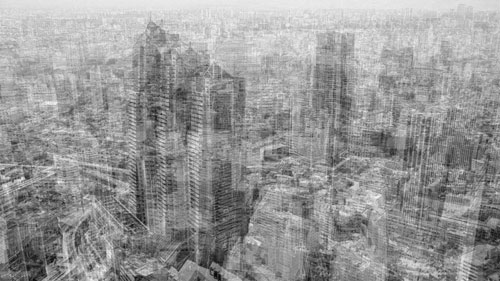
Sensory fluid imagery of the megacities New York, Mexico City, São Paulo, Paris, Berlin, London, Shanghai, and Tokyo explores telematic space and the future development of global cities as the material embodiment of information density.
WE WRITE TO YOU FROM THE DISTANT FUTURE
Streaming Museum’s fall 2010 exhibition featured at Zero One San Jose Biennial, Tina b. Prague Contemporary Art Festival, the Big Screen Project NYC, and throughout its global network of screens in public spaces.
We Write This To You From the Distant Future is a multi-media exhibition of work by visionary creators in the arts and sciences that focuses on a future world imagined and possible to build.
The exhibition title is a line spoken by the narrator in Immobilité (2009), a 75-minute feature length art film shot with a mobile phone video camera by Mark Amerika, with music score by Chad Mossholder. A remix collection from Immobilité opens the exhibition evoking questions – how will a technologically advanced world effect what it is to be human and what is the world with advanced technology to become?
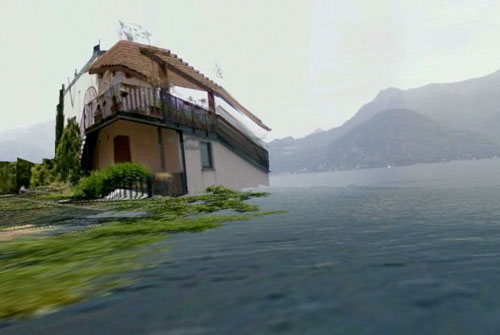
In Michael Najjar’s bionic angel (2006) series (courtesy, bitforms gallery, NYC), creatures in the throes of transformation are a metaphor for inevitable genetic self-creation and possible immortality of the human body.
Mitchell Joachim/Terreform ONE, imagines human adaptation to global climate shifts and designs for transportation, habitat and sustainable living in the urban environment in Jetpack Packing, (2010); Blimp Bumper Bus, (2008), Fab Tree Hab Village, (2009), Rapid Re(F)Use, (2008); Green Brain: A Smart Park For A New City, (2006). View these images here.
Eduardo Kac animates a poetic code/language in Lagoglyphs (2009) that defies interpretation but derives meaning from his bio artwork, Alba (2000), a genetically engineered bunny.
Etoy’s Mission Eternity (2005 – 2016) is a digital cult of the dead for the information society that crosses the boundaries of the afterlife, and challenges the way human civilization deals with memory (conservation/loss), time (future/present/past) and death.
Rose Breathing (2003), an undulating cross-species rose, creates a Zen-like meditation as it rhythmically opens and closes in time-altered human-like respiration. Artist and scientist Andrea Ackerman has created at the intersection of technology, nature, aesthetics and ethics, a work that prophetically signals the inevitable integration of technology and nature.
HD Traffic (2009) by John F. Simon, Jr., is a software artwork inspired by the compositional style of Piet Mondrian, with particular inspiration from Broadway Boogie Woogie and Simon’s love of jazz improvisation. HD Traffic can react dynamically to real-time information streams taken from the Internet, and reflect the pulse of human movement that is embodied in the flow of traffic and other data.
“Skin has become inadequate in interfacing with reality. Technology has become the body’s new membrane of existence.” (Nam June Paik)
EMANUEL DIMAS DE MELO PIMENTA, Kairos: an architectural design for a building in Earth’s orbit, 2011
This video and sound artwork was created in memory of John Cage, René Berger, Joseph Beuys, Hans Joachim Koellreutter, Richard Buckminster Fuller, Marshall McLuhan and John Archibald Wheeler – seven magical doors to a new universe. The sound art is composed of extraterrestrial sounds and was presented in concert SETI in 2002.
“Human must rise above the Earth – to the top of the atmosphere and beyond – for only thus will he fully understand the world in which he lives” – Socrates (469-399 BC)
“Following Nature’s own design principles, human may be able to produce most-economic designs while at the same time solving formerly insoluble design problems” – Richard Buckminster Fuller
Kairos is an orbital building, a privileged observatory of Earth, open to civil society, recalling the ancient Sumerian concept of ‘deep time’, projecting a complex of human values in a large-scale spectrum. KAIROS is a conceptual work that merges architecture design and art project in a same corpus – a crossing point between aesthetics, function and technology. Being an architectural design, it presents structural developments in terms of function and technological challenges. As a visual artwork, it crosses all fields of environments and functions, projecting unexpected images that are, at the same time, abstract and figurative, linear and non-linear. As an artwork it questions and criticizes the concept of contemporary art and culture in general. In few words, Kairos is a design for an orbital building.
Kairos was launched on September 10, 2011, at Holotopia Academy, Amalfi Coast, where Ulysses met the Sirens in Homer’s Odyssey. The work became a part of the permanent collection at the ancient 17th century tower which was transformed into a contemporary art museum by the scientist and art lover, Alberto del Genio, Founder of the Holotopia Academy which is devoted to music, art and philosophy. On the 27th of October 2011 Kairos was exhibited at the Robotarium technology/art center in Lisbon, Portugal, curated by its founder/director and robotic artist, Leonel Moura. and in November of the same year the book Kairos: A Bird Orbiting Planet Earth was released. It includes details of the project, and a history of space satellites, laboratories and stations.
Pimenta is a Brazilian musician, architect, and intermedia artist. His works have been included in art collections and have been recognized by institutions such as the Whitney Museum of New York, the Ars Aevi Contemporary Art Museum, the Venice Biennale, the Kunsthaus Zürich, the Bibliotèque Nationale of Paris and the MART – Modern Art Museum of Rovereto and Trento among others.
Pimenta develops music, architecture, and urban projects using virtual reality and cyberspace technologies. His concerts of music integrate visual art and have been performed in various countries in the last twenty years, beginning with his concert at the São Paulo Art Biennial, in 1985, with John Cage, Francesco Clemente, Sandro Chia, and Robert Rauschenberg.
Pimenta has collaborated with John Cage, as commissioned composer for Merce Cunningham. He has been composer for several companies such as the Appels Company in New York. His concerts have been performed at the Lincoln Center and The Kitchen in New York, the Palais Garnier, the Shinjuku Bunka Center in Tokyo, the Festival of Aix en Provence, and the São Paulo Museum of Art.
In the early 1980s, Emanuel Pimenta coined the concept “virtual architecture”, later largely used as specific discipline in universities all over the world. Since the end of the 1970s he has developed graphical musical notations inside virtual environments.
He has served as a curator for the Biennial of São Paulo, the Calouste Gulbenkian Foundation, the Triennial of Milan, and the Belém Cultural Center.
Pimenta is a founding member of the International Society for the Interdisciplinary Study of Symmetry. He is member of the jury of the BES Fellowship (Experimental Intermedia Foundation of New York, the Luso American Foundation and the Calouste Gulbenkian Foundation) since 1995. He his director of the contemporary music festival Holotopia, in Naples. He is also founder and director of the Foundation for Arts, Sciences and Technology – Observatory, in Trancoso, Portugal. He was editorial director of the art and culture magazine RISK Arte Oggi from 1995 to 2005. He is also member of the advisory editorial board of the science magazine Forma, in Tokyo, and of the art and philosophy magazine Technoetic Arts, in Bristol, England.
Excerpt from the book “Kairos: A Bird Orbiting Planet Earth”
CYBORG ALARM When Technology, Imagination and Body Collide
May 28 – June 30 at Big Screen Plaza and StreamingMuseum.org
Curated by Tanya Toft, Curatorial Fellow, Streaming Museum
Streaming Museum opened the exhibition CYBORG ALARM: When Technology, Imagination and Body Collide on May 28, 2012, from 6 to 10 pm at Big Screen Plaza, NYC, featuring artwork by 2011 NYFA Fellows and Finalists.
The artworks featured in CYBORG ALARM exemplify how art can translate these issues across time, space and cultures. Telling a story through images of the human dimension in the digital world, they could be considered “contemporary hieroglyphs.” They include:
Karolina Sobecka’s Capacity to Act in a World (2011) investigates the limits and meaning of human agency. It explores behavior within an interdependent matrix of elements, sets of norms and constructed histories. The piece exposes our capabilities for navigating and understanding the world in our overtly mediated environments.
In Dreams (2009) by Michael Greathouse is inspired by film noir and b/w Hollywood horror films and produced exclusively with composited computer animation. It depicts continual repetition of a single moment of a human portrait floating in animated waters. In Dreams addresses identity in terms of continuity and journeys through an anachronistic world with endless dimensions.
04302011 (2011) by Sophie Kahn is a collection of laser portraits of New Yorkers inspired by rotating 3-D models of people on large public screens in sci-fi movie scenes. The portraits appear incomplete and fragmented as a result of disruptions caused by the models’ movement and breathing during the scanning process, suggesting a metaphor of instability in our digitally mediated identities.
James Case-Leal’s Republic of Heaven (2010) presents a lyrical interpretation of the world in which we live. The piece illustrates a spiritual departure from the material world into “the next world” – that is fantastic and perhaps ideal – one which might be possible in the digital realm. It reflects human aspirations and a sense of endlessness, perhaps mirroring the experience in the world’s endless chain of Internet links.
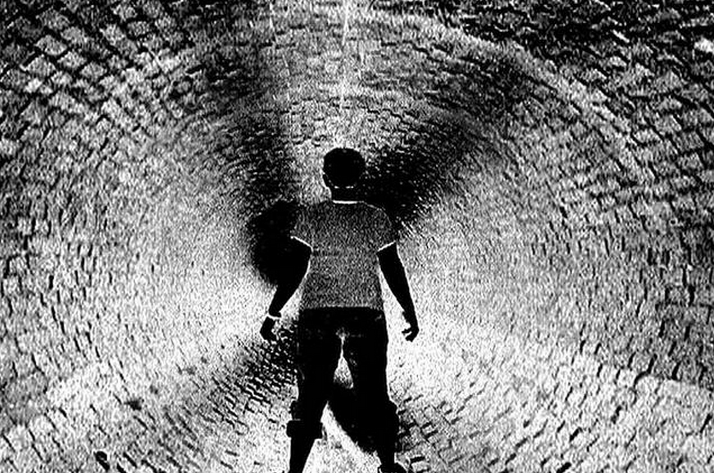
Jason Bernagozzi’s The Presence of Something in its Absence (2008) illustrates a perceptual experience in a digital world. In this poetic universe, there is a sense of ‘getting lost in code’ or virtual worlds; perhaps a search for identity, perception and rhythm, covered in great expectations for the future.
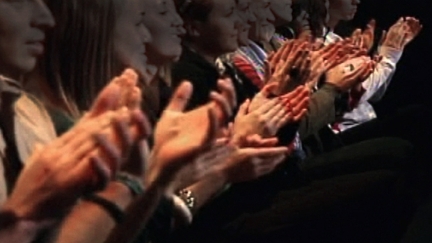
Venerations (Applause) (2009) by Caraballo-Farman questions the dictates of logic and free will. Why does an audience produce shared emotional states and erupt in collective applause, bound beyond reason? This ritual mirrors situations of collective behavior in a manipulative, commercial, and participatory culture, which is becoming increasingly complex and opaque.
Karolina Sobecka, Michael Greathouse, Sophie Kahn, James Case-Leal, and the artist team caraballo-farman, are 2011 Artists’ Fellowship recipient of the New York Foundation for the Arts (NYFA). Jason Bernagozzi is a 2011 Artists’ Fellowship finalist.
REVELATION
REVELATION: Jeremy Blake, Jenny Marketou, Yorgo Alexopoulos, Marty St. James
60:00
ARTISTS:
In the fall of 2011 the exhibition Revelation, in commemoration of 9/11, presented a collection of existential portraits and reflections on streams of realities that exist simultaneously in the contemporary world. Featured artists include Jeremy Blake, Jenny Marketou, Yorgo Alexopoulos, and Marty St. James. The artwork was balanced with a showcase of visionary programs that confront the world’s most pressing problems with solutions to bring about the Regeneration of society and the environment – The Buckminster Fuller Challenge, Green World Campaign, and the Ubuntu Education Center, Port Elizabeth, South Africa. Jeremy Blake and Yorgo Alexopoulos are presented courtesy of Kinz + Tillou Fine Art in New York.
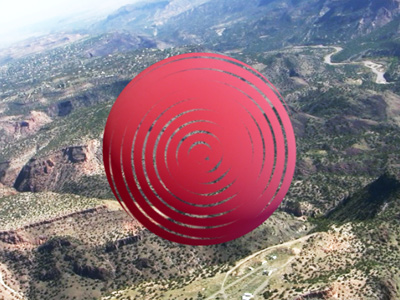
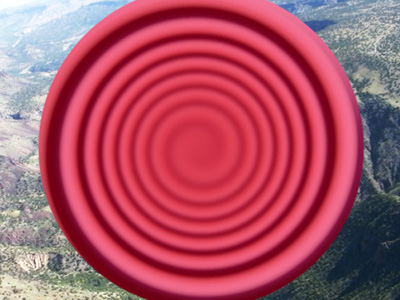
Revelation Part 1 – featured the artwork of Jeremy Blake and Jenny Marketou which is juxtaposed as a dialog that brings to view beautiful images that are concealing inherent danger. Blake’s Chemical Sundown aims at LA’s fantasy of exceptionally colorful sunsets that are in reality ominously artificial and caused by pollution. In Marketou’s Levels of Disturbance, a revolving sphere intrudes over video footage of the natural landscape of Los Alamos filmed from an airplane, mesmerizes and subverts attention from the reality of its radioactive history.
Revelation Part 2 – Jeremy Blake’s Winchester Redux is part of his Winchester series that distills and abstracts American myths of violence and spiritual reconciliation. The dreamlike flow of images gives an abstract emotional tour of the fearful chambers of his subject’s mind. Marty St. James’ Oneiric enters inner dimensions and confines of the individual, and reconstructed reality is explored in The Invisible Man. Yorgo Alexopolous’ No Feeling is Final is an abstract narrative symbolizing the interconnection between mathematics, humans, nature and universe, the real and virtual. Blake’s “Station to Station: Indiglo Heights is the fifth in a series of five individual time-based paintings,representing an imaginary urban transportation system. ”Contemporary anxieties concerning chemical weaponry, global warming gasses and mysterious technologies were also kept well in mind while making this work,” Blake wrote, “as was the sensory excitement of travel and the hypnotic allure of bright, pulsating city lights.”
Video portraits from conflict zones and architecture hovering above earth –
The intimate video portraits of Marines in Afghanistan by Balazs Gardi bring real-life connection with the men serving in one of the most dangerous conflict zones in the world. The work was created as a project of Basetrack, a web-based reporting initiative supported with a grant from the Knight Foundation.
This contrasts with a world-view from outerspace in Kairos – an architectural design for a building to orbit the earth by Emanuel Pimenta, that is informed by Socrates (469-399BC): “Humans must rise above the Earth – to the top of the atmosphere and beyond – for only thus will he fully understand the world in which he lives.” Pimenta dedicated this video and sound artwork to his collaborators, John Cage, Merce Cunningham, and to the humanist concepts of Buckminster Fuller, Joseph Beuys and other visionaries.
Chemical Sundown, 2001, video still. Courtesy of
Kinz + Tillou Fine Art
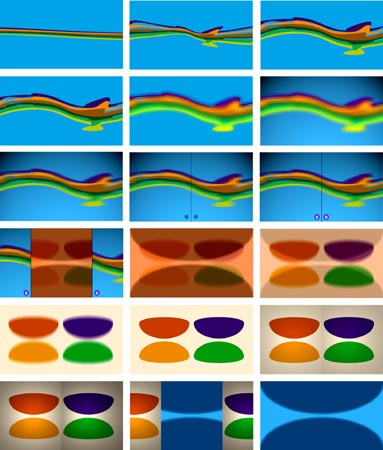
JEREMY BLAKE, Chemical Sundown, 2001, Station to Station #5, 2001, Winchester Redux, 2004
Chemical Sundown, 2001
In the past few decades Los Angeles has outpaced New York City as the urban environment that best exemplifies the apocalyptic in American consciousness. One portentous prospect, global warming, is hinted at in the popular wisdom that LA sunsets are exceptionally colorful because the atmosphere surrounding the city is polluted. Despite the fact that today’s mass anxieties are often yesterday’s news, cliches surrounding a specific place sometimes hold interest for me because they indicate inter-subjective fantasy locations and/or events more compelling than their sources in reality.
Chemical Sundown is a time-based painting that combines architectural and abstract imagery, inspired by the legendary optical effects of LA’s tainted air. The piece begins with a graphic depiction of a horizon line that begins to radically change shape, indicating a landscape capable of liquefying without warning. Soon, images appear which portray a glamorous modernist structure, built on this land despite the inherent danger. This structure is equipped with sliding walls and large windows designed to let in natural light. The changing light, in combination with the smog, creates clouds of color that range from beautiful to ominously artificial. Technically, this work deliberately ignores certain restrictions on bright colors in the NTSC color system. Other “raw” elements are also consciously left visible. The intention is to enable something like the visual equivalent of the controlled distortion common in electronically produced music.
In one room of the structure a film loop is shown embedded in a set of monitors. The footage (from the film Casino Royale) shows a woman in a pink gown, standing on a pink spinning bed, enjoying a shower of feathers swirling around her. This image of unapologetic hedonism is used here as a sexy, phantom presence. I also like the subtle implication that the cycling footage might have a hidden, but specific effect on the function of the architecture around it. (I imagine this working in much the same way that-in the movies at least-a ray of light might activate the door of an ancient tomb.)
An oval shape is repeated throughout the piece. This shape is meant to recall the sun, the lenses of sunglasses, and is arranged in groups of two that resemble the number eight. The 8 shapes provide a visual link to an earlier and related series of works entitled “Bungalow 8″, which dealt with the glamour, decadence and ambiance of Hollywood’s mythic character.
Jeremy Blake, 2001
Courtesy of Kinz + Tillou Fine Art, New York
Station to Station, 2001
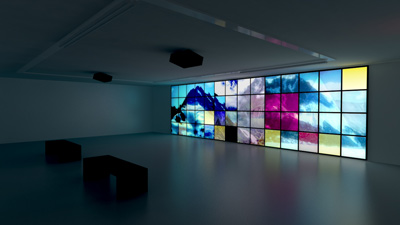
Station to Station is a series of five individual time-based paintings (digital animations on DVD) that have been conceived to work as discrete pieces, but also forms a coherent series or system that, when shown together, adds substantially to the meaning and the impact of each individual work. Although each work is multifaceted, the basic structure of the series is simple. The first, third, and fifth monitor of this five-screen series represent stations on an imaginary urban transportation system. The second and forth represent travel between these stations.
The space intersected and contained by this system is meticulously gridded off, entirely design-mediated, and one which changes in color and mood constantly. Distinctions between inside and outside, and near and far prove to be difficult to draw, and largely deceptive when they are drawn. Contemporary anxieties concerning chemical weaponry, global warming gasses, and mysterious technologies were also kept well in mind while making this work, as was the sensory excitement of travel and the hypnotic allure of bright, pulsating city lights. For much of this imagery and atmosphere I have drawn from daily life in New York, as well as memories of the smoggy vistas of Los Angeles, but a major inspiration for the for the design of the three stations comes from an element of the subway system in Tokyo.
On a trip to Tokyo several years ago I was struck by the design of a bank of coin operated storage lockers in a downtown subway station. This bank was relatively large (from my snapshots I’d estimate at least 12 feet wide and 7 feet high). The door of each locker had one small section of a large landscape photograph printed on it. When all the doors were closed, a large landscape was visible, and the overall effect when viewed from a distance effectively simulated the experience of looking out a window at an attractive view. More often than not however, unused lockers were left open, creating gaping black holes in sections of the bigger picture. The fact that this apparently deep space quickly proved itself to be both traumatically shallow and defined primarily by its utility struck me as definitively contemporary. Therefore, each of the stations in Station to Station is outfitted with one of these banks of lockers, as well as abstract elements that have been derived from its design. In this work abstraction is treated not as static and monumental, but as something that may set in and wear off like the effects of a drug-or that may appear and disappear like a mirage.
Another, more general source for this work is “The Power Broker,” Robert Caro’s excellent biography of urban planner Robert Moses. Caro describes Moses as a brilliant, corrupt, and almost unbelievably arrogant figure-and the planner to whom we owe many of the defining characteristics of the infrastructure in and around New York City. In his book Caro has crafted gripping descriptions of Moses blasting through bedrock and destroying neighborhoods to build the Cross-Bronx Expressway, and clearing slums only to reinforce their existence with monumental housing projects. The fact that one person, and therefore one person’s subjectivity, is the source for so much of what I had always assumed was the result of a gradual accumulation of projects by different planners struck me as disturbing. In the course of reading “The Power Broker”, I began to imagine Moses as the Darth Vader of New York aesthetics, subliminally telling generations well meaning New York artists who have been influenced by their surroundings what they might have suspected but least wanted to hear, “I am your father Luke…” This fantasy is obviously an exaggeration encouraged by some startling reading, but its true that Moses’ grim aesthetics still help to define what its like to travel through New York. Moses was generally pro automobile and anti-mass transit, so there is a deliberate irony in my naming a station after him.
At its inception, rail travel transformed the way in which space was perceived and the speed with which temporal and spatial information was processed. Each passenger with a view out of the window was provided with a framed, flattened, constantly shifting landscape. In a way that we now take for granted, each passenger had suddenly become the director of a non-narrative cinematic experience. Station to Station draws on this precedent as a foundation for its formal structure in order to better reference its own, relatively new space-altering potential as a completely subjective landscape created in a time-based medium and accessible through multiple simultaneous views. In general my work draws from both traditional painting and time-based media in order to create something new.
Jeremy Blake, 2001
Courtesy of Kinz + Tillou Fine Art, New York
Winchester Redux, 2004
The Winchester trilogy and Winchester Redux are inspired by my interest in the Winchester Mystery House in San Jose, California. The Mansion is an architectural wonder that Sarah Winchester, widow of the heir to the Winchester rifle fortune, constructed over the course of 38 years, beginning in the late 1800’s. After suffering the premature death of her child and then her husband, Winchester, informed by her deep belief in Spiritualism, concluded that the angry spirits of those struck down by her family’s guns had cursed her. An advisor agreed and suggested that she build an enormously large house–an endeavor that would both accommodate good spirits and ward off evil ones with the sounds of never ending construction. The result is an eccentric, sprawling 160-room mansion, well outfitted for the undead with staircases going nowhere, doorways leading out into open air several stories above ground, and miles of darkened hallways for the spirits to roam.
The Winchester films combine 8mm film footage, static 16mm shots of old photographs, hundreds of ink drawings, and intricate frame-by-frame digital retouching. They are meant to provide an abstract and emotional tour–not so much of the architecture, but of some of the more fearful chambers of Sarah Winchester’s mind. The abstract imagery represents supernatural activity, heightened by paranoiac glimpses of shadowy gunfighters, painterly gunshot wounds blossoming into Rorschach patterns, and a spectrum of images from Winchester rifle advertisements. The entire series is informed by the idea that the Victorian aesthetic (embodied by the Mansion’s architecture) and the psychedelic sensibility (referenced through hallucinatory manipulation of the film) are sympathetic opposites.
My interest in the Mansion is rooted in an understanding that the site is more than just a monument to one person’s eccentric preoccupation-it is the tangible outcome from a collision of social and historical narratives. The series ties together several mythic strands fundamental to an American national identity in an attempt to justify Winchester’s architectural free-for-all. The figure of the gunfighter facilitates spiritual regeneration through violence, and lawmen and outlaws are thus treated with reverent trepidation-as are the ghosts of their victims.
Beneath the dreamlike flow of images, the structure of the films is very deliberate. They first explore the exterior of the Winchester Mansion, and then reveal glimpses of the interior, with an emphasis on parts destroyed in the earthquake of 1906. Sarah Winchester chose not to repair certain damaged sections, preferring to build around them, as she imagined that the house’s resident spirits disapproved of these accommodations. The camera next zooms in on a cinema complex of three space-age movie theaters situated across the street: Century 21, Century 22, and Century 23, alluding to the fact that it is film, TV and the media that perpetuate the icon of the gunfighter. This is represented by richly layered montages of the Old West and pop-culture imagery, as well as art and film celebrities who appear as phantom stand-ins to embody the specters of the Cowboy and of Sarah Winchester herself.
The Winchester series distills and abstracts American myths of violence and spiritual reconciliation.
Jeremy Blake, 2004
Winchester Redux, courtesy of Creative Time and Kinz + Tillou Fine Art
Biography
JEREMY BLAKE (1971 – 2007)
Jeremy Blake was an artist of recognized accomplishment and promise. His artistic achievements and career were fast on the rise. He was considered influential and iconoclastic. Sadly, Blake committed suicide in July 2007 in New York City one week after his beloved companion of 12 years, Theresa Duncan, committed suicide–the reasons for which remain open only to conjecture.
Blake first garnered attention in the late 1990s with his large-scale, semi-abstract digital C-prints that rendered the appearance of being paintings and photographs, but were neither. He then began to animate sequences of such images to create continuously looping digital video works that emulated paintings and film, but were neither. His visually dense images often incorporated both abstract and representational expressions through the language of Modernism and voices of Film Noir. Blake’s aesthetically stylized works addressed a range of subjects from violence and terrorism to glamour and decadence, from metaphors of architectural spaces to profiles of cultural personifications.
Blake’s works have been exhibited internationally. They were included in three Whitney Biennials, are represented in twelve museum collections, and are a topic of dissertations and textbooks. He is widely acclaimed as a pioneer in merging the traditions of painting with a new digital world. He created hybrids of new media works, new genres, and a new kind of art experience. He made “paintings” that were digital prints and films that were “moving paintings”. He was an innovator who opened doors to how others will express themselves long into the future.
Blake continued to challenge our expectations, as well as his own. He dissolved the distinction between object and time-based art while combining abstraction and representation in fresh and exciting ways. He used the most eloquent of formal vocabularies to illustrate hidden stories, present cinematic portraits and portray social perspectives. He was a narrative abstractionist who embraced history, pop culture, biography and fiction, and he always made things to be beautiful. His works are seductive; his subjects are provocative; his meanings are profound.
Jeremy Blake opened our eyes and expanded our ideas as to what art can be and how we see and think about the world. His contributions will be forever remembered and his legacy everlasting.
Kinz + Tillou Fine Art, New York
JENNY MARKETOU, Levels of Disturbance, 2009-2011
Single channel video projection, color and sound, loop
“We forget too soon the things we thought we could never forget.”… Jean Didion
Although we are all bombarded by seemingly endless amounts of imagery and “news”, I am convinced that we are also all suffering from information deprivation, and in a multiplicity of ways. While media conglomerates and government powers shield information from us continually – and spin the information that we are being fed – I think we are also all guilty of collectively forgetting our histories. Information is ignored even when we have access to it. Certain things are just too difficult to face. Government handouts, unregulated corporations, corporate takeovers of the media and of the government, industry’s devastation of the environment… These are very old stories. Why should these things surprise us when they continue to happen?
The material for video for Levels of Disturbance has been shot over a week’s period from an aerial view distance while I was flying over the town of Los Alamos and it was conceived during the period of my artist in residence at the Center of Contemporary Art in Santa Fe, New Mexico in the fall of 2009.
Los Alamos which currently stands as a national monument and a tourist attraction is still contaminated by the nuclear waste and by turbulent human emotions going back to the late 40’s when Los Alamos is the most secret city in the world; the home of the renowned scientific community, known as the laboratory of the Manhattan Project where a weapon of incredible power, the atomic bomb has been produced and tested.
The artists process starts during montage when all the recorded aerial views of the breathtaking landscapes has been edited frame by frame into a slide show and has been used as a backdrop over which is imposed a red round shape. The shape suggests the infinity symbol of planetary orbits and standardized cartographic representations and measuring principles used for all natural phenomena. The two layers cycle is assembled digitally in a continuous flow of rotations and transformations and takes their rhythm from the ambient soundtrack composed by the sound of the propeller of a plane. The constant red color ripples of the circle seems as a powerful way to create suspense and focuses viewer’s gaze as some form of surveillance on the surface of the image and intentionally abstracts and distorts any passage to the landscape, and information is intentionally fragmented, abstracted and distorted.
The reason I set up Levels of Disturbance this way is to test the rhetoric of cultural and historical amnesia in contemporary images. Amnesia forms a vast territory of disintegrating or disappeared information. In an effort to map this sea of mind my video Levels of Disturbance explores one of the major themes related to the loss of memory and history – the deliberate suppression of memory by a society, the loss, confusion, destruction of information or alteration of a culture’s record of itself; and it investigates how technological mediation produces specific qualities in the images which erase memory, create disorientation, influence knowledge.
Jenny Marketou, 2011
Biography
JENNY MARKETOU
Born in Athens, Greece, Jenny Marketou is a new media and old media artist based in New York City. Her work reaches the public through photography, web, public performances and interventions, video installations, single channel videos, design, teaching, lecturing and various forms of social actions. She has produced many internet and network projects, some highly recognized such as SmellBytes and taystes.net during her involvement with the net.art movement in 1998. Her work is based on creating open systems by modifying communication and mobile technologies and she is also developing work in the area of physical public performances. Jenny Marketou is intrigued by hidden information, being public and is unified by sympathy, fear and humor for the individual in the contemporary world of dense mediated communication, mobility, surveillance and social networking.
Marketou is currently working on her solo project Paperophanies which will be launched on October 8 , 2011 as part of Praxis projects at Atrium Museum in Vitoria in collaboration with local universities , community groups , artists and the Guggenheim in the Basque Country in Spain. Her public installation Red Eyed Sky Walkers/ SILVER Series is currently on view at Gate (ways): Art and Networked Culture, an exhibition at Kumu Art Museum in Tallinn, Estonia (Cultural Capital of Europe) commissioned Kumu Art Museum and by Goethe Institute.
Marketou’s work has been commissioned and exhibited internationally. Recently she has had solo exhibitions at (EMST) National Museum of Contemporary Art in Athens, Greece , the Contemporary Art Museum Reina Sophia in Madrid, Spain; Fondazione Claudio Buziol in Venice, Italy in collaboration with students from the Art and Design School in Treviso (IUAV).
Her work has also been featured at 54th Venice Biennial in Venice; Onassis Cultural Center, Athens, Greece; APEX Art, New York City; The Project Room for New Media and Performing Arts, Chelsea Art Museum, New York City; PULSE Art Fair, New York; Anita Beckers Gallery, Frankfurt/Main; the 3rd Biennial of Seville, Seville, Spain; KunsthalleBasel, Switzerland; Strozzina Center of Contemporary Art, Florence; Centre Pompidou, Paris; Kunstverein Ludwigshafen, Mannheim, Germany; The New Museum, New York City; Eyebeam, New York City; Rose Museum of Contemporary Art, Brandeis University, Boston; ZKM Center for New Media and Art, Karlsruhe, Germany, 2006; Queens Museum of Art, Queens, NY; Breeder Gallery in Athens, Greece; CornerHouse, Manchester, UK; Krannert Art Museum, Urbana-Champaign, Illinois; The Banff Center, Canada, among other venues. She represented Greece in the Biennial of Sao Paolo, Brazil and in Manifesta at Witte de With, Rotterdam.
Since 1995 Marketou’s work has been awarded grants and residencies NYSCA Grant, New York; Experimental TV Center Grant, Ithaca, NY; Artist in Residence, Center of Contemporary Art (CCA), Santa Fe, New Mexico; Ohio State Art Council Grant, Cleveland; Artist in Residence, Eyebeam, New York; Artist in Residence and Co-production at The Banff Center, Canada; OMI International Residency, New York among others.
Jenny Marketou holds an MFA from Pratt Institute in Brooklyn, New York and has taught at Cooper Union School of Art in New York City. She has lectured extensively in academic institutions and art centers around the world. She is the author of the book “ Great Longing: The Greek of Astoria, New York”, with photographs and interviews of first generation Greek immigrants who made home Astoria, Queens.
Current projects:
Paperophanies” PRAXIS Projects, Artium Museum, Vitoria, Spain
Red Eyed Sky Walkers: Silver Series 2011, Kumu Art Museum, Tallinn, Estonia
YORGO ALEXOPOULOS, No Feeling is Final, 2010
This work is a synchronized composite of two horizontally aligned high-definition video frames with a continuous looping duration of ten minutes. An animated grid of digitally manipulated paintings, photographs and graphics move across the screen. An abstract narrative unfolds, composed of archetypal images and symbolic shapes.
Our individual and collective connection to things larger than ourselves is the inspiration for this visual and audio orchestration. The enveloping experience invokes commonly held ideas and questions regarding ineffability and subjectivity as they relate to our understanding of nature and the universe. Intermixed with landscape images are the simple Euclidean geometries (circle, square, triangle) that have helped philosophers, artists, and scientists interpret and represent the complexities of the universe. A mountain becomes a triangle, and the moon a perfect circle.
The metaphoric “characters” in this animistic drama stride across the stage, assembling loosely as a collage of abstract shapes and their earthly counterparts, therein revealing the basic forms that we use to perceive the world. This places the supposed purity of nature against our projected emotions of its representation.
For example, the desert often symbolizes vast emptiness or the negation of landscape. From one point of view it is a place to retreat and find divine revelation. On the other hand, it is a symbol of spiritual sterility. In contrast, a garden is a place where nature is tamed and its beauty cultivated. As a symbol of perfection and ordered beauty, the garden is often an enclosed escape from ominous wilderness where death, disorder, and violence can lurk. Because nature is subdued and controlled in a garden, it is often taken to represent the conscious mind as opposed to the forest, which stands for the dark, tangled, rooted growth of the unconscious.
The pulsating matrix of No Feeling is Final organizes its visuals like a map; forming a topographical world with latitude and longitude lines unrelated to the actual proportions of the Sphere. Each square is a world within itself. All together they support each other collectively. In our fractal reality perfect shapes fit together like pieces of a puzzle, whereas in No Feeling Is Final, they fade into each other and share the same space, as if it were some other place where both the “real” and the constructs of our imagination co-exist peacefully.
Yorgo Alexopoulos, 2010
Biography
YORGO ALEXOPOULOS
Yorgo Alexopoulos is a New York-based artist best known for his innovative use of digital media and technology. His artistic approach is gleaned by fusing traditional media such as painting, photography, film and sculpture with digital media. He often creates experiential video installations and high definition flat screen pieces by syncing multiple monitors or projections. Alexopoulos’ artworks often touch upon transcendental themes. He uses animation software informed by techniques fine-tuned from earlier in his career as a visual effects animator in the motion graphics industry. He is a graduate of the School of the Art Institute of Chicago.
Website
Courtesy of Kinz + Tillou Fine Art, New York
MARTY ST. JAMES, Oneiric, 2001; The Invisible Man, 2007
These video artworks signify the human struggle to locate an inner sense of self and being, a recurring theme in the artist’s body of work. Oneiric enters inner dimensions and confines of the individual. The Invisible Man, explores a reconstructed reality, in a 3 channel digital video projection installation, excerpted and remixed here for the public screen platform. It is an Homage to H.G Wells’ book by the same name, the landscape paintings of Turner and Constable, Beuys with his hat, and Magritte with his notions of formal clothing elements in his men with Bowler hats. It is also a personal homage to the artist’s late brother. St. James films in South West of France and edits in London.
Biography
MARTY ST. JAMES
Existing somewhere between the moving and the static is an excellent description of the work of and intentions of artist St.James. Stepping, as if from one stone to another he has created artworks primarily in performance art, video art, photography and drawing. He describes it as exploring the physical, the electronic and the pencil equally.
‘a time based artist media artist straddling both modernist and post-modernist times..’
– Sue Hubbard The Independent Newspaper.
Tours of Europe and North America in the 1980’s with a suitcase full of props brought him recognition as an improvising based performance artist dealing with popular cultural issues and themes. These social based works were performed in galleries, festivals, ferries and shopping centres. Civic Monument a travelling living sculpture (1990 supported by the Art Angel Trust) saw the end of his live performance art works.
Forty of his video pieces have been archived by the British Film Institute in the UK including Mr and Mrs his first video work based on a television game show appearance and Metamorphosis (Headcake 1998). During the 1980’s a number of his video works were broadcast on national television including Timecode (Heartbeat 1988) shown in a number of countries worldwide.
The Video Portraits of the 1990’s are some of his best known works including The Swimmer an 11 monitor installation work in the collection of the National Portrait Gallery, London. These works ranged from miniature single monitor video objects to large multi-monitor installations.
He has represented Britain abroad in a number of exhibitions, performance art events, video screenings and festivals via the British Council and Arts Council, including, Electronically Yours at the Metropolitan Museum of Photography in Tokyo (1998) and Artec Nagoya, Japan (1995). During 2000 his year- long inter-active digital work Picture Yourself showed at the Scottish National Galleries celebrating the millennium with the public able to see themselves projected on the museum walls. In 2000 his Boy / Girl video diptych showed at the National Portrait Gallery in London, Painting the Century, 101 Portrait Masterpieces from the 20th century including Picasso, Freud, Bacon, Warhol, Munch etc…
Running through St.James’ works there has been a sense of self-portraiture or the portraiture of others. In his recent shows in Moscow, The Journey of St Maurin (2002) and New York Somewhere or Between (2005) there has been a sense of the artist involved in a struggle to locate an inner sense of self and being. And a serious attempt to try and convey this to audience rather than ignore their presence or pander to our obvious emotions. Too much video art has tended to rely on the obvious, cheap tricks and gimmicks; St James has begun a process of real engagement between self, medium and viewer.
On the subject of his drawings St.James describes his paper works as ‘thinking actions’, things that land and are fought onto the paper via thinking.
…. Marty St.James believes that art only matters if the artist has something important to say, that his or her work is not simply an item of commercial transaction. His is an Apollonian discourse rather than a Dionysian one. For him art is a way of thinking in the visual rather than the making of a heroic statement or precious object. He is in tune with Bachelard’s notion that the embodiment of knowledge exists in the action of making, rather than in the object of the finished piece. His intention is to investigate “the stringing together of moments in frame type form to explore surface and time.”
– Sue Hubbard Arts Editor The Independent Newspaper, London
OPENING 7 September 19:00 – 21:00 8 September – Extended until 7 November
PARALLEL EVENTS:
11 Sept – 14 October: SKY SCREEN Program, Running the Cities
12 Sept: MOMENTUM Curator’s Talk at Berlische Galerie
20 Sept: Panel Discussion at the Hoffmann Collection – Aspects of Revolt
In collaboration with lokal_30, MOMENTUM is proud to present the solo exhibition of Zuzanna Janin, THE WAY: Majka from the Movie. This exhibition marks the premiere of the complete series of Majka from the Movie – the first time all 9 episodes have been shown together. The serial video project Majka from the Movie (2009-2012) merges investigations into the history of art and film with a focus on rebellion. In the episode REVOLUTION (Heroes & Heroines) the artist addresses the history of urban protests: from the revolt of 1968, to the resistance movement in the totalitarian regime of Poland in the 1980s, to the protests against ACTA; thus highlighting an essential characteristic of contemporary art – the potential to visualise that which is ‘in-between’ – development processes, change, ongoing rebellion. The video Majka from the Movie (8 episodes and a pilot episode in collaboration with Tomasz Kozak) is a body of quotes from films and music of the last 40 years, which develops a vision of history and culture interlaced with ongoing political and social revolt. The video series will be accompanied by a sculptural installation, which will face Majka – rebellious fictional character from a 1970s film – with a boy, a notorious vagabond. In the episodes ‘JOURNEY’, ‘WALK’, and ‘THE WAY’ Majka encounters Zygmunt Bauman, Slavoj Zizek and Hans Ulrich Obrist, and talks with them about heroes, dreams and the role of artists in the world.
In the course of the exhibition at MOMENTUM | Berlin, works by Zuzanna Janin will be shown on SKY SCREEN, our public art initiative in Rosenthaler Platz. There will be a Curators talk at the Berlinische Galerie, and the private museum Hoffmann Collection will host a panel aimed at discussing the engagement of artists and art in contemporary social, political and cultural problems, as well as the role of art as a tool of social change. The project will be presented later at the Królikarnia Palace, part of the National Museum in Warsaw, the Museum of Modern Art in Warsaw and The National Museum in Cracow. It has previously been shown at the 54th Venice Biennale (2011) and Kunsthalle Wien (2010).
Zuzanna Janin lives and works in Warsaw. She is the author of sculptures, installations, videos, photographs, actions and performances. The central themes of Zuzanna Janin’s works are space, memory and time, as well as the states in between. Her works invite reflection on the arbitrariness of social roles, their fluid boundaries and the place of individual freedom within the workings of state and society. Janin’s film and video practice, alongside her installations and three dimensional objects, frequently address ideas of social construction and formation of interactive singular and/or group identities. In her latest works, she visualizes how both singular and collective identities are manipulated and played off against one another in today’s contemporary culture. A singular identity thus finds itself – as Janin makes us aware – in a continuous state of personal construction and displacement. Majka from the Movie is a series of videos, based on the Polish TV series from the 70s. The episode “REVOLUTIONS” was included in the international group presentation at the 54th Venice Biennale. The multichannel video screened at MOMENTUM features 9 full episodes, including the new episode in this series – “THE WAY”, to be premiered the week before at the Krolikarnia, part of the National Museum in Warsaw.
“The shaping of identity is made in time and by circumstances, and it is not something that is a pre-given. This is most evident in her recent and ongoing major video serial project Majka from the Movie (2009), which is yet to be finally completed. The multi-part video serial Majka from the Movie takes as its point of departure and as a framing narrative a television soap opera of sorts, called the Madness of Majka Skowron (1975), a popular series made in Poland in the mid-seventies and still shown. The original series story was based on a generational conflict between a father and adolescent daughter…By using her daughter as both an extension and part of her own personal identity formation, the artist presents herself both in front of and behind the camera… The periodic intercutting or splicing in of Majka, and also her contemporary re-incarnation or life projection, operate as the shared unity against a backdrop or compendium of personal film and music appropriations…” (Mark Gisbourne, Identifying Identity, March 2010)
Since 2005 lokal_30 has been providing the space and environment for various projects and artistic actions. The venue continues to operate as a place for artists to meet and work, a site for artistic activities, a backdrop for photographers, a set of art movies, a creative workshop, an exhibition space, and a meeting-place for the art world and everyone interested in art. The mission of lokal_30 is to serve art and artists, and give rise to new projects of all kinds: one-off events, works-in-progress, performances, actions, socially-engaged initiatives, meetings and debates.
As a gallery, lokal_30 concentrates most of its exhibition and promotion efforts on video works, with a mission to provide the best possible conditions for contact with and reflection on contemporary video art, as well as debates with the artists. lokal_30 is run by Director Agnieszka Rayzacher and collaborates with a great many of artists and curators, who all make it a venue where innovative and fascinating high quality art is exhibited and created.
The MOMENTUM Collection
at Musraramix Festival in Jerusalem
23 – 25 May 2012
Eric Bridgeman, Osvaldo Budet, Nezaket Ekici, Doug Fishbone, James P Graham, Mark Karasick, Hannu Karjalainen, Janet Laurence, Hye Rim Lee, Gabriele Leidloff, Map Office, David Medalla, Tracey Moffatt, TV Moore, Map Office, Fiona Pardington, Martin Sexton, Sumugan Sivanesan and Mariana Vassileva
We are proud to show the MOMENTUM Collection at the Musraramix Festival in Jerusalem to mark our partnership with the Musrara School of Art and the launch of the MOMENTUM Jerusalem Residency.
Musraramix is an annual outdoor public art festival focusing on moving image and performance art. For the Musraramix Festival, we curate the MOMENTUM Collection into 3 programs:
1. Subjects and Objects looks at works which address the individual as both subject and object of the gaze, of scientific enquiry and biological necessity, of the material expectations of beauty, and as objectified by the material traces of individual histories. Including works by: Tracey Moffatt, Nezaket Ekici, Hye Rim Lee, Mark Karasick, Gabriele Leidloff, Fiona Pardington
2. Rituals and Ghosts brings together works which look at the stories, traditions, and games we repeat to ourselves and to others, which define both the stark differences between cultures, and the sometimes uncanny similarities between them. Including works by: Osvaldo Budet, David Medalla, Martin Sexton, Eric Bridgeman, TV Moore, Hannu Karjalainen
3. Evolution/Revolution begins with the purity of nature, and moves on to ancient civilizations, the beginnings of society, racing in to the present day to address the many ways mankind misuses its hard-earned civilization. Including work by: Janet Laurence, Mariana Vassileva, Eric Bridgeman, Martin Sexton, James P Graham, Map Office, Doug Fishbone, Sumugan Sivanesan
The MusraraMix festival is an annual international multidisciplinary event that takes place in the culturally diverse neighborhood of Musrara in Jerusalem, initiated and produced by the Naggar school in Musrara since 2000. Focusing on digital and performance art in public space, the festival is a hub of artistic and social happenings, embodying the political and cultural essence of Jerusalem and Israel. Every year the festival is based around a new curatorial theme engaging its unique location within the Musrara community, traditionally bridging East and West Jerusalem..
15 June – 15 August 2012
Screening Throughout the Day on IKONO TV
Ikono TV is an outstanding all art all the time HD cable channel screening in over 30 million households across Europe, the Middle East and parts of Asia. With a mission to bring art out of the museums and into peoples homes, Ikono TV makes art an integral part of every day life. MOMENTUM is proud to announce our partnership with this extraordinary initiative by screening selected works from the MOMENTUM Collection, and by sharing the content of our programs for SKY SCREEN, our Public Art initiative bringing international video art to the streets and skyline of Berlin. MOMENTUM shares with Ikono TV the goal to bridge across national and institutional boarders, bringing art to the people, through collaboration, exchange, education, exploration, and most importantly, inspiration.
Our first program on Ikono TV features selected works from the MOMENTUM Collection. The MOMENTUM Collection is a growing collection of international video art comprising the best and brightest artists we have shown and collaborated with worldwide. The Collection represents a cross-section of digital artworks at the top of the field. Ranging from some of the most established to emerging video artists, including work from Australia, New Zealand, Hong Kong, the Philippines, Puerto Rico, Finland, the US, the UK, Bulgaria, Turkey, and Germany. For Ikono TV, we curate the Collection into 3 parts:
1. Subjects and Objects looks at works which address the individual as both subject and object of the gaze, of scientific enquiry and biological necessity, of the material expectations of beauty, and as objectified by the material traces of individual histories.
Nezaket Ekici, VEILING AND REVEILLING, 2009
Hye Rim Lee, OBSESSION / LOVE FOREVER, 2007 [5 Pieces edited for Ikono TV out of series of 8]
Mark Karasick, MICHAEL, 2004
Gabriele Leidloff, IN PURSUIT, 2004
Fiona Pardington, ORGANIC, 2011 [animated series of 30 Digital Photogrpahs]
2. Rituals and Ghosts brings together works which look at the stories, traditions, and games we repeat to ourselves and to others, which define both the stark differences between cultures, and the sometimes uncanny similarities between them.
Martin Sexton, INDESTRUCTIBLE TRUTH (Tibet UFO), 1958/9
Eric Bridgeman, TRIPLE X BITTER, 2008
TV Moore, MAGICK WITHOUT TEARS, 2009
Hannu Karjalainen, WOMAN ON BEACH, 2009
3. Evolution/Revolution begins with the purity of nature, and moves on to ancient civilizations, the beginnings of society, racing in to the present day to address the many ways mankind misuses its hard-earned civilization.
Janet Laurence, VANISHING, 2009/10
Mariana Vassileva, MORNING MOOD, 2010
Eric Bridgeman, THE FIGHT, 2010
Martin Sexton, BLOODSPELL (Mexican UFO), 1973 – 2012
James P Graham, CHRONOS, 1999
Doug Fishbone, COMMUNISM, 29 May 2008
Sumugan Sivanesan, A CHILDREN’S BOOK OF WAR, 2010
23 August – 1 September 2012
OPENING 23 August 19:00 – 22:00, with the artists present
FINISSAGE 1 September 19:00 – 22:00, with live performance by Mariana Hahn at 20:00
ABOUT FACE. A military command. A reflection of our tumultuous times. A comment on the cult of beauty perpetuated by every television screen.
The works in this exhibition – ranging from painting to performance, video, and poetry – each address in their own way these turbulent times. Wars, financial crisis, environmental disasters. They have all happened before. About face. They will all happen again. Not even the art world is safe. Artists are busy responding, re-thinking, revolting. Some people stop and listen. The rest of the world goes on as usual. The revolutionaries become icons. About face. The next generation of revolutionaries rises against them.
What drives our destruction? About face. What drives our self destruction?
Is destruction at the heart of all creation? Is our sinister devotion to icons the same fuel we burn when we destroy them. The microscopic line between destruction and construction. A postmodernist’s wet dream.
Terrible beauty. About face. The beauty of terror. Yet even while we indulge in it, we deny the filth, we wear masks of purity, clean facades maintained by wipe-clean surfaces. Anything to save face. About face.
Reversal, revolution, repetition, identity, defacement, destruction, rebirth. The three emerging talents in this group exhibition converge upon these issues in surprising ways. Jarik Jongman, a painter, invokes performance for the first time in his interactive painting series, (de)facing revolt (2012). Ensuring the complicity of the spectator, this exhibition is not about watching – it is about being. States of being and becoming are reflected through Mariana Hahn’s evocative performance, I Sweat You (2012), her poetry sticking in our brains. The rhythms of Sarah Ludemann’s video works stick too from the relentless demolition of body in Schnitzelporno (there within the tender embrace of humanity’s structures) (2012), to the repeated dissintegration of structure in flap goes the wing of the butterfly in slow motion. and I close my eyes and sense the cracks in my flesh (2010-2012). Flesh and blood or concrete and steel, it is all created to be destroyed.
Mariana Hahn was born in the mid 1980s in Schwaebisch Hall in the south of Germany. She did Theatre Studies at ETI in Berlin, and has a degree in Fine Art from Central St. Martins in London. Her work has been described like an itch under the skin. The itch of something that is there but cannot be caught, be laid finger on. Subtle movements of what lays beneath the surface that carries us, moves us back and fro. Transparent and yet hidden, isolated and yet profoundly prominent, like the voices of an oracle. Voice becomes a palpable medium in Hahn’s performance. The poetry inflected cadence becomes the action, the performance of the body’s stillness, draped in plastic, like a defunct statue.
A former assistant of Anselm Kiefer, Jarik Jongman uses both his own photographs and anonymous pictures found in flea markets, books, magazines and the internet as a starting point for his work, which often deals with archetypical imagery. Dutch born, he studied in Arnhem and has had numerous exhibitions in London, Berlin, Switzerland, Amsterdam and at the 53rd (2009) and current 54th Venice Biennale in a collateral event. He lives and works in Amsterdam. In ABOUT FACE, Jongman will be showing a series of ten painted portraits of icons of the contemporary art world; some of the richest and most influential players of our time, which he will subsequently, with the help of the audience, deface. The result will be a series of mutilated images, reminiscent of the damaged murals and toppled statues of ousted dictators across the world.
Sarah Lüdemann continuously disassembles her body and identity, explores psychological states, concepts of self, social roles and ways of perception and (re)presentation. It is all a self portrait and yet generally relevant and open to identification and interpretation. Repetition and proximity, seduction and repulsion, love and hate, destruction and resurection. The birth of poetic brutality. As a woman and as a being with tender harshness. Visuality and sensuality play a vital role in Lüdemann’s works as she aspires to create experiences that are at once sensuously engaging and thought provoking. Sarah Lüdemann finished an MA Fine Art at Central Saint Martins/Byam Shaw in September 2011. In 2009 she was selected for an influential residency with Mona Hatoum. She has been awarded the South Square Trust Award and was shortlisted for the Arts & Humanities Research Council BGP Award in 2010.
“A collection cannot survive in isolation. It needs to be heard, to be seen and most importantly, to be experienced.” (Sylvain Levy)
PRESS PLAY: New Perspectives in Contemporary Chinese Art brings six outstanding video works from the dslcollection to MOMENTUM | Berlin. Framed around the 3D exhibition curated by Martina Koppel Yang, MOMENTUM shows the video works featured in dslollection’s virtual museum. While the 3D film contextualizes these works within the broader framework of the dslcollection and the development of Chinese contemporary art, MOMENTUM enables the experience of direct contact between the viewer and the artwork. PRESS PLAY: New Perspectives in Contemporary Chinese Art explores the balance between our experience of an artwork and the mediated document of that artwork. Presenting an innovative model of exhibition practice with a 3-dimensional immersive experience of a virtual museum, alongside the video works themselves, PRESS PLAY highlights the integral role of time in the experience of art. We need to give any artwork time to see it in all its complexity, to understand it on both a mental and emotional level. This is especially true in the case of time-based media, such as video art. As a collection needs to be heard, to be seen, and to be experienced in order to acquire meaning, the 3D film acts as a contextualising counterpoint to the works themselves, allowing them to be understood within the broader framework of the dslcollection.
In joining forces with the dslcollection, MOMENTUM is proud to collaborate with a cutting edge collection, at the forefront of contemporary Chinese art and of utilizing new technologies in exhibition practice. The dslcollection, positioned as a virtual museum, is open to the public by way of innovative digital media and collaborative practices. Started in 2005 by Sylvain and Dominique Levy, the dslcollection focuses on the best of contemporary Chinese art. Including a broad array of artistic practices and media, the principles linking the Collection as a whole are quality, communication and coherence, and a direct address to issues confronting contemporary Chinese culture. With a mission to show art outside the traditional white cube of the gallery space, and to bring the Collection to a broad audience irrespective of national and institutional borders, the dslcollection is available as a resource online, and hosts online exhibitions of curated works from the Collection. Sharing the experience of Chinese contemporary art online as well as in traveling exhibitions, the dslcollection also supports Chinese contemporary visual culture through its cinema with DSL CineMag.
“We love whips; we need to bite; we dare not bark. We work tamely, faithfully and patiently like dogs. We can be summoned or dismissed at the bidding of our master and understand his intentions clearly at once. We are surely a miserable pack of dogs and we are willing to act as beasts that are locked in the trap of modernization. When will we be daring enough to bite our master, to take off the masks, to strip off the furs and be a real pack of rabid dogs?”
Cao Fei (1978) is a Chinese artist based in Beijing. She is known for her multimedia installations and videos, and is acknowledged as one of the key artists of a new generation emerging from Mainland China. She mixes social commentary, popular aesthetics, references to Surrealism, and documentary conventions in her films and installations. Her works reflect on the rapid and chaotic changes that are occurring in Chinese society today. Her recent project RMB CITY (2008-2011) has been exhibited in Deutsche Guggenheim (2010),Shiseido Gallery, Tokyo, Japan (2009), Serpentine Gallery, London (2008), Yokohama Triennale (2008). I. Mirror by China Tracy, 52nd Venice Biennale (2007), Chinese Pavilion; RMB CITY- A Second Life City Planning has been exhibited in Istanbul Biennale (2007); Whose Utopia, TATE Liverpool (2007), Nu Project, Lyon Biennale (2007). Cao Fei also participated in 17th & 15th Biennale of Sydney (2006/2010), Moscow Biennale (2005), Shanghai Biennale (2004), 50th Venice Biennale (2003). She also exhibited video works in Guggenheim Museum (New York), the International Center of Photography (New York), MoMA (New York), P.S.1 (New York), Palais de Tokyo (Paris), Musee d’Art Moderne de la ville de Paris (Paris), Mori Art Museum (Tokyo). And Cao Fei is the finalist of Hugo Boss Prize 2010, and won The 2006 Best Young Artist Award by CCAA (Chinese Contemporary Art Award ).
Chen Chieh Jen, Lingchi – Echoes of a Historical Photograph (video, 25 mins), 2002
Artist’s Statement:
“History has been lingchi-ed, that is, chopped and severed as human bodies. Violence is also gradually internalized, institutionalized and hidden. We do not see where we are and what was before us. We do not see the violence of history or that of the State either. That is the reason why we need to gaze at the images of horror and penetrate through them. Is the dark abyss of wounds not the very crack that we need to pass through so as to arrive at the state of full-realization and self-abandonment. In the early age of so called “history of photography” regions outside the western world played the role of “shooting objects”….I focus on how to reverse the subject of colonial photography history from people in front of a lens to the behind…”
This film is based on the famous 1905 photograph of a man being punished the Manchu way, by being cut into pieces for the crime of murder. His ecstatic expression is attributed to opium, which was administered to prolong the torture. Philosopher Georges Bataille discussed this photo extensively in his book The Tears of Eros and noted the correlations between the beauty of religious eroticism, divine ecstasy and the shocking horror of cruel torture. Chen’s cinematic close-ups of the victim’s face bring to mind images of blissful euphoria, homoeroticism, and religious crucifixion. Slow motion close-ups of a hand holding a knife, the grim expressions of the crowd of ponytailed bystanders, blood dripping down the crowd’s legs and flowing into the ground are eerie, but surprisingly not as violent as what one might expect considering Chen’s topic. …By linking the historical with the contemporary social and economic situation in Taiwan, Chen has created an extremely powerful work that links the past with the present, the fictive with the documentary. He is also specific to the local situation, while remaining universal.” (Susan Kendzulak)
Chen Chieh-jen (b. 1960 in Taoyuan, Taiwan) currently lives and works in Taipei, Taiwan. He has held solo exhibitions at the Taipei Fine Arts Museum; REDCAT art center in Los Angeles; the Museo Nacional Centro De Arte Reina Sofia in Madrid; the Asia Society in New York; and the Galerie nationale du Jeu de Paume in Paris. Group exhibitions include: the Venice Biennale, Biennale de Lyon, São Paulo Art Biennial, Liverpool Biennial, Biennale of Sydney, Istanbul Biennial, Taipei Biennial, Gwangju Biennale, Shanghai Biennale, Fukuoka Asian Art Triennale, and the Asia Pacific Triennial of Contemporary Art in Brisbane. Chen has also participated in photography festivals in Spain, Lisbon and Arles; and film festivals in London, Vancouver, Edinburgh and Rotterdam. Chen Chieh-jen was also the recipient of the Taiwan National Culture and Arts Foundation’s National Award for Arts in 2009, and the Korean Gwangju Biennale Special Award in 2000.
Liang Juhui, One Hour Game (video of performance installation, Skyscraper Construction Site, Tianhe, Guangzhou), 1996
Liang Juhui’s action “One Hour Game” disturbs the “normal process” of vertical urban expansion. In an elevator in a skyscraper under construction in Guangzhou’s new town, he sets up a video game and plays the game for an hour while the elevator continues to move up and down, carrying workers to work. The usual path of construction is hence disturbed. What is more interesting is that, here, there is a detournement of the metaphoric significance of the elevator through the intervention of the game. The elevator has become more like a sight-seeing elevator in an amusement park than a construction tool.
Liang Juhui was one of the founders of the Big Tail Elephant Working Group which emerged in Guangzhou during the early 1990’s. The members of the group, Chen Shaoxiong, Liang Juhui, Lin Yilin, and Xu Tan, presented regular performances and site-specific installations to directly intervene with the rapid social and political transformation of the city of Guangzhou. Being one of the first cities in which the new economic experiment of China took place, the rate of urban development in the early 90’s was unprecedented. Being keenly aware of the limited time frame of the economic open door policy, the order of the day for the vast majority was to accumulate as much wealth in the shortest time possible. During this time, popular culture and media from nearby Hong Kong as well as icons and merchandises from the “West” were dutifully consumed with little resistance shown. The direction of culture was adrift in a socialist turned ultra-capitalist society. The lack of official venues for hosting exhibitions or cultural events in the early 1990s meant the working group had to take their actions to the street. The Big Tail Elephant Working Group was crucial in preserving the integrity of critical artistic practice at such a unique historical juncture. They questioned the common ambition in the development of the city at the expense of denying social and moral values. Acutely aware of the ineffectiveness of the avant-garde movement of the early 1980s in China to refute official ideology, the group’s mission was less to initiate social change than to question the relevancy of contemporary art in everyday life. (Hou Hanru, “Barricades, Big Tail Elephant Working Group”)
Zhang Peili, Just For You (video installation, 10 monitors) 1999
Artist’s Statement:
“This is a song nearly everyone knows how to sing, but very few people know, nor care who, in which year, in what country, composed it. It is a pop, an international symbol, a sign of happiness and a mark of time.”
As a central figure of the historical avant-garde 85 New Wave movement, Zhang Peili (b. 1957, Hangzhou) played a role in the founding of the Pond Society collective and became a core advocate of the school known as “rational painting.” In 1988 he completed what is commonly known as the first piece of video art created in China with 30 x 30, the infamous onscreen performance in which he smashed and repaired a square mirror, thus entering into a sustained investigation of video and related media including photography, installation, and electronic art. Typically adopting a minimal or reductive position that constructs an essential relationship between the aesthetics of video playback technology and the moving image itself, his video installation focuses on questions of perceived reality, media convention, individual agency, and spatial structure. In the years between 1988 and 2011 his video practice has undergone a number of significant shifts, beginning with the cool and contained painting of the mid-1980s and then moving into the aesthetics of boredom and control in his first video projects, including Document on Hygiene No. 3 (1991), in which the artist subdues and washes a chicken at the center of the frame. The mid-1990s saw classical reworkings of the relationship between content and spatial form, as withUncertain Pleasure II (1996), in which a hand scratches every corner of a naked body depicted only in fragmentary close-up shots across 10 channels, or Water: Standard Edition of Cihai (1991), for which a television announcer reads a dictionary entry as if it were the evening news. And then there are the appropriation and remix works, including not only Last Words but also Actors’ Lines, in which the gestures of revolutionary fervor depicted in a militaristic propaganda film are reframed to read almost romantically. Finally, more recent works involve interactive closed-loop systems like Hard Evidence No. 1 (2009) and theatrical scenes like A Gust of Wind (2008).
Zhang Peili was trained at the Zhejiang Academy of Fine Arts, graduating from the oil painting department in 1984 on the cusp of the aesthetic upheavals of that decade, and returned to the China Academy of Art as a professor in 2002, where he is currently responsible for the Embodied Media Studio of the School of Intermedia Art. His work is held by the collections of major global institutions including the Museum of Modern Art and the Centre Pompidou.
“While producing art works, I often angel sexuality to explore the problems of femininity and woman as part of the society. In Ladies, I chose the nightclub’s ladies’ room where the female workers from the club come to do -various activities. The scene showed a reality beyond one’s imagination. The scene reveals a very serious problem in society, and the problem will have its effects in history. On the surface, what I shot was about the state of women, but what I cared more was the social class behind scenes and how viewers read the work from cultural, historical and economic perspective. I chose the video to shoot this work, and the moving image expressed clearly the concept of time and space and content.”
Not particularly much to be seen here: some girls in front of a mirror readjusting dress and makeup. A much less stylish woman doing some clean up amongst them. These two images are stills from the 6’ 12” video Ladies Room by Cui Xiuwen. Trained as a painter, she has been focusing on themes of sexuality and gender early on, once shocking her audience with paintings of naked men whose genitals she particularly emphasized; something even more uncommon in China than in the West. At the occasion of a dance night out in a posh Beijing club, she realized that there is another side to the beautiful glamour girls on the dance floor. “Like hell in heaven, or heaven in hell.” as she puts it. Nevertheless, she felt that oil painting, her main artistic medium so far, would not be sufficient to express what she wanted to communicate. Shortly afterwards Cui came into contact with shooting video and had found her technique. Hiding a camera in the ladies’ room of an expensive Beijing night-club, she simply filmed the women in front of the mirror. They rearrange or change clothing, check out their appearance, admire themselves, re-do makeup and exchange gossip. It is only towards the end of the video that it becomes apparent that what seems to be ordinary girls enjoying an evening out in fact are prostitutes having a break from work. They also tuck away their money in bras and briefs, call their customers to arrange for new dates and catch their breath before returning to the clubroom. Cui does not comment on the scenes but offers a rare insight on one particular facet of the much-acclaimed China boom. Like Zhang Dali’s head down suspended plaster casts of migrant workers in Chinese Offspring the women in the lavatory do the lowest of services to those who profit most of the streams of money in contemporary China. And by doing so, add to the glamor of the scene. (Christof Buettner)
“Paused moments of city life in Shenzhen. Faces and faces of twisted bodies humanity line up the streets and bridges of the city mark the cost of desires and consumerism in our contemporary culture. A Kafkaesque dreamscape of labyrinths and maze.”
…”In Shenzhen, the rapidly evolving city where I currently live, there is perhaps the highest proportion of dreamers in the whole country. Many came penniless and destitute, having brought with them only the determination to savagely scrape together a fast buck in a few short years. As the Deng Xiaoping saying goes: “The most virtuous ethic is the virtue to pursue development.” At any moment, the dreamers are ready to bring their dreams to fruition, and apparently willing to do so for any price.”… “In the city streets, I might encounter many strange and wonderful things. Those people we see are like actors on a stage. Those sets and scenes look no different from a directed play in progress. It was only much later that I become conscious of the fact that this is reality in its true form. That one individual with that group of people over there, with the motions they are acting out, are all controlled by a hand. This may originate from organizational leaders behind the scene, their bosses, their husbands, mistresses, or perhaps it might be the factory, the company, or even these people themselves… However, I am only directing a small segment in this short film. I would like to suggest this is a response to the issues brought forth by the characters. In those embarrassing realities yet to receive people’s attention there is also the fantasy world that we are so insistently infatuated with – only when I can examine these two worlds in parallel may the prying curiosity in me be satisfied.”
Jiang Zhi was born in Yuanjiang, Hunan in 1971. Graduated from China Academy of Fine Art in 1995, now he is living and working in Shenzhen and Beijin, China. Jiang Zhi’s works concern contemporary social reality in China. His works have an insight into human civilization and China society, bringing the public the introspection in an amusing form.
NADJA MARCIN
STAGING THE WORLD – PERFORMING THE FLOOR
MOMENTUM | Berlin Parallel Program
With Guest Curator Veit Rieber
Part of MONTH OF PERFORMANCE ART BERLIN
“Staging the World – Performing the Floor” introduces artistic positions, which address the interplay between the individual and society with the help of performance and visual media. Depicted are psychological and social courses of action as well as concealed communication features in order to highlight, how moral conceptions, rituals and conventions guide our action, how the person is confronted with expectations of the group and how it tries to fulfill them by means of adaption, rearrangement and canalization.
The floor is the perfect medium for staging this picture. As an often underestimated architectural side phenomenon it is nevertheless the way to the primarily “important” rooms of a building and therefore in its ambivalence neither the inside nor the outside, but both the interface and the indicator between these extremes.
One just has to think of Kafka’s novels, where the floor often serves as a symbol of institutional power and intransparency in which the individual is helpless and at the mercy of higher powers. Even stronger the floor metaphor is used by the director David Lynch, who stages it is as the dark side of an ‘intact’ society. As a place of indirect and unofficial communication, the floor is not only a connecting element between official rooms, but also an inner architectural market place, where information is exchanged quickly and concisely. Therefore, the exhibition stages and performs the floor as a psychological and social phenomenon. In so doing, its functional ambivalence also reflects the position of performance and new media art as peripheral species in the current art business.
THE ANTICOLONIALS Performance Video by Sumugan Sivanesan
ABOUT THE PERFORMANCE:
Sumugan Sivanesan is an anti-disciplinary artist. Often working collaboratively, his practice is concerned with histories of anti-colonialism and transcultural exchange. He was invited through 4A Centre for Contemporary Asian Art to perform at MOMENTUM|Sydney (2010), with “Who’s Eating Gilberto Gil”, a performance-lecture using history, popular culture, art and music, invoking the tropes of cannibalism to discuss recent ideas about race, settler–colonialism and contemporary necropolitics. M O M E N T U M is proud to invite Sivanesan back with another performance-lecture on the topics which take his research-based practice around the world.
The Anticolonials traces a thread of anti-colonial anti-politics through history and into the present, offering a patchwork reading from scraps of material culture and glimpses of contemporary mediated life. Itinerant artist Sumugan Sivanesan will present a performance-lecture developed whilst shifting between Sydney, London and Berlin.
Sivanesan’s recent activities include: What’s Eating Gilberto Gil – a performance/lecture that proposes cannibalism as a strategy to counter neo–colonial violence, Jump Ship – an endurance/performance in collaboration with acclaimed tattoo artist WT Norbert that interrogates a history of South Asians at sea; Nice Dreams – a major installation with Gustavo Böke exploring what many regard to be the first act of terrorism in Australia; The Trouble with TJ – a series of installations, videos and text, marking 5 years since the death of aboriginal teenager TJ Hickey and the subsequent “Redfern Riots” ; a major installation at Cockatoo Island for the Biennale of Sydney, 2008 as part of theweathergroup_U; Gang 2008 – Australia/Indonesia cultural exchange. He is also active with media/art gang boat-people.org. He has exhibited at 4A Centre for Contemporary Asian Art (Sydney 2010), MOMENTUM (Sydney 2010), Black and Blue Gallery (Sydney, 2009), Sydney Underground Film Festival (2009), OK Video Festival (Jakarta, Indonesia 2009), Filmer la musique (France 2009) Transit Lounge (Berlin/Australia, 2006 & 2008), Transmediale (Germany 2006), Videobrasil (Brasil 2005), Gang (Indonesia/Australia 2005), Electrofringe (Australia 2003), Abstraction Now (Vienna 2003), New Forms (Canada 2003), The International Symposium for Electronic Art (Japan 2002), d>ART (Australia 2002 & 2004), Liquid Architecture (Australia 2002 & 2004 – 05). Sivanesan lectures in experimental video at COFA (College of Fine Art at the university of New South Wales).
ABOUT THE EXHIBITION:
MOMENTUM brings together, for the first time, selected video works representing the trajectory of Sumugan Sivanesan’s practice. From the early works of 2003-2004, experimenting with form, sound, and the body, Sivanesan’s practice moves toward a growing fascination with the body politic, creating works increasingly documentary and political in nature, and finally moving into research, installation, and performances which take the form of lectures building stories around remarkable histories almost lost to popular consciousness. By way of this dialogue with both overt and hidden histories, Sivanesen delves into the roots of nationalism and the mythologies of identity.
In a trajectory which moves through video, sound, electronic arts, and music, by 2009 Sivanesan is engaged with documenting the cultural upheavals unraveling around him, literally, in the predominantly indigenous neighborhood of Redfern, coincidentally where MOMENTUM | Sydney took place in 2010. Sivanesan’s research into the causes of these upheavals develops into a broader interest in “the part that mythmaking has played in the history of colonialism around the globe. In performing this kind of exploration, Sivanesan’s more recent work has drawn deeply on the profound contradictions at the heart of both colonising and de-colonising processes – and the inequities, absurdities and impossibilities that crop up in the life stories of particular people who have been caught right where these contradictions are revealed at their sharpest…
For Sivanesan, such an emphasis on research and story-telling has meant an increasing use of written and spoken language as an element in his work. Yet in these pieces, the move toward using language is a complex one. On the one hand, these newer works are very much about the crucial role of language in oral and written histories as a breeding ground for myth. At the same time, however, in addressing its untrustworthy tendency toward mythmaking Sivanesan has not tried to pin language down, to force language to behave as a faithful servant and perfect transmitter of meaning in his own work. Rather, he chooses to go with it, telling stories rather than sticking to strict argumentation, jumping back and forth in time to make outlandish (but compelling) connections, letting far-flung examples rub up against each other to beget illegitimate offspring – and all the while seeming perfectly happy to fight myth on its own turf.” (Excerpted from Brendan Phelan’s essay for Last Words, Summar Hippworth and Aaron Seeto (ed) 2010, courtesy of 4A Centre for Contemporary Asian Art).
Focusing solely on Sumugan Sivanesan’s video works, M O M E N T U M | Berlin brings together a selection of 8 videos created over the last decade. The Anticolonials performance-lecture will be documented and shown alongside the videos for the duration of the exhibition.
The Bedroom [2003]
The Bedroom re-maps footage of a flickering flourescent light to a soundtrack of construction noise. External forces penetrate domestic boundaries.
Anaesthesia [2004]
Addresses the treatment of people seeking asylum in Australia. Contained within the space of a television monitor, voices from another dimension struggle against an alarming and censoring tone.
A Scenario Of Non–simultaneous And Only Partially Overlapping Transformative Events [2004]
with Brendan Phelan
Phelan’s sporadic appearances are timed to a soundtrack of surfed radio signals, from talkback to the hits of the 70’s, 80’s and 90’s. As exemplifi ed by Phelan, we are thrown around the banal media that is made available to us over the airwaves.
An Equal and Opposite Force [2004]
camera Brendan Phelan
Manipulated documentation of a performance experiment. Loosely exploring (anti) social engagement, archetypes, and role playing within the public sphere. King St, Newtown.
Goebbel’s Pupils [2005]
with Adán Durán Vázquez (Galicia)
Experimental audio/video that manipulates and re-interprets the speeches of various public figures regarding the March 11 bombings in Madrid, 2004.
Commissioned by Crónica for Essays on Radio: Can I have 2 minutes of your time?
The Trouble with TJ [2009] AND Accompanying Text by Sumugan Sivanesan | The Trouble With TJ
A multi-faceted research project that recounts the circumstances surrounding the death of Aboriginal teenager Thomas “TJ” Hickey in February 2004 and the subsequent “Redfern Riots” in an inner city suburb of Sydney. www.thetroublewithtj.blogspot.com
Palm Island [2009] WITH Compilation of Essays on the Politics of Indigenous Urban Space | There Goes The Neighborhood-eBook
Edit of police footage used in the prosecution of Lex Wotton following the riots that occurred on Palm Island (Queensland) after the death in police custody of Cameron ‘Mulrunji’ Doomadgee.
A Children’s Book of War [2010] AND Accompanying Text by Sumugan Sivanesan | A Children’s Book of War
Animation
A Children’s Book of War discusses legacies of colonial violence in contemporary Australia within the context of the current War on Terror, the law and contesting sovereignties.
MISSING LINK is an exhibition showcasing new work by 4 international artists in the MOMENTUM Collection. Coming from Australia, Puerto Rico, Germany, and Finland, the link between the 4 artists in this exhibition is the Nordic landscape. MISSING LINK is an exhibition of artist’s expeditions, both to and from the far north: an exploration of the environmental impact of human hubris.
Traveling to Norway and the Arctic, the white stage few of us are privileged to see, MISSING LINK shares stories woven in ice, testaments of a very real, very new and ever changing environment. The scenic vistas and harsh realities the artists find there tell of a brave new world and remind us all of the heavy human ties we all hold with this fragile and irreplaceable part of the world. And traveling from Finland to Shanghai, the artist unearths a story of architectonic memories in the urban landscape. On the site of China’s historical revision, urban upheaval, and the endless drive to modernity, the artist records a vista reminiscent of the colours and rhythms of the Nordic landscape.
MISSING LINK
MISSING LINK is the void in our knowledge which needs to be filled.
MISSING LINK is action.
MISSING LINK is inaction of the world general political systems to communicate vital information about how to deal with a world in the throes of climate crisis,
MISSING LINK is the space where we can make a shift; to engage creativity to address the causes of climate change and our technocratic society’s addiction to fossil fuels.
MISSING LINK is the place where we can inspire one to think differently about the natural system and world we inhabit.
MISSING LINK is a space in MOMENTUM where we can all take part in an imaginative, insightful and meaningful dialogue to conjure new and resilient futures.
MISSING LINK is a story woven in ice far in the North that is shrouded in secrecy and corruption
MISSING LINK is a group of people dealing with a cultural response to our surroundings
MISSING LINK is the silence of the break in a chain of climatic events which effect us all
MISSING LINK is the term for the necessary condition the artist has to find themselves in, in order to be able to investigate. It is a proposition to the artist. If nothing would be missing, one wouldn’t have to make art.
Born in 1978 in Puerto Rico, Osvaldo Budet graduated with a Bachelors in Painting from Escuela de Arts Plasticas, then earning a Masters of Fine Arts in the US. Coming from a colony (Puerto Rico) in Post-Colonial times has given Osvaldo a unique perspective on the relationship between authorities and the powerless. This new body of work explores what happens when Colonization is used to impose control on the resources and land which belong to nobody or everybody. Osvaldo sees his role as art maker as a colonizing force, and coupled with his fascination for political conflict, this drives his documentary film practice. It is the desire to create and inhabit ‘truthful’ storytelling which compels him most. These worlds of politics and poetics, of fiction and truth are tightly intertwined. During Osvaldo’s recent artist in residence high in the Arctic circle on the Archipelago of Svalbard with the the Alfred Wegener Institute for Polar and Marine Research, he began to explore the notion of the expedition as an interrogation of the scientific, social and economic realities which lead to climate disruption as nations simultaneously explore and exploit this landscape. Osvaldo’s recent film, paintings and photographs examine this landscape of tundra and ice, a place which belongs to nobody, a land colonized by many and a fragile region which until now has been keeping this world in balance. Works shown courtesy of Walter OTero Contemporary Art (Puerto Rico).
Born in 1982, Australian artist Shohan Trescott graduated with a degree in painting from the National Art School in Sydney, subsequently moving to Leipzig and Berlin. Her work focuses on how humans create, interact with and impact the material and cultural landscapes we inhabit. She uses painting as a medium of communication of desires to explore the nature of the appearance of things and the capacities of vision between narrative and abstraction. Here Shonah questions beauty and terror; hope and disaster; serenity and unease; and what lies beneath. Her intention through painting is to highlight contradictions and connections, continuities and breaks. The tactile and rich quality of the surfaces she creates are often a contradictory experience to the harsh reality of the stories she seeks to evoke. In 2012 Shonah was invited by the Alfred Wegener Institute for Polar and Marine Researchas as Artist in residence to the high Arctic where she lived and worked with the scientific community at the German/ French AWIPEV Koldeway Station, Ny-Alesund, Svalbard. Probing the meeting places of art, science, imagination and memory, here in the most northerly settlement of the world she observed the ecological and human impact caused by anthropogenic environmental negligence and climate disruption. Works shown courtesy of Eigen + Art (Berlin/Leipzig).
Born in Helsinki in 1978, Hannu Karjalainen develops his video practice from a grounding in photography and his training in the Helsinki School with a Masters in Photography. He has works in many museums and private collections. Nanjing Grand Theatre (2012) explores the memory inherited in an architectonic site. The Nanjing Grand Theatre, a western classical style building designed by Chinese architects originally housed western cinema in the 1930s Shanghai. During the Cultural Revolution the building was dedicated to Beijing Opera and temporarily called Revolution Concert Hall. Now renamed Shanghai Concert Hall, the building is a prime location for classical music concerts. A decade ago, this building was moved 70 meters from its original location. The video work is shot on the original site of the concert hall, where an elevated highway now passes through the city. Passing lights and shadows take human forms as we hear snippets from the soundtrack of the very first film screened in Nanjing Grand Theatre, Broadway (1929). The film adaptation of the musical is now deemed lost in its original form, with only an edited version made from separate silent and talkie versions existing. Work shown courtesy of Gallery Taik (Berlin / Helsinki).
Mariana Hahn was born in the mid 1980s in Schwaebisch Hall in the south of Germany. She did Theatre Studies at ETI in Berlin, and has a degree in Fine Art from Central St. Martins in London. The work “burn my love, burn” (2013) is a series of stills, artifacts, and a video artwork created from the footage collected during a live performance enacted outside of Oslo. Inscribing text upon a shroud which burns on the frozen ice, the artist consumes and covers herself with the ashes of her words. “burn my love, burn” positions the body as the carrier of historical signature. The body does so by will: it inscribes, devours the story, becoming a container that vibrates and lives within a narrative. The shroud becomes the elementary signifier of such a historical narrative; it has been impregnated by the story, acting as the monument, the burning of which can become part of an organic form in motion. The ritual becomes the form through which this transformation can be made, the body eats the body, destroys and paints again, another image. Again this is done by the word, it creates the flesh, gives it differentiating coloration, its plausible point of view. The body acts as a paper, it is inscribed by those murmurs of history, becoming a living artifact of its own history.
Committed to supporting artists and artistic innovation, MOMENTUM works with both local and global artists, from students to superstars. With an ongoing exhibition program active both in Berlin and abroad, in collaboration with museums and institutions in our global network, MOMENTUM brings to Berlin work by international artists that would not otherwise have been seen here, and ensures an international audience for exceptional local artists. MOMENTUM plays an active role in the Berlin art community and works with exceptional Berlin-based artists to enable them to make new work for a global audience. MOMENTUM generates exchange, sharing resources, and broadening audiences by providing links and communications between international networks of artists and institutions.
MOMENTUM’s major exhibitions include MOMENTUM Sydney (2010, Sydney Australia); A Wake: Still Lives and Moving Images (2011, MOMENTUM Berlin); (the Works On Paper Performance Series (2013, 2014, 2015, MOMENTUM, Berlin); Thresholds (2013, Collegium Hungaricum, Berlin; 2014, TRAFO Center for Contemporary Art, Szczecin, Poland); The Best of Times, the Worst of Times Revisited (2014, Chronus Art Center, Shanghai, China); PANDAMONIUM: Media Art from Shanghai (2014, MOMENTUM, Berlin); Fragments of Empires (2014-2015, MOMENTUM, Berlin); BALAGAN!!! Contemporary Art from the Former Soviet Union and Other Mythical Places (2015, MOMENTUM / Külhaus, / Stiftung Brandenburger Tor at Max Liebermann Haus, Berlin); Ganz Grosses Kino (2016, Kino Internationale, Berlin); HERO MOTHER: Contemporary Art by Post-Communist Women Rethinking Heroism (2016, MOMENTUM, Berlin); Landscapes of Loss (2017, Ministry of Environment, Berlin); Focus Kazakhstan: Bread & Roses (2018, MOMENTUM, Berlin); Bonum et Malum (2019, Villa Erxleben, Berlin); Shiryaevo Biennale: Central Russian Zen (2019, MOMENTUM, Berlin); Water(Proof) (2019, MOMENTUM, Berlin); COVIDecameron: 19 Artists from the MOMENTUM Collection (2020, MOMENTUM Online; 2021 IkonoTV); amongst many others. Please follow the links on the icons at the top of this page to see Past, Current, and Upcoming Exhibitions.
Australian artist Sam Smith has long been interested in the capacity of moving images to manipulate our sense of time and space and to absorb viewers into fictitious realms. This project is the first time he has shot on celluloid film in addition to video, bringing a new dimension to his exploration of cinematic conventions in an era of digital production. Sam Smith is a video and installation artist currently based in Berlin, Germany.
At once an artistic critique of cinema and an exposure of the technology behind video imagery, Smith’s practice integrates sculptural form and moving image. He is interested in the capacity of film and video installation to distort our sense of time and space through the manipulation of filmic narratives. True to MOMENTUM’s mission to interrogate what we define by time-based art, Sam Smith’s layering of analog film, digital media, and physical sculpture self-referrentially and lyrically addresses the manipulations of time from both the point of view of artist, and viewer.
MOMENTUM BERLIN | BENEFIT
8 October 2010 19:30 – 21:30
Curated by Rachel Rits-Volloch
Opened by David Elliott
Hosted by Gallery TaiK
Momentum, launched in Sydney as a new platform for time-based art, is going global. Designed as a moveable feast, reconvening in major cities around the world, Momentum is also developing a network of international residencies designed to serve as project spaces for the artists, galleries, curators, and academics who take part in Momentum events worldwide, thus building a continuity between events and between a global network of arts professionals. The first residency is in Jerusalem inside the Old City, and will open in 2011.
In order to make all this possible Momentum is holding a one night Benefit Exhibition on Oct. 8th, hosted by Gallery Taik and coinciding with Art Forum. Our Berlin Benefit features video works generously donated by 10 of the artists showcased at Momentum / Sydney. The purpose of this event is both to raise funds for Momentum through the sale of unique video collections, and to raise awareness of what we did in Sydney and what we are now taking around the world as a new mobile institution and platform supporting time-based contemporary art. Funds raised through this benefit will enable Momentum to continue what we began in Sydney and to mature into our vision of a global platform linked through a network of residencies and participants worldwide.
Featuring works generously donated by artists showcased at Momentum / Sydney and invited to future Momentum Events, Sydney / Berlin / Worldwide: Works from the Momentum Collection, returns by popular demand for an extended run as our inaugural show opening Momentum / Berlin. Sydney / Berlin / Worldwide is an offsite event of Transmediale, Berlin’s eminent Digital Arts Festival. Momentum / Berlin is also proud to take part in Das Weekend, Berlin’s inaugural Digital Art and Sound Weekend.
Preview over Gallery Weekend, 29 – 30 April 2011, 12:00 – 19:00
Vernissage 6 May 2011, 19:00 – 22:00
Artist-run Workshop with Laurent Gutierrez and Valérie Portefaix:
11 June 16:00-18:00 at M O M E N T U M /Berlin and
14 June 18:30 at the Universitat Der Kunste (UDK)
Finnisage 26 June 16:00 – 18:00
Runscape is a poetic act of resistance
Runscape is a politic act of defiance
of the urban authority
with its surveillance and restrictions on movement.
The Babel City, like Cyberspace, is filled with gaps and voids.
(Excerpt from RUNSCAPE)
ABOUT:
MAP OFFICE is a multidisciplinary platform devised by Laurent Gutierrez (Casablanca, 1966) and Valérie Portefaix (Saint-Etienne, 1969). This duo of artists/architects has been based in Hong Kong since 1996, working on physical and imaginary territories using varied means of expression including drawing, photographs, video, installations, performance and literary and theoretical texts. Their entire project forms a critique of spatio-temporal anomalies and documents how human beings subvert and appropriate space.
Laurent Gutierrez is an Associate Professor at the School of Design, The Hong Kong Polytechnic University where he leads the Environment and Interior Design discipline and the Master of Strategic Design as well as the Master in Urban Environments Design. He is also the co-director of SD SPACE LAB. He is currently doing a PhD on the “Processes of Modernization and Urbanization in China focusing on the Pearl River Delta region”.
Valérie Portefaix is the principal of MAP OFFICE. She received her Master of Architecture degree from School of Architecture Paris-Belleville and a PhD in Urbanism from University Pierre Mendes France. She is currently a Visiting Assistant Professor at the School of Design, The Hong Kong Polytechnic University.
RUNSCAPE (2010) is a film that depicts several young male figures sprinting through public spaces of Hong Kong, almost invariably via the visual mode of the long shot, while a narrator describes this action through the rhetoric of post-structuralist urban theory. This narration makes repeated reference to a range of texts from the psychogeographical dérive of urbanism in Guy Debord and the Situationists to the biopolitical machines of Gilles Deleuze and the literary styles of Jean-Luc Nancy. The runners both follow existing paths and establish new ones, moving in straight lines through crowds and across rooftops while also using exterior walls as springboards for less-likely forms of motion. This is, however, far from parkour; it is a much more purposeful action that claims a certain territory or at least trajectory described within the narration through the image of the body as a “bullet that needs no gun.” A soundtrack contributed by Hong Kong rock band A Roller Control complements this aesthetic violence, guiding the eye and ear of the viewer across this novel interpretation of the definition and uses of public space. In this action, invisible facades are constructed across a grid that spans the area between the codified signs of polished facades, an open-ended and performative notion of being-in-transit. (Robin Peckham)
RUNSCAPE
Secondary Title: When running remains the only unbounded space in the urban field.
Completion Date: June 2010
Running Time: 24′ 18″
Country of Production: Hong Kong SAR – CHINA
Shooting Location: Hong Kong
Shooting Format: Full HD (Canon EOS 5D Mark II)
Screening Format: BETA SP – PAL 16/9 – STEREO
Language: English Subtitled
Director: Gutierrez + Portefaix
Text, Image and Sound editing: Gutierrez + Portefaix
Cast: Gaspar Gutierrez, Yannick Ben
Voice: Norman Jackson Ford
Music: A Roller Control
STREET MOVIE www.streetmovie.net
Production: MAP OFFICE www.map-office.com
VIRAL PROJECT (2003), at the height of the SARS hysteria, the artists document their journey driving circuitously through Europe, from Berlin to the 50th Venice Biennale. With the 54th Venice Biennale overlapping with this exhibition, it’s time again to consider the processes of contagion – cultural and otherwise – at work throughout the world. This exhibition will finish with a workshop conducted by the artists. RUNSCAPE Berlin will undertake a mapping of Berlin though sequences of films shot in Berlin.
ARTIST-RUN WORKSHOP 11 JUNE 16:00 – 18:00, 14 June 18:30. The artist/architect team of Map Office will be visiting from Hong Kong to conduct a workshop, mapping Berlin through its cinematic signature. This is the first step towards creating the next Runscape video: Runscape Berlin. My Map – Runscape Berlin – will be the interactive platform setting up the basis of the project. The research consists in looking for very distinctive places from films shot in Berlin to create a placemark with the name of the film. Participants of the workshop and others not necessarily present in Berlin will be given the pass to access the map and add their placemark. The goal is to trace the journey of Runscape Berlin and re-write the history of cinema from the city following the runner. The artists will present their working practice which led up to the creation of Runscape in Hong Kong, and will explore their approach to generating this new work in Berlin.
Day 2 of the RUNSCAPE Berlin Workshop is on Tuesday 14 June at 18:30
AT THE UNIVERSITÄT DER KÜNSTE (UDK)
FACULTY OF ARCHITECTURE, IN AUDITORIUM 336
HARDENBERGSTRASSE 32, 10623 BERLIN
VIRAL OPERATION (2003)
Produced in response to the open call to reflect on possible routes from Jerusalem and Berlin to Venice for the Utopia Station project of the 2003 Venice Biennale, Viral Operation seizes upon the figurations of unintentional biological threat and the maintenance of the state and body by experimenting with the devolution of borders within the potentially utopian platform of continental Europe. Presented as a short video, the project follows MAP Office as they arrive in Berlin via the Hong Kong International Airport wearing the surgical masks that are considered, at least in greater China, a social nicety more than anything threatening. During the time of SARS, however, this appearance coupled with their point of origin made them a potential contaminant to the geographic health of the region; leaving the airport, they are accompanied by armed security guards.
As they make a point to cross as many land borders in central and eastern Europe as possible on their way to Italy, this situation remains much the same. Driving through checkpoint after checkpoint, they are asked to remove their masks for identification purposes (because, as the viewer is reminded, covering the face is illegal, as is the continued video documentation of these exchanges). As in other projects like Maskbook and Second Line, the mask functions as an over-determined signifier of identity and desire; in this case, however, it becomes a visual clue to a condition that does not actually exist; using this simple mechanism to test the durability of the European dream, it becomes clear that the body and the border are an enabling pair as much as they are political combatants.
[Robin Peckham]
RUNSCAPE (2010)
Runscape is a film that depicts two young men sprinting through the public spaces of Hong Kong, almost invariably via the visual mode of the long shot, while a narrator describes this action through the rhetoric of post-structuralist urban theory. This narration makes repeated reference to a range of texts from the psychogeographical dérive of urbanism in Guy Debord and the Situationists to the biopolitical machines of Gilles Deleuze to the literary styles of Jean-Luc Nancy. The runners both follow existing paths and establish new ones, moving in straight lines through crowds and across rooftops while also using exterior walls as springboards for less-likely forms of motion. This is, however, far from parkour; it is a much more purposeful action that claims a certain territory or at least trajectory described within the narration through the image of the body as a “bullet that needs no gun. A soundtrack contributed by Hong Kong rock band A Roller Control complements this aesthetic violence, guiding the eye and ear of the viewer across this novel interpretation of the definition and uses of public space. In this action, invisible facades are constructed across a grid that spans the area between the codified signs of polished facades, an open-ended and performative notion of being-in-transit.
[Robin Peckham]
Runscape was shown along with “Viral Project” (2003) at MOMENTUM’s exhibition during Berlin’s 2011 Gallery Weekend, with Runscape subsequently gifted to the MOMENTUM Collection. In collaboration with MOMENTUM, MAP OFFICE returned to Berlin the following year to gather footage for Runscape Berlin, a work comprised of video and photography mapping the city of Berlin through its cinematic history.
“Why running in Berlin? Runscape Berlin proposes to break through historical lines and building blocs, to bypass new political borders and barricades, to be naked in the ruins of the gigantic worksite of the city. Running activates a new form of intensity in a city lacking of density. In Berlin, the urban substance opens on undefined fields where new personal histories can be written.”
[MAP OFFICE]
RUNSCAPE – ANAYLISIS by MELISSA LAM
The City is growing Inside of us…
A political act of defiance of the Urban Authority
With its surveillance and restrictions on movement.
[Excerpt from Film]
In 1996, when Jean Baudrillard first published “The Conspiracy of Art” he scandalized the international art community by declaring that contemporary art had no more reason to exist. The question of aesthetic banality and retreat from issues of public life and “the real” are questions that have plagued the art world for centuries, from the very first copied Renoir apple to Tino Sehgal or Sophie Calle experiences that anthropologically mix aesthetics, art and life. Baudrillard has since become interested in the simulations of reality set forth by film and vice versa.
In film, the work of simulation becomes drama, a comparative drama that seeks to simulate reality. Runscape is used to knit together the geography of Hong Kong, a cartography that trades on the idea of mapping by running through the streets (a young man is seen pounding / racing through the streets purposefully, in stark contrast to the plethora of crowds that are slowly inching forward along the traffic jammed pavement of Causeway Bay.) The runner dodges past pedestrians, runs diagonally through meticulously urban planned plazas, up flights of stairs and through the shopping malls of Hong Kong in order to appropriate the city on his own terms. The direction of his sprint, the contour of his cityscape is directed by his own desires, a remapping of cartography that allows him to remake the city in his own image. In Runscape, the idea is that a single individual can remap the cartography of the city, to redefine the city on each individual’s terms, to make each city mapping unique to each individual rather than a grouping of concepts, random census tracts, defunct neighborhoods and property blocks. The runner is at times cooperating with the city, in running along the stairs and sidewalks that are mandated, at other times, he jumps over unsuspecting walls and leaps over fences, pitting the city as an adversary, a challenge to his movement, testing the limitations of the concrete jungle as it slowly comes alive with the unorthodox use of its cityscape.
Political and cultural boundaries collapse as the figure jumps over districts in Causeway Bay, Central, and Aberdeen. The runner stitches a new type of geographical exploration that reimagines the terrain on a new mapped media. References and location systems zip by a sprinting figure in a rapidly moving short film where motion, major landmarks and assorted cultural topography become simply a simulation, simulacra of importance. Runscape is about the seduction of film as moving photography, images of Hong Kong flash by us in blinding images knit together only by the running figure as he races across the entire city.
The runner becomes also a performer, as he leaps and jumps, sprinting through the city, catching the eye of the strolling pedestrians as he breaks out of conventional modes of behavior, putting his body in action, moving faster than the city, as if internally pushed forward, as if fleeing or listening to a voice that was slowly speaking outside of everyone else’s sound register. The culture of the walking figure derived from the French Flaneur, the American Beat Poets, all contextualized and used in exploring and connecting the city streets. Runscape explores the liminal notions between film as public art with the city as landscape and cartography. The film knits the city together in a geography intersecting private and public space. The runner acts as artistic intervention creating an impact on the space itself. This is a creation of an unexplained inexplicable artwork on the street as it blurs the line between performance, a happening, fear, trauma, physical exercise, and rebellion.
American cartographer, Arthur H Robinson stated that a map not properly designed “will be a cartographic failure.” Robinson also stated, when considering all aspects of cartography that “map design is perhaps the most complex. A map must be fit to its audience. Map Office’s Runscape is a new kind of map that explores the history of running, forms of mapping, data, space and time, multiple dimensions, language and the body. Runscape uncovers the influence and possibilities of mapping in our world today. Maps have become easier to create, change, develop collaboratively and share. Depicting geographical areas, mindscapes and digital realms alike, these multidimensional maps express endlessly interconnected ideas and issues.
Going back to the beginning of his “postmodern” phase, Baudrillard begins his important essay “The Precession of the Simulacra” by recounting the feat of imperial map-makers in a story by Jorge Luis Borges who make a map so large and detailed that it covers the whole empire, existing in a one-to-one relationship with the territory underlying it. It is a perfect replica of the empire. After a while the map begins to fray and tatter, the citizens of the empire mourning its loss (having long taken the map – the simulacrum of the empire – for the real empire). Under the map the real territory has turned into a desert, a “desert of the real.” In its place, a simulacrum of reality – the frayed mega-map – is all that’s left.
Runscape is a bravura performance by Map Office in which they use the figure of a boy to stitch the city together in a mapping that creates a territorial relationship between the runner who runs, and the territory or terras that is beneath his feet. The city map does not exist without his performance. The runner, nor does his physical running exist outside of the map. When the runner stops, the city (like Borge’s map) will leave us in tattered ruins, and dissemble into nothing so much as a simulacrum of it’s former self.
Time and Space: Drawing on the Earth showcases photographs and televised documentation of the monumental land art projects of Australian sculptor Andrew Rogers. All together entitled the Rhythms of Life, this body of work encompasses the largest contemporary land art undertaking in the world, forming a chain of 47 massive stone sculptures, or Geoglyphs, around the globe. The project has involved over 6,700 people across seven continents and 13 countries, as diverse as: Turkey, Israel, Chile, Bolivia, Sri Lanka, Australia, Iceland, China, India, Nepal, Slovakia, USA, Kenya, and Antarctica. Andrew Rogers employs local cultural historical references, materials, and building methods in constructing his Geoglyphs that are made on a scale that can be seen from space. He also intends them to endure in their environments for hundreds of years. Rogers’ sculptural practice is ultimately durational, from the length of time it takes to realise each project (upwards of 6 years in some cases), to the time they will leave their mark upon the surface of the earth, to the time it takes to view and experience structures on this scale.
Using documentation of this vast global undertaking, Time and Space: Drawing on the Earth interrogates what we mean by time-based practice. As a platform for time-based art, MOMENTUM is showcasing this body of work in order to ask the question: What is time based art? How do we as an institution, and arts professionals more broadly, define time-based practice? Do we privilege the medium, or the viewer and the durational experience of watching a work unfold across time? Or does time-based practice encompass the means and process of the creation of an artwork?
Showing land art is a departure from MOMENTUM’s usual focus on video and performance art. And yet land art is integrally time-based. Andrew Rogers’ durational interventions on the surface of the earth are in many ways the direct opposite of Andy Goldsworthy’s ephemeral moments with nature, yet both bodies of practice privilege time in the same way. Where one is meant to disappear without a trace, the other is designed to degrade slowly over millennia. Rogers’ practice is the essence of monumentality. Working with local communities, researching and reaching back to the ancient, primal symbols of each host culture, he refashions them in the present for endurance into the future. Though built of stone, each structure erodes back into the landscape, crumbling into the different earths from which they were made. It is this process of change over time, inherent to all land art, which renders it time-based.
In Andy Goldsworthy’s practice, icicles melt and dry leaves crumble in a matter of minutes. But Andrew Rogers’ Geoglyphs erode over hundreds of years to form both traces and monuments of the cultures that imagined them. In his consideration of time Rogers is working on a scale usually only considered by Geologists, Astronomers, Mathematicians and Physicists, or perhaps by the ancient peoples who built structures such as Stonehenge.
Land art is not easily transferable into a gallery setting. In dealing with works on this scale, MOMENTUM is showing digital documentations of vast building projects across remote and inaccessible global settings. Along with photographs of the works themselves, the process of their creation has been documented in several television series that will be screened in sequence during the exhibition. This show is timed to coincide with the September opening in Cappadocia, Turkey of Time and Space, the largest land art park in the world and the current culmination of Rogers’ Rhythms of Life project. Located in Kunstquartier Bethanien at the heart of Berlin’s Turkish community, MOMENTUM is happy to brings these monumental interventions in Turkey’s most beautiful landscape to Berlin.
This show opened with a Salon discussion amongst art professionals, including Eleanor Heartney (art critic and writer for Art in America) whose essay on Rogers’ work can be read on this site, Adam Nankervis (a Berlin-based Australian artist and curator), Mark Gisbourne (internationally acclaimed writer and curator), David Elliott (writer, curator, director of the previous Biennale of Sydney, and of many museums across the globe), Anne Maier (of Berlin’s Haus Der Kulturen Der Welt), Caroline Stummel (art consultant), Mamoru Tsukada (artist and curator, also with Berlin’s Tokyo Wondersite), Norbert Palz (professor of digital architecture at UDK), Kirsten Palz (conceptual artist), Yishay Garbasz (photography and mixed media artist), Larry Litt (NY-based performance artist), Shonah Trescott (painter), Osvaldo Budet (video artist and documentary filmmaker), Mariana Vassileva (video and mixed media artist), Johann Nowak (gallerist, DNA Gallery), Cassandra Bird (of Duve Gallery and MOMENTUM), Maxime van Haeren (researcher, art and culture), and Rachel Rits-Volloch (director, MOMENTUM). This Salon showed that the question of what is time-based art, and Rogers work addressed in this context, both give rise to heated debate. This discussion will be available on this website in due course, but in the meantime we invite you to come and experience for yourselves this wide ranging documentation of Andrew Rogers’ drawings on the earth.
A WAKE: STILL LIVES AND MOVING IMAGES OPENING 29 OCTOBER 19.00 – 23:00
Followed by an afterparty at the Goodnight Circus Costume Ball at 3 Schwestern,
Downstairs from MOMENTUM Berlin
Exhibition: 30 OCTOBER THROUGH 20 NOVEMBER 2011
On October 29th MOMENTUM Berlin celebrates the Day of the Dead, Los Dios de los Muertes, with A Wake: Still Lives and Moving Images. This exhibition combines, video, cinema, and photography in a co-mingling of media which bring the still into motion, and the motion into emotion. The exhibition takes the form of a processional of monitors leading into the gallery itself, which will be oversaturated with projections. In the tradition of inviting the dead to a party with the living, we crowd the gallery with the conversations of flickering ghosts; a saturation of images in dialogue with one another. Reflecting upon our daily inundation by images of death, where news programs sensationalize death no less than the fictions of TV shows and feature films, A Wake addresses the media as the Vale of Tears, the surface between now and the hereafter, as well as the past. Co-mingling archival films with contemporary art, we enact a conversation across mediums and generations to celebrate life as well as death.
A Wake is consciousness with an eye on an open coffin. A gathering in celebration as well as mourning, it is humor as much as horror. As a platform dedicated to interrogating time-based art, with A Wake, MOMENTUM explores what happens when our time runs out.
A wake is a ritual viewing of the body after death; a coming together to observe the end of time, to celebrate the transition through the vale. It is also an emergence into consciousness, as well as a consequence or result. Taking this transitional point between being and representation as our title, A Wake confronts us with the process and the presence of death in order to wake us up to the inevitable result of the passage of time.
The works in this show all use video, digital media, and film to address the mediation of death; where media itself becomes the vale/veil through which we pass, the translucent surface between observer and observed, between now and the hereafter. All the works in this show manipulate media forms in some way, whether in mobilizing still images into motion, or in bringing together past and present, fiction and reality, re-editing found footage, re-visiting rituals, or re-living the horrors of war.
All cultures acknowledge the Day of the Dead. Some celebrate, others mourn, but the ineluctable culmination of life is a part of every belief system, and of every personal journey. Opening the weekend of All Saints Day, Los Dios des Muertes (The Day of the Dead), A Wake is held in the once upon a time infirmary within the former cloisters of Bethanien House Berlin. Originally built as a hospital, a space both battling and housing death, Bethanien has long been transformed into a place where art through the process of creation manifests the victory of life over death. We fill this space with a labyrinth of screens which illuminate still lives and moving images. A Wake is a passage through time, a processional which is our “offerenda”, an offering to visiting souls awakened on this day every year.
In this city responsible for making so many ghosts, through the translucent veil of time-based media, past, present and future meld into one in this metaphysical meditation on the passing of being into representation.
“Défilé” (2000-2007), dig projection, 7 dig photos. “Who Wants To Live Forever” (1998), 6:25min. In «Défilé» we explore the way individuals deal with the concept of mortality by juxtaposing images of death with images of beauty, in this case high fashion. In pairing fashion with death, we have found a modern-day counterpart to the traditional juxtapositions of love and death and beauty and death. An obsession with fashion, symbolizing temporality, can be seen as a way to deal with the fear of death. It is an ancient preoccupation, as can be seen in the elaborate rituals in Western and non-Western cultures associated with death. Humans have always attempted to «decorate» death, based in part with a desire to ward off death. “Who Wants To Live Forever” is a critique of the global media, addressing not only the media, which uses the sexual scandals and the death of the celebrities but also the exhibitionistic behavior of the media star. The career top of a media star, who produces nothing but his face on the screen, is death.
“Creative Wakes” (2011), dig video, 10 mins. Puerto Rico – In the fall of 2008, Angel Luis Pantojas told his family that in the case of his death, he wanted to be presented at his wake in a standing position. Two weeks later, he was fatally shot. His family fulfilled his death wish, and this triggered the beginning of a movement of themed and theatrical wakes in Puerto Rico. Osvaldo Budet explores the possibilities that this new trend has awoken. With his documentary-based practice, Osvaldo Budet consistently blurs the line between reality and representation.
“The Great Good Place” (2010), dig video. This video shows the life of a community of abandoned indoor cats living in a park in Istanbul. “The Great Good Place” was shot in Istanbul, documenting the street cats who live in dwindling numbers throughout city. A regular urban presence, when removed from their environment they appear eerie, floating in darkness. In the context of this exhibition, they seem like creatures of the night; familiar sights on the streets of Istanbul, becoming familiars of a more supernatural kind. But perhaps they remain, after all, simply cats upon which we project our own realities.
“N 37° 25′ 20″, E 141° 1′ 58″” (2011), dig video. This piece comes out of the reactions of the artists to the Fukushima nuclear disaster and devastation. The piece invokes elements of life and death via the sounds and visuals of surgery as well as fire and the human body. The risk involved in the actions depicted helps set the scene. There were no special effects used in doing the fire performance. This is the first collaboration between Yishay Garbasz, a photographer working with the body and the mobilization of images, and Nikola Lutz, a musician and sound artist. The piece is dedicated in gratitude to the memory of Dr. Johannes D. Lutz, who passed during the making of this work.
“Passagens n.1″ film converted to digital media, 1974
Passagens n.1, is a video from the series I titled Situações-limite. The point of the piece is to bring visually, through repetitive movements of my climbing stairs – a sense of unfinishable path. Changes of scenery, going through narrow and broad steps, inside – outside, bringing a sense of continuity/ discontinuity, the difficulty of crossing. In my three repetitions (inside and outside stairs scenes) I perform slight differences, and the tiresome effort increases. In this and other videos from the same period I deal with the symbolic and also with the specific language of video. For instance, the movement of the artist crossing the cathodic tube in its 4 corners, creates an invisible center of the image.
“Schlaflied” dig. 720p HD-Video, 3:54min. (Berlin, 2011). Premier. Schlaflied is a German lullaby sung to children at bed time. Projecting a diapositive on the backyard walls of Wedding, the most war ravaged area of Berlin in World War II, the slide shows a cemetery of soldiers in France. Halter, through this performative action explores a futility. A futility in the loss of life. The futilities of war.
“Sachsenhausen” (2009/2010) dig projection, 14 photographs. Premier. Predominantly a painter, the starting point for my paintings is always photography and it is now for the first time that I’m showing a series of photographs that were taken at the concentration camp Sachsenhausen, during a three month residency period in Berlin, in the winter of 2009/2010. Taken with a Lomo camera and presented digitally, the result merges the painterly, the photographic, and the cinematic. Thus blurring of media creates a timelessness most jarring in this tragic location situated shockingly close to Berlin.
“The Testimony of Hiroshima a Fotofilm” (1999) 1:54min.
Among other atomic bomb survivors, Matsushige Yoshito continuously tells his story at the Hiroshima Peace Memorial Museum. In 1945, at the time of the dropping of the atomic bomb, the 32 year old journalist was at home at a distance of 2.7 kilometers from the bomb hypocenter. ‘The Testimony of Hiroshima’ is an hommage an Matsushige-san, who passed away in 1995. The film describes the three hour lapse of time in his life when he was unable to photograph death and pain.
“The Ghost of Isaac Newton in Another Vacant Space” (2011), video performance. David Medalla presents a video impromptu. Eienstein is walking on the road of Biesentalerstrasse Berlin when he sees the ghost of Isaac Newton, eating an apple, addressing an empty room in another vacant space. A dialogue ensues…. David Medalla is constantly shifting his strategies and media; when one thinks one has him pinned down as a situationist, a surrealist, or a conceptualist, one is stumped as he continues to endlessly conceive other fantastic, often unrealisable schemes. He is an icon of an artist who has made no clear distinction between his art and his life in a body of work stretching back to the sixties.
“Doomed” (2007) video, (Tracey Moffatt collaboration with Gary Hillberg), 10mins. This fast-paced montage of film clips takes Hollywood’s fixation with death and disaster to its ultimate cinematic end. “Doomed” comprises cut-and paste editing techniques in a highly entertaining and blackly-humorous take on the bleak side of our current psychological landscape. Moffatt’s film looks at both entirely fictional and reconstructed disastrous events. Each scene carries a particular cargo of references. They occupy their own unique symbolism and filmic territory – the poignant, sublime and epic, the tragic, the B-grade and downright trashy. The accumulation of scenes creates a narrative whole comprised of parts. Moffatt plays with the ‘disaster’ genre, re-presenting representations. Looking at the forms of filmic entertainment, as well as ‘art as entertainment’, she addresses what it is about death and destruction that we invariably find so entertaining. Music manipulates. The soundtrack builds and peaks – emotive, and a central device in journeying through the sequence to climactic effect. It is important that the title ‘Doomed’ has the quality of the not yet destroyed. It is a description that is applied to individuals, families, lovers, politics, and nations – an observation made from the outside and yet containing the possibility (read hope) that situations can be salvaged.
“We Dream of Gentle Morphius” (2011), from “Organic” dig projection of the photo series “Still Lives”
Fiona has been working in a still-life format within museums, recording taonga (Māori ancestral treasures) and other historic objects such as hei tiki (greenstone pendants) and the now extinct huia bird. In these works, she brings to a contemporary audience an awareness of traditional and forgotten objects. Her art practice occupies itself with both memory and mourning, and the ineffability of the photographic image. Her photographs demonstrate a mastery of analogue darkroom technique combined with the digital. Presented for the first time as a digital projection, these combined images, says Fiona Pardington, “work on a number of levels – once again my whakapapa/genealogy – random items that belong to beloved family members and important family members i had little contact with – like a child’s silver christening cup found by chance in a skip by my aunt when my grandmother’s house was cleared after sale- it belonged to my father…silk scarves found in french flea markets, shells taken from beaches important to ngai tahu because they are mahinga kai/traditional food gathered from the sea….seaweed, bottles dug out of the sand, midden shells from the beach the ngai tahu cheif tangatahara lived near. paua shells from otakou- paua shells are important food but also the shell can be seen as a tourist cliche and is sitting in a strange NZ cultural limbo presently. crystal wine glasses from op shops, native flowers and introduced weeds and pest plants introduced from overseas by the colonizers….”
“Loom” (2010) dig animation, 5:30mins.
Loom tells the story of a successful catch. A moth being caught in a spiders web. Struggling for an escape, the moth’s panic movements only result in less chance of survival. What follows is the type of causality everyone is expecting. The spider appears, claims its prey and feeds on it. The way nature works. But it’s the point of view that creates an intense relationship between the hunter and its victim. There is much more to explore, much more to feel if one takes the time to really experience the content of a split second. Polynoid uses digital animation to heighten the senses, turning the natural into the hyper-real with a virtuosity of technique blurring the line between the digital and the science of life and death.
“Crash” (2009) Series, 3 Videos #1
“Crash” is a car accident scene that continously reveals one picture forward and at the same time continues to repeat itself. Gradual picture exposing strengthens the curiosity of what would happen next, multiplication intensifies the brutal tension, which can emanate with outrageous beauty. Finally, tension and tempo can bring on a visual catharsis. In drawing out a moment of film to manipulate the media and the viewer, Paul Rascheja confronts the basis of our fascination with violence. Too horrified to look, yet too mesmerized to look away, we are caught in this endless moment at the cusp of life and death.
“Night and Fog” (Nuit et brouillard) 1955, 32 minutes
Knowledge and memory change with time – this is one of Resnais’ thematic concerns, in this film and elsewhere. “Nuit et brouillard” is a remarkable documentary made 10 years after the end of WWII, constructed and reconstructed out of a blending of archival footage and then-contempoary sequences. The contemporary (colour) sequences were shot at Auschwitz and Maïdanek, authorised and financially supported by the Polish government. The past, in black and white, was reconstructed from documentary material and stills gathered from concentration camp museums. It is precisely Resnais’ obsession with and mastery of form that gives Nuit et brouillard an emotional power unequalled by any fictional reconstruction of the Holocaust. The near-digressions of the subtly orchestrated and edited filmic narration and the ironies of the commentary capture and focus the viewer’s attention, ensuring that the most horrible images (those shots of corpses, for example, that the censors objected to) are seen with clear eyes, and that therefore their human meaning cannot be avoided. The juxtaposition of past and present ensures that the final question (“Alors, qui est responsable?”/”Well, then, who is responsible?”) is directed at the viewer, any viewer, the viewer of 1956 (when, Resnais admits, the growing war in Algeria was much on his mind) and the viewer today, living in an era of ethnic cleansing, genocide, and state violence differing perhaps on target but not in effect from those that came before. West Germany became the first country to purchase and distribute “Nuit et brouillard” when it came out. In the context of this show, it is important to bring it back.
Known as a forefather of both Czeck surrealism and animation, it is ironic that this is perhaps Svankmajer’s only documentary, yet it could so readily be misconstrued as one of his elaborately constructed fictions. One of the masterpieces produced during Švankmajer’s early career, Kostnice (The Ossuary, 1970), is shot in one of his country’s most unique and bleakest monuments, the Sedlec Monastery Ossuary. The Sedlec Ossuary contains the bones of some 50 to 70 thousand people buried there since the Middle Ages. Over a period of a decade, they were fashioned by the Czech artist František Rint with his wife and two children into fascinating displays of shapes and objects, including skull pyramids, crosses, a monstrance and a chandelier containing every bone of the human body. Their work was completed in 1870, and these artifacts have been placed in the crypt of the Cistercian chapel as a memento mori for the contemplation of visitors. Well-known for his appreciation of the macabre, Švankmajer found in Sedlec a subject sufficiently grim not to have to add very much to it. The theme of ageing, ruin and death appears right from the beginning. yet we are saved from morbidity by the elaborate, contrast-rich editing, alternating static images and leisurely camera pans with bursts of rapid-montage, swish-pans and tilts reminiscent of the impressionist technique of the pioneer of early French film Abel Gance. At other times, a long shot of the chapel’s interior, a sculpture or a camera pan is intercut with close-ups of a skull or another poignant detail, producing an atmosphere of nervous tension. A subtle detail in the concluding images of the film links the macabre atmosphere of death with the oblivion of the living: adolescent initials scratched into the skulls and bones by anonymous visiting vandals. A silent commentary on the eternal forgetting of humans—or perhaps their effort to laugh at death?

 Back to Homepage