
 Back to Homepage
THE PRE-POSTHUMAN BODY
Feeling Emotions: moving images that move you, performances that touch you
Featuring:
AES+F, Stefano CAGOL, CAO Yu, Isaac CHONG WAI, Nezaket EKICI, Thomas ELLER, Christian JANKOWSKI, Mariana HAHN, Gülsün KARAMUSTAFA, LIAO Wenfeng, Shahar MARCUS, Kate McMILLAN, Björn MELHUS, Almagul MENLIBAYEVA, Nina E. SCHÖNEFELD, Mariana VASSILEVA, ZHOU Xiaohu
Curated by Rachel Rits-Volloch
For CIFRA’s season on The Body: Any Body Knows

Streaming on CIFRA
From August 2025
Sign up now to watch the full program here
CURATORIAL STATEMENT
Entering the second quarter of the 21st century, we find ourselves entangled in the paradox of having already exceeded ourselves. We live in an age of “post-everything”: postmodern, postcolonial, postindustrial, postdigital. Our cultural and technological discourses are increasingly shaped by what lies “after”, even as the foundations of the “before” remain unresolved. Among the most pervasive and potent of these concepts is the “posthuman”: a speculative condition in which the boundaries between human and machine, organic and synthetic, real and virtual, self and other, are increasingly blurred or altogether erased.
The posthuman exists as both spectre and promise — an ambiguous space where the logic of progress intersects with existential dread. Artificial intelligence, biotechnology, surveillance systems, and algorithmic governance all offer a glimpse of a world in which the human body, as we once knew it, may become obsolete or reprogrammable. And yet, in the breathless adulation of technological advancement, something vital is being forgotten: the very definitions of what it means to be human.
The Pre-Posthuman Body is a curated program of video and performance art that reclaims this forgotten space. Rather than imagining the “beyond-human” as a purely technological fantasy, it asks us to return — urgently, critically, and tenderly — to the human body in all its glorious viscerality. Not a singular, idealized body, but the body in all its multiplicity: physical, vulnerable, political, gendered, performative, aging, sensual, wounded, ecstatic. Here, the body is not only a vessel of life, but a contested site of identity, labor, memory, and resistance.
Through a selection of works by 17 contemporary artists from Bulgaria, China, Germany, Israel, Italy, Kazakhstan, Russia, Turkey, and the United Kingdom, working across video art and performance, the selection maps the contours of corporeal experience at a time when embodiment itself is increasingly abstracted, mediated, and disembodied. These works investigate the body not as a fixed or neutral form, but as a shifting and unstable archive of experiences, feelings, memories, and meanings. They offer moments of friction between material presence and virtual absence; between the biological and the technological; between the intimate and the alienating.
In this context, The Pre-Posthuman Body proposes a critical counter-narrative to the dominant techno-utopian or techno-dystopian imaginaries. It resists the notion that the future lies solely in transcending the body, and instead insists on the continued urgency of inhabiting the body — feeling it, performing it, questioning it, pushing its boundaries. The works in the program take up the body as a space of longing, mourning, joy, struggle, and transformation. They explore themes including gender fluidity and the performance of identity; the relationship between the body and state control; the traces of trauma in muscle and gesture; and the poetics of touch in a world where increasingly we touch our keypads and screens more than one another.
The title The Pre-Posthuman Body gestures to a temporal disjuncture. It points to the liminal state we now occupy: no longer tethered to humanist certainties, yet not fully severed from them either. We exist, perhaps, in a speculative moment before the full arrival of the posthuman — a moment in which the future is not predetermined, but actively contested through embodied practices. This is not a nostalgic return to the “natural” human body, nor is it a rejection of technological mediation. Rather, it is a reckoning with the complex interrelations between flesh and code, instinct and programming, presence and simulation, fragility and power.
Ultimately, this program is a celebration — albeit a critical one — of the body in all its pre-posthuman viscerality. It is a call to feel the pains and pleasures of embodiment, to reclaim the textures of skin and bone, breath and sweat, voice and silence. At a time when the body is being displaced by data, flattened into avatars, and commodified as content, The Pre-Posthuman Body insists on the enduring power of the corporeal: to move, to resist, to grieve and rejoice, to desire, to remember, to imagine, and to laugh. For is not humor the most human of characteristics?
CIFRA is a platform and global community for experiencing and streaming contemporary art — from video and sound to dance films, glitch art, game art, and beyond. Featuring curated selections by leading international curators, CIFRA offers thematic playlists and editorial programs that guide viewers through the most relevant and thought-provoking works of today. Right now, new artists are joining every week, new playlists are going live, and viewers across 113 countries are discovering powerful works in over 75 genres. CIFRA’s growing archive includes 2,780+ artworks by 1,299 artists — and a global community of over 15,000 art lovers is already here. Tune in, explore, and be part of what’s shaping the future of art — live on CIFRA.
CIFRA Artist Talk
Any Body Knows: In Resonance with One Another
MORE INFO HERE
[Click on the name of each artist to see the bio and the work description below.]
AES+F
Stefano CAGOL
CAO Yu
Isaac CHONG WAI
Nezaket EKICI
Thomas ELLER
Mariana HAHN
Christian JANKOWSKI
Gülsün KARAMUSTAFA
LIAO Wenfeng
Shahar MARCUS
Kate McMILLAN
Bjørn MELHUS
Almagul MENLIBAYEVA
Nina E. SCHÖNEFELD
Mariana VASSILEVA
ZHOU Xiaohu
Last Riot
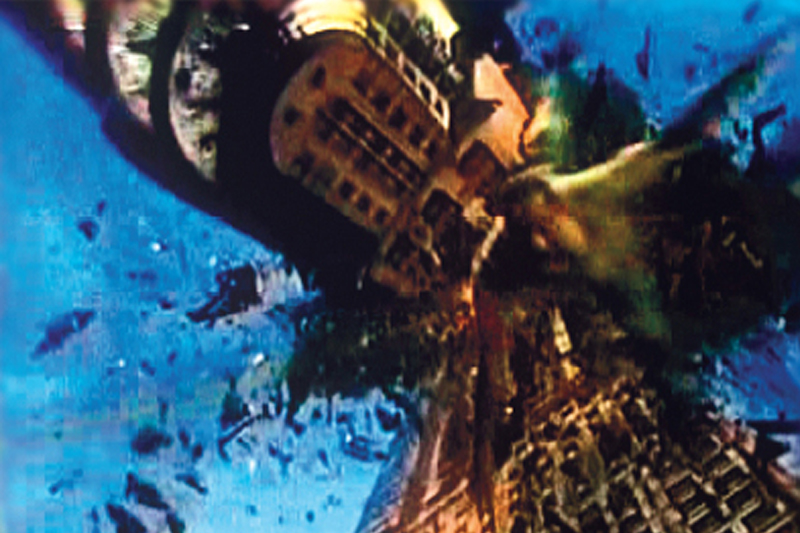
2005–2008, First part of The Liminal Space Trilogy, 4K video, 4:13 (fragment), colour, sound
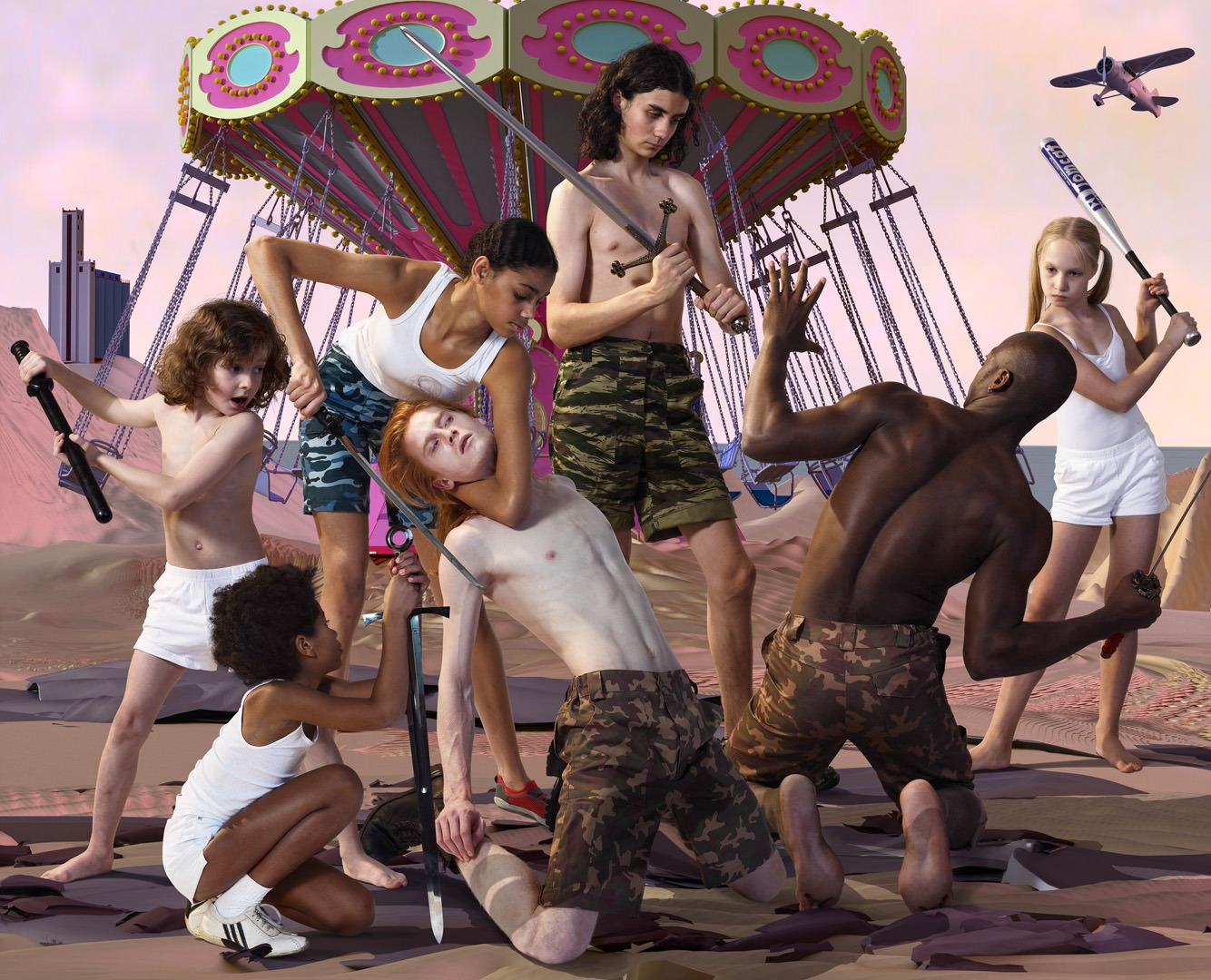
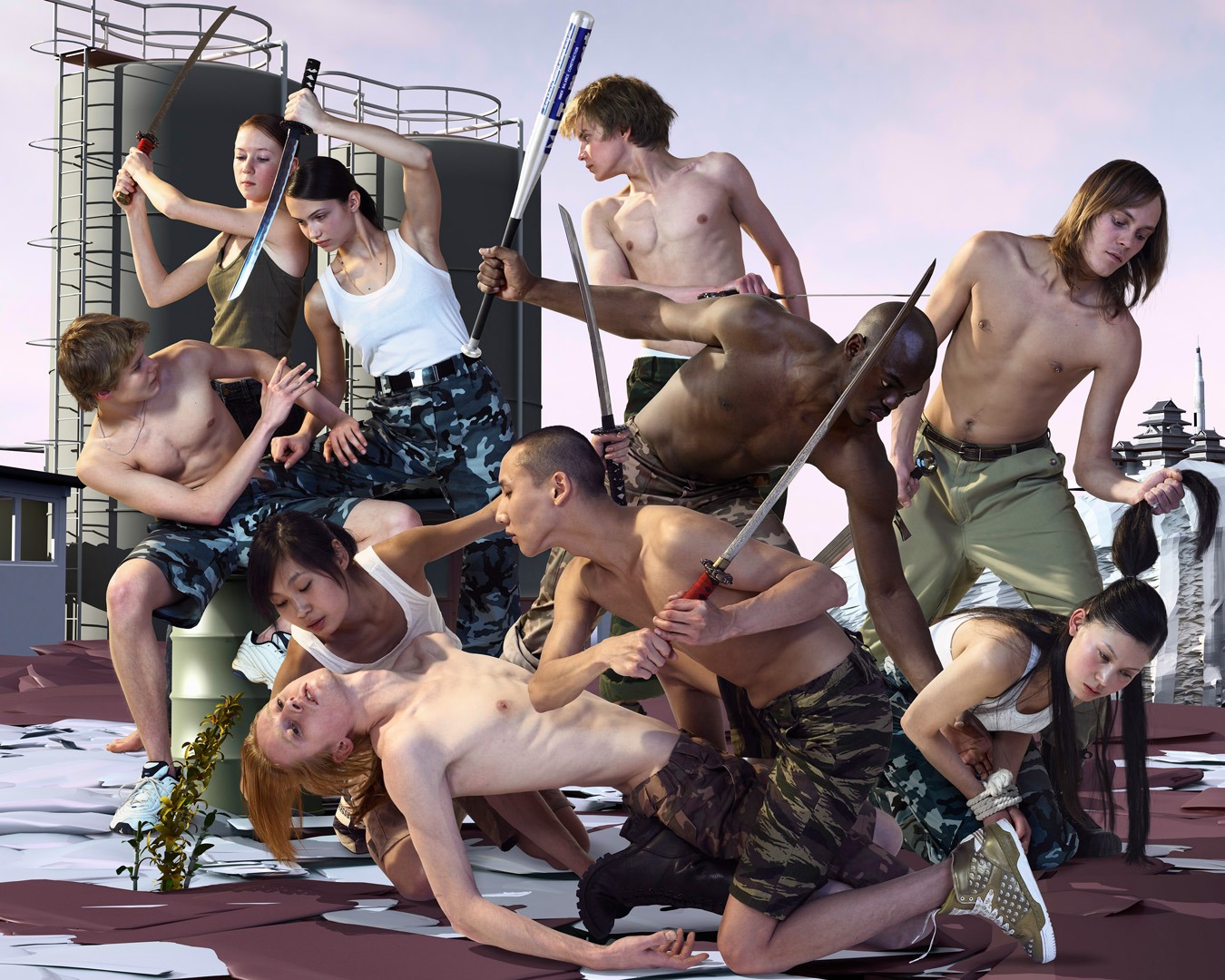
Last Riot is a reflection on the exponential growth of virtuality at the end of the twentieth and beginning of the twenty-first centuries, on the disassociation between real violence and its representation in media, and on humanity’s perpetual drive toward total destruction, always thwarted by its near-comical inability to achieve it. Last Riot depicts a world of endless strife and conflict, its young, androgynous inhabitants having shed their identities in a fight against both the self and the Other. As in a video game, the protagonists of Last Riot are unable to die while everything else is destroyed around them—there is no longer any history, ideology, or ethics, only the all-consuming Riot.
Last Riot consists of a video installation in 3 – and single-channel versions, as well as a series of 26 digital collages in various formats and scale: 4 panoramas that form a single ultra-wide image, 16 tondos, and 6 landscape tableaux reminiscent of history painting. The project later came to include a series of stills from the video as pigment prints, as well as a group of life-sized sculptural compositions in aluminum finished with white car paint (modeling by Alexey Shpakovsky). Taking visual cues in equal parts from Caravaggio, Deyneka, Calvin Klein, and America’s Army, among other sources, the video installation is also accompanied by a soundscape consisting of fragments from Wagner’s Die Walküre and Götterdämmerung, the sound of Japanese Gaku drums, and samples from a track by Osaka Bondage, an experimental 1990s French band. This video installation also marked the first time that the artists used their now-signature technique of algorithmic animation (or morphing) of photographs to render the haunting, alienated movements of their subjects.
The Last Riot project began in 2005 as a thematic successor to Action Half-Life, with digital collages depicting a bloodless battle royale among young adults, adolescents, and children set in a hellish virtual landscape spanning from a desert beach to a snow-capped volcano, populated by scattered structures and machinery from disparate time periods. The project first consisted of just two panoramic pigment prints that were shown at Invasion, a special project of the First Moscow Biennale in 2005, and at ARS 06. Sense of the Real at the Kiasma Museum of Contemporary Art in Helsinki in 2006. Then they were completely reworked and became part of a single ultra-wide digital collage consisting of four individual panoramas, exhibited at the 10th Istanbul Biennial in 2007. From 2005 to 2007, a total of 26 prints of different sizes and formats were created under the title Last Riot 2, analogous to the reversed sequential logic of Action Half-Life and George Lucas’s Star Wars, which served as the original inspiration for the former. The prints of Last Riot 2 were followed by a video installation, Last Riot, which premiered at the Russian Pavilion of the 2007 Venice Biennale, completing the first part of The Liminal Space Trilogy, and subsequently appearing in the group’s 2007 retrospective in St. Petersburg and the survey exhibition of the Trilogy at Moscow’s Central Exhibition Hall “Manege” and the Martin-Gropius-Bau in Berlin in 2012. Since its premiere, Last Riot has been shown in various configurations at numerous museums and festivals around the world, including Tate Britain (2007), the Tel Aviv Museum of Art (2008), the Taiwan Museum of Fine Arts in Taipei (2009), the Museum of Contemporary Art in Tokyo (2010), the FotoFest in Houston, Texas (2012), the Leeum Samsung Museum of Art in Seoul (2013), the Garage Museum of Contemporary Art in Moscow (2014), the Albright-Knox Art Gallery in Buffalo, New York (2015), the Haus der Elektronischen Künste in Basel, Switzerland (2017), the Perth Institute of Contemporary Art in Australia (2018), and others.
Inverso Mundus
2015–ongoing, 4K video, 3:31 (fragment), colour, sound
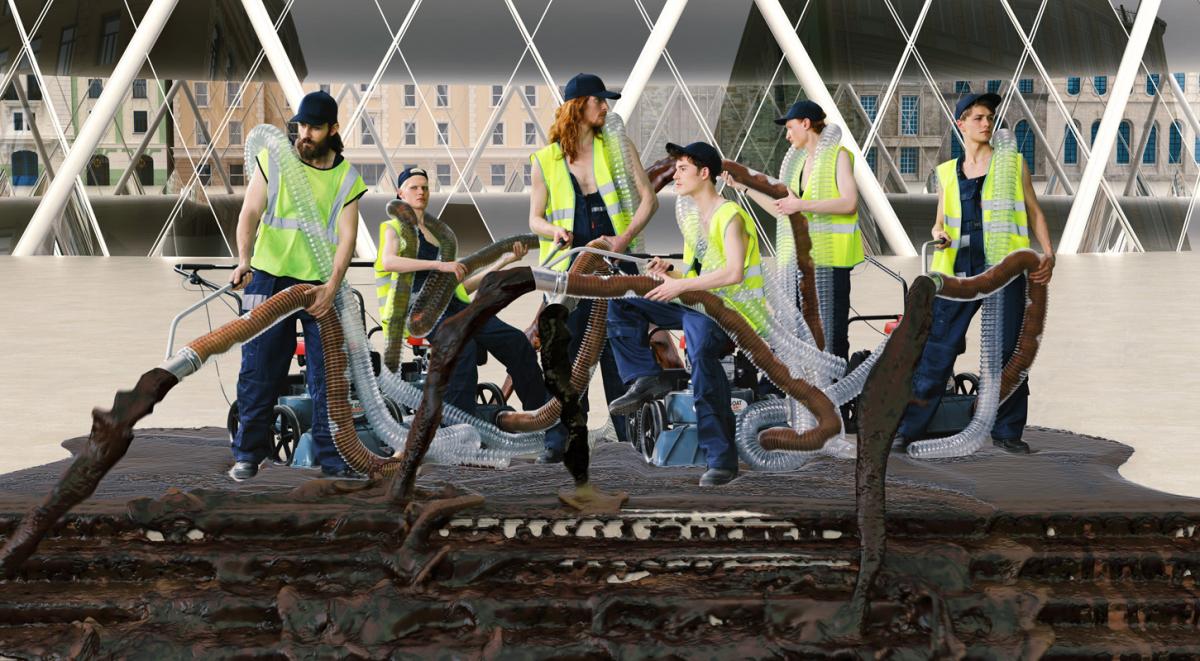
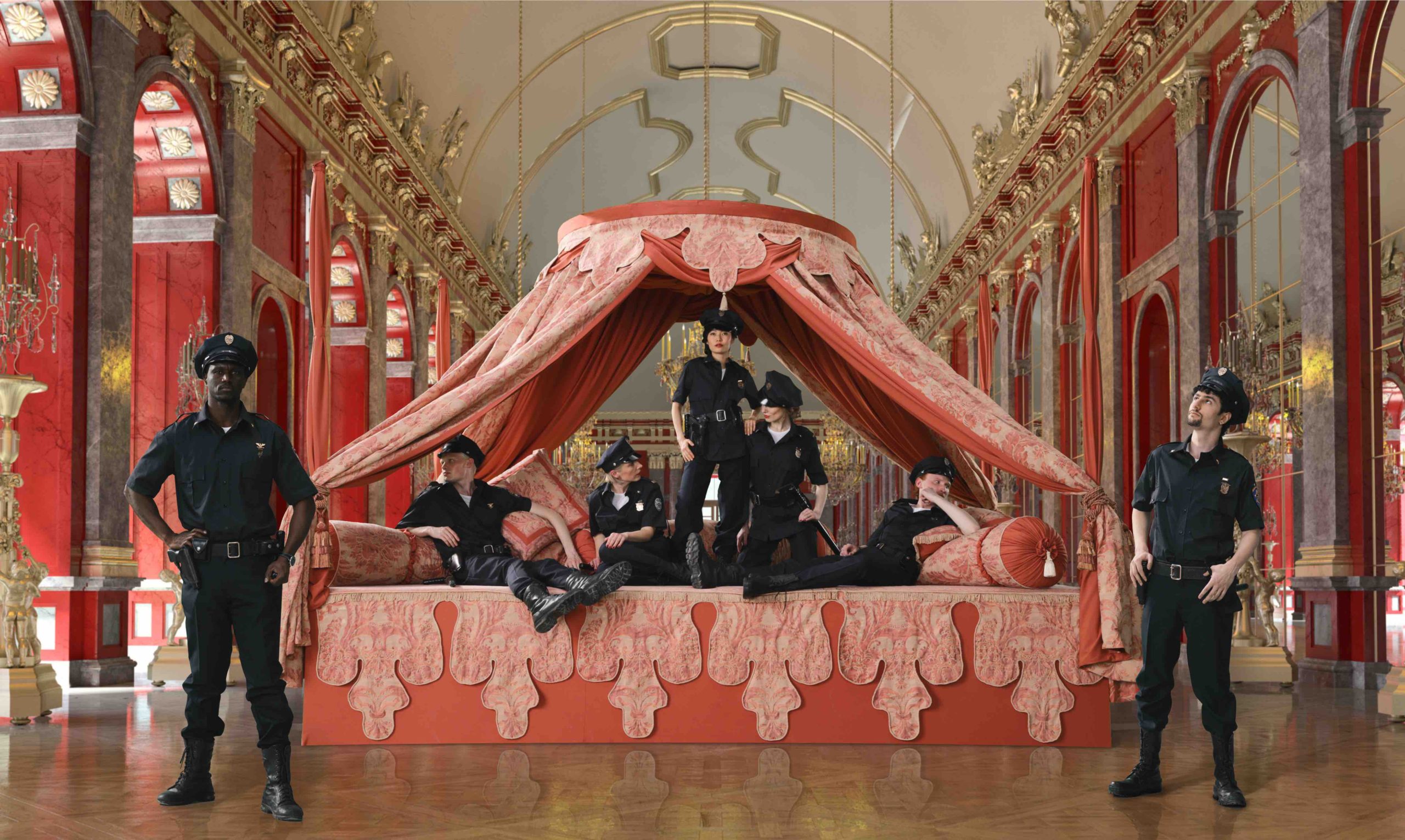
Inverso Mundus takes as its initial reference point the sixteenth-century carnivalesque engravings in the genre of “world upside down,” an early form of populist social critique that emerged with the advent of the Gutenberg press. The project’s title intermingles ancient Italian and Latin, based on a century-old layering of meaning, combining inverso, the Italian “reverse” and old Italian “poetry,” with Latin mundus, meaning “world.” Inverso Mundus reinterprets contemporary life through the tradition of engraving, depicting a contemporary world consumed by a tragicomic apocalypse whereby social conventions are inverted to highlight the underlying premises that we always take for granted. Metrosexual garbage collectors douse the streets in sewage and refuse. An international board of directors is usurped by their impoverished doppelgangers. The poor give alms to the rich. Chimeras descend from the sky to be caressed like domestic pets. A pig guts a butcher. Women clad in cocktail dresses sensually torture men in cages and on devices styled after IKEA furniture in an ironic reversal of the Inquisition. Preteens and octogenarians fight a kickboxing match. Riot police embrace protesters in an orgy on a massive luxurious bed. Men and women carry donkeys on their backs, and virus-like Radiolaria from Haeckel’s illustrations loom over and settle on oblivious people occupied with taking selfies.
The soundtrack of the video is an amalgamation of Léon Boëllmann’s 1895 Suite Gothique, an original piece by contemporary composer and media-artist Dmitry Morozov (aka VTOL), along with excerpts from Ravel, Liszt, Mozart, and Tchaikovsky, with a particular emphasis on “Casta Diva” from Vincenzo Bellini’s Norma.
The video work premiered as a 7-channel, 40-meter-long video installation in the former Venice salt warehouses as a collateral event of the 56th Biennale in 2015, with a participatory performance staged at the opening of the exhibition featuring actors dressed as “Inverso Mundus Police” lounging on the giant bed with Fortuny fabrics from the video and beckoning visitors to join them. The video installation was subsequently shown in its single-channel, 3- or 7-channel versions at the 6th Moscow Biennale (2015), the Kochi-Muziris Biennial (2016), the National Gallery of Australia (2017), and the 1st Bangkok Biennial (2018), among other venues. Other works in the project include a series of monumental digital collages, a series of oil paintings, colored pencil drawings, and the torture devices from the video as stand-alone sculptural objects. The objects, drawings, and paintings were first exhibited at Moscow’s Triumph Gallery in 2015 as a special project of the 6th Moscow Biennale.
First formed as AES Group in 1987 by Arzamasova, Evzovich, and Svyatsky, the collective became AES+F when Fridkes joined in 1995. AES+F work at the intersection of traditional media, photography, video and digital technologies. They define their practice as a kind of “social psychoanalysis” through which they reveal and explore the values, vices and conflicts of contemporary global culture.
AES+F achieved worldwide recognition and acclaim in the Russian Pavilion at the 52nd Biennale di Venezia in 2007 with their provocative, other-worldly Last Riot (2007), the first in a trio of large-scale, multichannel video installations of striking originality that have come to define both the AES+F aesthetic and the cutting edge of the medium’s capacities. The second of the series, The Feast of Trimalchio (2009), appeared in Venice in 2009, and the third, Allegoria Sacra (2011), debuted at the 4th Moscow Biennale in 2011.
United as The Liminal Space Trilogy, this tour-de-force series was premiered in September 2012 at the Martin-Gropius-Bau, Berlin, and the Moscow Manege, and has since been shown on many occasions at various museums and festivals. In 2015, AES+F premiered Inverso Mundus at the 56th Biennale di Venezia. Inverso Mundus was later shown at the Kochi-Muziris Biennial and a number of other museums and festivals all over the world.
The group had more than 100 solo exhibitions at museums, exhibition spaces, and commercial galleries worldwide. AES+F works have been shown in such prestigious venues as the ZKM (Karlsruhe), HAM (Helsinki), Moderna Museet (Stockholm), Tate Britain (London), MAXXI and MACRO Future (Rome), Centre Pompidou (Paris), Museo Thyssen-Bornemisza (Madrid), Today Art Museum (Beijing), Mori Art Museum (Tokyo), Leeum Samsung Museum of Art (Seoul), The State Russian Museum (St. Petersburg), Garage Museum of Contemporary Art (Moscow), National Gallery of Australia (Canberra), Faena Art Center (Buenos Aires), and many others.
We Own the Futures
2025, 4K video, 1:30, colour, sound
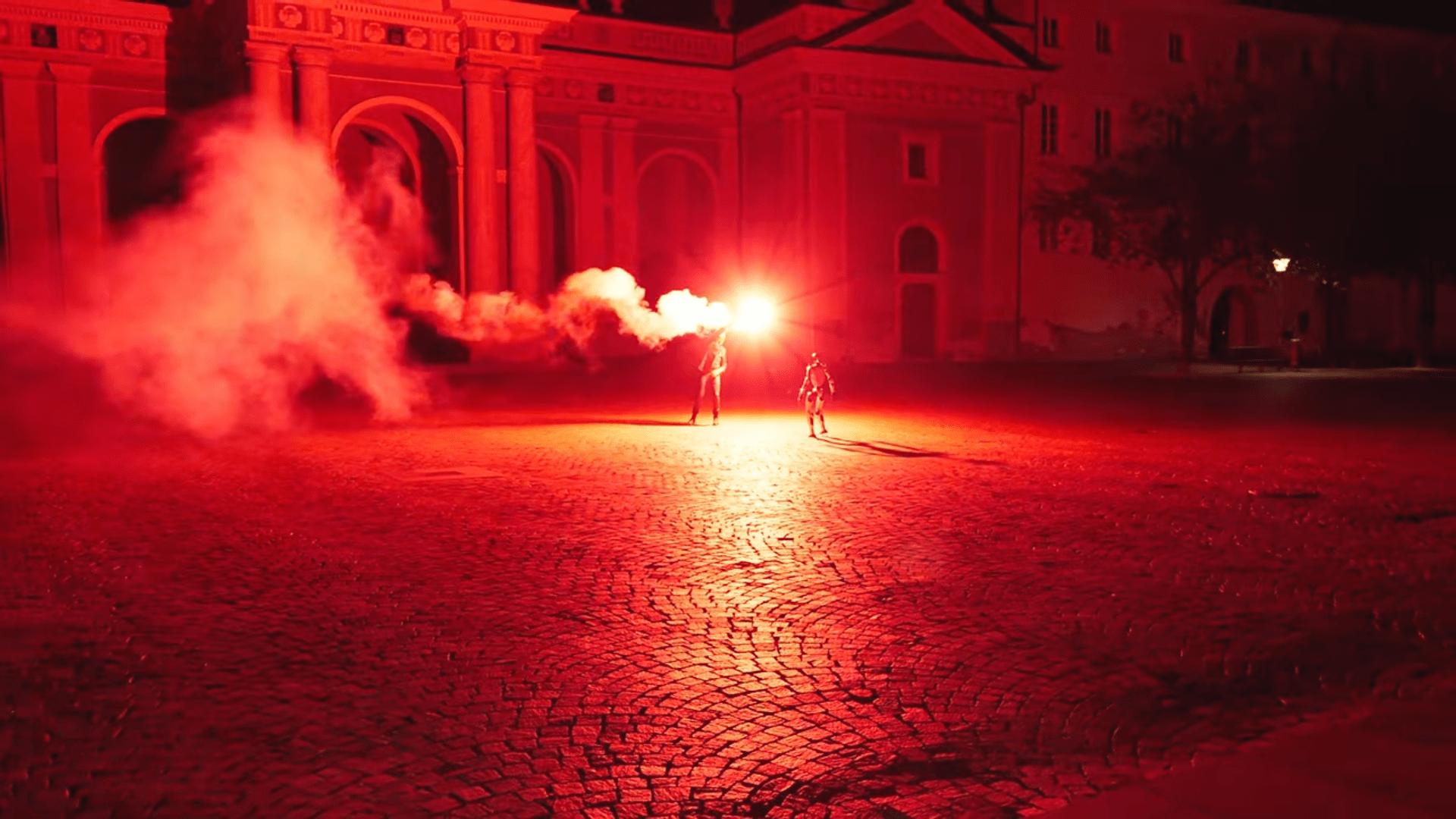
THE DAY OF LIGHT: At the stroke of midnight marking the start of the UN International Day of Light, the Italian city of Brixen (Bressanone) in South Tyrol witnessed a striking artistic performance. A series of SOS torches was ignited by renowned Italian artist Stefano Cagol, symbolizing a global call to give attention to the future relationship between robot and human.
“I think in this case, International Day of Light is giving us a big big eye opener for, an issue, what is coming in the next years.” says Werner Zanotti, Curator. In a bold gesture, Cagol invited a humanoid robot to join him in his signature SOS torch performance, held in front of Brixen’s grand cathedral. The piece, titled “We Own the Futures,” explored the evolving relationship between humans and intelligent machines.
“So with the robot, I will share my time, my space,” says Stefano Cagol, Artist.
“We have this kind of technological revolution”, continued Stefano Cagol, Artist. “So we need to face it. We need to think about it. We need to balance.”
At a time when humanity is rapidly reshaping its relationship with technology, the new Pope Leo XIV recently addressed the role of artificial intelligence, emphasizing both its risks and transformative potential.
“They’re going to change the whole life on Earth. I don’t think we know what’s coming in the next years. So this is a dystopic moment, and I think Stefano’s artwork is very important — exactly now”, ends Werner Zanotti, Curator.
The performance visualized both the possibilities and the uncertainties of the relationship and how the future will be shared. Surrounded by SOS firelight and a glowing red atmosphere, the performance ended with Cagol and the robot gazing up at the Sun, as footage from NASA was projected onto the cathedral looking at the “futures” together.
“We will have a kind of mystical ceremony with fire, with a circle of light. We will look at the sun, the stars — in a kind of message of hope and peace.”
says Stefano Cagol.
The torches, visible up to 10 kilometers (6.2 miles) from the Cathedral Square (Piazza Duomo), lit up the historic center of Brixen/Bressanone in a spectacle of red light.
– Stefano Cagol & brixen.org. 16 mag 2025
Stefano Cagol (born 1969 in Trento) graduated from the Accademia di Brera in Milan and received a post-doctoral fellowship at Ryerson University in Toronto. His works, often multi-form and multi-sited, reflect on the issues of nowadays, from borders to viruses, to ecological issues and human interference upon nature. He is the recipient of prestigious awards including: the Italian Council (2019); the Visit of Innogy Stiftung (2014); and Terna Prize for Contemporary Art (2009). He participated in numerous international Biennales, including: 14th Curitiba Biennial, Brazil (2019-20); OFF Biennale Cairo, Egypt (2018); Manifesta 11, Zurich, Switzerland, (2016); and the 2nd Xinjiang Biennale, China (2014); 55th Venice Biennale, Venice, Italy (2013) invited by the Maldives Pavilion; 54th Venice Biennale, Venice, Italy (2011) with a solo collateral event; 4th Berlin Biennale, Germany (2006); 1st Singapore Biennale, Singapore (2006).
Cagol has held solo exhibitions at: CCA Center for Contemporary Art Tel Aviv, Israel; MA*GA Museum, Italy; at MARTa, Herford, Germany; CLB Berlin, Germany; ZKM Karlsruhe, Germany; MAXXI Museum in Rome, Italy; Madre, Naples, Italy; Museion in Bolzano, Italy; Kunsthalle St. Gallen, Switzerland; Museum Folkwang in Essen, amongst many others. Much of his work is created in the context of international residencies and fellowships, including: Italian Council, MOMENTUM AiR, Berlin, Germany (2019-20); Cambridge Sustainability Residency, Cambridge, UK (2016); RWE Foundation, MOMENTUM AiR, Berlin, Germany (2015); Air Bergen, Bergen, Norway (2014); Vir-Viafarini-in-Residence, Milan, Italy (2013); BAR International, Kirkenes, Norway (2010); International Studio and Curatorial Program ISCP, New York, USA (2010); International Center of Photography, New York, USA (2001).His last participations include Noor Riyadh 2024 and the publication Climate Crisis and Cultural Loss edited by Ute Meta Bauer, and Timothy Morton wrote for the book devoted to his last project We Are the Flood.
I Have
2017, 4:17, colour, sound
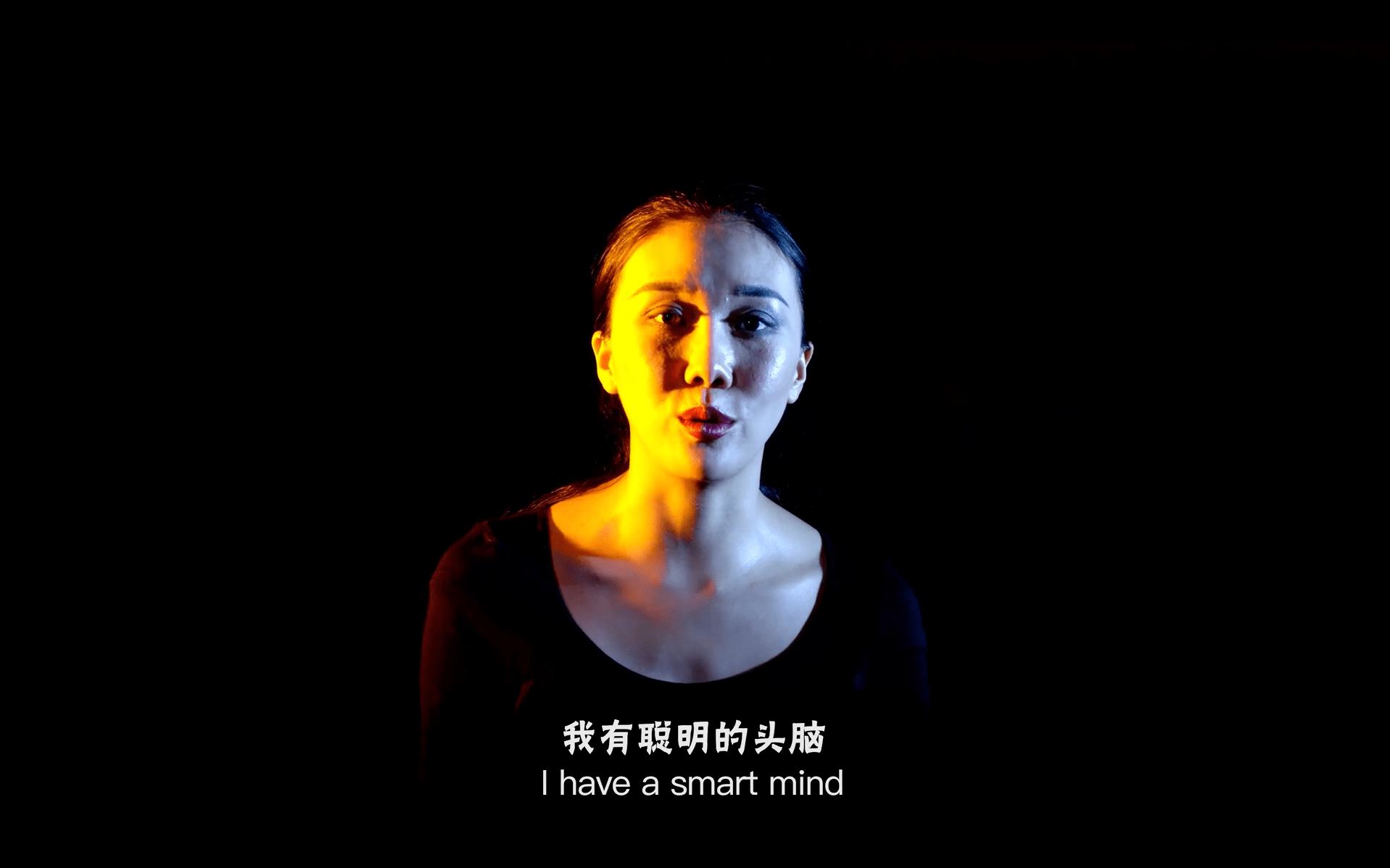
In this work, people first hear its voice then see its person. Following the voice,a face bigger than the original appeared in a huge TV screen. Without modesty and elegance of traditional women, the artist stating her ‘confidence’ and ‘pride’ with forty sentences starting from the term ‘I have’. It sounds like the protagonist is facing others with endlessly self praising and boasting. The forty statements are all advocated by the mainstream values and socialized ideologies ,and were told one by one seriously in chronological order of her growing up. These forty statements (by the end of 2017)come from the actual accomplishments of the artist. (For example, “I have two sons,which is advocated in Chinese tradition; For example, the beauty supremacy advocated by people“I have an hourglass waist”, A reverence for honor, academic rank, and power“I will be featured in Kassel Documenta and the Venic Biennale” ,For example, she boldly and predictably said, “I will be one of China’s most representative artists, I will have everything the artist already has and wants to have.” etc.)What exactly is “I Have”? Having the so-called “everything” in the world, As for I have” happiness”or not, who cares?
The sharp voice of the artist occupies the whole showroom where audiences are unavoidably surrounded by it in every corner. Vocal and languages penetrate into viewers’ ears and minds.
No matter your identity and status, there is always a sentence that will pierce your heart. Some people feel“green with envy”or generate their self-reflection of values and beliefs, or appreciation and adoration towards the female’s braveness,or criticizing the truthfulness of each sentence. Meanwhile, for visitors who are truly wealthy and successful, this could also be considered as an “Announcement”of poverty and cowardness. The”she”who is talking in the video may plays a puppet confined in crowd ideologies and common values.
Fountain
2015, 11:10, colour, sound
At the end of 2014, I reached a pivotal turning point in my life—I became a mother. My body underwent miraculous changes, beginning to produce a ceaseless flow of breast milk. Throughout the ensuing lactation period, mastitis struck frequently, and the clogged milk ducts brought me high fevers and unbearable pain, etching memories of agony into my flesh. To relieve the suffering, I had to express the stagnant milk trapped inside my body. Outside my body, I re-encountered the very substance that had once been lodged within me, causing such torment. Though it brought me pain, it also nourished my child, supplying life-sustaining energy—breast milk became a wondrous substance I both loved and resented. Thus, in the midst of battling this pain, I acutely sensed that my body at that moment was brimming with boundless life force and explosive power. For the first time, I marveled at the sheer intensity of energy and dynamism my body harbored.
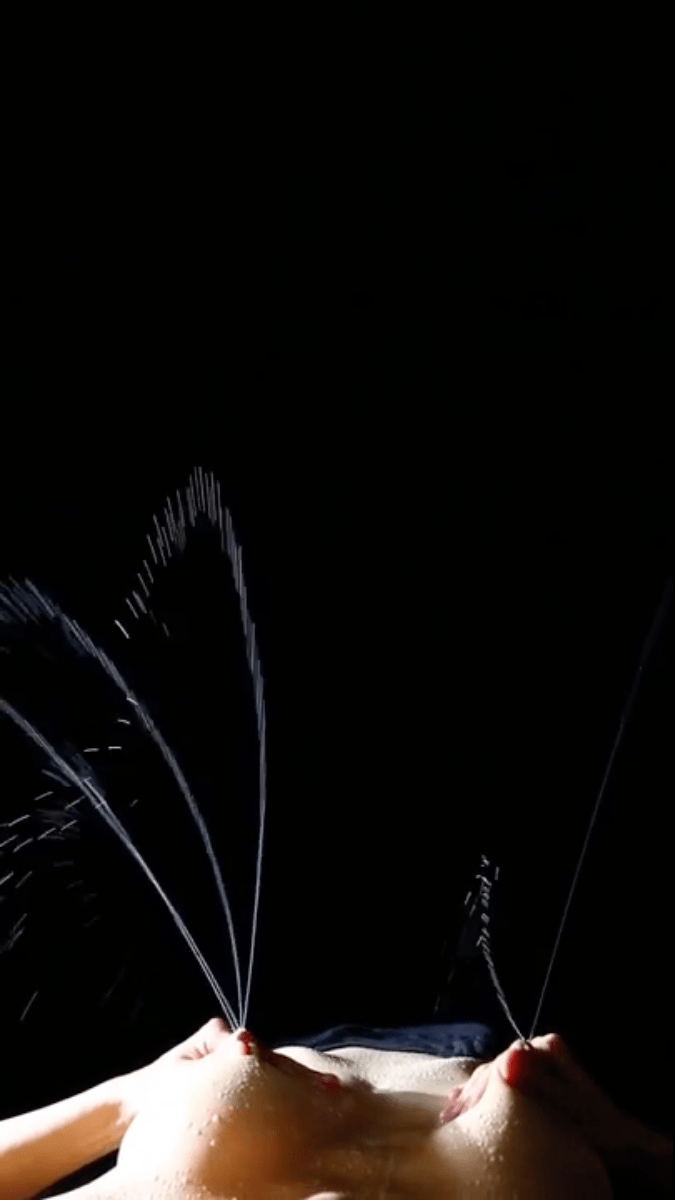
When I lay on my back and squeezed those two overfilled “water balloons,” scorching milk, under tremendous pressure, erupted from the volcanic craters of my body. Like a millennia-sealed spring suddenly unleashed, it shot jubilantly into the air, forming several gleaming arcs that soared over 2.5 meters high before transforming into a cascade of icy white arrows. They rained down at free-fall speed, striking my chest and splashing into my eyes. I couldn’t open them—tears mingled with milk as they spilled out. And I knew it was a liquid fusion of pain and overwhelming emotion, because in that instant, I realized the “Fountain” had emerged naturally from my body. Through the misty, milky haze, I saw my body gradually morphing into a monument of a fountain, one imbued with masculine vitality. My body was a vessel of life and creativity, while the pure white milk carved into it the memories of love and anguish. I understood then that this spectacular phenomenon of the human body was more real than any fountain I’d seen in European plazas—it was the most primal, virile fountain of life, surging from within a woman’s body. I became enthralled by this miraculous body and felt an urgent desire to transform and express this sensation. I knew that heaven, even as it delivered this pain, had also handed me a gift. A great work was taking shape in my mind, one I was compelled to create—and so Fountain was born.
Choosing the compositional angle was paramount. Should the milk spray upward, downward, or straight ahead? When my supine body became both pool and altar, and the milk shot vertically into the sky, the tension of the body was perfectly captured—a breathing, aching monument of a fountain emerged. Under Caravaggio-esque chiaroscuro, the grainy details blurred, leaving the white milk starkly visible. The specifics of the two breasts faded away, replaced by a breathtaking landscape in the frame: two towering active volcanoes spewing milky-white lava.
For this work, “Fountain” is a name that transcends perfection — it is minimalist yet potent, a tribute to maternal love, a celebration of life, a testament to the body’s immense creative power, and an ode to human creativity. It also rekindles a dialogue with art history — from Fountain to Fountain: French Neoclassicist Ingres “The Source” (1856), which planted the seed of orthodoxy in public consciousness, to Dadaist Duchamp’s rebellious urinal Fountain (1917), to Bruce Nauman’s Self-Portrait as a Fountain (1966). This 160-year river of art history finally welcomed, in 2015, a radical new interpretation by a female artist. Fountain (2015) is no longer just my personal narrative — it belongs to all who have ever nurtured life, a shared tsunami and epic of existence. Reimagined through a contemporary, new-media, female lens, this leap forward exhilarated me beyond measure.
Returning to Fountain on the screen, the 11-minute piece gradually draws to a close. The once-full breasts now run dry, the faint blue veins beneath the skin like exposed roots in parched earth. Beyond the beauty and pain of the imagery lingers a sorrow for life itself. Yet those radiant arcs that once glittered in the air never truly vanish—they have already seeped into the pupils of every viewer, rising like a tide in their minds.
CAO Yu received her BFA & MA from the Sculpture Department of the Central Academy of Fine Arts, Beijing. Her sharp, provocative work spans video, performance, photography, installation, sculpture, and painting. Her interdisciplinary work is at once conceptual, subtly feminist, slightly surreal, deconstructed autobiography, minimalist yet often over the top. At the centre of her practice is her own body as both subject and tool. From the raw intensity of works made with her breast-milk after childbirth, to her neon and video declarations of desire and defiance, Cao Yu joyfully upends expectations and societal taboos. Irony and performance remain her hallmarks: through both gestures and grand visual statements, she wields art as a weapon to challenge “inferior values, aesthetics, and culture”. Cao Yu’s vision is as uncompromising as it is layered: she elevates the female body and lived experience as a front line to question gender norms, identity politics, power, and historical memory. Her incisive and bold artistic language, distinctive cross-disciplinary practice, witty and ironic expression have made her a leading figure of China’s new generation of female artists. She has also been recognized as one of the most influential emerging artists in the Chinese contemporary art scene. Cao Yu is a nominee of the Porsche Young Artist of the Year 2024 award. She has been shortlisted for The Sovereign Asia Art Prize in 2023, amongst many other awards, and has been selected as the candidate of Forbes China Most Influential Young Artist in 2023. In 2022, Cao Yu was ranked No.1 by Hi Art – The Most Influential Female Artist in China. Her works have also been collected by museums such as: M+ Museum, Hong Kong; Erlenmeyer Foundation, Basel, Switzerland; Sishang Art Museum, Beijing; CAFA Art Museum, Beijing, and and the Zhuzhong Art Museum, Beijing.
A selection of her major museum exhibitions worldwide include: The Tanks Museum Shanghai (2024); One Art Museum Beijing (2024); Shanghai Jiushi Art Museum, Shanghai, China (2024); Jinyue Children’s Art Museum, Chengdu, China (2024); ASE Foundation, Shanghai, China (2024); Goethe Institut, Beijing, China (2024); Museum der Moderne Salzburg Austria (2023); Wuhan Art Museum China (2023); The Cloud Collection, Nanjing, China (2023); ONGEUN Art and Cultural Foundation, Seoul, Korea (2023); Shenzhen Artron Art Center, Shenzhen, China (2023); Guardian Art Center, Beijing, China (2023); The 7th Guangzhou Triennial, Symphony of All the Changes, Guangzhou Academy of Fine Arts, Guangzhou, China (2022); Kunstmuseum Wolfsburg, Germany (2022); Lillehammer Art Museum, Norway (2022); Kunstforeningen Gammel Strand, Copenhagen, Denmark (2022); Ulsan Art Museum, South Korea (2022); Shanghai DuoLun Museum of Modern Art, Shanghai, China (2021); Shanghai Gallery of Art, Shanghai, China (2021); Shenzhen Artron Art Cenrer, Shenzhen, China (2021); Today Art Museum, Beijing, China (2021); Museum of Contemporary Art Yinchuan, Yinchuan, China (2021); Hive Center for Contemporary Art, Beijing, China (2020); MAK Museum für Angewandte Kunst, Vienna, Austria (2019); Minsheng Art Museum, Beijing, China (2018); Zhuzhong Art Museum, Beijing, China (2018); Museum of Sichuan Fine Arts Institute, Chongqing Contemporary Art Center, Chongqing, China (2018); Tongsha Ecological Park, Dongguan, China (2018); Artspace, Sydney, Australia (2017); Sishang Art Museum, Beijing, China (2017); Palais de Tokyo, Paris, France (2016); Today Art Museum, Beijing, China (2016); Jinji Lake Art Museum, Suzhou, China (2016); Luohu Art Museum, Shenzhen, China (2016); The 1st Daojiao New New Art Fesrival, XI Contemporary Art Center, Dongguan, China (2016); OCT Art and Design Gallery, Shenzhen, China (2016); Ming Contemporary Art Museum, Shanghai, China (2016), among many others.
One Sound of the Futures–Taipei
2019, 9:29, colour, sound
By collectively shaping One Sound of the Futures, every participant becomes part of the work. With the form of the performance serving as a metaphor monuments in public sites, the artist employs the conceptual purport of contemporary art to give the public a chance to talk about historical memories of the future instead of creating an authoritarian, permanent monument. The work transforms hundreds of participants into standing, speaking sculptures and enables people in a time with uncertain political scenes to express their different voices in a stringent form at the same time, interweaving diverse times and voices into an ultimate, intangible moment resounded in a spoken yet indefinable noise that speaks about individual visions of the future.
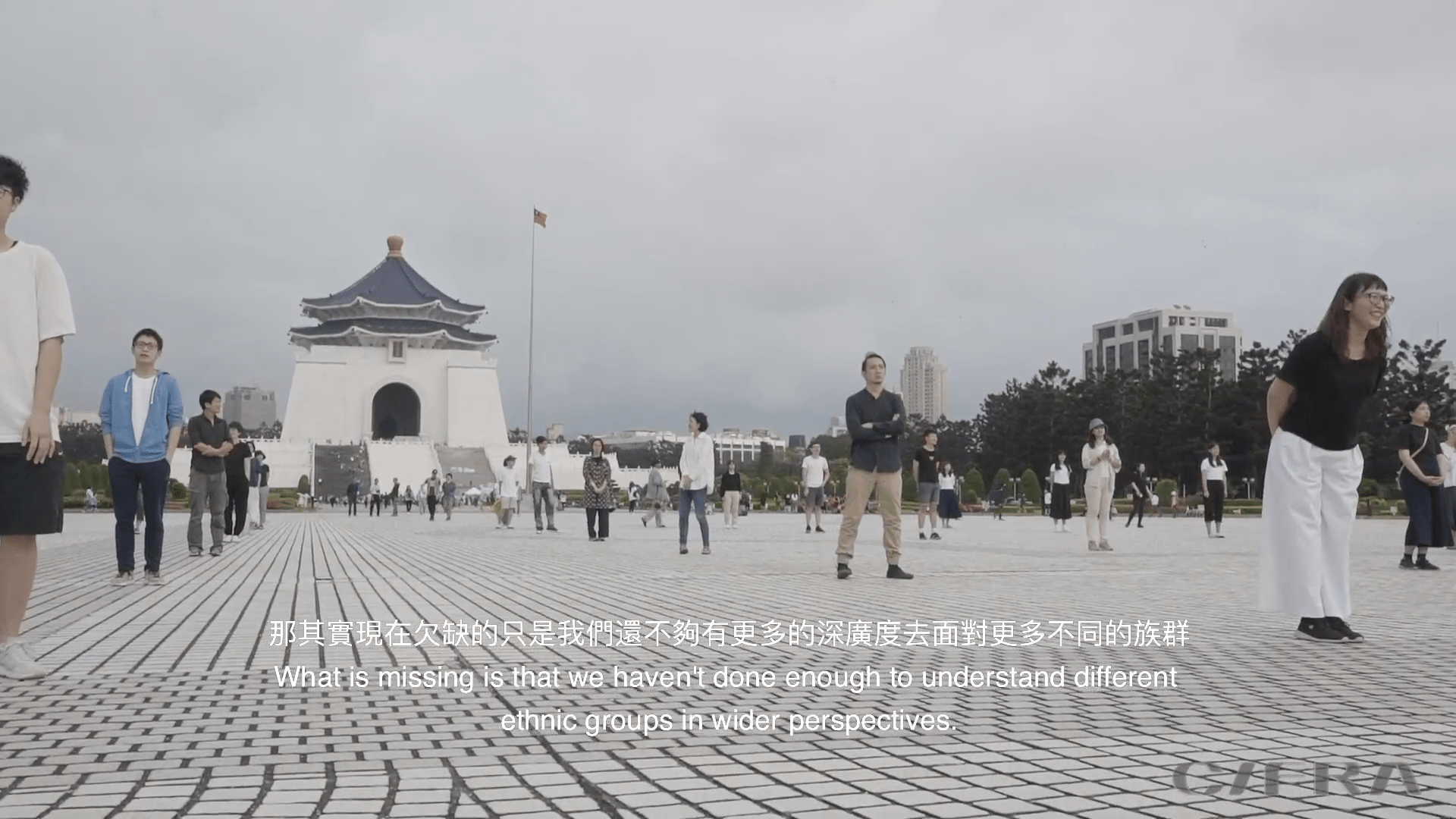
Isaac Chong Wai (b. 1990 in Hong Kong) is a Berlin-Hong Kong artist using glass, drawing, photography, video and performance as mediators to investigate contemporary global phenomena. His work transforms the emotions, tensions, and memories from human interactions into performative materiality and immersive experiences. Treading the line between the individual and the collective, he examines the vulnerability of the body and the inherent violence within social systems and historical traumas and imagines alternative microcosms of human relationality.
Chong was a participating artist in the 60th Venice Biennale, Foreigners Everywhere, curated by Adriano Pedrosa. His works are featured in notable collections including Hamburger Bahnhof – Nationalgalerie der Gegenwart, Berlin; Kadist, Paris and San Francisco; Sunpride Collection and Burger Collection, Hong Kong.
His works have gained recognition at prominent venues, including the Biennale of Videobrasil, São Paulo; Bundeskunsthalle Bonn; MMCA, Seoul; IFFR, Rotterdam; MOCA Taipei; and M+, Hong Kong.
He received the New York Désirée & Hans Michael Jebsen Fellowship from the Asian Cultural Council and is a fellow of the Kulturakademie Tarabya. In 2024, he was selected as one of the TOP 100 most important cultural figures in Berlin by Tagesspiegel.
Transmission
Online Live Videoperformance
Presented in the Frame of Artists at Work with Nezaket Ekici,
Transmission on Instagram Live, October 13, 2020
ISCP New York International Studio & Curatorial Program
4:00, colour, sound
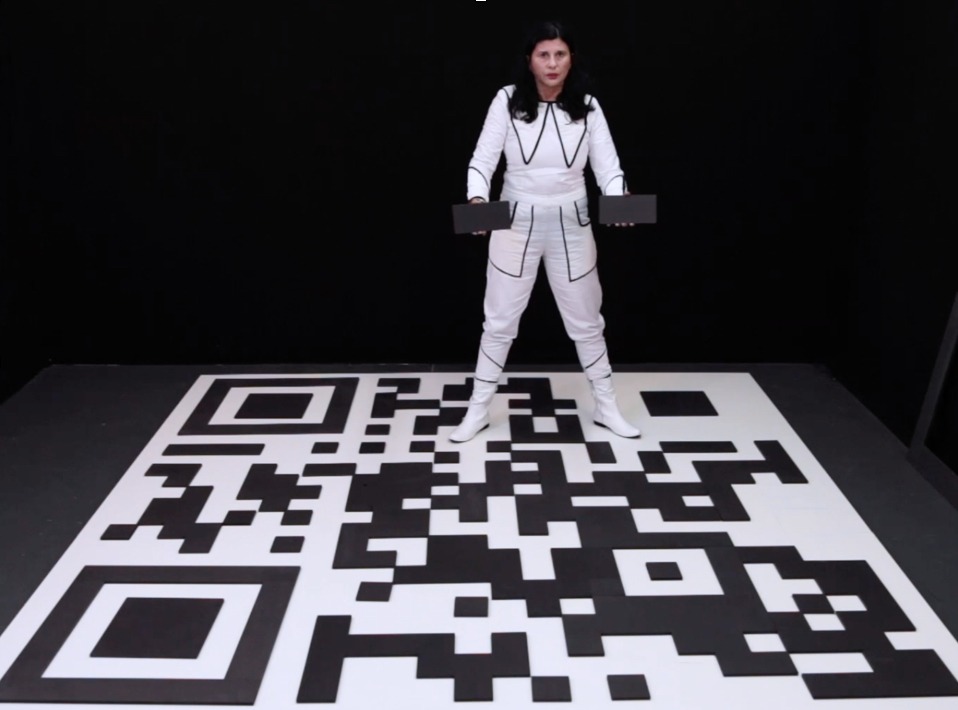
In the live online performance Transmission, Ekici explores the QR code as a symbol of the Internet age, aiming to bridge the real and virtual worlds. She uses the distinctive pattern of a QR code, a 2D graphic developed in 1994 by Masahiro Hara in Japan, designed to provide quick access to digital content such as text, photos, videos or music. In her performance, she arranges various black sculptural objects on a white platform to form a 2 × 2 meter floor installation—an oversized QR code. For a brief moment, she brings the code’s abstract digital structure into the physical world. By treating the graphic components as 3D sculptural elements, the virtual becomes tangible. At first glance, the individual forms appear as simple geometric shapes, but together they become a complex, machine-readable pattern. Every link on the Internet remains within the digital realm, referring only to other online content—making each link inherently self-referential. She symbolizes this concept with the link she creates for the audience: viewers can scan the completed QR code with their smartphones and watch the linked video. In this way, at the end of her performance, Ekici returns the audience to the virtual world.
– Dr. Andreas Dammertz
But All That Glitters Is Not Gold
Videoperformance, 2014, 8:50, colour, sound
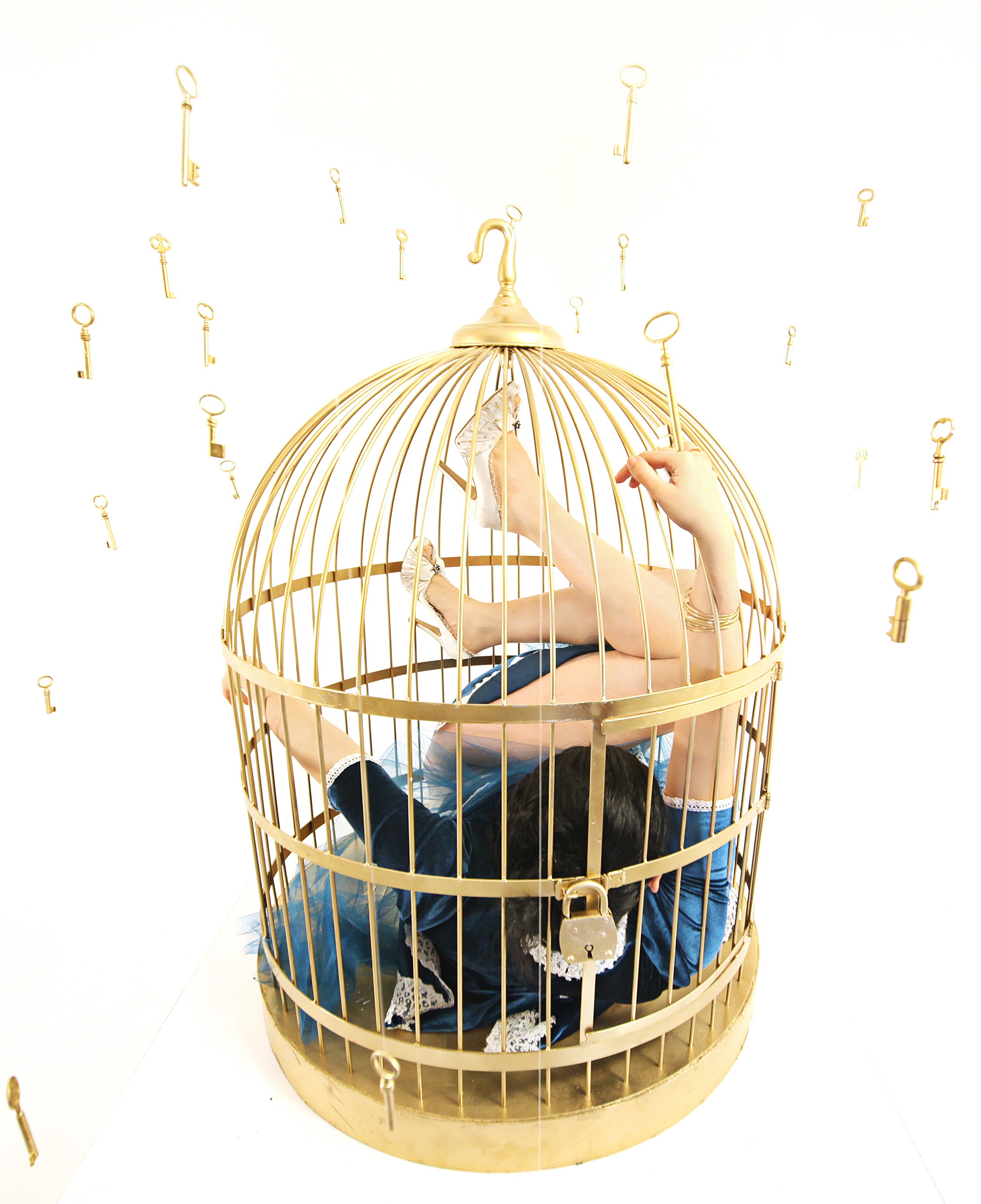
The video performance shows Ekici confining herself in a golden cage, with 30 golden keys hanging above the cage. She tries to stretch her hand and arm through the bars to grab the nearest key in order to open the door and liberate herself from the cage. What starts like an easy game becomes oppressing as time passes by. She barely moves her arms and hardly reaches out through the grid. Her breathing gets heavier with each attempt; yet, she tries her luck with one key after the other until she finds the right one to escape her self-chosen destiny. Since the ancient times, the golden cage has been one of the symbols of self-inflicted confinement and imprisonment. Similarly, cities – and entire countries as well – can be compared to a golden cage. The golden cage in this performance is used to express the feelings of one’s confinement and suppression.
Ekici developed this work during her stay in the Culture Academy Villa Tarabya, Istanbul, within her residence scholarship, between December 2013 and September 2014.
Nezaket Ekici (born 1970 in Kırşehir, Turkey), lives and works in Berlin and Stuttgart. At the age of three, she emigrates to Germany with her family. She studied sculpture at the Academy of Fine Arts in Munich and earned a master’s degree in art education at the Ludwig-Maximilians University in Munich. At the Hochschule für Bildende Künste Braunschweig she was a master student of Marina Abramovic in the field of performance (MFA Degree and Meisterschülerin, 2004).
She presented more than 300 different performances and installations in more than 70 countries on four continents, in more than 180 cities, in museums, galleries and biennials. In 2013/2014, she was a fellow at the Tarabya Cultural Academy in Istanbul for 10 months. In 2016/17, Ekici had received the Rome Prize of the German Academy Rome Villa Massimo for 10 months. In 2018, she received the Paula Modersohn-Becker Art Prize. In 2020, she received the Cultural Exchange Fellowship of the State of Berlin – Visual Arts: ISCP New York. She was in the Artist in Residency Program Operndorf Afrika Schlingensief in Burkina Faso (2012/22) for 2,5 months. Most recently she was invited from FSA (Foundation for Spirituality and the Arts) for 6 weeks in Artist in Residency in April 2024 to Charleston SC/USA.
THE virus – SELBST (C0vid-re-covered)
2020, 5:24, colour, sound
Thomas Eller’s THE virus – SELBST (C0vid-20-Recovered) was made in the midst of the Corona pandemic, while the artist was in lockdown in China. As so much of Eller’s work, it is a self-portrait, yet at the same time, also an intimate portrait of COVID-19; replicating in its form and content the biological basis of the virus.
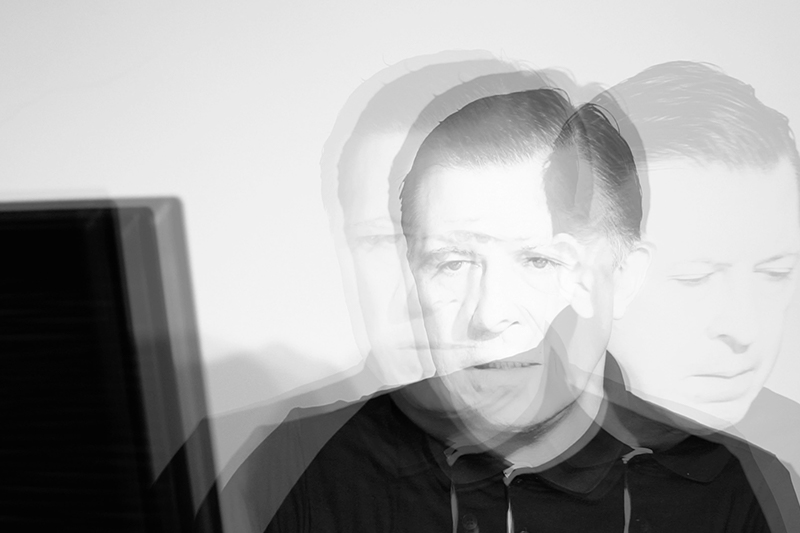
Eller projects himself into the frame in a visually and aurally layered palimpsest. The artist re-duplicates himself, again and again, with each of his copies reciting the complete genetic code of one of the first strains of the SARS-CoV2 virus identified in Wuhan, where the COVID-19 outbreak began. But the copies are not perfect. The duplicates vary. Eller makes mistakes in the code, scrambling the RNA sequence here, dropping a nucleotide there….
More copies of genetic code, more small mistakes here and there. Thomas Eller has translated into visual language an approximation of how the virus replicates itself, spreading its genetic information through multiplication, and through mistakes from copy to copy, mutating to create new strains.
Ceaselessly copying itself, undergoing mutations along the way, the virus has generated more than two hundred different strains, so far, from this original genetic sequence. Scientists have not yet made sense of the variations between the strains. They are as random as the mistakes the artist invariably makes while reeling off dense lines of genetic code.
Amongst the duplicates on the screen, a digitally altered copy of the artist enters the frame; an Eller in pixels, with a computer’s robotic voice reciting the sequence of nucleotides. Technology is racing to overtake the virus, but when will it catch up? We are still waiting, and hoping, for a viable vaccine, for a treatment, for a cure. Until then, we hide from the virus, and from each other. We distance, socially, and wait for a scientific breakthrough, hoping that science will win this race against nature. We should be so lucky if the virus simply stops, as Eller does, and goes away.
– Rachel Rits-Volloch
THE white male complex, No.5 (lost)
2014, 11:54, colour, sound
Shot on the beach of Catania on the Italian island of Sicily in 2014, THE white male complex, #5 (lost) uncannily prefigures the tragic shipwreck of 2015 which killed 700 African migrants on the same coastline, and alludes to the nearby island of Lampedusa, infamous for its migrant traffic and for the tragic shipwreck which killed 366 of the 518 African migrants packed onto an overcrowded fishing boat in 2013. With the all too familiar promiscuity of news cycles in our turbo-charged information age, these tragedies occupied the media for some days or weeks, only to move on to more pressing concerns. But while the media may have lost interest, the underlying issues behind these tragedies and many others like them will persist as long as people anywhere on this globe nurture hopes of a better life and follow their instincts to flee hardships of all kinds. Into this gap between the global media’s disinterest and the persistent need to tell the story of people in such desperate situations, enters the space for art.
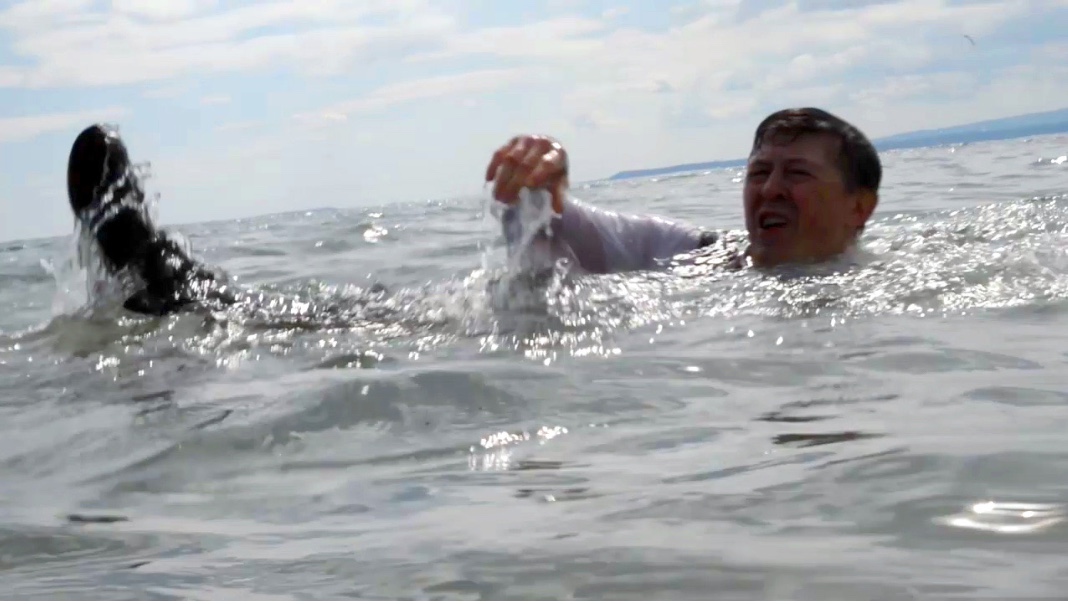
A man wearing the ubiquitous attire of innumerable professions – black suit and tie, white shirt, black shoes – is incongruously floating in the ocean. Floating or drowning? This is what we inevitably come to ask ourselves as the shot lurches from above to below the water and back. This man perpetually struggling in the sea is the artist himself. In this video, Thomas Eller lives the plight of so many who wash up on such shores.
Eternally looping at the cusp of life and death, this work leaves the viewer feeling oddly complicit in one man’s surreal struggle. Yet while one white man submerged in a suit comes across as surreal, the countless migrants braving a similar plight are the reality we live in. Thomas Eller, in his own visual language tackles the watery deaths of migrant workers as a sadly universal suffering, devoid of markers of place or time. This could be any sea, any beach, any tragedy. And in the timeless metaphor of treading water, this work equally signifies our persistent inability to move forward in finding a solution to the myriad issues driving people around the globe to risk their life in the pursuit of a better one.
Taken out of context and read solely through the metaphor of keeping one’s head above water, THE white male complex, #5 (lost) becomes a timeless work, equally applicable to the struggles of the human condition. Professionally, personally, who amongst us has not at some point in their lives felt as if they were drowning. Almost, but never quite, succumbing to the pressures, expectations, and fears pulling him under, Thomas Eller translates an experience universal to the human condition into a visual language which can be read as at once hopeful, hopeless, and immutable.
– Rachel Rits-Volloch
Thomas Eller is an artist and curator. He now lives and works in Mürsbach and Berlin.
He started his career in Berlin. From 1990 until today he has been exhibiting extensively in galleries and museums in Europe, Asia and the Americas.
From 1995 until 2004 he was living in New York. Returning to Berlin he founded the online art magazine artnet Germany and served as editior-in-chief and executive manager from 2004 to 2008. In 2008 and 2009 he was executive director and artistic director of Temporäre Kunsthalle Berlin.
In 2014 he moved to Beijing. Also in 2014, he co-curated the exhibition The 8 of paths with 23 Beijing-based artists in Berlin. In 2017 he founded the Gallery Weekend Beijing. From 2014 to 2020 he has been president of RanDian magazine. More recently (2019-21) he served as artistic director of the Taoxichuan CHINA ARTS & SCIENCES project in Jingdezhen, the porcelain capital of the world in the Jiangxi province and was also an associate researcher at Tsinghua University in Beijing. He was one of the curators of the 7th Guangzhou Triennial 2023. In 2025 he organized Mongolia – The Post-Nomadic Experience, a comprehensive project with artist residencies in Germany and Mongolia and exhibitions in THEgallery, Germany and The Fine Art Zanabazar Museum, Ulaanbaatar.
As an artist, Thomas Eller has been working on a series of various artworks under the title The White Male Complex since 2011, deconstructing from within Western cultural confines of individuation. A prerequisite for opening up to cultures not one’s own.
Thomas Eller was awarded the Karl Schmidt-Rottluff Prize, 1996; the Villa Romana Prize, Florence, 2000; Art Omi International Arts Center, New York, 2002 and the Käthe-Kollwitz-Prize, Akademie der Künste Berlin, 2006.
Burn My Love, Burn!
2013, 5:25, colour, sound
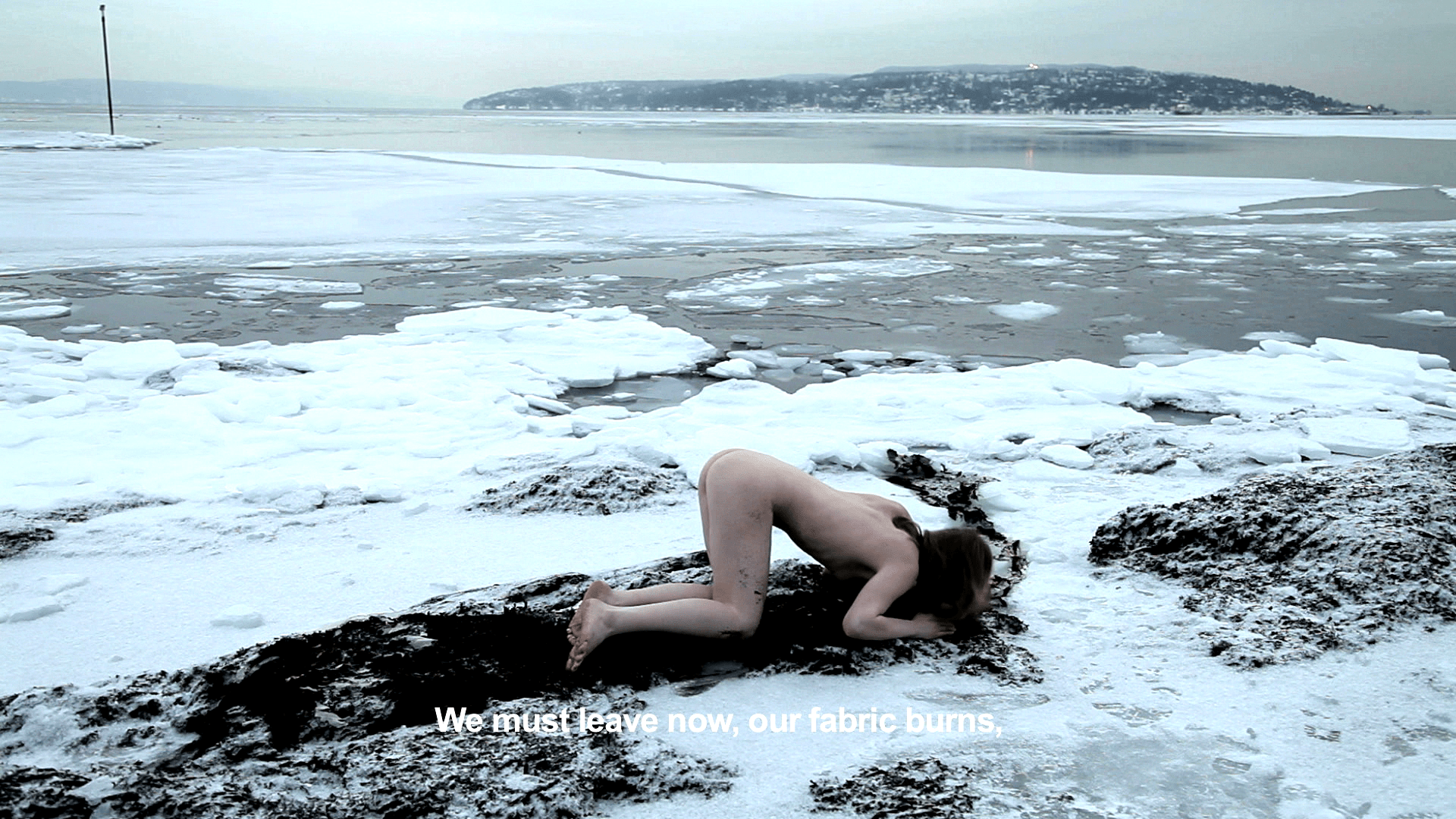
The work Burn My Love, Burn creates the body as the carrier of historical signature, the body does so by will, it inscribes, devours the story- becoming a container that vibrates and lives within a narrative. The shroud becomes the elementary signifier of such a historical narrative, it has been impregnated by the story, acts as the monument. Through the burning of it it can become part of an organic form in motion.
The text conditions and creates the body within a specific hermetically sealed space. The words activate the bodies field of memory as much as it creates a new one, adding on to the net of connotations the figure has toward words.
The ritual becomes the form through which this transformation can be made, the body eats the body, destroys and paints again, another image.
Again this is done by the word, it creates the flesh, gives it differentiating coloration, its plausible point of view.
The body acts as a paper, it is inscribed by those murmurs of historie, becoming a living artifact of its own history.
Mariana Hahn lives and works between Paris and Berlin. After studying theater studies at the ETI, Berlin, she received a diploma in art at Central St. Martins, London. Hahn is a multimedia artist whose practice includes performance, video, painting and installation. She is motivated by the exploration of the relationship between the body and the transmission of memory and knowledge. Salt, copper and other materials are part of her research on memory as its different supports and means of transmission. She investigates the role and defnition of these media and their transformation through time and diferent civilizations.
Her works have been exhibited in many places, such as Galerist, Istanbul, the Franco german Pavilion, Malta Biennale, HDM Gallery, Paris PS120, Haus am Lützowplatz, Diskurs, Berlin, Germany; The Mountain View Museum in Shenzen, Pan Meigu Female Art Museum, Fujian, Redtory Museum of Contemporary Art in Guangzhou, China; Salon Oktobarski – Belgrade Art Biennale, Galleria Mario Iannelli in Rome, Trafo Museum of Contemporary Art, Stettin, Poland and the Biennale for Young Art, Moscow, Russia; Chat Mill6 Foundation Hong Kong.
Traveling Artist
2018, 15:47, colour, sound
Traveling Artist – Loop
2018, 36:38, colour, sound
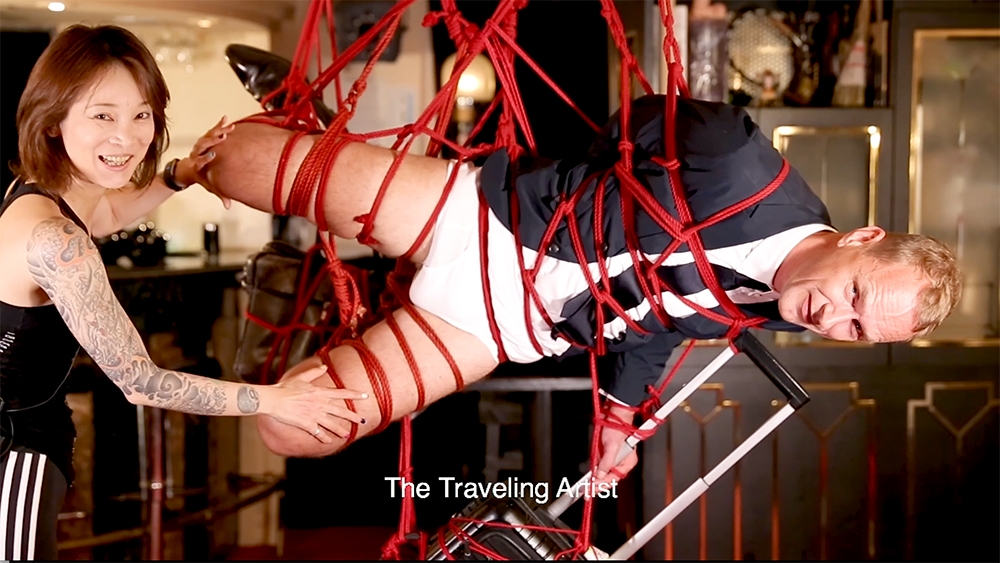
An artist goes where he finds an audience. That is why traveling is a constant companion in Jankowski’s life. In Kyoto, Jankowski seized the opportunity and visited Aska Ryuzaki, a female Kinbaku master running her own erotic night club named “BAR-BARA -the Bizarre-”, frequented mainly by Japanese businessmen.
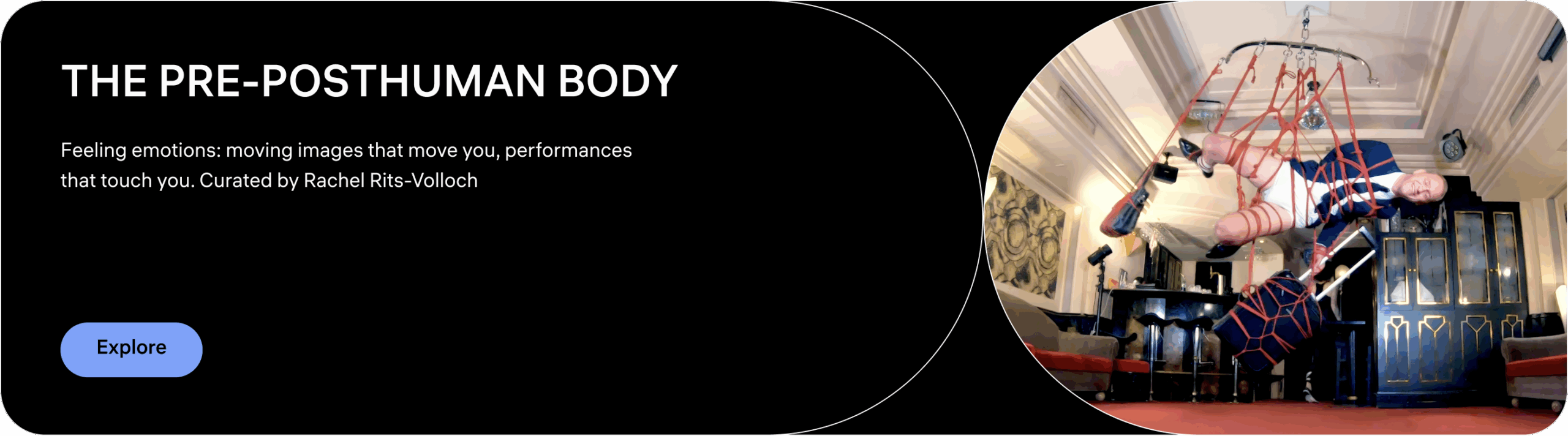
Jankowski became interested in the Japanese bondage tradition, Kinbaku, sensing a connection to the constraints of his life as a contemporary artist. He asked Ryuzaki to use her binding technique not only on him but also on every belonging he took with him to Japan. She accepted under the condition that Jankowski don a western business suit, but reflecting the women, who are often bound naked or seductively dressed, not wear trousers. Jankowski rose to the challenge and showed up to their “date” only sporting the slightly old-fashioned white underpants provided by the mistress and the top half of a suit. Shortly after, him and his luggage were hanging upside down from the ceiling of Ryuzaki’s establishment, rotating to soft, but festive piano music. The four photographs show Jankowski as a compass needle suspended from the ceiling pointing to the four cardinal directions.
In the video showing the binding process Ryuzaki teasingly calls Jankowski a vain, middle-aged artist, in need to be “taken down a notch”. Feeling very strong and confident about her practice, she speaks about the techniques, styles and traditions of Kinbaku. Talking about masters and schools, she recounts that her learning process started by imitation and adaption and developed into her own unique style. Slowly letting her guard down, she points out the importance of love and respect for the model and the right setting and atmosphere for Kinbaku as a method for artistic and spiritual achievements.
Christian Jankowski studied at the University of Fine Arts, Hamburg, in Germany. In his conceptual and media artworks he makes use of film, video, photography and performance, but also of painting, sculpture, and installation. Jankowski’s work consists of performative interactions between himself with non-art professionals, between contemporary art and the so-called ‘world outside of art’. These interactions give insight into the popular understanding of art, while incorporating many of contemporary art’s leading interests in contemporary society: regarding lifestyle, psychology, rituals and celebrations, self-perception, competition, and mass-produced and luxury commodities. Over time, Jankowski has collaborated with magicians, politicians, news anchors, and members of the Vatican, to name just a few. In each case, the context for the interaction and the participants are given a degree of control over how Jankowski’s work develops and the final form that it takes. Jankowski documents these performative collaborations using the mass media formats that are native to the contexts in which he stages his work––film, photography, television, print media––which lends his work its populist appeal. Jankowski’s work can be seen both as a reflection, deconstruction, and critique of a society of spectacle and at the same time as reflection, deconstruction, and critique of art, which has given itself over to spectacle and thereby endangered its critical potential.
In 2016, Jankowski curated the 11th edition of Manifesta, becoming the first artist to assume the role. He has participated in numerous international Biennales, including: Bangkok Art Biennal, Bangkok, Thailand (2020); Kaunas Biennial, Kaunas, Lithunia (2019); Venice Biennale (2013 & 1995); 1st Montevideo Biennial, Montevideo, Uruguay (2013); Taipei Biennial, Taiwan (2010); 17th Biennale of Sydney, Australia (2010); 3rd Guangzhou Triennial, Guangzhou, China (2008); 8th Baltic Triennial of International Art, Vilnius, Lithuania (2002); Whitney Biennial, New York, NY, USA (2002); 2nd Berlin Biennale, Berlin, Germany (2001); Lyon Biennale, France (1997).
Selected recent solo exhibitions include, amongst numerous others: joségarcía, Mérida, Mexico (2020); Fluentum, Berlin, Germany (2020); Galleria Enrico Astuni, Bologna, Italy (2019); @KCUA, Gallery of the Kyoto City University of Arts, Kyoto, Japan (2018); Galeria Hit, Bratislava, Slovakia (2017); Haus am Lütowplatz, Berlin, Germany (2016), Kunsthaus Hamburg, Germany (2015), Center for Contemporary Art, Ujazdowski Castle, Warsaw, Poland (2013); Sala de Arte Publico Siqueiros, Mexico City, Mexico (2012); MACRO, Rome, Italy (2012); Nassauischer Kunstverein Wiesbaden, Germany (2009); Kunstmuseum Stuttgart, Stuttgart, Germany (2008); Miami Art Museum, FL, USA (2007); MIT List Visual Art Center, Cambridge, MA, USA (2005); Swiss Institute, New York, NY, USA (2001) and the Wadsworth Atheneum, Hartford, CT, USA (2000).
Insomniambule
2011, 10:35, colour, sound
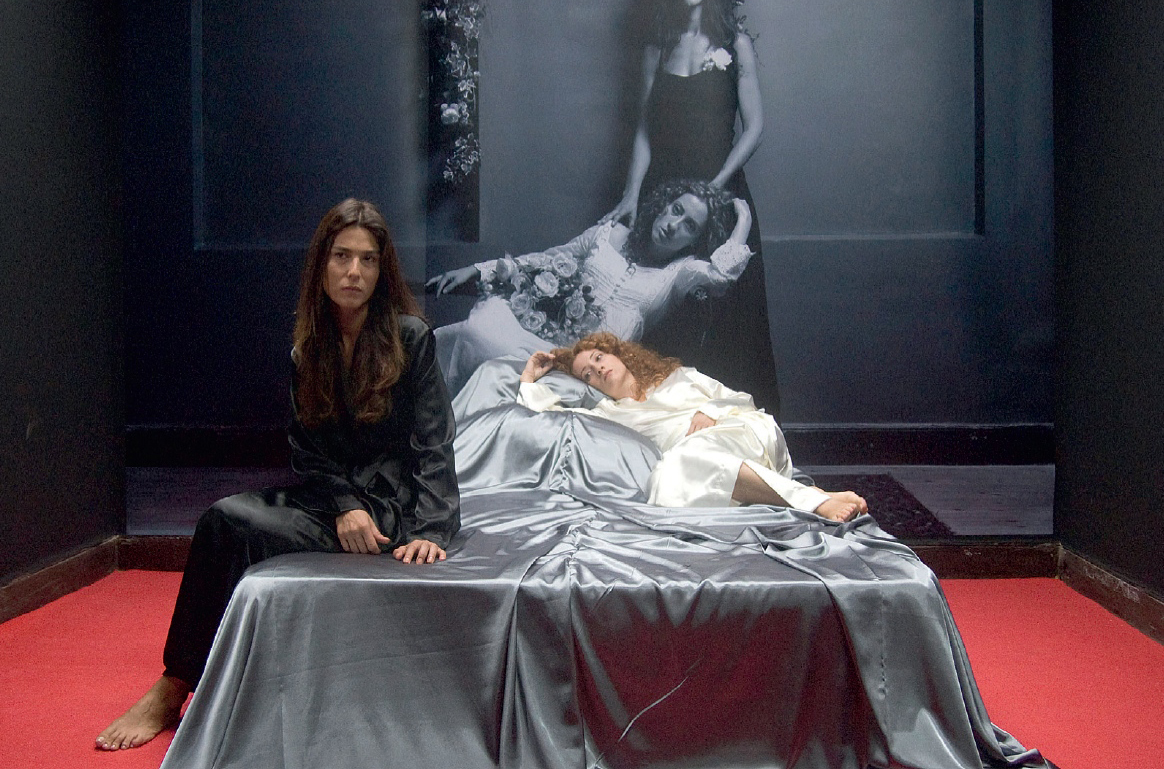
Insomniambule follows the nightly journey of two characters, Somnambule and Insomniac. While one gives clues that she is suffering from nightly sleepwalks, the other stands in contrast as a symbol of constant consciousness. Though they seem to depict the heterogeneity of awake and asleep, at their core, the two states exhibit distinct similarities. Both states are fighting against the state of sleep – Insomniac deliberately rejecting sleep and fighting to keep consciously awake while Somnambule resists against deep slumber from within an already induced state of sleep. From either side, both characters must find a way to adapt themselves to normal life.
The characters pass through the doors of memory and recollection subconsciously playing several games that lead them through their past and present within their personal and social spheres.
The two characters, represented by two women who constantly follow one another, accentuate this uncanny sensation and weird relationship of being split into two. Therefore Insomniac and Somnambule can easily join to form the word “Insomniambule”, symbolizing them both. It also creates a platform for understanding the connection between artistic creativity and conditions of insomnia and somnambulance.
Gülsün Karamustafa is an internationally acclaimed artist known for her materially and methodologically diverse works that are born out of personal and historical narratives. Throughout her densely woven artistic production that spans over five decades, Karamustafa has been utilizing varied techniques, mediums, and methods to create paintings, installations, ready- mades, assemblages, photographs and videos that mainly scrutinise and showcase the historical injustices within the socio-political realm. Primarily focused on issues related to the modernization of Turkey, displacement, memory, migration, and gender, Karamustafa is hailed as one of the most outspoken and influential contemporary artists in Turkey that has inspired the new generation of artists.
In 2024, Karamustafa’s Hollow and Broken: A State of The World has been featured at the Türkiye Pavilion at the 60th International Art Exhibition – La Biennale di Venezia. She has participated in numerous international biennials. The artist has presented solo exhibitions at major institutions and galleries worldwide, including SALT Beyoğlu and Galata, Istanbul; Hamburger Bahnhof – Museum für Gegenwart, Berlin; Van Abbemuseum, Eindhoven; IVAM Institut d’Art Modern, Valencia. Her works have been included in the permanent collections of Centre Pompidou, Paris; Tate Modern, London; Solomon R. Guggenheim Museum, New York; Museum of Contemporary Art, Chicago; Musée d’Art Moderne, Paris; Van Abbemuseum, Eindhoven; Ludwig Museum, Cologne; MUMOK, Vienna.
She received the Roswitha Haftmann Prize in 2021 and Prince Claus Award in 2014.
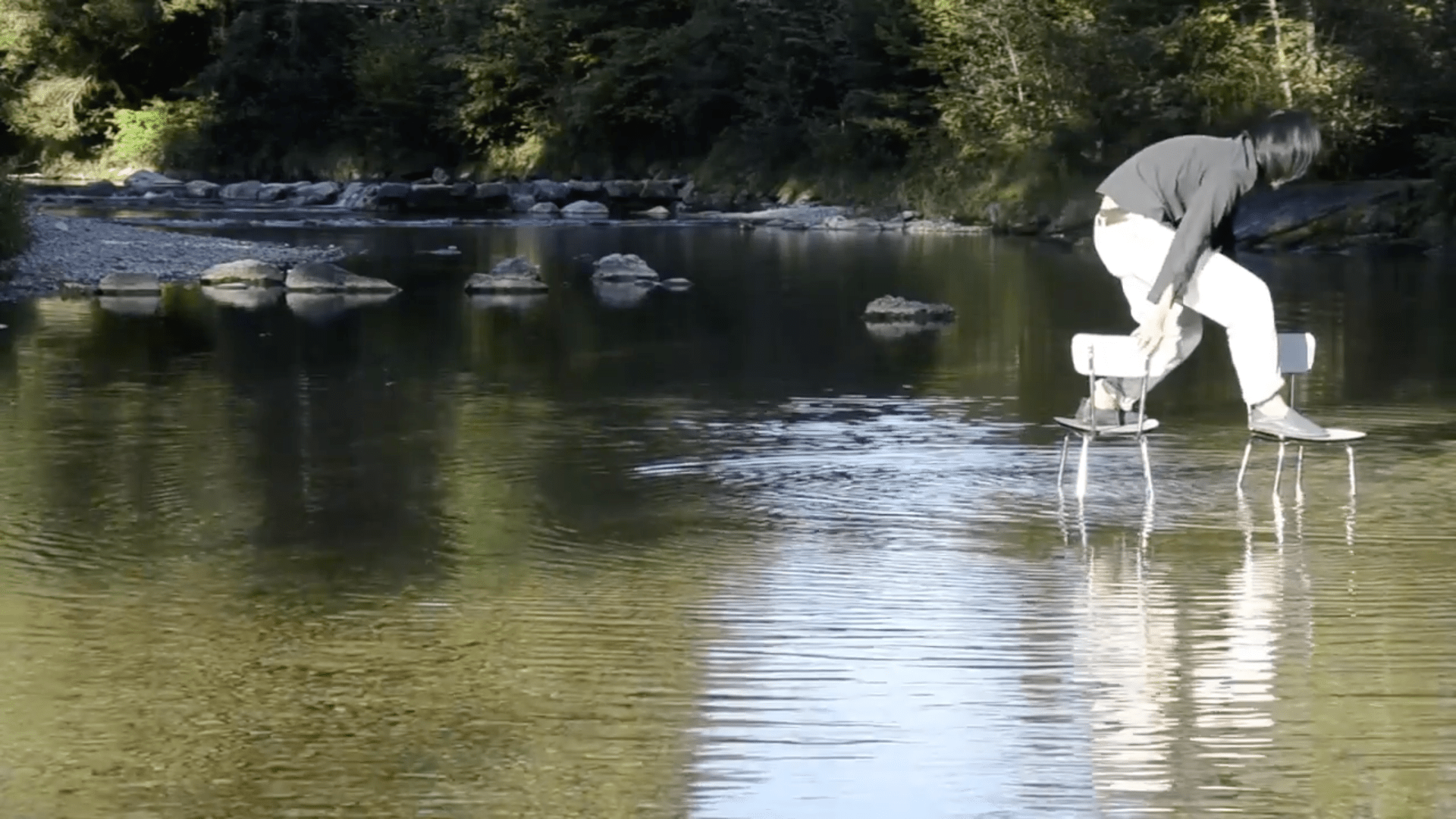
Crossing a River with Two Chairs
2016, HD Video, 1:24, colour, sound
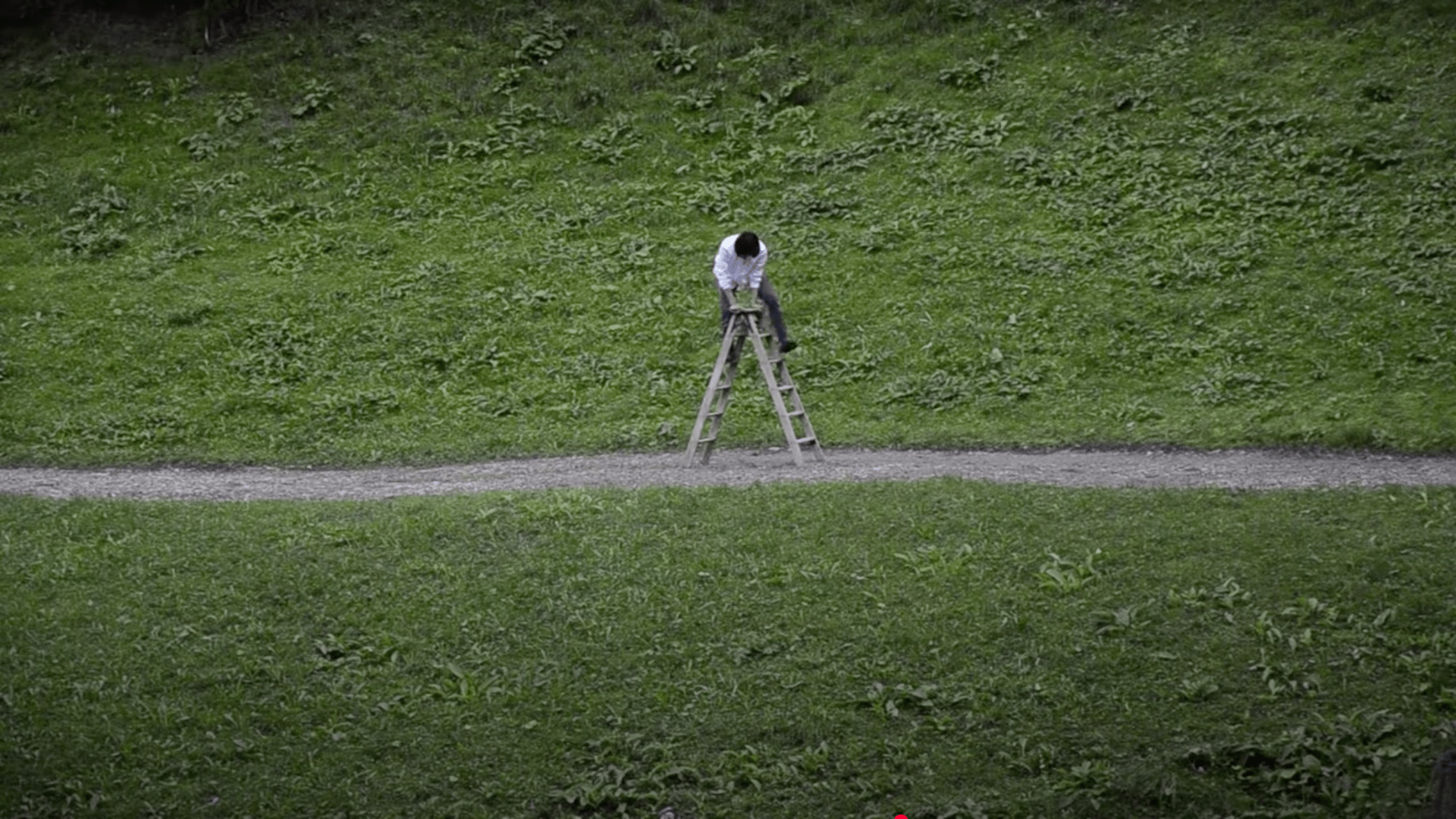
Extending a Road
2016, HD Video, 00:35, colour, sound
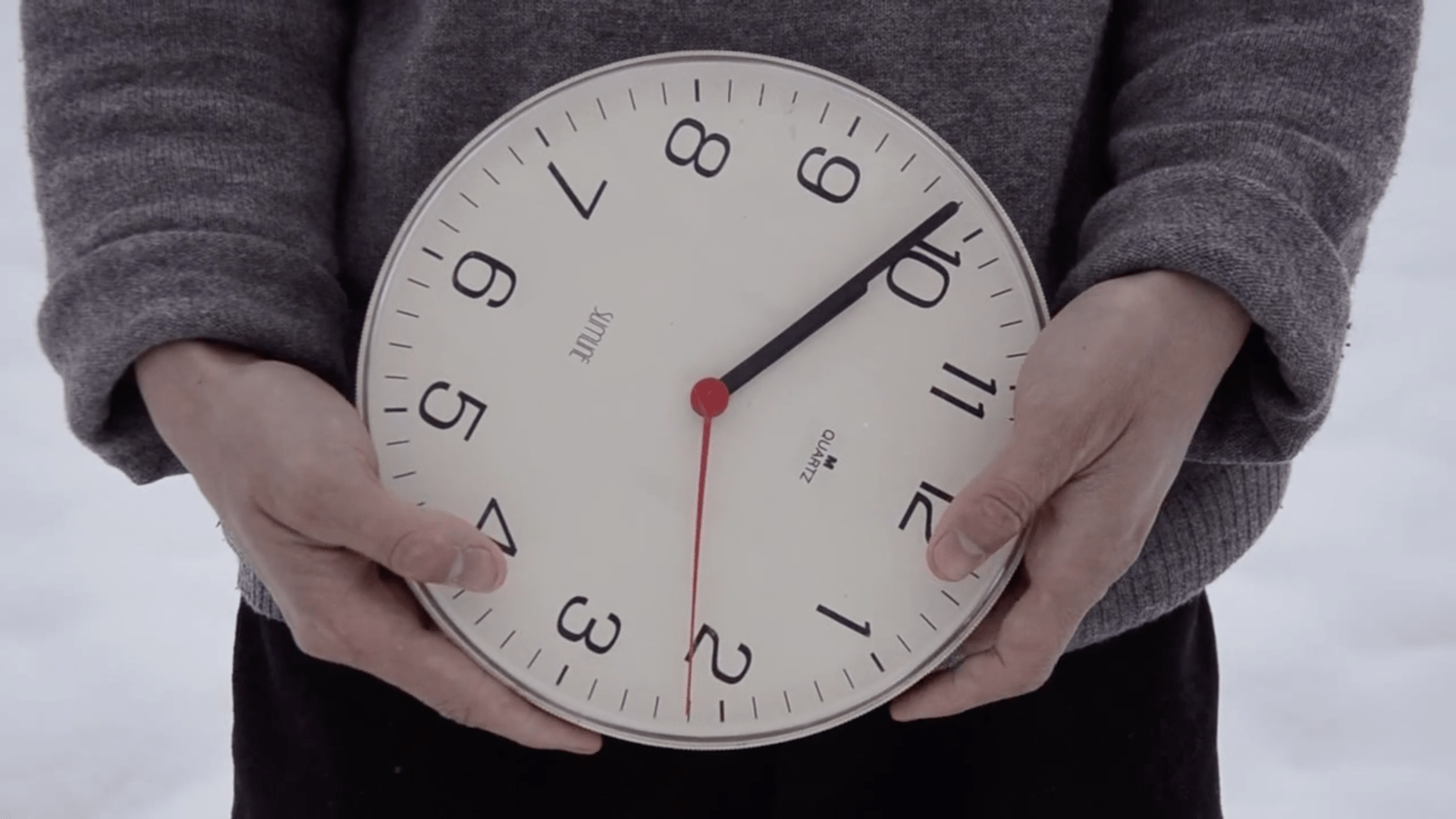
The Relatively Motionless Second
2015, HD Video, 00:58, colour, sound
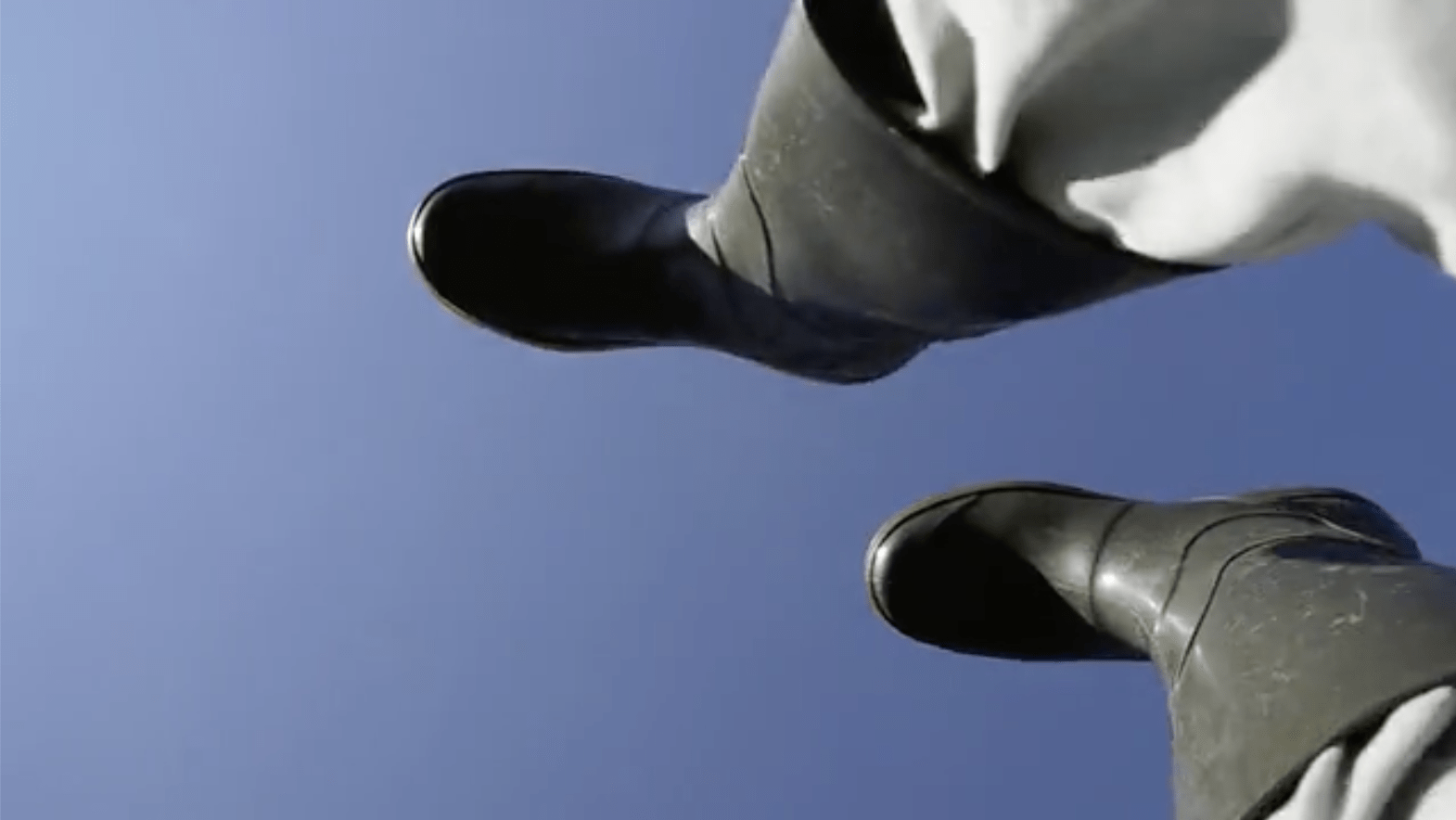
Walking on the Sky
2016, HD Video, 1:01, colour, sound
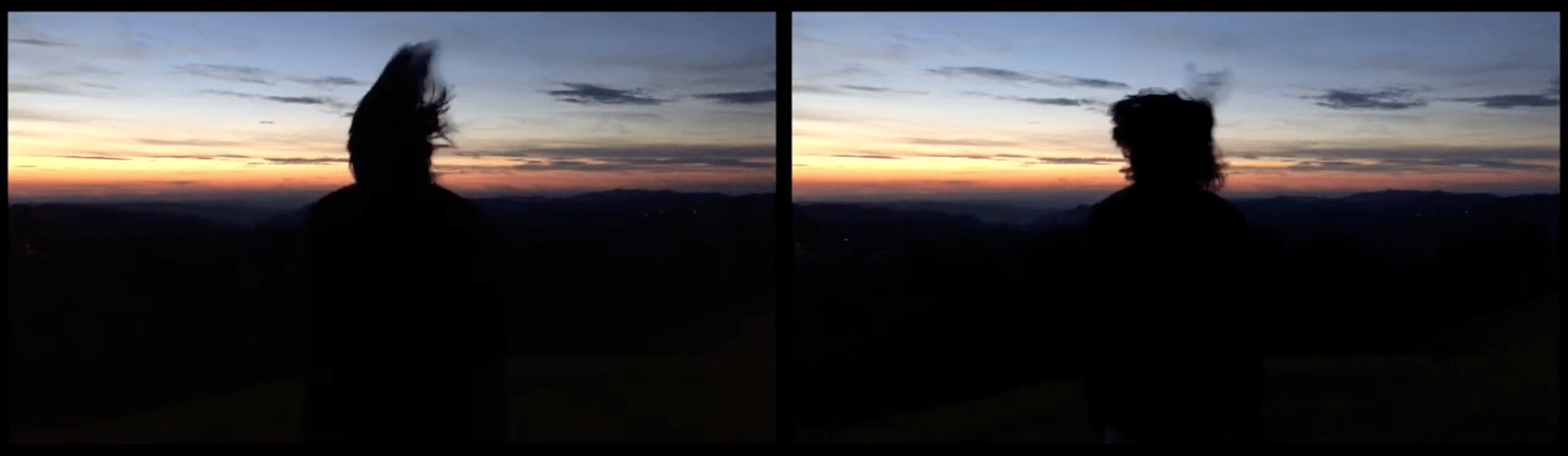
Radically Nodding or Shaking the Head…
2016, HD Video, 00:30, colour, sound
Minute Gesture is a series of video works that document the artist’s actions carried out within natural landscapes. Through these subtle yet absurd gestures, the works reveal the unnatural qualities inherent in what we perceive as natural scenery. Liao constructs visual play spaces where the boundaries between object, body, concept and environment are humorously and thoughtfully explored. With minimal setups and poetic actions, each short-form, mute video performance investigates notions of resistance, balance, absurdity, and time. Filmed in natural or constructed landscapes, the artist’s presence becomes both subject and tool for subtle intervention.
Within his gentle world of Duchampian ready-mades, Liao Wenfeng can leapfrog across a river by using two chairs as stilts, walk across the sky by lying on his back and filming his feet moving in the air, make time stand still by gently rotating a clock through one minute so that its second hand seems to remain at the same spot, or extend the length of a countryside lane by climbing over a step ladder he has carried there and leaving it behind for others. The artist’s neo-romantic relationship with nature is reflected in two identical views of the back of his head as he gazes at the sunset over the distant mountains, emphatically shaking his head “no”, and nodding his head “yes”. In ingenious and witty ways, his works reveal what often remains unseen: the potential poetry and paradoxes hidden in daily life. Together, this body of work playfully asks an all too serious question: what is our impact upon time the landscape around us?
Liao Wenfeng (b. 1984 in Jiangxi Province, China), graduated with a bachelor’s degree from the China Academy of Art in 2006, and obtained a master’s degree from the Berlin University of the Arts in Germany in 2016. Currently, he lives and works in Berlin, Germany.
In his artistic practice, he particularly focuses on the relationship between images and perception. He often integrates visual illusions, puns, art historical references, and political symbols into his work. In an ingenious and witty way, his works frequently reveal the poetic relationships and paradoxes hidden in daily life.
His recent solo and duo shows include: Not Flower, Nor Non-Flower, Inna Art Space, Hangzhou, China (2023); Light, Light – a duo show with Bignia Wehrli, Lechbinska Galerie, Zürich, Switzerland (2022). Water Without A Glass – a duo show with Yi Lian, Inna Art Space, Hangzhou, China (2018). Eyes Moving A Pencil – Liao Wenfeng’s solo exhibition, Inna Art Space, Hangzhou, China (2018). His recent group exhibitions include: Forming Communities: Berliner Wege, KINDL – Zentrum für zeitgenössische Kunst, Berlin, Germany(2022; Ein kleine stück Unsichtbarkeit, alte feuerwache / projektraum – Galerie, Berlin, Germany(2021);Videocity.bs: Food, Congress Center Basel, Basel,Switzerland(2020);Transcending Dimension: Sculpting Space – Shenzhen Pingshan International Sculpture Exhibition, Shenzhen, China (2019).
Salt Dinner
2012, HD video, 3:19, colour, sound
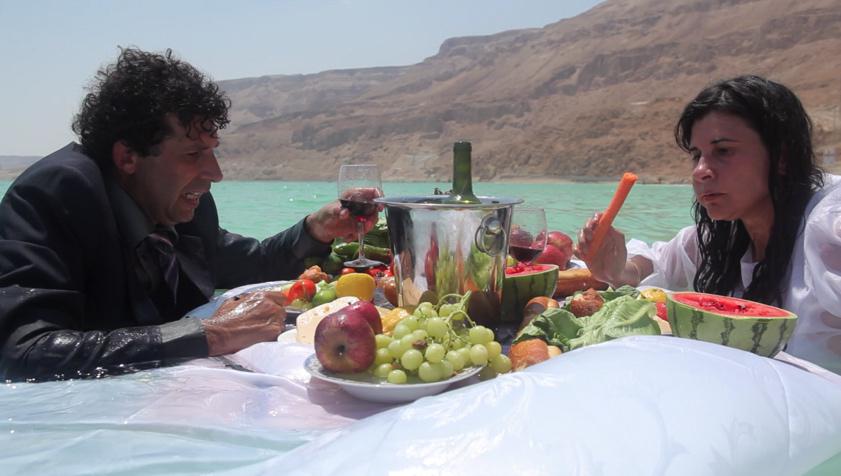
Turkish/German artist Nezaket Ekici and Israeli artist Shahar Marcus together address geopolitical and environmental forces through the medium of performance in their video Salt Dinner (2012). Shot in the scorching heat of Israel’s Dead Sea, their performance ironically confronts human endurance with the extremes of nature and culture. In this actual and political hotbed, Muslim and Jew share an opulent feast. Whether a wedding or a wake remains unclear, but what looks like an absurd aquatic picnic is in truth a brutal endurance test for both artists. The excess of salt they are consuming with the sea water is as lethally dehydrating as the midday sun. Shot in a rapidly shrinking ocean in a part of the world fought over for millennia, this international summit offers no solutions for political and environmental stability.
Nezaket Ekici and Shahar Marcus both work separately as artists but started to collaborate on projects in 2012. Their ongoing project In Relation revolves around an exploration of time, space, culture, religion, and the often absurd ways in which people interact with the environment. In this, as a German-based Muslim and an Israeli-based Jew, they collaborate on performances and videos that bridge cultures and religions as well as the long distances between Berlin and Tel Aviv. Focusing on the origin of the latin word relatio (relation), meaning ‘bringing back’, they set out to bring back a knowledge that has been forgotten by most of us: a relation with ourselves and our environment. Since 2012 they have produced ten video works together: Salt Dinner, Sand Clock, Floating Ourselves, Clean Coal, Fossils, Fields of Breath and Lublin Beach, TBQ, all concentrating on the Ancient Greek aphorism γνῶθι σεαυτὸν: know thyself.
Seeds
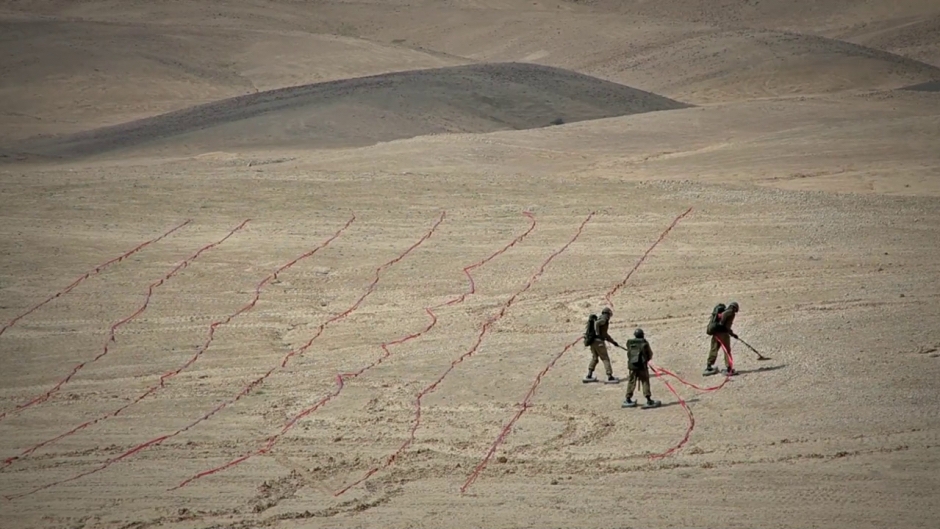
2012, HD video, 3:19, colour, sound
The visually stunning work Seeds (2012) follows a mine clearance team through the desert as they locate and remove land mines. The violence implicit in this action – both the danger of detonation, and the allusion to the conflict which laid these weapons there in the first place – is offset in sharp contrast with the beauty of the natural landscape and the slow meditative actions of the mine disposal crew. As they move over the arid rocky soil, they leave behind themselves trails of red tape, demarcating the landscape into clear rows. A solitary figure enters the frame, following behind the soldiers. In a reference to Millet’s famous painting, The Sower, Shahar Marcus, dressed as a pioneer, walks along the rows of earth, sowing seeds in the newly cleared soil. This act of sowing becomes a healing gesture, planting new life and hope in the scarred earth. Seeds is a poetic work about war and the hope for peace, and about the need to heal the wounds left upon our planet by mankind’s devastating impacts upon nature.
“The work Seeds explores the phenomenon of the buried mines that exist in Israel and the world over, exposing how these areas still carry the consequence of the war within their soil while supporting the new populations who must inhabit the conflict area. It examines the power of the present moment in these places where efforts are beginning to shift these death zones into places that consciously affirm life, embracing continuity in the very place where it once was blocked.”
– Shahar Marcus
Leap of Faith
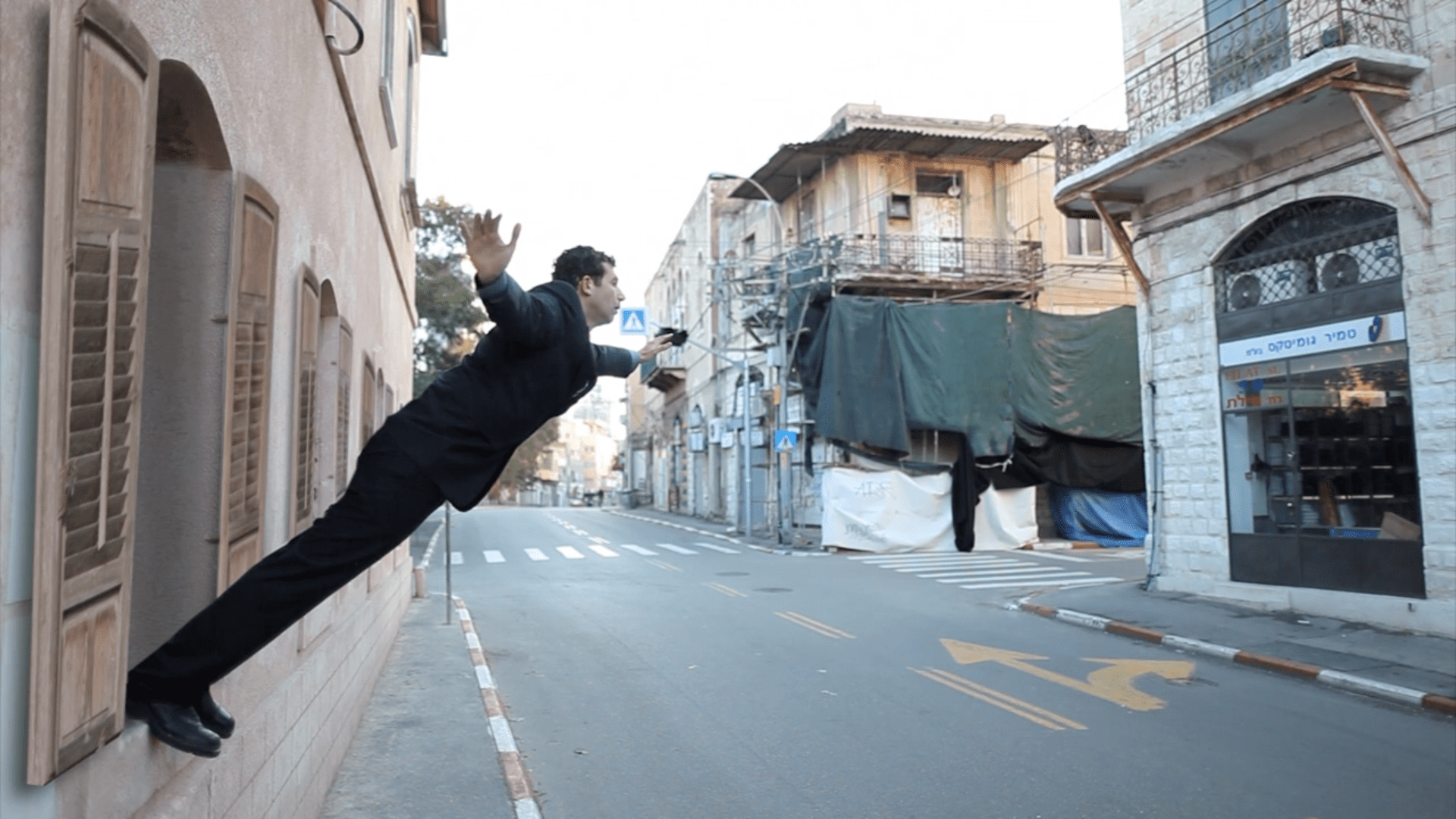
2010, HD video, 3:03, colour, sound
The video leap of faith starts with a shot of the artist wearing a suit, standing on the window’s edge, getting ready to make the leap of his life to the wide open space. The artist is hesitating, having difficulties in creating a momentum to jump, but eventually jumps. Surprisingly he freezes horizontally, while his feet touch the window’s edge – homage to the known work of Yves Klein “Artist jumps into the void (1959). When the shot opens up it appears that the window from which the artist was afraid to jump is just a few feet above ground. The camera stands still presenting a grotesque and surreal image of the artist hanging between heaven and earth.
The camera focuses on the artist’s point of view, who wants to break through from the inside to the outside. The artist is presented trying to jump out of the window, like Icarus who tried to climb up and reach the sun, when his ambition is to overcome gravity and his own fears with the help of willpower and courage. The artist chooses to do so in an exhibitionist way, through a huge window, that allows everyone around to see the struggle of the artist and watch his fears. By the leap through the window the artist eliminates the physical barrier as he breaks through. The surrealist position of the artist where his feet touch the sill and his body is suspended between heaven and earth merger the inside and outside.
In the video the artist chooses to use the window in an unusual way, in order to achieve his goal. The artist’s fear, arising from a possible failure, leads to hesitation in accomplishing his goal. The failure, however, is not so painful as the window is just a few feet away from the ground. The work criticizes two characteristics of the human nature. One is the fear form failure and social criticism that can paralyze and prevent breaching borders, while in many cases, like in the work, such fears are only in the person’s (the artist) eyes, as the fall is not so painful.
Shahar Marcus (b. 1971) is an Israeli based artist who primary works in the medium of performance and video art. His initial works dealt with the exploration of his own body and its limitations- incorporating various perishable materials, such as dough, juice and ice. His body served as an instrument, a platform on which various ‘experiments’ took place: lying on the operating table, set on fire, dressed in a ‘bread suit’ and more.
Food is also a major theme in Marcus’s works. For instance, his recurrent use of bread as a symbol of essentiality and survival is juxtaposed with military symbols. By working with food, a perishable, momentary substance and by turning it into a piece of clothing or a set, Marcus also flirts with art history; transforming arbitrary objects and materials into something immortal and everlasting.
His early video-performances feature himself along with other artists, with whom he had collaborated in the past. However, in his recent works, Marcus appears by himself, while embodying different roles and characters. ‘The man with the suit’ is a personage that was born from an intuitive desire to create a ‘clean-cut’ version of an artist, juxtaposed to the common visual stereotype of the artist as a laborer. Drawing influence from Magritte’s familiar figure- the headless suit, a symbol of Petite bourgeoisie, Marcus embodies this man with a suit as an artist who is in charge, a director.
His most recent works deal with local political issues, by approaching iconic Israeli landmarks with a critical and humorous point of view. Thus, Marcus reflects on his own heritage, environment and the creation of local historical narratives. His works are influenced by the visual language of cinematography along with familiar themes and tributes to art – history and artists, such as Ives Klein, Paul McCarthy, Peter Greenway and Jackson Pollock.
Paradise Falls I
2011, 2:49, colour, sound
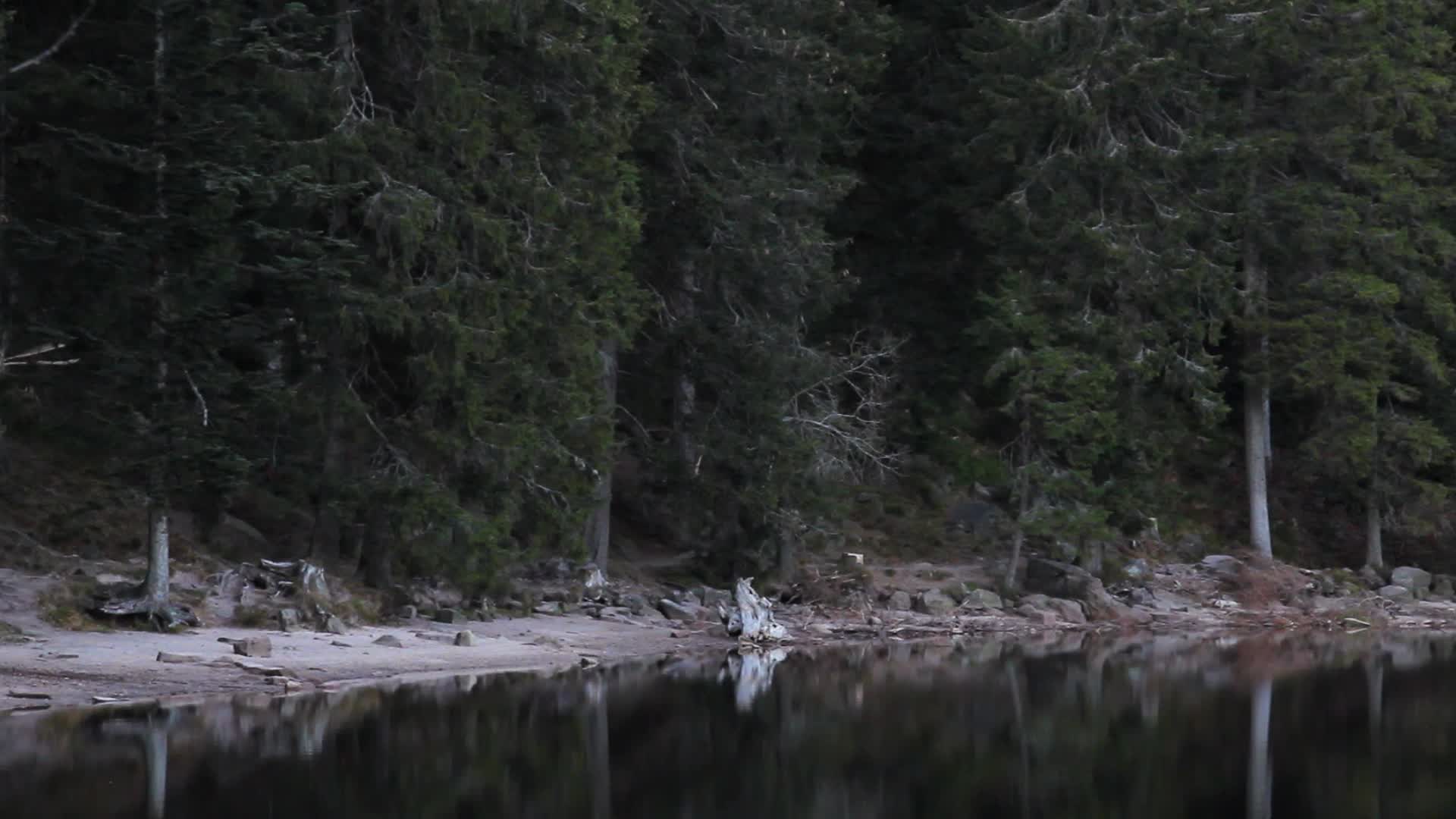
Paradise Falls I & II form part of the body of work covering a range of specific landscapes including Wadjemup/Rottnest Island, the Black Forest in Germany and the winter landscapes of Switzerland. With a focus on island sites and places that exist in isolation, the works attempt to draw parallels between physical landscapes and the psychological landscapes of the artist’s own memories, broader cultural histories and stories. These works are the philosophical culmination of the time McMillan spent in Switzerland in 2011 as well as her PhD research into the forgetting of the history of Wadjemup/Rottnest Island, Western Australia. The sound for both films, developed by Cat Hope, is an important aspect of the works provides an un-nerving contrast to the poetic images of the films, highlighting the persistent disquiet of history.
Paradise Falls I was shot in the Black Forest in 2011 during an Artist Residency with the Christoph Merian Stiftung in Basel, Switzerland. The lake where the work is set, situated on top of an extinct volcano, is called Mummelsee (Mother Lake). There are many myths associated with this lake in German folklore, most notably about a siren who lures men into the forest and kills them. In McMillan’s video, a ghostly female form flickers in and out of view at the edges of of the otherwise still landscape. Setting up an interplay between landscape, memory, forgetting and history, Paradise Falls I considers how history can leave a residue in the landscape and the past often comes back to haunt us.
Paradise Falls II
2012, 3:28, colour, sound
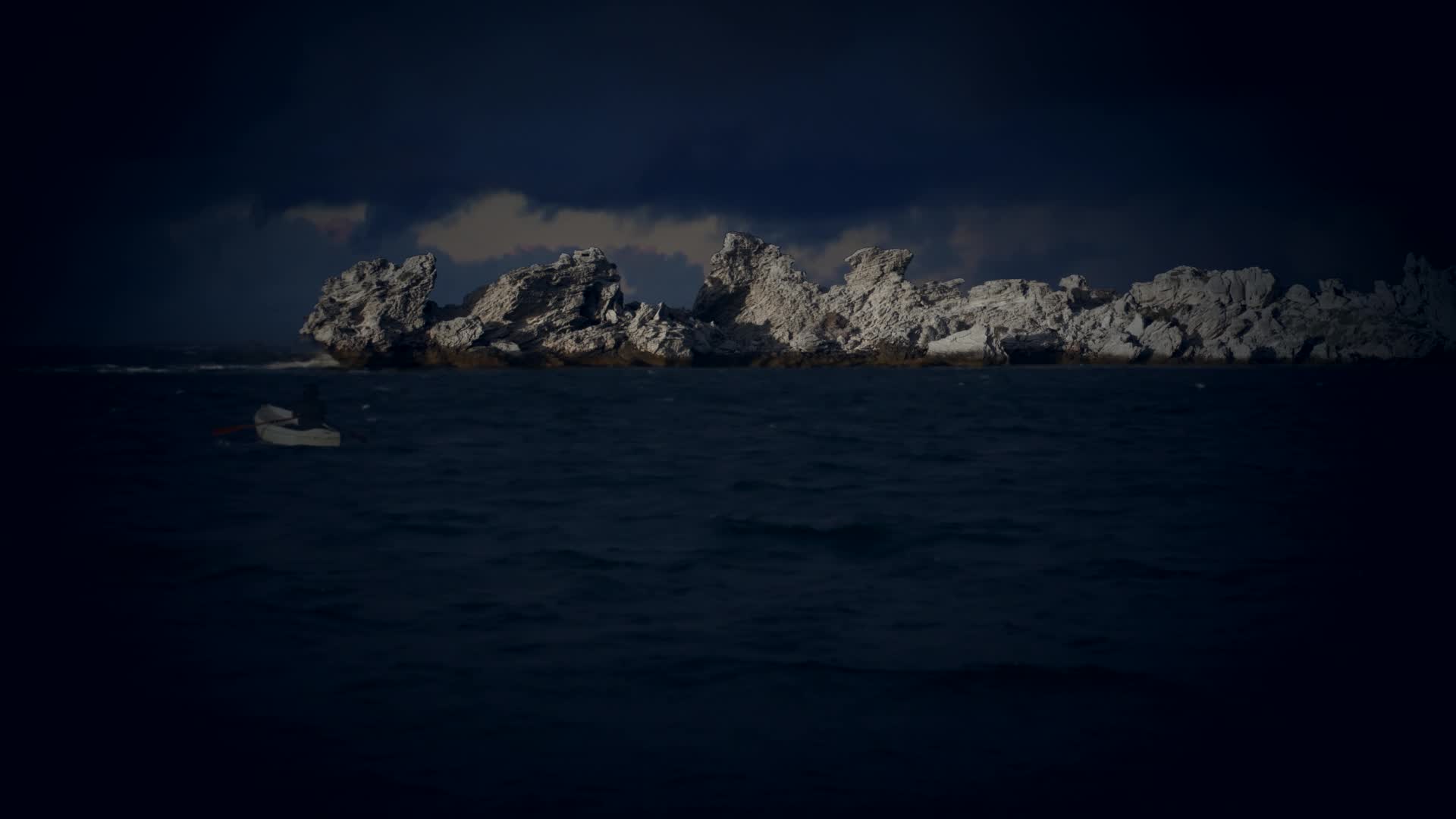
Paradise Falls II follows an Aboriginal man as he rows towards the craggy silhouette of Wadjemup/Rottnest Island. He too appears and disappears from sight, finally lost to the inky black of the ocean. The island was the site of an Aboriginal prison that is barely acknowledged in the historical record. The film portrays a man rowing back to his captors, highlighting that history can not always be forgotten. The spectral characters in Paradise Falls I & II are stand-ins for fractured and partial histories that disappear from focus, yet continue in our collective psyche as dark and haunting traumas.
The films are like moving paintings, heavily referencing the romantic tradition of Germanic landscape painting. The work of artists such as Arnold Bocklin and Casper David Friedrich become distant cousins to McMillan’s oeuvre. The artist acknowledges and even embraces these quotations but she also holds them in a critical eye as part of an enlightenment ideology that has helped us to forget. Through engaging with the viewing process we participate in a re-remembering, acknowledging the shady edges of things, but also bearing witness to the beauty of sadness that is contrary to the horrors of forgetting history.
Dr Kate McMillan is an artist based in London. She works across media including film, sound, installation, sculpture, and performance. Her work addresses a number of key ideas including the role of art in attending to impacts of the Anthropocene, lost and systemically forgotten histories of women, and the residue of colonial violence in the present. In addition to her practice, McMillan also addresses these issues in her activist and written work. She is the author of the annual report ‘Representation of Female Artists in Britain’ commissioned by the Freelands Foundation. Her recent academic monograph ‘Contemporary Art & Unforgetting in Colonial Landscapes: Empire of Islands’ (2019, Palgrave Macmillan) explored the work of a number of first nation female artists from the global south, whose work attends to the aftermath of colonial violence in contemporary life. McMillan is currently a Reader in Creative Practice at King’s College, London.
Previous solo exhibitions include The River’s Stomach (Songs of Empire), 2025 commissioned by theCOLAB at The Roman Bath’s on Strand Lane; Never at Sea, St Mary le Strand Church, London (2023), touring to Salisbury Cathedral in 2025; The Lost Girl, Arcade Gallery, London (2020); The Past is Singing in our Teeth presented at Kunstquartier Bethanian in Berlin, December 2017, which, in 2018, toured to the Civic Room in Glasgow and Arusha Gallery for the Edinburgh Arts Festival. Other solo exhibitions include Instructions for Another Future, 2018, Moore Contemporary, Australia; Songs for Dancing, Songs for Dying, 2016, Castor Projects, London; The Potter’s Field, 2014, ACME Project Space, London; Anxious Objects, Moana Project Space, Australia; The Moment of Disappearance, 2014, Performance Space, Sydney; In the shadow of the past, this world knots tight, 2013 Venn Gallery; Paradise Falls, 2012, Venn Gallery; Lost at the John Curtin Gallery in 2008, Broken Ground in 2006 at Margaret Moore Contemporary Art and Disaster Narratives at the Perth Institute of Contemporary Arts for the 2004 Perth International Arts Festival. Her work has been featured in various museums and biennales, including the 17th Biennale of Sydney; the Trafco Centre for Contemporary Art, Poland; Minsheng Art Museum, Shanghai; Art Gallery of Western Australia; Gertrude Contemporary, Melbourne; Perth Institute for Contemporary Art; John Curtin Gallery, Perth; Govett Brewster Art Gallery, New Plymouth and the Australian Centre for Photography, Sydney.
Her work was part of All that the Rain Promises and More curated by Aimme Parrott for the 2019 Edinburgh Arts Festival. In March 2018 McMillan presented new work for Adventious Encounters curated by Huma Kubakci at the former Whiteley’s Department store in West London. In June 2018 she produced a new film-based installation for RohKunstbau XXIV festival at the Schloss Lieberose in Brandenburg curated by Mark Gisbourne. In 2017 she was a finalist in the Celeste Prize curated by Fatos Üstek. In 2016 she was invited to undertake a residency in St Petersburg as part of the National Centre for Contemporary Art (NCCA) where she developed new film works which were shown at the State Museum of Peter & Paul Fortress in Russia in 2017. In early 2017 she was selected to be in the permanent collection at The Ned, for Vault 100, a new Soho House project which reversed the gender ratio of the FTSE 100 by showing the work of 93 women and 7 men. In 2016 McMillan took part in Acentered: Reterritorised Network of European and Chinese Moving Image during Art Basel Hong Kong, curated by Videotage.
Her work is held in private collections around the world, as well as in the Christoph Merian Collection, Basel; Soho House Collection, London; The Ned 100, London; Art Gallery of Western Australia; Wesfarmers Arts Collection; KPMG; Murdoch University, Australia; University of Western Australia and Curtin University, Australia. Since 2002 she has also undertaken residencies in London, Tokyo, Basel, Berlin, Sydney, Beijing and Hong Kong. She has resided on the Board of the Perth Institute of Contemporary Arts (PICA) and the National Association for the Visual Arts (NAVA) based in Sydney. She is a Lecturer in Contemporary Art in the Department for Culture, Media and Creative Industries, King’s College, London. Prior to this, she has guest lectured at The Ruskin, Oxford University, University of the Arts, Farnham and Coventry University and in Australia at Curtin University.
Freedom & Independence
2014, 15:01, colour, sound
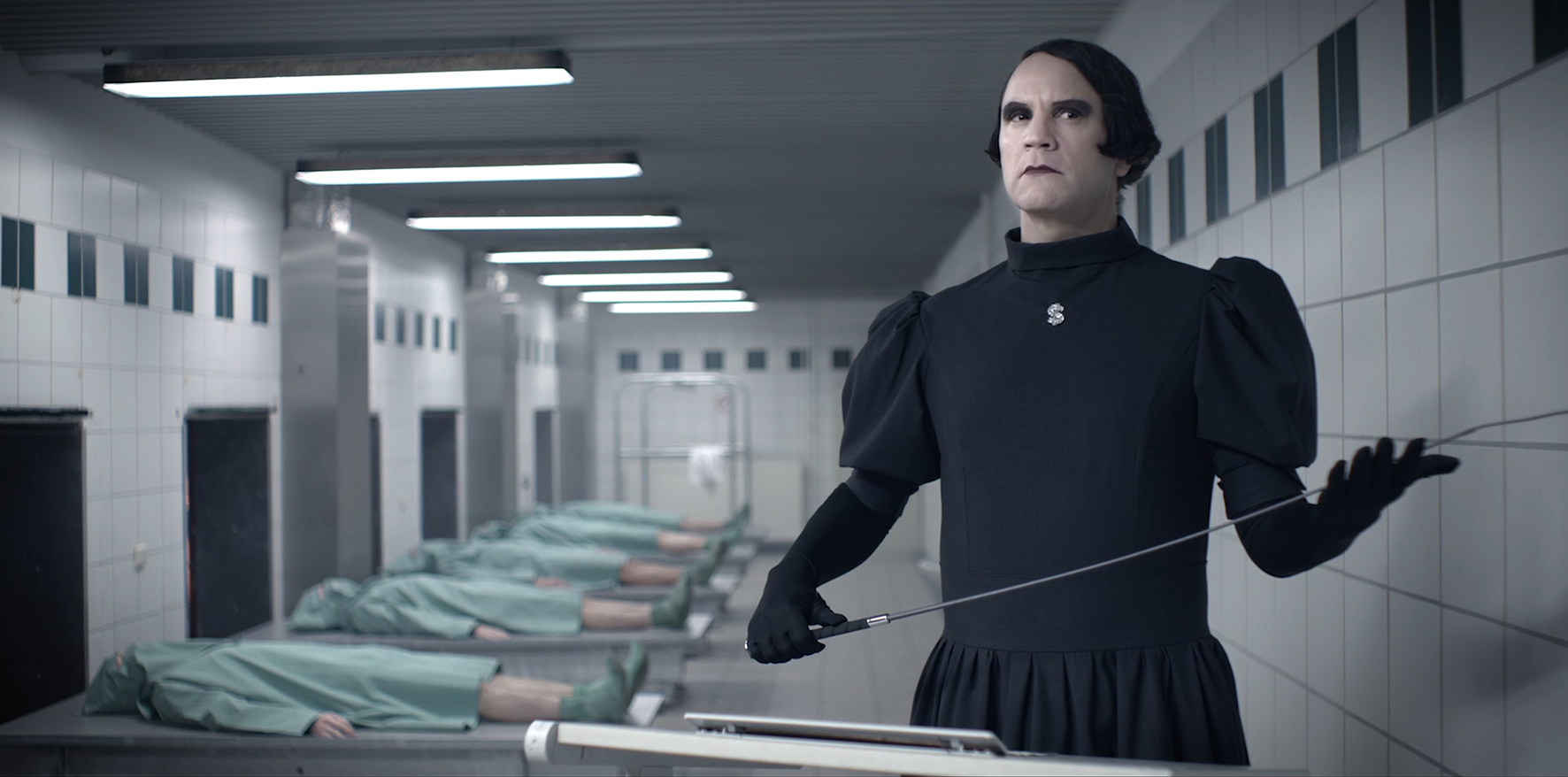
Freedom & Independence questions the current global ideological paradigm shifts towards new forms of religious capitalism by confronting ideas and quotes of the self-proclaimed objectivist philosopher and novelist Ayn Rand with evangelical contents of US-American mainstream movies. This contemporary fairy tale, in which Melhus performs all characters himself, was partly shot in a Berlin morgue and new urban environments in Istanbul.
Bjørn Melhus is a German-Norwegian media artist. In his work he has developed a singular position, expanding the possibilities for a critical reception of cinema and television. His practice of fragmentation, destruction, and reconstitution of well-known figures, topics, and strategies of the mass media opens up not only a network of new interpretations and critical commentaries, but also defines the relationship of mass media and viewer anew.
Originally rooted in an experimental film context, Bjørn Melhus’s work has been shown and awarded at numerous international film festivals. He has held screenings at Tate Modern and the LUX in London, the Museum of Modern Art (MediaScope) in New York, and the Centre Pompidou in Paris, amongst others. His work has been exhibited in shows like The American Effect at the Whitney Museum New York, the 8th International Istanbul Biennial, solo and group shows at FACT Liverpool, Serpentine Gallery London, Sprengel Museum Hanover, Museum Ludwig Cologne, ZKM Karlsruhe, Denver Art Museum among others.
Steppen Baroque
2003, 11:00, colour, sound
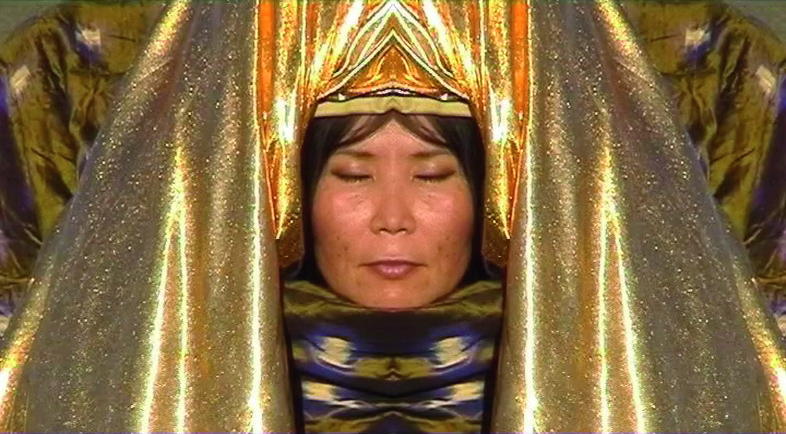
Steppen Baroque serves as a symbolic exploration of Central Asian female identity in the wake of geopolitical collapse. Set against the backdrop of the timeless steppe landscape, the piece features seven women who embody mythical spirits of nature, their presence characterized by vibrant fabrics and unclothed bodies engaged in enigmatic rituals. This artistic endeavor pays homage to the artist’s seven ancestors, rooted in the nomadic practice of remembering seven generations to construct a narrative of history and connection. Responding to the marginalized status of Central Asian women in contemporary society, Menlibayeva’s work strives to reveal their core essence. Within her artistry, the powerful matriarchal figures from the nomadic past resurface, casting aside the chains of patriarchal authority. Steppen Baroque fearlessly embraces elements that were once suppressed, such as traditional Tengriism shamanism and female nudity – both suppressed during the era of Soviet cultural domination. The performance stands as a tribute to the enduring strength of history and the reclamation of an identity that had been stifled.
Almagul Menlibayeva (b. 1969 in Almaty, Kazakhstan) is an award-winning contemporary artist who works mostly in multi-channel video, photography and mixed media installation. She lives and works in Germany and Kazakhstan. Her work has been featured internationally at the Sydney Biennale, Australia; the Venice Biennale; the Moscow Biennale, Russia; the Gangwon International Biennale, South Korea. Her recent solo exhibitions include Green, Yellow, Red, and Green again, TSE gallery, Astana, Kazakhstan (2018); Transformation, Grand Palais, Paris, France (2016-2017); My Silk Road to You, Lexing Art, Miami, USA (2016); Union of the Fire and Water, curator Suad Garaeva, 56th Venice Biennial, Venice, Italy (2015); Transoxiana Dreams, Videozone, Ludwig Forum, Aachen, Germany (2014); Empire of the Memory, Ethnographic Museum, Warsaw, Polland (2013); An Odd for the Wastelands and Gulags, Kunstraum Innsbruck, Austria (2013). EXPO 1 Exploration of ecological challenges, MoMA PS1, NewYork, USA.
Her video installations and photography have been exhibited widely at venues such as Museum van Hedendaagse Kunst, M HKA, Antwerp, Belgium; Queens Museum, NY, USA; Herbert F. Johnson Museum, Ithaca, NY, USA; Stenersen Museum, Oslo, Norway; ZKM Museum of Contemporary Art, Karlsruhe, Germany; University of California, San Diego, CA, USA; Center of Contemporary Art, Zamok Ujazdowskie, Warsaw, Poland; Museum of Contemporary Art Kiasma, Helsinki, Finland; Museo Universitario del Chopo, Mexico City, Mexico; Kulturzentrum bei den Minoriten, Graz, Austria; Queensland Art Gallery, Brisbane, Australia.
Menlibayeva’s work addresses issues such as critical explorations of Soviet modernity; social, economic; and political transformations in post-Soviet Central Asia; and decolonial reimaginings of gender, environmental degradation, and Eurasian nomadic and indigenous cosmologies and mythologies.
P. A. R. A. D. I. S. E.
2023/25, HD video, 27:23, colour, sound
The video P. A. R. A. D. I. S. E. deals with the difference between the experience of virtual reality in artificial space and the experience of physically tangible reality in nature. Even though real reality may often seem surreal, and virtual reality is becoming more and more realistic, there is still a difference between them: the question of truth. The film’s premise is also its final line: “We don’t need Virtual Reality, we need Virtual Unreality”. The fictional story of Schönefeld’s video revolves around P. A. R. A. D. I. S. E., a new Virtual Reality program designed to make its users experience ultimate feelings. In it, people test their limits, blurring the lines between the virtual and the real; while the video contrasts artificially created high-tech shots with documentary-like shots of nature. As in all of Schönefeld’s videos, P. A. R. A. D. I. S. E. is set in a fictional future that seems close enough to become our imminent reality. Will this virtual world of digitized experience become the landscape of our future?
The word ‘paradise’, evolving through Greek, Hebrew, Arabic, and Latin traditions to represent everything from Edenic innocence to celestial afterlives, remains in all these languages rooted in the ancient Persian pairidaeza, meaning “walled garden”. Paradise is a tamed landscape —designed, enclosed, and idealized—a space where nature is shaped by human vision and desire. By this definition, the infinite universes of Virtual Reality could all be called paradise. Yet in Schönefeld’s film, her title is a paradox, as the virtual worlds she unfolds are deadly. Unlike the safely enclosed pleasure gardens of its namesake, Schönefeld’s P. A. R. A. D. I. S. E. crosses the threshold between the virtual and the real. Schönefeld’s futuristic scenarios, set close enough ahead to be just within our reach, are prophetic in the sense that they provide a glimpse of a future that is all too possible; a digital world in which past, present, and future converge on a virtual plane of inner landscapes that are experienced much more sharply than the real.
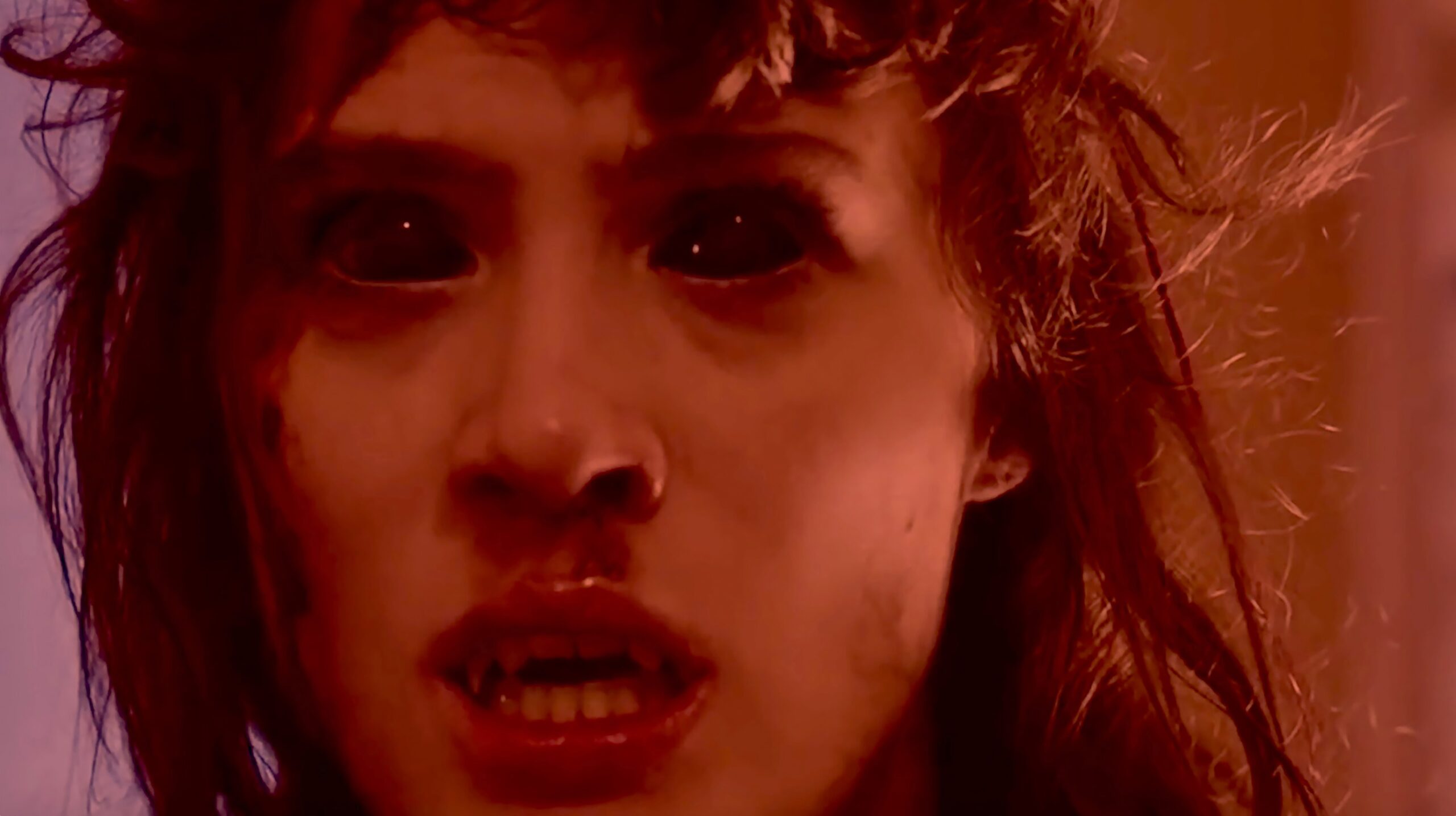
W H Y D O W E K I L L
2022, HD video, 7:01, colour, sound
W H Y D O W E K I L L is a video project that is a direct reaction to the situation we are facing in times of war. It is about the feeling of constant insecurity and a panicky, invisible threat. Images of a dancer and various quotes from different sources on the subject of violence are condensed into a kind of collage to create a feeling of our worst nightmares.
Violence is the use of force to injure, abuse, damage, or destroy. It is “the intentional use of physical force or power, threatened or actual, against oneself, another person, or against a group or community, which either results in or has a high likelihood of resulting in injury, death, psychological harm, maldevelopment, or deprivation.” Alternatively, violence can primarily be classified as either instrumental or reactive and hostile.
The complex theme of violence is connected to a systemic problem of the world. The principle of constant economic growth, combined with globalization, is creating a scenario where we could see a systemic collapse of our planet’s natural resources. Capitalism is inherently exploitative, alienating, unstable, unsustainable, and inefficient and it creates massive economic inequality, commodifies people, degrades the environment, is anti-democratic, and leads to an erosion of human rights because of its incentivization of imperialist expansion and war. W H Y D O W E K I L L ?
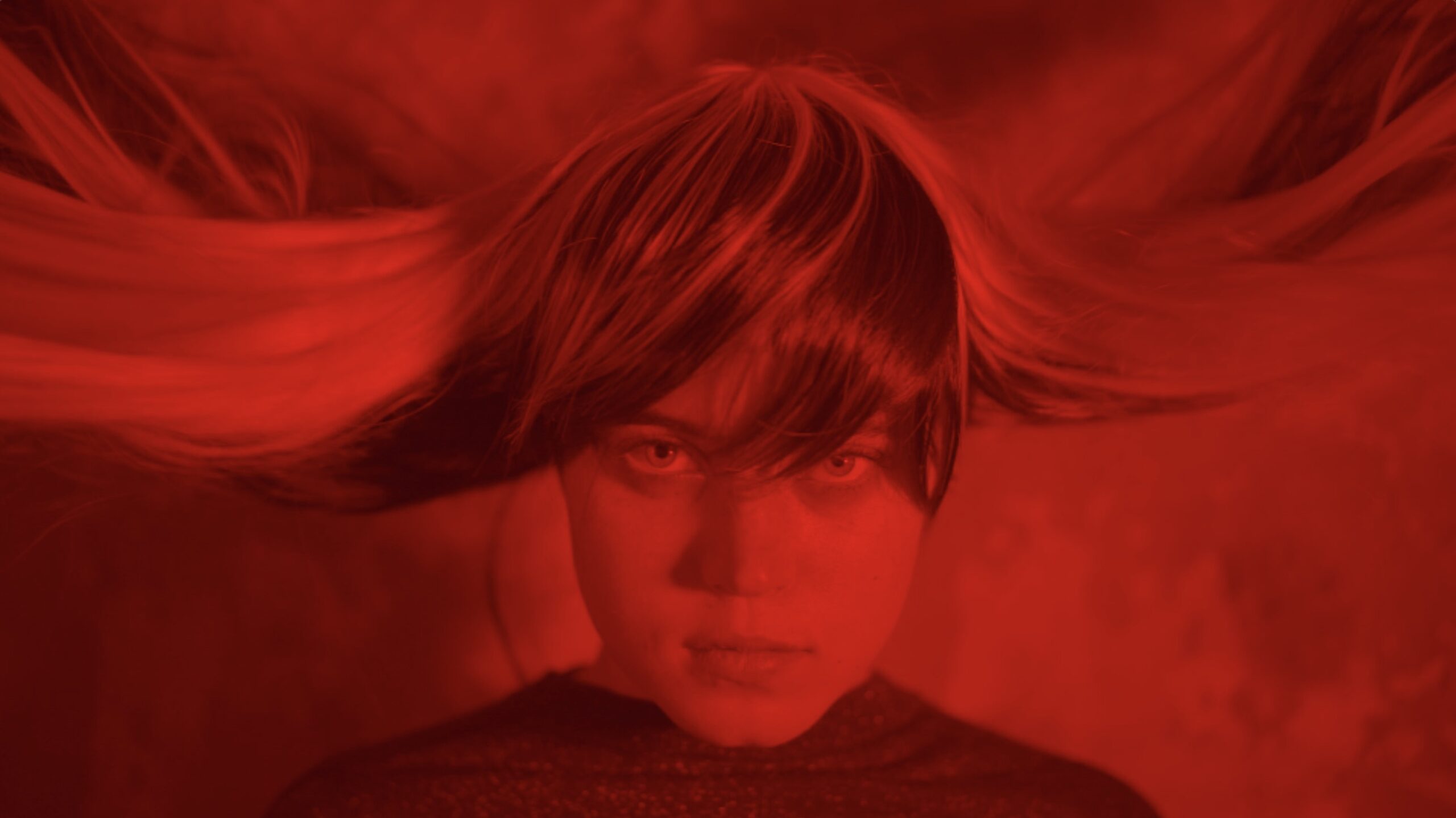
Nina E. Schönefeld is a Berlin based interdisciplinary artist of German/Polish descent, and PhD scholar in art theory, whose practice spans video, installation, sculpture, light, electronics, and AI driven media. With influences ranging from the early 20th century avant garde to urgent contemporary crises, her cinematic works confront the seductive aesthetics of consumer culture with a sharp political edge. Rather than offering escapism, Schönefeld’s immersive narratives expose the cracks in the glossy surface of capitalist modernity. Her work grapples with the most pressing dilemmas of a hyper-mediated, hyper-consumerist West—where environmental collapse, authoritarianism, and algorithmic control are too often obscured by distraction and spectacle. Central to her practice are stories of abrupt societal rupture: digital surveillance, nuclear threat, ecological devastation, and the fragile illusions of freedom under neoliberal systems. Her protagonists—frequently women—navigate dystopian near-futures where rebellion becomes survival, and where the cost of complacency is laid bare.
A selection of Schönefeld’s recent major museum and institutional exhibitions includes: 2024 – RIDE OR DIE (solo), KINDL Center for Contemporary Art, Berlin, Germany; NO FUTURE (solo), Lothringer 13 & Münchner Kammerspiele & Habibi Kiosk, Munich, Germany; MSU Museum (CoLab Studio, Michigan State University), Michigan, USA; GDM Contemporary Gallery, Ostrava, Czech Republic. 2023 – FUCK THE SYSTEM (solo), Diskurs Berlin, Germany; Kunsthalle Osnabrück, Germany; Ikono TV, COP28, Dubai; Gong Gallery, with Goethe-Institutes Prague & Bratislava, Ostrava, Czech Republic; Aleš South Bohemian Art Museum, Czech Republic; GDM Contemporary Gallery, Ostrava, Czech Republic; Kultursymposion Weimar, Goethe-Institute & Galerie Eigenheim, Weimar, Germany; LAGOS Gallery, Mexico City, Mexico. 2022 – Enemy Within (solo), Berlin Weekly Gallery; Haus am Lützowplatz, Berlin, Germany; Ikono TV, COP27, Egypt; Diskurs Gallery Berlin, Germany; Artspring-Festival, Berlin, Germany. 2021 – Heidelberger Kunstverein, Heidelberg, Germany; MOMENTUM, Kunstquartier Bethanien, Berlin, Germany; Alte Münze, Berlin, Germany; CICA Museum, Gyeonggi-Do, Korea; Kunstverein Familie Montez, Frankfurt, Germany; Seoul International ALT Cinema & Media Arts Festival (NeMaf), Seoul, Korea; Art Life Foundation, Hong Kong, China; ARTSPRING-Festival, Berlin, Germany; Roppongi Art Festival, Tokyo, Japan. 2020 – Heidelberger Kunstverein, Heidelberg, Germany; Weltkunstzimmer, Düsseldorf, Germany; Kunsthalle Bratislava Museum, Slovakia; Galerie la Pierre Large, Strasbourg, France; MOMENTUM, Kunstquartier Bethanien, Berlin, Germany; Contemplatio Art, Germany. 2019 – Aram Art Museum, Seoul, South Korea; Alternative Culture Making Art Space, Shenzhen, China; Federation Square, Melbourne, Australia; MOMENTUM, Kunstquartier Bethanien, Berlin, Germany; Anima Mundi Festival 2019, Palazzo Ca’ Zanardi, Venice, Italy; Bamhaus Luxembourg, Luxembourg; Mitte Media Festival 2019, Berlin, Germany; Made In NY Media Center by IFP, New York City, USA; Villa Heike, Berlin, Germany. 2018 – Berlinische Galerie, Berlin, Germany; Goethe Institut, Beijing, China; Kühlhaus, Berlin, Germany; BBA Artist Prize 2018 Berlin, Germany; Ex Pescheria Centrale, Trieste, Italy; Mitte Media Festival, Berlin; Palazzo Ca’ Zanardi, Venice, Italy; THE ROOM Contemporary Art Space, Venice, Italy. And many others.
Toro
2008, HD video, 05:04, colour, sound
The video shows a man fighting against the waves of the sea – faced with the huge sky and the width of the sea, sometimes he abandons the fight, but then he comes back with new bravery: as a torero in the arena but also as Don Quixote against the windmills.
Journal
2005, Video, 11:07, colour, sound
I feel, therefore I am. In this regard, the skin acts as the frontier between the individual and our surroundings. Touch confirms our existence. “Through sight, through touch, through sympathy, through work in general we are with the others. All relationships are transitive. I touch an object and I see another person, but I am not that person. I am completely alone.” (extract from the book The Time and the Other from Emmanuel Levinas). In the video Journal, I feel my way past various locations led by a different destination. I am both adult and child at the same time. This is a method not just of feeling, but also transforming the contour of the self. Our skin is a border crossing.
Mariana Vassileva studied at the University of the Arts in Berlin and has lived and worked in the city ever since. Her practice is guided by a commitment to authenticity—both to herself and to the society she experiences—as well as by a critical awareness of the role of social media. For each idea that persists until realized, she seeks the medium most suited to its expression, whether video, photography, sculpture, installation, or drawing.
Selected museum exhibitions: Musée d’Art Contemporain de Montréal (Canada), Tate Britain (UK), Centre Pompidou, Paris; Museo Nacional Centro de Arte Reina Sofía (Spain); Museum of Fine Arts, Boston (USA); The Israel Museum, Jerusalem; Kunstmuseum Wolfsburg; Weserburg Museum für moderne Kunst; Kunsthalle zu Kiel; Edition Block, Berlin; The Stenersen Museum, Oslo; Kunsthalle Bremen; Total Museum, Seoul; Hong Kong Arts Centre.
Vassileva has also taken part in major international biennials, including the 17th Biennale of Sydney (The Beauty and the Distance), the 4th Moscow Biennale of Contemporary Art (Art – Rewriting Worlds), Biennale Vento Sul in Curitiba (Brazil), and the 1st Bienal del Fin del Mundo in Ushuaia (2007).
Residencies include: Mexico, Sydney, Istanbul, St. Petersburg, São Paulo, Auckland (New Zealand), and Hong Kong.
Conspiracy
2024, Stop-motion animation, 5:24, colour, sound
The video uses the interaction of two screens, and is made up of materials including body animation,multimedia images and performances. The visual and temporal disparity produced by the position,dislocation and juxtaposition of the two screens create a kind of interesting phenomenon:one that might perhaps cause people to investigate the source of representation of certain events.This is also a discussion concerning the cause and effect, control, mutual destruction and regeneration of the multiple relationships between everyday lives, texts,media and events. Additionally, the expression of the body language is not only a reflection of the ground’s stimulation to the outside: the body itself is a source of imagination and energy, and an unrestrained vehicle. If consumerism and entertainment have disintegrated the political nature of the body, then I attempt in this video, by adopting the habitual means of entertainment and hedonism, to transform the basic attributes of body politics.
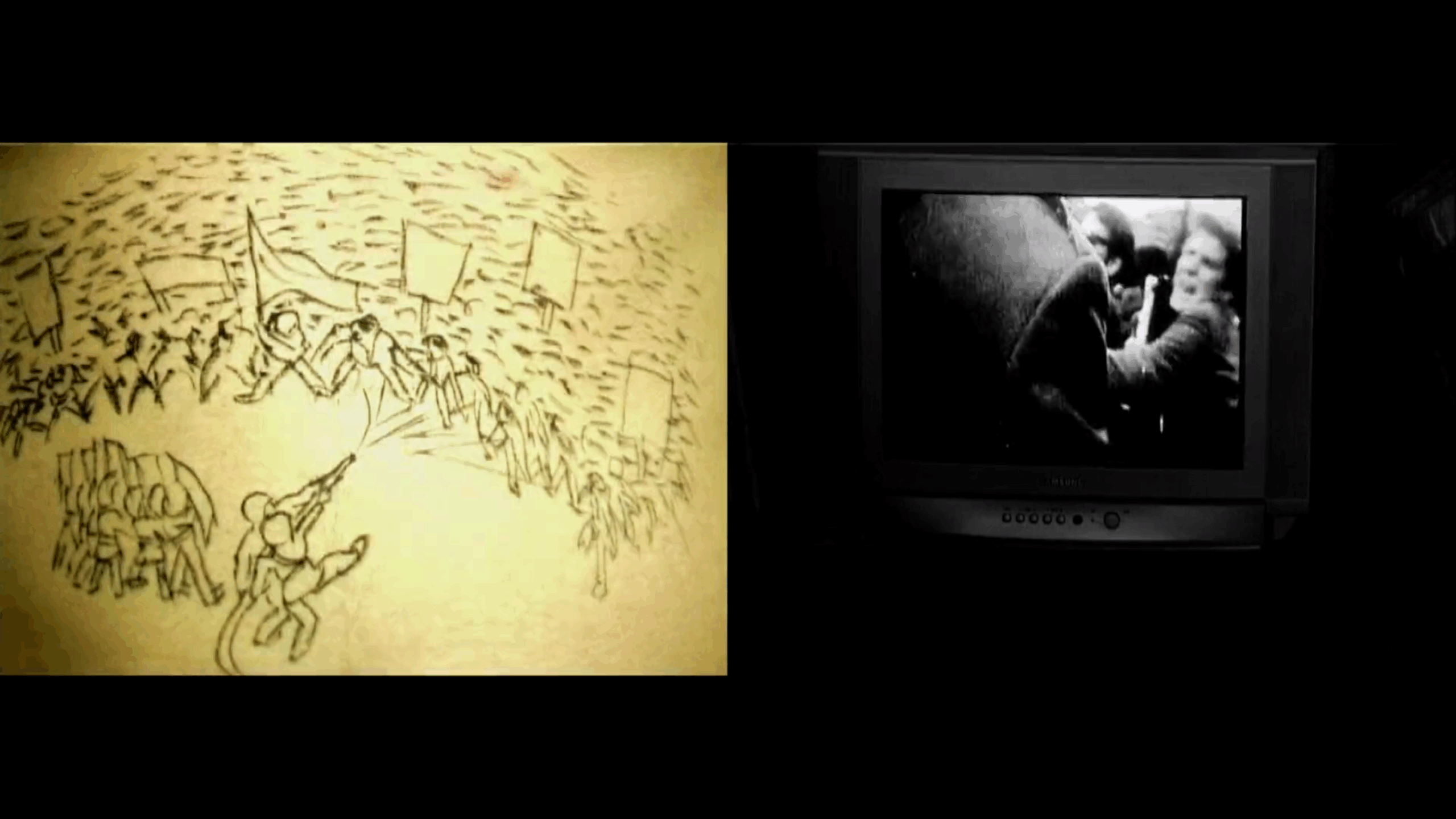
The Gooey Gentleman
2002, Stop-motion animation, 4:42, colour, sound
The video uses the interaction of two screens, and is made up of materials including body animation,multimedia images and performances. The visual and temporal disparity produced by the position,dislocation and juxtaposition of the two screens create a kind of interesting phenomenon:one that might perhaps cause people to investigate the source of representation of certain events.This is also a discussion concerning the cause and effect, control, mutual destruction and regeneration of the multiple relationships between everyday lives, texts,media and events. Additionally, the expression of the body language is not only a reflection of the ground’s stimulation to the outside: the body itself is a source of imagination and energy, and an unrestrained vehicle. If consumerism and entertainment have disintegrated the political nature of the body, then I attempt in this video, by adopting the habitual means of entertainment and hedonism, to transform the basic attributes of body politics.
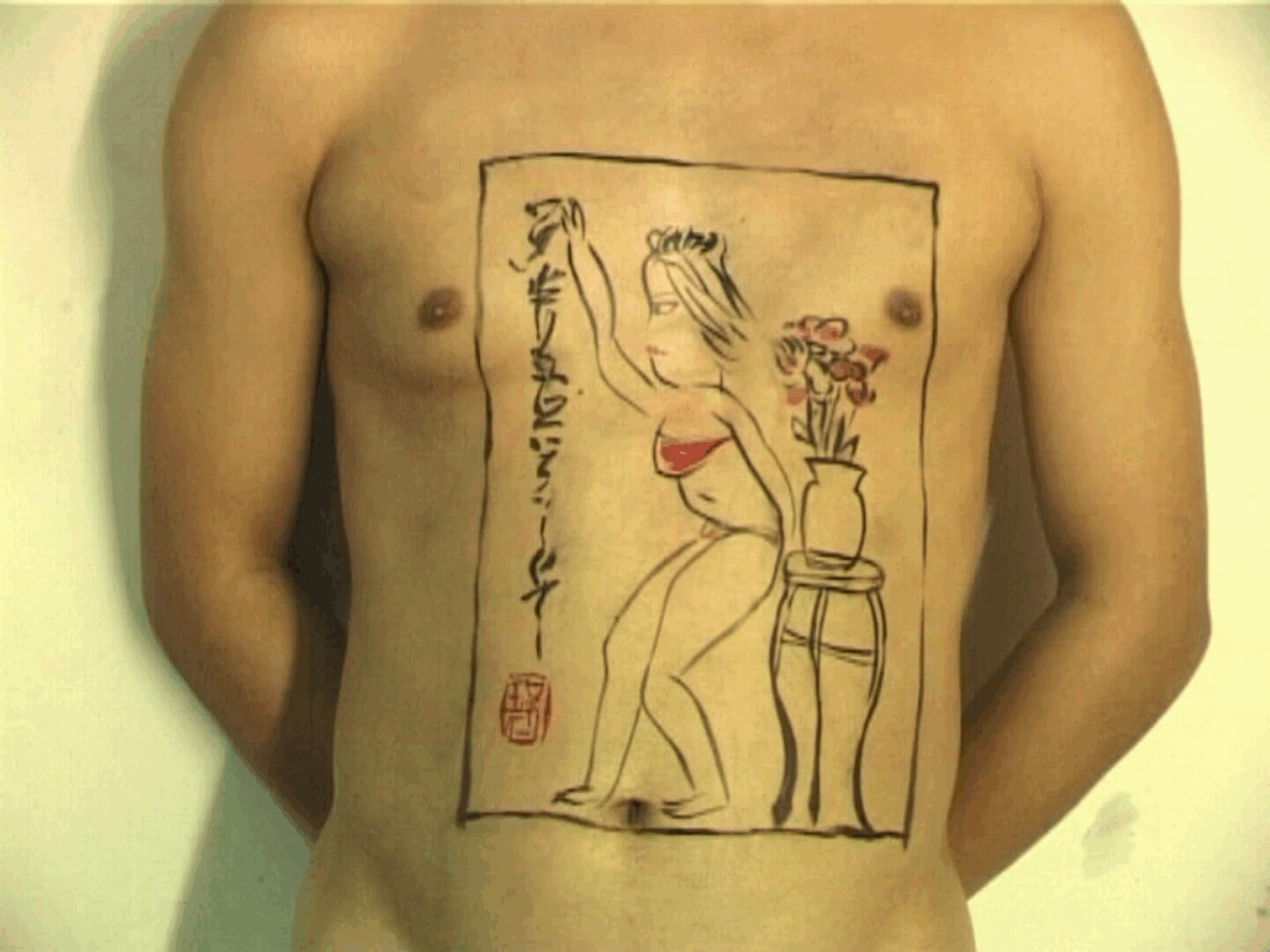
Zhou Xiaohu is a pioneering figure in Chinese contemporary art, celebrated as one of the first to develop claymation and stop-motion video animation in the region. Trained in sculpture and oil painting at the Sichuan Academy of Fine Arts, he began using computers as an artistic tool in 1998. He has since experimented with stop-frame video animation, video installation and computer-gaming software by interlayering images between moving pictures and real objects in what has become his signature style. His work defies genre boundaries by combining animation, video, installation, performance, photography, and sculpture. Drawing on techniques from folk puppetry, popular media, and classical art forms, Zhou orchestrates biting social satire that critiques the mediated production of reality and the absurdities of modern public life.
Zhou’s interdisciplinary practice reflects the documentation of and misunderstandings of history in a digital age. His work offers a provocative exploration of mediated reality—using puppetry and animation as metaphors for spectacle and absurdity in contemporary culture. Through meticulously crafted claymation scenes re-enacting news events, social spectacles, and folklore, his installations dismantle the authority of media while exposing how spectacle shapes collective perception. With roots in Chinese folk forms and engagement with philosophical parody, Zhou’s artistic vision challenges viewers to question the line between fact and fiction, and to see how narratives are constructed, circulated, and internalized. Using absurdist narratives and puppet-like figures, Zhou Xiaohu probes the social and philosophical landscapes of contemporary life.
Selected major exhibitions include: Permaculture (solo), Biyun Art Museum, Shanghai China (2024); The 14th Shanghai Biennale (2023); 2nd Bangkok Art Biennale (2020); Chimera (solo), Shanghai Minsheng Art Museum, China (2016); Scheisse (solo),MOMENTUM, Bethanien Art Center, Berlin, Germany (2015); Harmonious Society, Asia Triennial, Manchester, UK (2014); White Rabbit Gallery, Sydney, Australia (2013); Panorama: Recent Art from Contemporary Asia, Singapore Art Museum, Singapore (2012); 4th Guangzhou Triennial -Grangdview project, Guangzhou, China (2012); Barbican Art Gallery, London, UK (2011); National Art Museum of China, Beijing, China (2011); 40th International Film Festival Rotterdam in Netherland (2011); Not Soul For Sale, Tate Modern Turbine Hall, London, UK (2010); 8th Gwangju Biennial, Gwangju, South Korea (2010); Tate Liverpool, Liverpool, UK, (2007); Museum Moderner Kunst, Stiftung Ludwig, Vienna, Austria (2007); Kunst Museum Bern, Bern, Switzerland (2007); Asia Pacific Triennial of Contemporary Art, Brisbane, Australia (2006); The Utopia Machine, MoMA Museum of Modern Art, New York, USA (2004); 1st Seville Biennial, Seville, Spain (2004); Between Past and Future, International Center of Photography, New York, USA (2004); 56th International Film Festival Locarno, Locarno Switzerland (2003); Experimental Video Gold Medal Award, 36th World Fest-Houston International Film Festival (2003); China Rushes, Hamburger Bahnhof National Museum, Berlin, Germany (2001); 3rd Shanghai Biennale (2000); amongst many others.
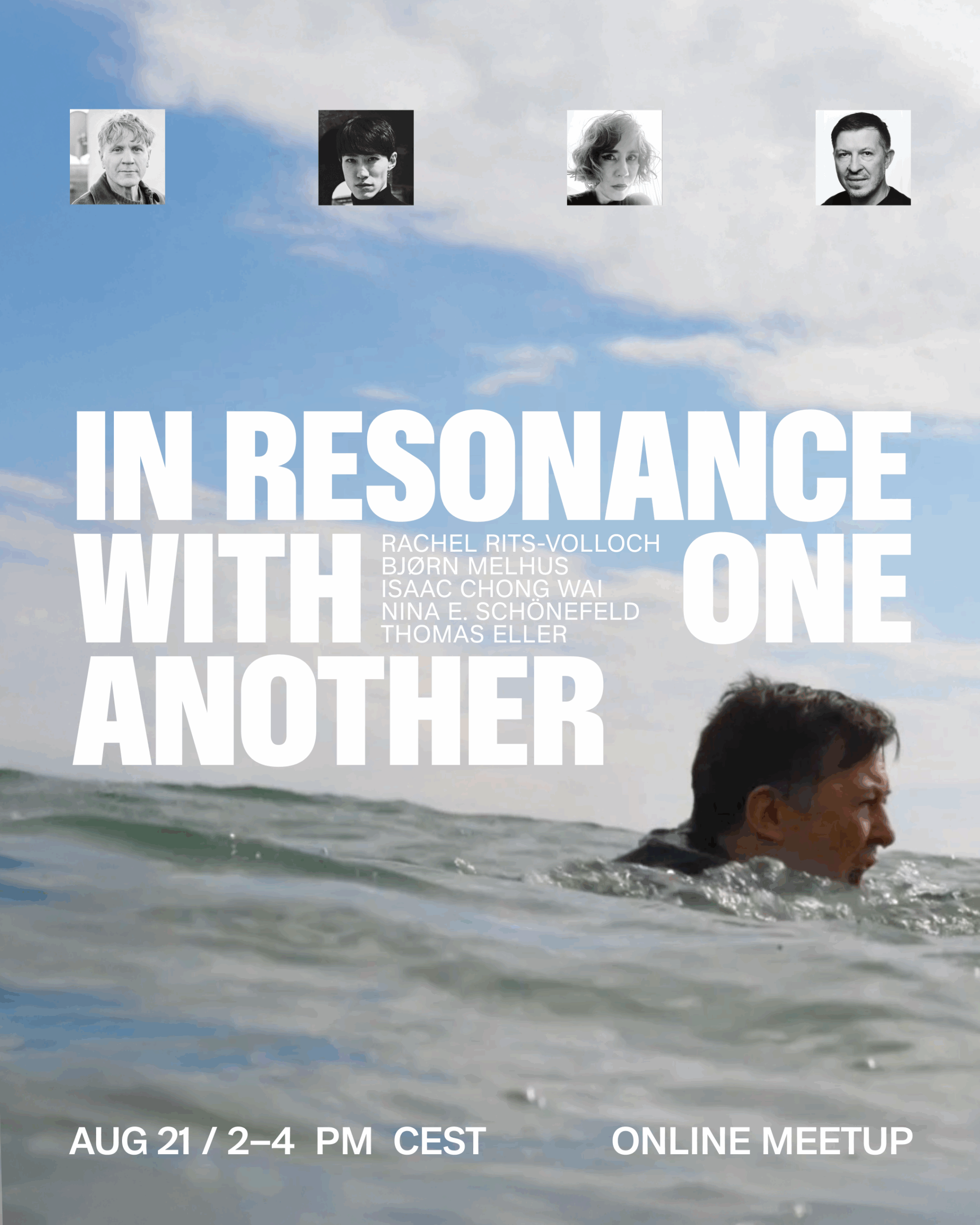
CIFRA Artist Talk
Any Body Knows: In Resonance with One Another
Online Meetup
21 August 2025, 2–4 pm CEST
With:
Isaac Chong Wai, Thomas Eller, Bjørn Melhus, Nina E. Schönefeld
Moderated by Rachel Rits-Volloch
The Pre-Posthuman Body explores how, in our post-everything age (postmodern, postcolonial, postdigital), the human body remains both fragile and powerful: a site of vulnerability, but also a force of resistance, expression, transformation, and communication. While technological imaginaries increasingly promise a future beyond embodiment, the body continues to shape how we act in the world, how we confront authority, how we imagine change, and how we communicate with one another – both verbally and non-verbally, linguistically and viscerally.
The discovery of mirror neurons 30 years ago has provided scientific proof for what our linguistic systems have inherently know for centuries – that we feel emotion physically; that motion is an integral part of emotion. Most languages contain parallels between words expressing the physical and the emotional: feeling touched, being moved – as, for example, by good art. The subtitle of my selection, “Feeling Emotions: moving images that move you, performances that touch you”, is rooted in this confluence of the verbal and the physical. Neuroscience shows us that the same part of our brains are activated when we say the word for an action, when we watch that action being performed, and when we perform that action ourselves. In this sense, art doesn’t simply represent—it resonates in the body, creating a shared field of feeling. The body not only responds to language, it generates it. Gesture, movement, breath, and voice are the primordial sources of expression, the very origins of speech and meaning. To move is already to signify, to embody a thought before it finds its way into words. The body, then, is both the maker of language and language itself: a living text that communicates through muscle, rhythm, and presence. It is through this dual role—creating and being language—that the body becomes an agent of connection, provocation, and communication.
The focus of today’s discussion turns to the body as a social agent – a site where meaning is made, contested, and transformed. The body speaks in many registers: it communicates through words, of course, but also through gestures, movements, postures, and silences. It carries memory and emotion, trauma and joy. It can provoke, disrupt, resist, and invite change. It is at once language, presence, and experience – verbal, visceral, and visual.
Through performance and video art, the works presented here examine how embodied presence can disrupt dominant narratives, expose systems of control, and open new spaces for dialogue and solidarity.
We are honored to welcome four artists whose practices engage these questions from different angles:
• Thomas Eller (based between Berlin and Bavaria), whose time-based works interrogate the intersections of language, perception, and the self, often unsettling how we define identity and agency.
• Nina E. Schönefeld (an original Berliner, of German and Polish origins), whose video works explore political resistance and underground movements, highlighting the body as a tool of defiance and freedom.
• Bjørn Melhus (based between Berlin and Italy), internationally acclaimed for his incisive use of performance in video, exposing the power structures embedded in mass media and popular culture – how they shape and distort the ways we live our lives.
• Isaac Chong Wai (Berlin-based, originally from Hong Kong), whose performances and installations – most notably “Falling Reversely”, his work for last year’s Venice Biennale – address themes of collectivity, vulnerability, and healing, using the body as a site of both personal and political transformation.
Together, their works ask: in an era of data, avatars, and algorithms, how can the body continue to provoke, to resist, to communicate, and to transform the social fabric?